The Best Bread Pudding Oven Temperature For Perfect Results
The ideal bread pudding oven temperature is 350°F (175°C) for most classic recipes, producing a creamy interior and golden top. Baking time typically runs 45 to 60 minutes depending on your dish size and ingredients. Using the right temperature prevents dry edges and raw centers, giving you dessert perfection with every bake.
Few desserts bring people together like a warm slice of bread pudding fresh from the oven. Whether you are making a classic bread pudding recipe or trying a new twist, one thing determines success more than anything else. That thing is your oven temperature.
Getting the bread pudding oven temperature right can mean the difference between a silky, creamy dessert and a dry, overcooked disappointment. You do not need to be a professional baker to nail it. With the right guidance and a little confidence, anyone can pull off a perfect loaf of bread pudding comfort food.
In this guide, we will walk you through everything you need to know about baking bread pudding at the right heat. We will cover the best temperature settings, common mistakes, helpful tips, and much more. By the end, you will feel ready to make the best bread pudding of your life.
Key Takeaways
- 350°F is the sweet spot: Most bread pudding recipes bake best at 350 degrees Fahrenheit for even cooking.
- Adjust for dish size: Larger or deeper dishes may need slightly lower temperatures and longer bake times.
- Check doneness with a toothpick: A clean pick means your custard is set and the bread pudding is ready.
- Let it rest: Allowing the pudding to sit for 10 to 15 minutes helps the custard firm up.
- Avoid common mistakes: Overbaking, skipping the water bath, and using the wrong dish size are top errors.
- Cover with foil if needed: This prevents the top from burning before the center cooks through.
📑 Table of Contents
- What Is the Ideal Bread Pudding Oven Temperature?
- Why Temperature Matters So Much for Bread Pudding
- How Different Recipes Need Different Temperatures
- Common Mistakes with Bread Pudding Oven Temperature
- Tips for Getting Perfect Bread Pudding Every Time
- How to Tell When Your Bread Pudding Is Done
- Exploring Bread Pudding Oven Temperature Variations
- Final Thoughts on Bread Pudding Oven Temperature
What Is the Ideal Bread Pudding Oven Temperature?
The short answer is 350°F (175°C). This is the go-to bread pudding baking temperature for most recipes. It works because it heats the custard evenly and gives the bread enough time to absorb the liquid without burning on the outside.
At 350 degrees, the exterior gets a gentle golden brown while the inside stays creamy and soft. This balance is exactly what makes bread pudding so beloved. The custard mixture sets slowly, wrapping each piece of bread in richness.
Why 350°F Works So Well
Here is why 350°F has become the standard for oven-baked bread pudding desserts:
- Even heat distribution: Most home ovens run consistently at this setting, making it reliable for beginners and experts alike.
- Perfect custard set: The eggs in your custard mixture cook gently at this temperature, avoiding rubbery textures.
- Golden crust formation: The top develops a beautiful, lightly caramelized crust without scorching.
- Adequate bake time: A 45 to 60-minute window at 350°F gives the bread time to soak up all the flavor.
If you have ever wondered why your bread pudding came out dry or undercooked, the oven temperature was likely the culprit. Sticking with 350°F removes most of the guesswork from your baking routine.
Why Temperature Matters So Much for Bread Pudding
Temperature control is the backbone of any great dessert bake. Bread pudding is especially sensitive because it combines two tricky elements: bread and custard. Each reacts differently to heat, and the oven temperature determines how they come together.
The Science Behind Baking Bread Pudding
When you place your bread pudding in a hot oven, several things happen at once. The custard mixture begins to set as the eggs coagulate. The bread absorbs the liquid, softening further. And the surface starts to brown through a process called the Maillard reaction.
If the temperature is too high, the outside burns before the inside sets. You end up with a dark crust and a runny center. If the temperature is too low, the custard never fully sets, and the bread turns soggy and dense.
Finding the right bread pudding oven temperature keeps all these processes in harmony. It gives you that dreamy, creamy center with a lightly toasted top that everyone loves.
How Heat Affects Texture
Texture is everything in bread pudding. You want each bite to be soft and creamy with just a hint of firmness. Here is how different temperatures affect the final result:
- Too high (above 375°F): The edges dry out quickly, and the top can turn hard and dark before the center is ready.
- Too low (below 325°F): The custard takes forever to set, and the bread may become waterlogged and mushy.
- Just right (350°F): The custard sets evenly, the bread stays moist, and the top turns a perfect golden brown.
Understanding this simple temperature range helps you troubleshoot any bread pudding that does not turn out quite right. Next time your dessert feels off, check the heat first.
How Different Recipes Need Different Temperatures
Not all bread pudding recipes are created equal. Some call for a slightly different oven temperature depending on the ingredients, dish size, and baking method. Let us explore the most common variations.
Classic Bread Pudding at 350°F
The traditional bread pudding recipe works beautifully at 350°F. This is the temperature used in most vintage and family recipes passed down through generations. A standard 8×8 or 9×9 baking dish works perfectly at this heat.
Bake for about 45 to 55 minutes. The top should look golden, and a slight jiggle in the center is perfectly fine. The custard will continue to set as the bread pudding cools.
Stale Bread Pudding and Dense Loaves
If you are using very stale or dense bread, you might want to drop the temperature slightly to 325°F. Dense bread takes longer to absorb the custard, and a lower temperature gives it more time without overcooking the edges.
This approach works wonderfully for bread pudding made with brioche or challah, which are naturally rich and heavy. The slower bake allows the custard to penetrate fully.
Large or Deep Dishes
When you use a deep casserole dish or a large loaf pan, the center takes longer to cook. In this case, lowering the temperature to 325°F and extending the bake time to 60 to 75 minutes prevents the top from burning. You can also cover the dish with foil during the first half of baking.
Mini Bread Pudding Cups
Individual bread pudding cups or ramekins bake faster because of their small size. These can go into a 350°F oven for just 20 to 30 minutes. Keep a close eye on them, as they can go from perfect to overbaked in minutes.
Comparison Table: Temperature Settings by Recipe Type
| Recipe Type | Oven Temperature | Bake Time | Dish Type |
|---|---|---|---|
| Classic Bread Pudding | 350°F (175°C) | 45 to 55 minutes | 8×8 or 9×9 baking dish |
| Dense Bread Pudding | 325°F (163°C) | 55 to 70 minutes | Deep casserole dish |
| Mini Bread Pudding Cups | 350°F (175°C) | 20 to 30 minutes | Ramekins or muffin tins |
| Large Loaf Pan Pudding | 325°F (163°C) | 60 to 75 minutes | Loaf pan or deep dish |
| Water Bath Custard Pudding | 325°F (163°C) | 50 to 65 minutes | Springform or deep dish |
Use this table as a quick reference the next time you prepare your custard bread pudding or any variation. Adjusting the temperature based on your specific recipe makes a huge difference in the final result.
Common Mistakes with Bread Pudding Oven Temperature
Even experienced bakers make mistakes with oven temperature. Knowing what to avoid saves time, ingredients, and a lot of frustration. Here are the most common errors people make when baking bread pudding.
Baking at Too High a Temperature
This is the number one mistake. Cranking the oven up to 400°F or higher might seem like a shortcut, but it leads to disaster. The top burns while the center remains raw and liquid. Always trust the 350°F standard unless your recipe specifically says otherwise.
Skipping the Preheat
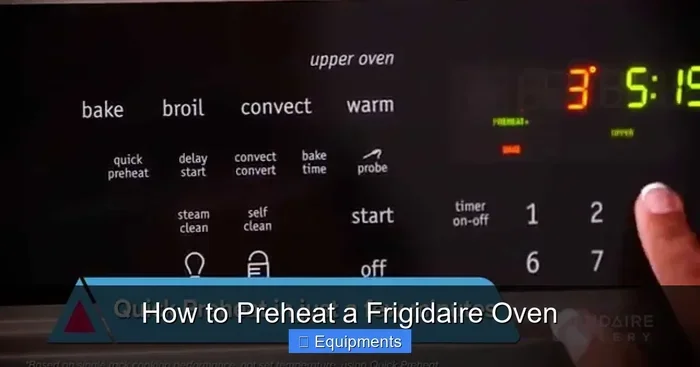
Never place your bread pudding into a cold oven. Preheating ensures the custard starts cooking immediately at the right temperature. A proper preheat takes about 15 to 20 minutes and makes a noticeable difference in texture.
Opening the Oven Door Too Often
Every time you open the oven door, heat escapes. This causes temperature fluctuations that can ruin your bread pudding’s texture. Resist the urge to peek. Instead, use the oven light to check on your dessert through the glass door.
Ignoring the Oven Hot Spots
Most ovens have hot spots where the heat is stronger. If your bread pudding is browning unevenly, rotate the dish halfway through baking. This simple step promotes even cooking and a consistent golden color all around.
Using the Wrong Pan Size
A pan that is too small causes the custard to overflow. A pan that is too large spreads the mixture too thin, and it dries out before the center sets. Match your pan size to the recipe for the best bread pudding oven temperature results.
Forgetting to Rest the Pudding
Taking the bread pudding out of the oven and cutting into it immediately is tempting. But letting it rest for 10 to 15 minutes allows the custard to finish setting. The texture firms up, and each slice holds its shape beautifully.
Tips for Getting Perfect Bread Pudding Every Time
Now that you know the right temperature and common pitfalls, let us look at actionable tips that elevate your bread pudding from good to outstanding.
Use a Thermometer to Check Internal Temperature
An instant-read thermometer is your best friend in the kitchen. Insert it into the center of the bread pudding. When it reads 160°F to 170°F, your custard is fully set. This takes all the guesswork out of determining doneness.
Try a Water Bath for Extra Creaminess
A water bath, also known as a bain-marie, wraps your baking dish in gentle, even heat. This method is popular for creamy bread pudding recipes because it prevents the custard from curdling or developing a rubbery texture. Simply place your dish inside a larger pan and add hot water halfway up the sides.
Let the Bread Soak Overnight
For the most flavorful bread pudding, soak your bread cubes in the custard mixture overnight in the refrigerator. This gives the bread ample time to absorb every drop of flavor. When it hits the oven at the right temperature, the result is incredibly rich and moist.
Do Not Skip the Resting Period
As mentioned earlier, letting the bread pudding rest for 10 to 15 minutes after baking is essential. During this time, the custard continues to set, and the bread firms up just enough to hold its shape when sliced.
Add Toppings After Baking
Whether you love a crunchy streusel topping or a drizzle of warm caramel sauce, add these after the bread pudding comes out of the oven. Adding toppings during baking can burn them or prevent the custard from setting properly.
Quick Tips for the Best Results
- Always preheat your oven before placing the dish inside.
- Use room temperature eggs in your custard mixture for smoother blending.
- Spray or grease your baking dish to prevent sticking and easy serving.
- Check the center with a toothpick — it should come out clean or with just a moist crumb.
- Cover with aluminum foil if the top is browning too fast.
- Use stale or day-old bread for better absorption and texture.
How to Tell When Your Bread Pudding Is Done
Knowing when to pull your bread pudding out of the oven is just as important as getting the temperature right. An overbaked pudding turns dry and crumbly, while an underbaked one is soupy and unset.
Look for these clear signs of doneness:
- The top is golden brown and looks lightly caramelized.
- The edges are set and slightly pulled away from the sides of the dish.
- The center has a slight jiggle but is not liquid — think of the wobble of set gelatin, not a liquid swirl.
- A toothpick inserted in the center comes out clean or with just a few moist crumbs attached.
- The internal temperature reads 160°F to 170°F on an instant-read thermometer.
Remember, the bread pudding continues to cook slightly after you remove it from the oven. This carryover cooking means you should pull it out just before it looks perfectly done. Trust the process, and you will be rewarded every time.
What If It Is Not Done?
If you discover your bread pudding is undercooked in the center, simply pop it back in the oven for another 5 to 10 minutes at 350°F. Check again and repeat if necessary. It is much better to underbake slightly and finish than to overbake and ruin the texture.
What If It Is Overdone?
If the top has burned or the edges are dry, all is not lost. Serve the bread pudding with a warm sauce or fresh whipped cream. The added moisture and flavor can rescue even an overbaked dessert and make it delicious again.
Exploring Bread Pudding Oven Temperature Variations
While 350°F is the standard, some bakers experiment with different temperatures for unique results. Let us look at a few variations worth trying.
Low and Slow at 300°F
Baking at 300°F produces an incredibly tender and moist bread pudding. The low heat allows the custard to set very gently, creating a almost pudding-like texture throughout. This method takes longer, usually 70 to 90 minutes, but the results are worth the patience.
This approach works best for rich custard bread pudding with lots of eggs and cream. It is also ideal for beginners who want a foolproof method with less risk of overbaking.
High Heat at 375°F for a Crispy Top
If you love a crispy, caramelized top on your bread pudding, a brief blast at 375°F for the last 10 minutes can do wonders. Start baking at 350°F for most of the cook time, then increase the heat at the end. This gives you a creamy center with a crunchy, golden crust.
Just be very careful with this method. Set a timer so you do not forget about it, and watch the pudding closely during those final minutes.
Final Thoughts on Bread Pudding Oven Temperature
Mastering the bread pudding oven temperature is the single most important step in making this beloved dessert. The magic number for most recipes is 350°F, and sticking with it will serve you well time and time again. Whether you are making a classic custard bread pudding or trying a new variation, temperature control is your best tool for success.
Remember to preheat your oven, avoid common mistakes, and use the tips shared in this guide. With practice and a little attention to detail, you will bake bread pudding that is creamy, golden, and absolutely irresistible every single time.
The beauty of bread pudding is its simplicity. A few humble ingredients, the right oven temperature, and a little patience transform into something truly extraordinary. So preheat that oven, pull out your stale bread, and get ready to make the most delicious bread pudding you have ever tasted.
Now that you have all the knowledge you need, it is time to head to the kitchen. Your perfect bread pudding is waiting to be made.
Frequently Asked Questions
What is the best bread pudding oven temperature for a classic recipe?
The best temperature for a classic bread pudding is 350°F (175°C). This setting ensures the custard sets evenly and the bread absorbs the liquid without drying out. Most traditional recipes call for this temperature and a bake time of 45 to 55 minutes.
Can I bake bread pudding at 325°F instead of 350°F?
Yes, you can. Baking at 325°F works well for dense breads, larger dishes, or when you want a slower, more gentle bake. The pudding may need 10 to 15 extra minutes, but the result is often even creamier and more tender.
How do I know when my bread pudding is fully baked?
Check for a golden brown top, a slight jiggle in the center, and a clean toothpick test. Using an instant-read thermometer, the internal temperature should read between 160°F and 170°F. Letting the pudding rest for 10 to 15 minutes after baking also helps the custard finish setting.
Should I use a water bath when baking bread pudding?
A water bath is optional but highly recommended for extra creamy results. It surrounds the dish with gentle, even heat and prevents the custard from curdling or developing a rubbery texture. Simply place your baking dish in a larger pan filled with hot water halfway up the sides.
Can I bake bread pudding in a microwave instead of an oven?
Yes, microwaving is a quick alternative, but it does not produce the same golden crust or even texture as an oven. If you use a microwave, cook on medium power in short intervals and check frequently. The oven remains the preferred method for the best bread pudding texture and flavor.
What happens if I bake bread pudding at too high a temperature?
Baking at too high a temperature causes the outside to burn while the inside remains undercooked. The custard may not set properly, and the bread can become tough and dry. Always stick to the recommended 350°F or lower for the best results.