Are Delonghi Coffee Machine Parts Dishwasher Safe
Not all Delonghi coffee machine parts are dishwasher safe. Some components handle the dishwasher just fine, while others need gentle hand washing to stay in top shape. This guide shows you exactly which parts go in the dishwasher and which ones you should clean by hand.
Key Takeaways
- Removable parts like the drip tray and coffee pot are usually dishwasher safe: Check your model manual to confirm.
- Delicate parts like the brew group and steam wand should always be hand washed: Dishwashers can damage sensitive components.
- Using the wrong wash cycle can warp or crack plastic parts: Stick to gentle or eco cycles for Delonghi components.
- Regular cleaning extends the life of your machine: A clean Delonghi brews better coffee and lasts longer.
- Always check the user manual before putting any part in the dishwasher: Different Delonghi models have different care requirements.
- Descaling and deep cleaning should happen regularly: This keeps mineral buildup under control and your coffee tasting great.
📑 Table of Contents
- Are Delonghi Coffee Machine Parts Dishwasher Safe?
- Understanding Delonghi Coffee Machine Parts
- Which Delonghi Parts Are Dishwasher Safe?
- Which Delonghi Parts Should NOT Go in the Dishwasher?
- How to Properly Clean Delonghi Parts in the Dishwasher
- Tips for Maintaining Your Delonghi Coffee Machine
- Common Mistakes People Make When Cleaning Delonghi Machines
- Expert Insights on Delonghi Coffee Machine Care
- Frequently Asked Questions
- Conclusion
Are Delonghi Coffee Machine Parts Dishwasher Safe?
If you own a Delonghi coffee machine, you have probably wondered about the best way to clean it. The dishwasher seems like an easy solution. But here is the thing: not every part of your Delonghi machine is meant to go in the dishwasher. Some parts handle it just fine, while others need a gentler touch.
Understanding which parts are dishwasher safe and which are not can save you from costly mistakes. It also keeps your machine running smoothly for years. In this guide, we break down everything you need to know about cleaning your Delonghi coffee machine. We will cover which parts can go in the dishwasher, which ones should be hand washed, and how to keep your machine in top condition.
Whether you have a Delonghi espresso machine, a drip coffee maker, or a single-serve pod machine, this article has you covered. Let us dive right in and take the guesswork out of coffee machine cleaning.
Understanding Delonghi Coffee Machine Parts
Before we talk about the dishwasher, let us look at the different parts that make up a Delonghi coffee machine. Each part has a specific job. And each part has different cleaning needs. Knowing your machine is the first step to keeping it clean and working well.
Common Removable Parts
Most Delonghi machines share some standard removable parts. These include the water reservoir, the drip tray, the coffee pot or carafe, the portafilter, and the coffee grounds container. Some models also have a steam wand, a brew group, and a bean hopper if you have a grinder built in.
These parts come off easily so you can clean them. But here is the important part: just because a part comes off does not mean it is safe for the dishwasher. You need to check each piece individually.
Internal and Non-Removable Parts
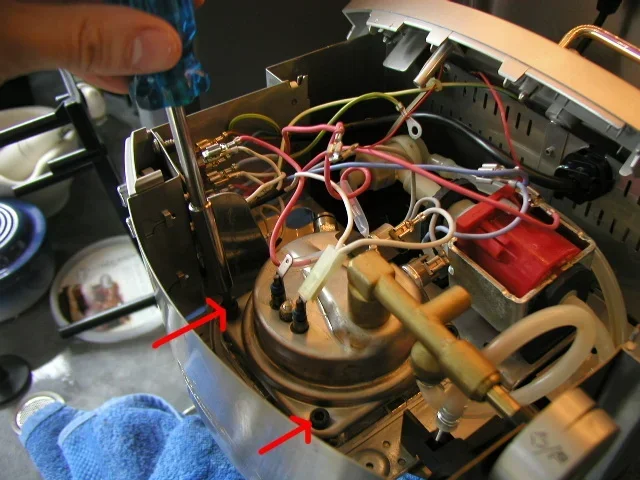
Then there are the parts that stay inside the machine. The heating element, the internal tubing, and the pump all live inside the housing of your Delonghi. These parts are never meant to go in the dishwasher or even in water. Cleaning these requires different methods like descaling and running cleaning cycles.
Trying to clean internal parts in a dishwasher would be a disaster. Water could damage the electronics, and the heat could warp plastic components. Always keep internal parts dry and clean them only with the methods recommended by the manufacturer.
Which Delonghi Parts Are Dishwasher Safe?
So which parts can you actually put in the dishwasher? The good news is that many removable parts are dishwasher safe. But it depends on the material and the model of your machine.
Drip Trays and Water Reservoirs
The drip tray and the water reservoir are usually safe for the dishwasher. These parts are typically made from durable plastic or stainless steel. They do not have delicate seals or electronic components. A normal dishwasher cycle should be fine for these parts.
That said, always check your user manual. Some Delonghi models have specific instructions about the water reservoir. If the manual says hand wash only, follow that guidance. When in doubt, hand washing is always the safer choice.
Coffee Pots, Carafes, and Portafilters
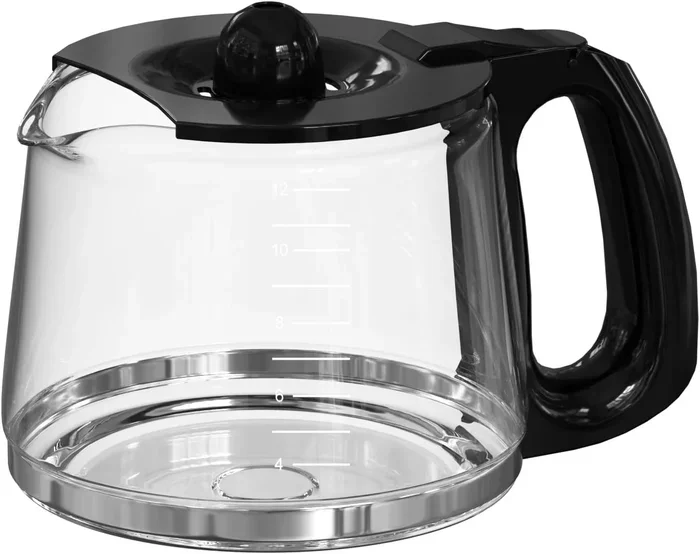
The glass or stainless steel coffee pot and the portafilter are generally dishwasher safe. These parts are designed to handle the heat and water pressure of a dishwasher cycle. Just make sure you place them on the top rack to avoid direct heat from the bottom element.
If your Delonghi machine came with a plastic carafe, be more careful. Some plastics can warp under high heat. Placing the plastic carafe on the top rack and using a gentle cycle helps prevent damage.
Drip Trays and Grounds Containers
The drip tray and the coffee grounds container are usually dishwasher safe. These parts collect the mess, so they need regular cleaning. A quick rinse before putting them in the dishwasher helps remove loose grounds. This keeps your dishwasher cleaner too.
For best results, run these parts through a normal wash cycle with your regular detergent. They come out clean and ready to go back into your machine.
Which Delonghi Parts Should NOT Go in the Dishwasher?
This is where many people make mistakes. Some Delonghi parts are clearly not dishwasher safe. Putting them in the dishwasher can cause damage, reduce performance, and even void your warranty.
The Brew Group
The brew group is one of the most important parts of your Delonghi espresso machine. It controls the water flow and pressure during brewing. This part has rubber seals, gaskets, and precise moving parts. The heat and harsh detergent in a dishwasher can degrade these seals over time.
Always hand wash the brew group with warm water and a mild detergent. Use a soft brush to remove any coffee residue. Never use abrasive sponges or harsh chemicals on this part. The brew group is the heart of your espresso machine, and you want to keep it in perfect condition.
The Steam Wand
The steam wand is another part that should never go in the dishwasher. This small but crucial component creates the steam you need for frothing milk. It has tiny openings that can get clogged by dishwasher detergent residue or heat damage.
After each use, wipe the steam wand with a damp cloth. Purge steam through it to clear any milk residue. For a deeper clean, use a fine needle to clear the steam holes. This simple habit keeps your steam wand working perfectly every time.
Water Filters and Seals
If your Delonghi machine has a water filter, never put it in the dishwasher. The filter media is designed for water contact, not high heat and harsh detergent. The dishwasher will destroy the filter and make it useless.
Rubber seals and gaskets also need hand washing. These soft parts keep your machine leak-free. Dishwasher heat can cause them to shrink, crack, or lose their shape. Once a seal is damaged, your machine may start leaking or losing pressure.
Electronic Components and the Machine Body
The main body of the Delonghi machine contains all the electronic components. This includes the control panel, the pump, the heating element, and the wiring. None of this should ever come into contact with water from a dishwasher.
Wipe the exterior of your machine with a damp cloth and mild soap. Never submerge the machine body in water or place it under running water. Keeping the exterior clean helps maintain the look and function of your Delonghi coffee machine.
How to Properly Clean Delonghi Parts in the Dishwasher
If you have determined that your Delonghi parts are dishwasher safe, there are still best practices to follow. Proper dishwasher cleaning keeps your parts in great shape and avoids damage.
Use the Right Dishwasher Cycle
Always choose a gentle or eco cycle for Delonghi parts. These cycles use lower temperatures and less aggressive water pressure. This protects plastic components from warping and preserves rubber seals.
Avoid the heavy wash or sanitizing cycles. These use very high heat that can damage delicate parts. A normal or light cycle is usually the best choice for coffee machine components.
Placement in the Dishwasher
Place Delonghi parts on the top rack of your dishwasher. The top rack is farther from the heating element at the bottom, so it experiences less direct heat. This is especially important for plastic parts and glass carafes.
Do not overcrowd the dishwasher. Give each part enough space so water can reach all surfaces. Crowding leads to spots and residue, which means you might need to rewash the parts.
Detergent Choices
Use a mild dishwasher detergent for Delonghi parts. Avoid harsh detergents with bleach or strong chemicals. These can leave a residue on your coffee parts, which then affects the taste of your coffee.
If you are concerned about detergent residue, run an extra rinse cycle. This ensures all soap is washed away before the parts go back into your machine.
Tips for Maintaining Your Delonghi Coffee Machine
Cleaning the removable parts is only part of the equation. Your Delonghi machine needs regular maintenance to perform at its best. Here are some tips to keep your machine running smoothly.
Descale Regularly
Mineral buildup from hard water is the number one enemy of coffee machines. Descaling removes this buildup and keeps your machine functioning properly. Most Delonghi machines have a descaling indicator light that tells you when it is time.
Use Delonghi’s recommended descaling solution or a compatible alternative. Run the descaling cycle according to the instructions in your user manual. This process flushes mineral deposits from the internal tubing and heating element.
Clean After Every Use
Make it a habit to clean your Delonghi machine after every use. Empty the grounds container, rinse the portafilter, and wipe down the steam wand. This prevents buildup and keeps your next cup of coffee tasting fresh.
A quick cleaning routine takes just a few minutes but saves you from deep cleaning sessions later. Consistency is key when it comes to coffee machine maintenance.
Replace Parts When Needed
Even with the best care, some parts will wear out over time. Water filters, seals, and gaskets all have a lifespan. Replace these parts according to the manufacturer’s recommendations.
Using worn-out parts affects the taste of your coffee and the performance of your machine. Keep a few spare parts on hand so you can replace them quickly when needed.
Common Mistakes People Make When Cleaning Delonghi Machines
Avoiding common cleaning mistakes helps you get more life out of your Delonghi coffee machine. Here are some errors to watch out for.
Putting All Parts in the Dishwasher
The biggest mistake is assuming every removable part is dishwasher safe. As we discussed, the brew group, steam wand, and water filter should always be hand washed. When you put these in the dishwasher, you risk damaging seals, clogging steam holes, and ruining filter media.
Take a moment before loading your dishwasher to identify each part. If you are unsure, check the manual or look for the dishwasher-safe symbol on the part itself.
Using Abrasive Cleaners
Scrubbing parts with abrasive pads or harsh chemicals might seem like a good idea for tough stains. But these can scratch plastic and damage rubber seals. Scratches create tiny grooves where bacteria can hide and coffee oils can build up.
Stick to soft cloths, mild dish soap, and warm water for hand washing. For stubborn stains, soak the part in warm water with baking soda. This natural cleaner lifts stains without causing damage.
Ignoring the User Manual
Every Delonghi model is different. The user manual contains specific cleaning instructions tailored to your machine. Ignoring the manual can lead to improper cleaning and potential damage.
Take five minutes to read the cleaning section of your manual. It will save you time, money, and frustration in the long run. If you have lost your manual, you can usually find a digital copy on the Delonghi website.
Skipping Regular Descaling
Some coffee lovers focus only on cleaning the removable parts and forget about descaling. This is a big mistake. Mineral buildup inside the machine affects water flow, brewing temperature, and ultimately the taste of your coffee.
Set a reminder to descale your Delonghi machine every one to three months, depending on how often you use it and how hard your water is. Regular descaling keeps your machine healthy and your coffee delicious.
Expert Insights on Delonghi Coffee Machine Care
We spoke with coffee machine maintenance experts to get their top tips for Delonghi owners. Here is what they recommend.
Experts agree that a consistent cleaning routine is the most important factor in machine longevity. “Do not wait until something goes wrong to clean your machine,” says one coffee equipment specialist. “Daily and weekly maintenance prevents most problems before they start.”
Another expert emphasizes the importance of using genuine Delonghi replacement parts. “Aftermarket parts might seem cheaper, but they often do not fit or function the same way as original parts. For something like a water filter or seal, always go with genuine Delonghi components.”
For those who rely on their Delonghi machine every morning, the experts recommend a monthly deep clean. This includes disassembling all removable parts, cleaning each one thoroughly, running a descaling cycle, and checking all seals and gaskets for wear.
One final tip from the experts: keep your machine in a dry, ventilated area. Moisture trapped around the machine can encourage mold growth and affect electronic components. After cleaning, make sure all parts are completely dry before reassembling the machine.
Frequently Asked Questions
Can I put my Delonghi espresso machine parts in the dishwasher every day?
Yes, for parts that are dishwasher safe, daily washing is fine. However, always use a gentle or eco cycle to protect the parts from excessive heat and harsh detergent. Hand washing is still recommended for delicate components like the brew group and steam wand regardless of how often you use them.
What happens if I accidentally put a non-dishwasher-safe part in the dishwasher?
If a non-dishwasher-safe part goes through a cycle, inspect it carefully for damage. Look for warping, cracking, or loosening of seals. If the part looks damaged, replace it before using it again in your machine. Using a damaged part can affect the taste of your coffee or cause leaks.
Is Delonghi descaling solution necessary, or can I use vinegar?
Delonghi recommends their own descaling solution for best results. However, white vinegar is a common alternative that works well for most machines. Check your user manual to see if vinegar is approved for your specific model. Vinegar can sometimes affect rubber seals over time, so use it sparingly.
How often should I clean my Delonghi coffee machine?
You should clean removable parts after every use. A deeper clean, including descaling, should happen every one to three months depending on usage and water hardness. Regular cleaning keeps your machine performing well and your coffee tasting fresh.
Are all Delonghi coffee pot models dishwasher safe?
Most Delonghi glass and stainless steel carafes are dishwasher safe. However, plastic carafes may not be. Always check the bottom of the carafe for the dishwasher-safe symbol or refer to your user manual. When in doubt, hand wash plastic components to prevent warping.
Can I use the same dishwasher detergent for coffee machine parts as I do for my regular dishes?
Yes, you can use the same mild detergent for both. However, avoid detergents with bleach, strong fragrances, or harsh chemicals. These can leave residues that affect the taste of your coffee. A simple, fragrance-free detergent works best for coffee machine parts.
Conclusion
So, are Delonghi coffee machine parts dishwasher safe? The answer is: it depends on the part. Many removable components like the drip tray, water reservoir, coffee pot, and portafilter can go in the dishwasher safely. But critical parts like the brew group, steam wand, water filter, and seals should always be hand washed.
Taking the time to learn which parts need which cleaning method pays off in the long run. Your Delonghi machine will last longer, brew better coffee, and require fewer repairs. A little care goes a long way when it comes to maintaining your coffee equipment.
Follow the tips in this guide, stick to a regular cleaning schedule, and always refer to your user manual for model-specific instructions. Your Delonghi coffee machine will reward you with great tasting coffee every single morning. Happy brewing!