Does French Press Use More Coffee Than Other Methods
Yes, a French press does use more coffee compared to drip or espresso methods. The French press coffee ratio typically calls for a heavier dose of grounds to produce a rich, full-bodied coffee flavor profile. However, the extra coffee is what gives this immersion brewing method its signature bold taste and satisfying mouthfeel.
You have probably stood in front of your kitchen counter wondering whether your French press is eating through your coffee stash faster than other methods. The short answer is yes, a French press does use more coffee than many popular brewing methods. But the reason behind this is what makes the whole topic interesting.
When you brew coffee with a French press coffee maker, you are using a method called immersion brewing. This means the coffee grounds sit in hot water the entire time you are steeping your drink. The result is a bold, rich cup that feels heavy and satisfying on your tongue. Other methods like drip coffee makers or pour over coffee techniques pass water through grounds quickly, which changes everything about how much coffee you need.
In this article, we will break down exactly how much coffee a French press uses compared to other popular methods. We will look at the coffee to water ratio, explore why the grind size matters, and help you figure out if the extra coffee is actually worth it. Whether you are a casual coffee drinker or someone who takes their morning brewing method comparison very seriously, this guide has you covered.
Key Takeaways
- Higher Coffee Ratio: French press uses more grounds per cup than most other brewing methods.
- Immersion Brewing: The coffee steeps in water the entire time, extracting more oils and flavor.
- Coarse Grind Required: A coarse ground coffee size is essential for the best results.
- No Paper Filter: Without a coffee filter, more oils and fine particles end up in your cup.
- Cost Factor: Using more coffee per brew means you go through grounds faster.
- Worth It for Many: The rich flavor and simplicity make the extra coffee worth it for most fans.
📑 Table of Contents
- What Is a French Press and How Does It Work?
- The Coffee-to-Water Ratio: French Press vs Other Methods
- Does French Press Really Use More Coffee?
- Comparing Coffee Strength Across Brewing Methods
- Tips for Getting the Most Out of Your French Press
- Common Mistakes People Make with French Press Coffee
- Is the French Press Right for You?
- Conclusion
What Is a French Press and How Does It Work?
The Basics of Immersion Brewing
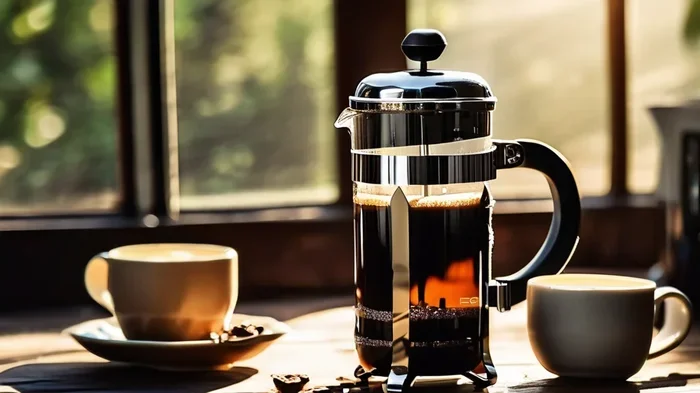
A French press is a simple device. It has a glass or stainless steel carafe, a plunger, and a metal filter at the bottom. You add coarse ground coffee to the carafe, pour in hot water, let it sit for about four minutes, and then press the plunger down. That is it. No electricity, no paper filters, no complicated setup.
The coffee extraction process in a French press is different from almost every other method. Because the grounds stay submerged in water the whole time, the coffee has more contact with the hot liquid. This longer steeping time pulls out more oils, more flavor compounds, and more of what coffee lovers call the “body” of the drink.
The metal filter in a French press does not block as many fine particles as a paper coffee filter would. This means more of the natural oils from the coffee bean grind size stay in your cup. Those oils are a big part of why French press coffee tastes so different from a cup made with a drip machine.
Why the French Press Stands Out
One of the main reasons people love the French press is its simplicity. You do not need a special espresso machine or a precise electric kettle. You just need hot water, grounds, and about four minutes of patience. This makes it a favorite for travelers, office workers, and anyone who wants a great cup of coffee without fuss.
The coffee flavor profile of a French press is also hard to beat. Because the oils stay in the cup, you taste more of the natural characteristics of the beans. A light roast will taste bright and fruity. A dark roast will taste smoky and deep. The French press lets the beans really shine through in a way that paper-filtered methods simply cannot match.
The Coffee-to-Water Ratio: French Press vs Other Methods
Understanding the Ratios
Every brewing method has a recommended coffee grounds ratio. For a French press, the standard ratio is about one gram of coffee for every 15 milliliters of water. In practical terms, that is roughly two tablespoons of coarse grounds for every six ounces of water. Compare that to a drip coffee maker, which typically uses one gram per 18 milliliters of water, and you can already see the difference.
Here is a quick look at how the ratios stack up across popular methods:
- French Press: 1 gram of coffee per 15 milliliters of water (roughly 2 tablespoons per 6 oz)
- Drip Coffee Maker: 1 gram per 18 milliliters (roughly 1 tablespoon per 6 oz)
- Espresso Machine: 1 gram per 2 milliliters of water (very concentrated, small servings)
- Pour Over: 1 gram per 16 milliliters (somewhere in the middle)
- AeroPress: 1 gram per 13 milliliters (similar to French press but with a paper filter)
As you can see, the French press uses more coffee per serving than drip or pour over methods. The espresso machine uses the least water but produces a very small, concentrated shot. The brewing method comparison clearly shows that immersion methods like the French press demand a heavier hand with the grounds.
Why Does the Ratio Matter?
The ratio is not just a random number. It is based on how water interacts with coffee grounds during brewing time. In a French press, the water and grounds are together for the full steeping period, usually three to four minutes. This long contact time means the water can extract a lot of flavor, even with a higher coffee-to-water ratio.
If you used the same amount of coffee in a French press as you would for drip coffee, your cup would taste weak and watery. The immersion brewing process needs more grounds because the water is not constantly flowing through fresh coffee. Instead, it is sitting with the same batch of grounds the whole time, gradually pulling out flavor.
On the flip side, if you used too much coffee in a French press, the drink can turn bitter and overpowering. Finding the sweet spot is all about experimenting with your coffee scoop measurements and paying attention to how the final cup tastes.
Does French Press Really Use More Coffee?
The Short Answer Is Yes
Does French press use more coffee than other methods? The answer is a clear yes. A standard French press brew uses about 15 to 20 percent more coffee grounds than a drip coffee maker for the same size cup. This is because of the coffee to water ratio and the way immersion brewing works.
But here is the thing. When people ask this question, they are usually really asking, “Is it worth it?” And the answer depends on what you value in a cup of coffee. If you love bold, rich, full-bodied coffee with lots of natural oils and flavor, then yes, the extra coffee is absolutely worth it.
If you prefer a lighter, cleaner cup and want to stretch your coffee beans further, a drip machine or pour over method might be a better fit. Each method has its trade-offs, and understanding those trade-offs is the key to making the perfect cup every time.
Does More Coffee Mean More Caffeine?
This is a great question, and the answer might surprise you. While a French press does use more coffee grounds, the caffeine content of the final cup depends on several factors. The brewing time, the water temperature, and the coffee bean grind size all play a role.
Because a French press steeps the coffee for a longer time, it does extract more caffeine from the grounds. However, espresso uses even more coffee per ounce but serves a much smaller portion. A standard cup of French press coffee usually has around 80 to 100 milligrams of caffeine, while a drip coffee cup has about 95 to 200 milligrams depending on the size.
So if you are chasing a caffeine boost, the French press is a solid choice but not the strongest option out there. It gives you a steady, smooth energy lift without the jitters that sometimes come from highly concentrated methods.
The Cost of Using More Coffee
Let us talk numbers for a moment. If you drink two cups of French press coffee every day, you will go through more grounds each week than someone who uses a drip machine. Over a month, that can add up. A bag of quality whole beans might last you two weeks in a French press but three or four weeks in a drip coffee maker.
That said, many French press fans feel the extra cost is justified. The richer flavor, the satisfying ritual of pressing the plunger, and the lack of paper filters all add value. Plus, a good French press coffee maker is an affordable piece of equipment that lasts for years. You do not need expensive pods or replacement parts.
If you are trying to save money on coffee, you can adjust the ratio slightly. Using a bit less coffee still produces a flavorful cup. Just be careful not to go too low, or you will end up with weak, under-extracted coffee that tastes sour and flat.
Comparing Coffee Strength Across Brewing Methods
What Makes Coffee Taste Strong?
When we talk about coffee strength, we are really talking about two things. The first is the concentration of coffee solids in the water. The second is the intensity of flavor. A French press scores high on both fronts, which is why it feels so bold and satisfying.
The metal filter in a French press lets through more suspended particles than a paper filter. These tiny bits of coffee add to the body and texture of the drink. They also carry a lot of the flavor. This is why French press coffee often feels “heavier” or “thicker” in your mouth compared to drip coffee.
In contrast, a drip coffee maker with a paper coffee filter produces a cleaner, brighter cup. The filter catches most of the oils and fine particles, leaving behind a lighter, more delicate flavor. Neither method is better than the other. They are just different, and different people prefer different things.
A Side-by-Side Comparison
Here is a closer look at how the main brewing methods compare when it comes to coffee usage and flavor:
- French Press: Uses more coffee, full body, rich oils, bold flavor, four-minute steeping time
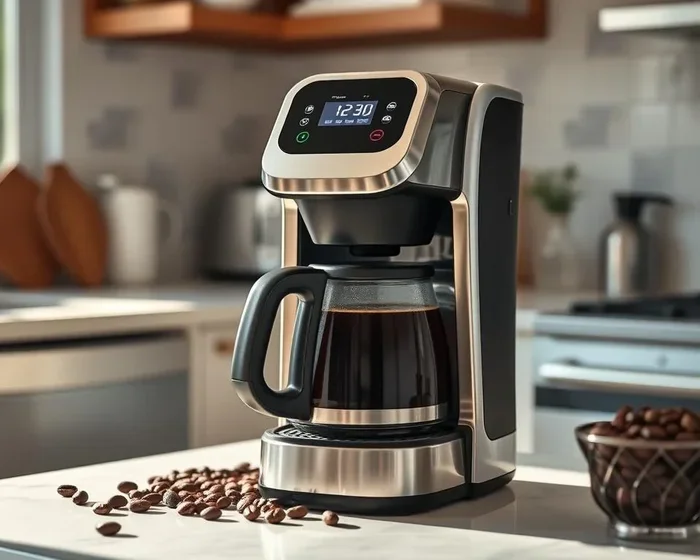
- Drip Coffee Maker: Uses less coffee, clean cup, lighter body, paper filter removes oils, five-minute brew cycle
- Pour Over: Uses moderate coffee, clean but flavorful, medium body, requires patience and technique
- Espresso Machine: Uses the most coffee per ounce, very concentrated, small servings, creamy crema on top
- AeroPress: Uses moderate coffee, clean and bright, fast brewing time, versatile and portable
Each of these methods has its own charm. The French press wins for people who want a rustic, full-flavored cup with minimal equipment. The drip machine wins for convenience and volume. The espresso machine wins for those who love concentrated, milky drinks like lattes and cappuccinos.
How Grind Size Affects Coffee Usage
The coffee bean grind size you choose has a huge impact on how much coffee you need. For a French press, you need a coarse grind. The large particles slow down extraction and prevent the coffee from turning bitter. They also make it easier for the metal filter to separate the grounds from the liquid when you press the plunger.
If you use a fine grind in a French press, the coffee will over-extract quickly and taste harsh. The fine particles will also slip through the metal filter, giving your cup a gritty texture. This is one of the most common mistakes people make when they switch to French press brewing.
On the other hand, using too coarse a grind means the water passes through without extracting enough flavor. The result is a weak, sour cup that does not taste like coffee at all. Finding the right coffee bean grind size is one of the most important skills in any brewing method comparison.
Tips for Getting the Most Out of Your French Press
Use Fresh, Quality Beans
The better your beans, the better your coffee will be. Buy whole beans and grind them just before brewing. This preserves the oils and aromas that make French press coffee so special. Look for beans that were roasted within the last two to four weeks for the best coffee flavor profile.
Heat Your Water Properly
Boiling water can scorch coffee grounds and create a bitter taste. The ideal temperature for French press brewing is between 195 and 205 degrees Fahrenheit. If you do not have a thermometer, just bring your water to a boil and then let it sit for 30 seconds before pouring it over the grounds.
Preheat Your French Press
Before you add any coffee or water, pour hot water into the empty French press and let it sit for a minute. This warms up the glass or stainless steel and helps maintain a steady temperature during steeping. It is a small step that makes a big difference in the final cup.
Clean Your French Press Regularly
Coffee oils build up over time and can turn rancid, affecting the taste of your next brew. Disassemble the plunger and filter assembly after each use, rinse everything thoroughly, and wash the carafe with warm, soapy water. If you are dealing with stubborn stains on other kitchen equipment, you might wonder if you can use Easy Off on oven racks, but for your French press, warm water and mild soap is all you need.
Just like maintaining your Breville Smart Oven Air Fryer for consistent cooking results, keeping your French press clean ensures every cup tastes fresh and delicious. A well-maintained French press can last for years and continue producing excellent coffee.
Experiment With Ratios and Steeping Times
Do not be afraid to adjust the coffee grounds ratio and the steeping time until you find your perfect cup. Some people prefer a three-minute steep for a lighter flavor. Others like to go five minutes for something bolder. The same goes for the amount of coffee. Start with the standard ratio and then tweak it based on your personal taste.
Keep a simple notebook of your experiments. Write down how much coffee you used, how much water, the steeping time, and how the final cup tasted. Over time, you will develop a personalized recipe that gives you the best possible French press brewing experience.
Common Mistakes People Make with French Press Coffee
Using the Wrong Grind Size
This is the number one mistake. Using pre-ground coffee from a supermarket is convenient, but that coffee is usually ground for drip machines, not French presses. The fine particles clog the filter and create a gritty, bitter cup. Always grind your beans coarse for the best results.
Over-Steeping the Coffee
Leaving the coffee in the French press for too long pulls out unpleasant flavors. After four minutes, the extraction goes into overdrive and starts pulling out bitter compounds. If you are not going to drink your coffee right away, pour it into a separate mug or carafe to stop the brewing process.
Using Too Much Water
Some people fill the French press to the brim and then wonder why their coffee tastes weak. The ratio matters. Stick to the recommended coffee to water ratio and do not be tempted to add extra water just to make more coffee. The flavor will suffer.
Skipping the Preheating Step
A cold French press can drop the water temperature too quickly, leading to uneven extraction. Taking 30 seconds to preheat the carafe is a small effort that pays off in a more consistent and flavorful cup.
Ignoring the Build-Up of Oils
Over time, coffee oils accumulate inside the French press and on the plunger assembly. This build-up can go rancid and taint the taste of your next brew. Deep cleaning your French press once a week with warm water and a little baking soda keeps everything fresh and prevents off-flavors.
Is the French Press Right for You?
If you love bold, rich coffee and do not mind using a few extra grams of grounds each morning, the French press is a wonderful choice. It gives you full control over the brewing process, produces a satisfying cup every time, and requires very little equipment. The extra coffee you use is the price of that incredible flavor.
On the other hand, if you prefer a lighter, cleaner cup or want to conserve your coffee grounds, a drip machine or pour over setup might suit you better. There is no single best method. The best method is the one that fits your taste, your routine, and your budget.
Some people like to keep multiple brewing tools in their kitchen. They use the French press on weekends when they have more time, and the drip machine on busy weekday mornings. There is no rule that says you can only have one method. In fact, exploring different options is one of the joys of being a coffee lover.
Whether you are sipping a French press at home or wondering about other kitchen gadgets like whether parmesan cheese melts in the oven while you prepare a breakfast spread, the kitchen is a place of experimentation and joy. Embrace the process, learn from each cup, and enjoy every sip along the way.
Conclusion
Does French press use more coffee than other methods? Yes, it does. But that extra coffee is the secret behind the rich, bold, and satisfying cup that millions of people love. The French press coffee maker uses a higher coffee grounds ratio and a longer steeping time to pull out more flavor, more oils, and more of the natural character of the beans.
The coffee to water ratio is higher, the grind must be coarse, and the steeping time is longer than most other methods. All of these factors combine to create a unique coffee flavor profile that is hard to replicate with any other brewer. Yes, you will go through more grounds, but the payoff in flavor and satisfaction is well worth it.
If you are new to French press brewing, start with the standard ratio, use fresh coarse grounds, and pay attention to steeping time. Once you get the hang of it, you will never go back to a weaker cup. The French press is more than just a coffee maker. It is a simple, elegant way to enjoy one of life’s greatest pleasures.
So go ahead, measure out that extra scoop of coffee, heat your water to the right temperature, and give your French press the time and attention it deserves. Your morning cup will thank you for it.
Frequently Asked Questions
How much more coffee does a French press use compared to drip coffee?
A French press typically uses about 15 to 20 percent more coffee grounds than a standard drip coffee maker for the same serving size. This is because the coffee to water ratio for a French press is higher, and the immersion brewing process requires more grounds to achieve the right coffee strength and flavor extraction.
Can I use regular ground coffee in a French press?
You should not use regular pre-ground coffee in a French press. Most store-bought ground coffee is ground too finely for immersion brewing. The fine particles slip through the metal filter and create a gritty, bitter cup. Always use a coarse ground coffee that is specifically suited for French press brewing.
Does French press coffee have more caffeine than drip coffee?
Not necessarily. While a French press uses more coffee grounds, the caffeine content of the final cup depends on many factors including brewing time, water temperature, and serving size. A standard cup of French press coffee usually has around 80 to 100 milligrams of caffeine, which is comparable to a typical cup of drip coffee.
How do I clean my French press properly?
After each use, disassemble the plunger and filter, rinse all parts with warm water, and wash the carafe with mild soap. For deep cleaning, use warm water and a small amount of baking soda to remove built-up coffee oils. Regular cleaning keeps your French press coffee maker tasting fresh and prevents rancid flavors from developing.
Is a French press better for the environment than other methods?
In many ways, yes. A French press does not require paper filters, electricity, or disposable pods. You just use hot water, grounds, and the press itself. This makes it one of the most eco-friendly brewing method comparison options available. Just be sure to compost your used coffee grounds instead of throwing them in the trash.
What is the best type of coffee bean for a French press?
Medium to dark roast beans work best in a French press because they produce a fuller body and richer flavor. However, light roasts can also work well if you enjoy brighter, more complex coffee flavor profiles. The key is to use fresh, quality beans and grind them coarse right before brewing for the best results.