How To Brew Perfect French Press Coffee Every Time
Brewing the perfect cup of French press coffee is easier than you think. This guide walks you through everything you need to know about the coffee brewing process, from choosing the right coffee grounds to mastering the steeping time. You will learn the ideal coffee ratio, water temperature, and expert tips that guarantee rich, bold flavor every single time you use your coffee press.
There is something magical about a morning cup of French press coffee. The rich aroma, the full body, and the bold flavor make it a favorite among coffee lovers everywhere. Unlike drip coffee makers or pod machines, a coffee press gives you complete control over every step of the brewing process.
If you have been struggling to get the perfect cup at home, you are in the right place. This guide covers everything from choosing the right coffee grounds to nailing the water temperature and steeping time. By the end, you will know exactly how to brew French press coffee that rivals your favorite café.
The beauty of immersion brewing is its simplicity. You do not need expensive equipment or complicated techniques. Just good coffee beans, hot water, a quality press, and a little patience. Let us dive in and make your morning morning coffee routine something to look forward to every single day.
Key Takeaways
- Use the right ratio: A 1:15 coffee-to-water ratio is the sweet spot for a balanced cup of French press coffee.
- Grind size matters: Always use a coarse grind to prevent over-extraction and muddy coffee taste.
- Water temperature is critical: Heat water to 195-205°F for optimal extraction and full flavor.
- Steeping time makes or breaks your brew: Four minutes is the standard, but you can adjust to your preference.
- Clean your equipment properly: Regular cleaning keeps your coffee press performing at its best.
- Experiment and enjoy: Once you master the basics, tweak variables to find your perfect cup.
📑 Table of Contents
- What Is French Press Coffee and Why It Matters
- What You Need to Brew French Press Coffee
- The Perfect French Press Coffee Ratio
- Step-by-Step Brewing Process
- Common Mistakes That Ruin French Press Coffee
- Expert Tips for the Best French Press Coffee
- Comparing French Press Coffee to Other Brewing Methods
- Conclusion
What Is French Press Coffee and Why It Matters
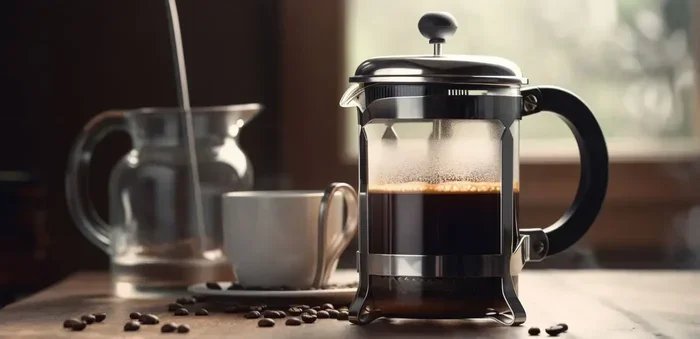
French press coffee is a brewing method that uses full immersion to extract flavor from coffee grounds. The process is straightforward: coarsely ground coffee meets hot water, steeps together, and then a plunger with a built-in coffee filter separates the grounds from the liquid. What you are left with is a rich, full-bodied cup that drip machines simply cannot match.
This method has been around for centuries, and for good reason. It preserves the natural oils and flavors that paper filters in drip machines strip away. The result is a bold coffee experience with a heavier mouthfeel and more complex coffee taste. Many coffee enthusiasts consider immersion brewing to be the purest way to enjoy a great cup.
What makes French press coffee special is the control it gives you. You decide the grind size, the ratio, the steeping time, and the water temperature. Every variable shapes the final cup. Once you understand these basics, you can consistently brew a perfect mug that suits your personal preference.
The Science Behind Immersion Brewing
When hot water touches coffee grounds, extraction begins immediately. Solubles like oils, acids, and sugars dissolve into the water, creating the flavors and aromas you love. In a coffee press, the grounds stay submerged the entire time, which means extraction happens evenly across all the coffee.
This is different from espresso machines, which use pressure to force water through finely ground coffee. Both methods produce excellent results, but they taste very different. If you want to explore how how to make espresso using a coffee maker compares, you will find that espresso delivers a more concentrated shot, while a press gives you a larger, more balanced cup.
The key to great French press coffee is balancing extraction. Under-extracted coffee tastes sour and weak. Over-extracted coffee tastes bitter and harsh. Getting the sweet spot means paying attention to grind size, water temperature, and time.
What You Need to Brew French Press Coffee
Before you start, make sure you have everything ready. The good news is that you do not need much. A few simple tools are all it takes to make excellent French press coffee at home.
Essential Equipment
- A French press: Choose one that fits your needs. Glass presses look beautiful and retain heat well. Stainless steel presses are durable and keep coffee hot longer. Both work great for immersion brewing.
- A burr grinder: Grinding your own coffee beans right before brewing makes a huge difference. A burr grinder gives you a consistent coarse grind, which is essential for the press method.
- Hot water: You do not need a fancy kettle, but a gooseneck kettle gives you better control over pouring. This helps distribute water evenly over the grounds.
- A timer: Your phone timer works perfectly. Tracking steeping time is one of the most important steps in the brewing process.
- A good scale: Measuring your coffee grounds and water by weight ensures consistency every time. Volume measurements can be inaccurate.
Choosing the Right Coffee Beans
Freshly roasted coffee beans are the foundation of great French press coffee. Look for beans roasted within the past two to four weeks. Whole beans retain their flavor much longer than pre-ground coffee. Store them in an airtight container away from light and heat.
Medium to dark roasts work wonderfully in a press. They bring out chocolatey, nutty, and caramel notes that complement the full body of immersion brewing. However, light roasts can also shine if you prefer a brighter, more acidic coffee taste. Experiment with different roasts to discover what you enjoy most.
The Perfect French Press Coffee Ratio
Getting the coffee ratio right is the single most important step. Too much coffee and your cup will be overpowering. Too little and it will taste weak and watery. The coffee ratio determines the coffee strength and overall balance of your brew.
The Golden Ratio for French Press
The standard starting point is a 1:15 ratio. This means one part coffee grounds to fifteen parts water. For example:
- 15 grams of coffee to 225 milliliters of water
- 30 grams of coffee to 450 milliliters of water
- 50 grams of coffee to 750 milliliters of water
This ratio produces a well-balanced cup with a smooth rich flavor and pleasant body. Most coffee presses come with markings or guidelines, but using a scale is always more accurate.
If you prefer a stronger cup, try a 1:14 ratio. For a lighter, more delicate taste, go with 1:16. The beauty of making French press coffee at home is that you can adjust the coffee ratio until it matches your exact preference.
Quick Tips for Perfect Ratio
- Always weigh your coffee and water for consistency
- Start with the 1:15 ratio and adjust from there
- Write down your ratios so you can replicate your favorite cup
- Use room-temperature water first, then heat it to the right temperature
Step-by-Step Brewing Process
Now that you have your equipment, beans, and ratio ready, it is time to brew. Follow these steps carefully and you will be rewarded with a stunning cup of French press coffee.
Step One: Heat Your Water
Heat your water to between 195°F and 205°F. This is just below boiling. Water that is too hot will over-extract the coffee and create bitterness. Water that is too cool will under-extract and leave you with a flat, sour taste.
If you do not have a thermometer, bring your water to a boil and then let it sit for about 30 seconds. This brings it right into the ideal range for coffee brewing. The water temperature directly affects how many solubles are extracted from your coffee grounds.
Step Two: Grind Your Coffee
While the water is heating, grind your beans to a coarse consistency. Think of the texture of sea salt. A coarse grind is essential because it prevents fine particles from passing through the coffee filter in the press.
Grind just before brewing for the freshest possible results. Pre-ground coffee loses its flavor quickly. If you must use pre-ground, store it in a sealed bag and use it within a few days of opening.
Step Three: Add Grounds and Start the Timer
Place your coffee grounds into the empty press. Pour a small amount of hot water over the grounds first, just enough to saturate them. Wait about 30 seconds. This step is called the bloom. It allows the coffee to release carbon dioxide, which improves extraction.
After the bloom, pour the remaining water slowly and evenly. Place the lid on the press with the plunger pulled up. Start your timer immediately.
Step Four: Steep for the Right Amount of Time
The standard steeping time for French press coffee is four minutes. This gives the water enough time to extract the full range of flavors without overdoing it.
At the four-minute mark, press the plunger down slowly and steadily. Apply even pressure. If you press too fast, you might disturb the grounds and cloud your coffee. If you press too slowly, the coffee may over-steep and turn bitter.
Once the plunger is down, pour the coffee into your mug or serving carafe right away. Leaving the coffee sitting in the press will continue to extract flavors, which can make it taste harsh and overdeveloped.
Step Five: Serve and Enjoy
Pour your freshly brewed French press coffee into a warm mug. If you like, add a splash of milk, cream, or your favorite sweetener. Some people prefer their press coffee black to fully appreciate the complex coffee taste and natural oils.
Pairing your morning brew with something warm and freshly prepared makes the experience even better. If you enjoy a breakfast spread, try learning how to heat dinner rolls in the oven for a warm, buttery side that complements your rich cup perfectly.
For a heartier morning meal, you could also explore how to cook bacon and sausage in the oven while your coffee is brewing. The combination of crispy, savory breakfast meat and a bold cup of press coffee is hard to beat.
Common Mistakes That Ruin French Press Coffee
Even experienced coffee lovers sometimes make mistakes that affect the quality of their brew. Knowing what to avoid will save you from disappointing cups and wasted coffee grounds.
Using the Wrong Grind Size
This is the most common error. A fine grind will slip through the filter and leave your coffee gritty and muddy. It also increases the surface area, leading to over-extraction and bitterness. Always stick with a coarse grind for the best results.
Ignoring Water Temperature
Boiling water is too hot for French press coffee. It scorches the grounds and extracts unpleasant flavors. Let your water cool slightly after boiling before pouring it over the coffee. The ideal water temperature range is 195°F to 205°F.
Skipping the Bloom
The bloom phase is not optional. It allows trapped gases in freshly roasted beans to escape, which leads to more even extraction. Skipping this step can result in uneven coffee strength and a less flavorful cup.
Leaving Coffee in the Press
Once you press, pour the coffee out immediately. The grounds will continue to steep, and the coffee taste will turn bitter and harsh. Do not leave leftover French press coffee sitting in the press for later.
Using Stale Beans
Old, stale coffee beans produce flat, lifeless coffee. Always check the roast date and buy beans in quantities you will use within a few weeks. Store them properly in a cool, dark place.
Expert Tips for the Best French Press Coffee
Once you have the basics down, these expert tips will take your French press coffee to the next level. Small adjustments can make a big difference in flavor, aroma, and overall enjoyment.
Preheat Your Press
Before you add any coffee or water, rinse your press with hot water. This warms the glass or stainless steel and helps maintain a stable water temperature during the steeping process. A cold press can drop the temperature too quickly, leading to under-extraction.
Use Filtered Water
The water you use makes up over 98 percent of your cup. Using filtered water removes chlorine and other impurities that can negatively affect the coffee taste. Good water lets the natural flavors of the coffee beans shine through.
Experiment with Brew Times
Four minutes is the standard, but feel free to experiment. Try steeping for three minutes for a lighter, brighter cup. Or go to five minutes for a deeper, more intense bold coffee experience. Keep track of what works best for your palate.
Double Filter for Clarity
If you do not like the slightly oily mouthfeel of traditional press coffee, try using a second coffee filter when pouring. This catches extra fine particles and produces a cleaner, clearer cup. Some coffee lovers prefer this method for a smoother drinking experience.
Clean Your Press After Every Use
Residual oils and grounds build up inside the press over time and can go rancid. Disassemble the plunger and wash all parts with warm, soapy water after each use. A clean press ensures that every cup tastes fresh and free of off-flavors.
Expert Insight
Many professional baristas recommend grinding your beans in two batches: half at the start and half halfway through the steep. This creates a layered extraction where some grounds release flavor early and others release it later. The result is a more complex and balanced coffee strength profile. Try this technique next time you make French press coffee and see if you notice the difference.
Comparing French Press Coffee to Other Brewing Methods
There are many ways to brew coffee, and each method brings something unique to the table. Understanding how French press coffee compares to other popular methods helps you appreciate what makes it special.
| Feature | French Press | Drip Coffee | Espresso |
|---|---|---|---|
| Brewing Method | Immersion | Percolation | Pressure |
| Grind Size | Coarse | Medium | Fine |
| Brew Time | 4 minutes | 5-10 minutes | 25-30 seconds |
| Body | Full and rich | Light to medium | Thick and creamy |
| Oil Retention | High | Low (paper filter) | Medium |
| Control Level | High | Low | Medium |
| Best For | Bold, full-flavored coffee | Everyday convenience | Concentrated shots |
As you can see, French press coffee offers a unique combination of full body, rich flavor, and high control. It is not the fastest method, but the results are well worth the wait. If you value quality and flavor over speed, the press is hard to beat.
Compared to drip coffee, a press gives you a much fuller experience because the mesh filter allows natural oils to pass through. Compared to espresso, the press produces a larger serving with a more balanced flavor profile. Each method has its place, but for a satisfying, immersive coffee brewing experience, nothing quite matches the French press.
Conclusion
Brewing French press coffee at home does not have to be complicated. With the right coffee ratio, proper water temperature, a coarse grind size, and the correct steeping time, you can consistently produce cups that taste amazing. The process is simple, rewarding, and endlessly customizable.
Start with the basics outlined in this guide. Master the 1:15 ratio, the four-minute steep, and the 195-205°F water range. Once these feel second nature, start experimenting. Try different roasts, adjust your ratios, and explore new coffee grounds from different regions.
The journey to the perfect cup of French press coffee is one of the most enjoyable parts of being a coffee lover. Every brew teaches you something new about your taste preferences and the craft of coffee brewing. So grab your press, measure out your coffee beans, and start brewing today. Your perfect cup is waiting.
Frequently Asked Questions
What is the best grind size for French press coffee?
A coarse grind is essential for French press coffee. It should resemble sea salt in texture. A coarse grind size prevents fine particles from passing through the mesh filter and ensures a clean, smooth cup without grittiness.
How long should I steep French press coffee?
The standard steeping time is four minutes. This allows for optimal extraction of flavors and oils from the coffee grounds. You can adjust between three and five minutes depending on whether you prefer a lighter or bolder coffee taste.
Can I reuse coffee grounds in a French press?
Technically yes, but the second brew will be significantly weaker and less flavorful. The coffee grounds have already released most of their solubles during the first steep. For the best rich flavor, always use fresh grounds for each brew.
Why is my French press coffee bitter?
Bitterness usually comes from over-extraction, which happens when the water temperature is too high, the steeping time is too long, or the grind is too fine. Lower the temperature slightly, reduce the steeping time, or use a coarser grind size to fix this issue.
How do I clean my French press properly?
Disassemble the plunger and wash all parts with warm, soapy water after each use. Rinse the coffee filter thoroughly to remove any trapped grounds. Regular cleaning prevents oil buildup and keeps your French press coffee tasting fresh every time.
Can I make iced French press coffee?
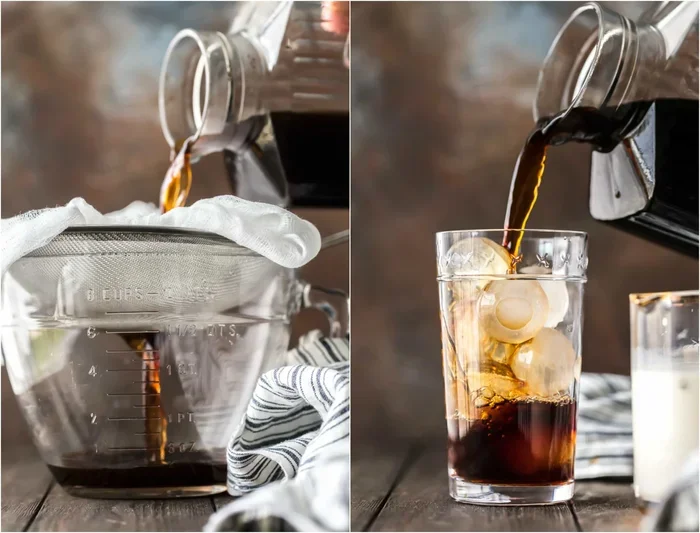
Absolutely. Brew your French press coffee as usual, then let it cool to room temperature before pouring it over ice. You can also brew with cold water and steep for 12-16 hours in the fridge for a smooth, refreshing cold brew version of immersion brewing.