Does Grinding Your Own Coffee Really Make A Difference
Yes, grinding your own coffee makes a significant difference in flavor, aroma, and freshness. Whole bean coffee stays fresher longer, and grinding just before brewing unlocks richer, more complex flavors that pre-ground coffee simply can’t match. Whether you use a blade grinder or a burr grinder, the act of grinding right before brewing transforms your daily cup.
You have probably stood in the coffee aisle wondering if those bags of pre-ground coffee are really as good as the whole bean stuff sitting next to them. The short answer is yes. Grinding your own coffee makes a real difference in how your morning cup tastes, smells, and feels. But how big of a difference are we talking about? And is it worth the extra effort?
In this guide, we will break down everything you need to know about grinding your own coffee. We will look at why freshness matters, how grind size affects your brew, and which type of grinder you should buy. By the end, you will know exactly whether home grinding is right for you.
Coffee is one of the most consumed beverages on the planet. Millions of people start their day with a cup. But not all coffee is created equal. The journey from bean to cup involves many steps, and grinding is one of the most important ones. When you grind your own beans, you take control of a step that most people overlook entirely.
The difference between pre-ground and freshly ground coffee comes down to chemistry. Coffee beans contain hundreds of aromatic compounds that give coffee its complex flavor profile. Once you grind the beans, these compounds start to evaporate and oxidize. This process happens fast. Within minutes of grinding, your coffee begins to lose the very flavors that make it special.
Key Takeaways
- Freshness Factor: Ground coffee starts losing flavor within minutes of grinding, so grinding at home keeps your coffee tasting its best.
- Grind Size Matters: Different brew methods need different grind sizes, and home grinding lets you control this perfectly.
- Burr vs Blade: Burr grinders produce consistent grounds for better extraction, while blade grinders are more affordable but less precise.
- Cost Savings: Buying whole beans and grinding at home is often cheaper and gives you more control over your coffee budget.
- Richer Aroma: Freshly ground coffee releases more aromatic oils, creating a more enjoyable sensory experience.
- Better Extraction: Even grind size leads to balanced extraction, meaning no more bitter or sour cups of coffee.
📑 Table of Contents
Why Freshness Matters So Much
Freshness is the single biggest reason to grind your own coffee. When a bag of pre-ground coffee sits on a store shelf, it has already been exposed to air, light, and moisture for days or even weeks. By the time you brew it at home, much of the original flavor has faded.
Whole bean coffee stays fresh for weeks when stored properly. The protective outer shell of the bean keeps the aromatic oils locked inside. Once you break that shell by grinding, those oils start to escape. This is why your kitchen smells amazing when you grind beans right before brewing.
The Science of Coffee Freshness
Coffee scientists call the process of flavor loss “degassing.” After roasting, coffee beans release carbon dioxide. This gas carries aromatic compounds with it. Pre-ground coffee loses this gas quickly, especially if the package is not sealed well. Freshly ground coffee retains far more of these compounds, which translates directly into a richer, more vibrant cup.
Think of it like a freshly baked loaf of bread. A whole loaf stays fresh for days. Once you slice it, the pieces go stale much faster. Coffee works the same way. The whole bean is the sealed loaf. The grounds are the sliced pieces.
If you have ever wondered why your morning coffee sometimes tastes flat or dull, the grind date might be the culprit. Buying whole beans and grinding them at home solves this problem completely.
How Grind Size Affects Your Brew
Not all coffee needs the same grind size. This is one of the most important things to understand about home grinding. The size of your coffee grounds directly affects how water extracts flavor from them. Too fine, and your coffee becomes bitter. Too coarse, and it turns out weak and sour.
Different brewing methods call for different grind sizes. Here is a simple breakdown:
- Coarse grind: Best for French press and cold brew. The grounds look like sea salt.
- Medium grind: Perfect for drip coffee makers and pour-over methods. Think of the texture of sand.
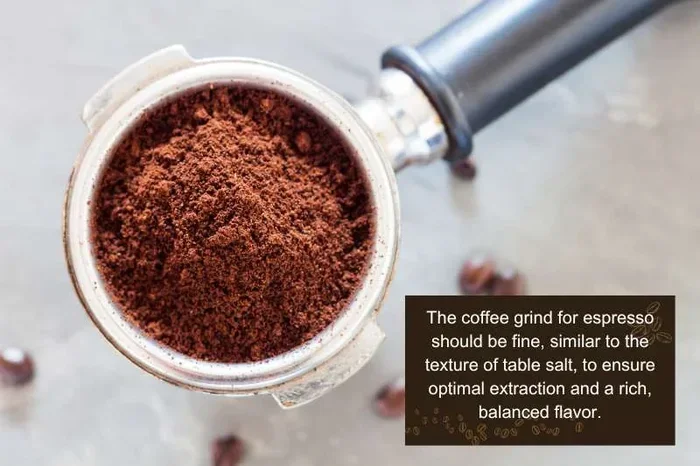
- Fine grind: Ideal for espresso and moka pots. The texture is similar to table salt.
- Extra fine grind: Used for Turkish coffee. It feels like powdered sugar.
When you buy pre-ground coffee, you get stuck with whatever grind size the manufacturer chose. More than likely, it is a medium grind designed to work with most drip machines. But what if you want to use a French press or make espresso? Pre-ground coffee simply cannot give you the flexibility that grinding your own coffee does.
Getting the grind size right changes everything about your cup. It affects brew time, extraction rate, and overall flavor balance. Even a small adjustment in grind size can turn a mediocre cup into an excellent one.
Matching Grind Size to Your Brew Method
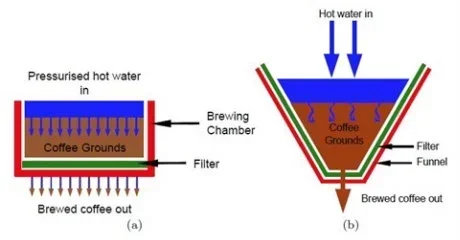
If you are using a coffee maker for espresso, you need a fine, consistent grind. This is where a quality grinder really pays off. Espresso machines force hot water through the grounds at high pressure. If the grind is uneven, some parts will be over-extracted and some under-extracted. The result is a cup that tastes both bitter and sour at the same time.
For pour-over methods like a Hario V60 or Chemex, a medium grind works best. The water flows through the grounds slowly, so you need particles that allow proper extraction without clogging. A burr grinder gives you the consistency needed for these methods.
French press users need a coarse grind because the coffee steeps in water for several minutes. Fine grounds in a French press create a muddy, gritty cup that nobody enjoys. Having a grinder that can produce a consistent coarse size makes a world of difference.
Burr Grinders vs Blade Grinders
Not all coffee grinders are created equal. The two main types are burr grinders and blade grinders. They work in completely different ways, and the results they produce are vastly different.
Burr Grinders
A burr grinder uses two rotating surfaces (burrs) that crush the beans between them. The distance between the burrs determines the grind size. This mechanism produces particles that are very uniform in size. Consistent grind size is the key to even extraction and a balanced cup of coffee.
Burr grinders come in two varieties: manual and electric. Manual burr grinders are compact and portable. They work well for travel or for people who enjoy the ritual of grinding by hand. Electric burr grinders are faster and more convenient for daily use.
Most coffee experts agree that burr grinders produce the best results. If you are serious about coffee quality, a burr grinder is the way to go. The price range is wide, so you can find a good one no matter your budget.
Blade Grinders
A blade grinder uses a spinning blade to chop the beans into pieces. Think of it like a blender for coffee. The problem is that blade grinders produce uneven grounds. Some particles are fine dust while others are large chunks. This inconsistency leads to uneven extraction and a less balanced flavor.
That said, blade grinders have their place. They are much cheaper than burr grinders and work well if you do not have high standards for grind consistency. A blade grinder is a decent starting point for someone who wants to try grinding at home without a big investment.
If you are using a coffee maker that has a built-in grinder, it is most likely a blade type. While convenient, these built-in grinders usually do not match the performance of a dedicated burr grinder.
Which Grinder Should You Choose?
Here is a quick comparison to help you decide:
- Burr grinder: More expensive but produces consistent, high-quality grounds. Best for serious coffee lovers.
- Blade grinder: Affordable and compact. Good for beginners or casual coffee drinkers.
- Built-in grinder: Convenient but usually less consistent. Found in many drip coffee makers and some espresso machines.
If you care about taste and want the best possible cup, invest in a burr grinder. Your coffee will thank you. You can also check out who makes Cuisinart coffee makers if you are looking for quality equipment with built-in grinding options.
The Taste Difference: Fresh vs Pre-Ground
Now let us get to the heart of the matter. What does freshly ground coffee actually taste like compared to pre-ground? The difference is noticeable, especially if you have been drinking pre-ground coffee for a while.
Freshly ground coffee has a brighter, more complex flavor. The aromas are more vivid and layered. You will notice fruity, floral, or chocolatey notes that were missing before. The mouthfeel feels fuller and more satisfying. Pre-ground coffee often tastes flat by comparison, like the difference between a fresh apple and one that has been sitting on the counter for a week.
Some people say they cannot tell the difference. This is usually because they have never tried truly fresh coffee. If your only experience is with pre-ground from a grocery store, your palate has adapted to that level of quality. Try freshly ground beans for a week, and you may never go back.
Timing Your Grind for the Best Results
The ideal time to grind your coffee is right before brewing. Even a few minutes of waiting can make a difference. If you grind your beans and then wait 30 minutes to brew, you have already lost a significant amount of aroma and flavor.
Set up your grinder and your brewing equipment before you start. Measure your beans, grind them, and then immediately begin the brewing process. This workflow ensures you capture the maximum amount of flavor in every cup.
If you are making espresso, the timing is even more critical. Espresso extraction happens in seconds, so the coffee needs to be as fresh as possible. Many espresso enthusiasts grind their beans seconds before tamping them into the portafilter. This level of attention is what produces that perfect crema and balanced shot.
Does Grinding Your Own Coffee Save Money?
Another great reason to grind at home is the cost savings. Whole bean coffee is often cheaper per pound than pre-ground coffee. You are paying for the convenience of pre-ground, not for better quality. In fact, pre-ground coffee sometimes costs more because of the additional processing and packaging.
When you buy whole beans, you also waste less coffee. Pre-ground coffee loses its freshness quickly, and you may end up throwing away stale coffee. Whole beans stay fresh for weeks, so you use what you buy.
A good grinder is an investment, but it pays for itself quickly. A decent burr grinder costs between 30 and 100 dollars. If you drink coffee daily, the savings on whole beans versus pre-ground add up over time. Plus, you will drink less coffee overall because freshly ground coffee tastes so much better that you enjoy it more.
Buying Beans in Bulk
One of the best ways to save money is to buy whole beans in bulk. Many specialty coffee roasters sell beans in larger quantities at lower prices. Store them in an airtight container in a cool, dark place. Grind only what you need for each brew session.
This approach gives you the freshest possible coffee at the lowest possible cost. It is a win-win for your taste buds and your wallet.
Common Mistakes to Avoid
Even if you start grinding your own coffee, you can still make mistakes that ruin the experience. Here are some common pitfalls to watch out for.
- Grinding too much at once: Only grind what you will use immediately. Storing grounds in the fridge or freezer is not ideal because moisture affects flavor.
- Using the wrong grind size: Always match your grind size to your brew method. A quick online search can tell you the right size for any method.
- Not cleaning your grinder: Coffee oils build up inside grinders over time. Clean yours regularly to prevent stale flavors from contaminating fresh grounds.
- Skipping the beans: Not all beans are created equal. Buy quality beans from reputable roasters for the best results.
- Ignoring roast date: Even freshly ground coffee tastes best within a few weeks of the roast date. Check the bag for this information.
Avoiding these mistakes will help you get the most out of your home grinding routine. Small adjustments can lead to big improvements in your cup.
Final Thoughts
So does grinding your own coffee really make a difference? The answer is a resounding yes. From the moment the beans hit the grinder to the first sip of your fresh brew, the difference is clear. You get better flavor, richer aroma, more control over your brew, and even savings on your coffee budget.
You do not need to be a coffee expert to enjoy the benefits. A simple grinder and some quality whole beans are all you need to transform your daily coffee routine. Start small if you want. Try grinding just one cup at a time and see how it changes your experience.
Once you taste the difference, you will understand why so many coffee lovers make the switch. Grinding your own coffee is one of the easiest ways to upgrade your morning ritual without spending a lot of money or time. Your taste buds will notice the difference from day one.
If you are exploring coffee equipment and want to learn more about brewing methods, check out how to make espresso using a coffee maker for tips on getting the best results from your setup.
Frequently Asked Questions
Does grinding coffee at home really make it taste better?
Yes, it really does. Freshly ground coffee retains more aromatic compounds and oils than pre-ground coffee. These compounds are responsible for the complex flavors and rich aroma you taste in every sip. Most people notice a significant difference after just one cup of freshly ground coffee.
How long after grinding should you brew your coffee?
The best practice is to grind your beans right before brewing. Coffee grounds start losing freshness within minutes of grinding. If you must grind ahead of time, try to brew within 15 minutes for the best flavor results.
Can I use a blade grinder for espresso?
You can, but the results will not be ideal. Blade grinders produce uneven particle sizes, which leads to inconsistent extraction in espresso. For the best espresso, a burr grinder is strongly recommended because it creates the uniform fine grind that espresso requires.
Is whole bean coffee more expensive than pre-ground?
Actually, whole bean coffee is often cheaper per pound. You are paying a premium for the convenience of pre-ground coffee. Plus, whole beans last longer, so you waste less. A good grinder pays for itself quickly through savings and better-tasting coffee.
What is the best grind size for a French press?
A coarse grind works best for French press. The grounds should resemble sea salt in texture. Coarse grounds allow proper extraction during the long steeping time without slipping through the press filter and creating a gritty cup.
Do I need a special grinder for different coffee types?
No, you do not need a separate grinder for different coffee types. A single burr grinder with adjustable settings works for all types of coffee and all brew methods. Simply adjust the grind size based on whether you are making espresso, drip coffee, or French press.
=== CONCLUSION ===
Grinding your own coffee is one of the simplest and most effective ways to improve your daily coffee experience. The freshness, flavor, aroma, and control you gain are well worth the small investment in a good grinder. Whether you choose a burr grinder or start with a blade grinder, the difference in your cup will be unmistakable. Start grinding your own beans today and discover what great coffee really tastes like.