Who Makes Coffee Filters And What Brands You Should Know
Many companies manufacture coffee filters, from household names like Melitta and Mr. Coffee to specialty brands like Chemex and Kalita. Understanding who makes coffee filters helps you choose the right filter for your brewing method and taste preferences. This guide covers every major brand, material type, and compatibility so you can brew better coffee at home.
You might think all coffee filters are basically the same. They are round, they fit in your machine, and they hold the grounds while water passes through. But that is far from the truth. The world of coffee filters is surprisingly diverse. Different brands use different materials, shapes, and sizes. Each choice affects how your coffee tastes, how clean your machine stays, and even how much waste you produce.
So, who makes coffee filters? More companies than you probably realize. Some of the biggest names in home appliances also manufacture filters. Other brands have built entire reputations around their filter designs. And then there are the eco-conscious companies pushing reusable alternatives. Whether you brew with a drip machine, a pour-over setup, or an espresso maker, the right filter can genuinely change your cup.
In this guide, we will walk through every major brand, explain the different types of filters, and help you pick the best option for your setup. We will also cover common mistakes people make when choosing filters and share practical tips you can use right away. By the end, you will know exactly which coffee filters deserve a spot in your kitchen.
Key Takeaways
- Multiple Brands Make Coffee Filters: Companies like Melitta, Mr. Coffee, Chemex, and Kalita dominate the coffee filter market with different specialties.
- Material Matters: Paper, reusable metal, and cloth filters each affect the flavor and quality of your brew differently.
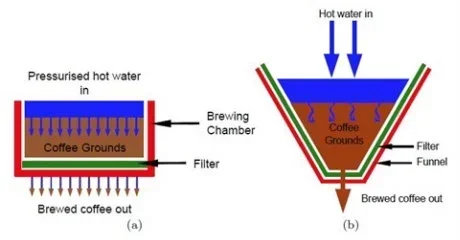
- Size and Shape Vary: Coffee filters come in cone, flat-bottom, and basket styles, and compatibility depends on your machine.
- Bleached vs. Unbleached: Both options have pros and cons for taste, environmental impact, and cost.
- Brand Compatibility Is Key: Always check that your filter matches your specific coffee maker model for the best results.
📑 Table of Contents
- The Major Brands That Make Coffee Filters
- Types of Coffee Filters: Paper, Metal, and Cloth
- How to Choose the Right Coffee Filter for Your Brewer
- Common Mistakes People Make With Coffee Filters
- Expert Tips for Getting the Most From Your Coffee Filters
- Comparison Table: Top Coffee Filter Brands at a Glance
- Final Thoughts: Finding the Best Coffee Filter for You
The Major Brands That Make Coffee Filters
Not all filter companies are created equal. Some have decades of experience. Others entered the market more recently with a specific focus on quality or sustainability. Here is a closer look at the brands that dominate the industry.
Melitta: The Original Coffee Filter Pioneer
When most people ask who makes coffee filters, the first name that comes up is Melitta. This German company invented the paper coffee filter back in 1908. Melitta Bentz discovered that pouring coffee through a piece of blotting paper inside a brass pot produced a much cleaner cup. From that simple idea, an entire industry was born.
Today, Melitta remains one of the most recognized names in the business. They make both disposable paper filters and reusable options. Their cone-shaped filters are a standard for many pour-over enthusiasts. Melitta also produces flat-bottom filters that work well in standard drip machines. The brand is known for consistent quality and thoughtful design. Their filters are typically bleached white, which means they have been processed to remove natural impurities. This reduces any papery taste that might affect your brew.
One thing that sets Melitta apart is their range of sizes. They make filters for everything from single-serve cups to large 12-cup machines. If you own a coffee machine and want a reliable, time-tested filter, Melitta is a safe bet.
Mr. Coffee: The Household Name
Mr. Coffee revolutionized home brewing in the 1970s. The brand became synonymous with drip coffee makers in American kitchens. Along with their machines, Mr. Coffee also manufactures the filters that go inside them. Their filters are designed specifically for Mr. Coffee brewers, though many fit other standard drip machines too.
Mr. Coffee filters are typically flat-bottom and basket-style. They are made from thick paper that resists tearing when wet. This is important because a torn filter can let grounds into your cup and make a mess. The brand offers both bleached and unbleached options. Their unbleached filters are a more natural choice and have a slightly different feel compared to the white ones.
One advantage of Mr. Coffee filters is their wide availability. You can find them in almost any grocery store or online. They are affordable and come in large packs, which makes them great for everyday use. If you want a simple, no-fuss option for your drip brewer, Mr. Coffee filters get the job done reliably.
Chemex: The Pour-Over Specialist
Chemex is a brand that built its reputation entirely around coffee brewing. The company was founded in 1941 by Peter Schlumbohm, a German chemist who wanted to create the perfect coffee-making experience. The result was the iconic Chemex glass coffeemaker, which uses its own uniquely designed filters.
Chemex filters are thicker than most standard paper filters. This thickness is intentional. It slows down the brewing process and produces a cleaner, brighter cup of coffee. Many coffee lovers swear by Chemex filters because they remove more oils and fine particles than thinner filters. The result is a cleaner coffee taste that lets the subtle flavors of the beans shine through.
These filters are also beautiful. They come in a distinctive hourglass shape that matches the Chemex glass carafe. The brand offers both bleached and unbleached versions. The unbleached Chemex filters have a natural, rustic look and a slightly earthy smell when first used. Many users recommend rinsing them with hot water before brewing to remove any paper taste.
Kalita: The Japanese Precision Brand
Kalita is a Japanese brand that has gained a loyal following among coffee enthusiasts worldwide. They are known for their precision engineering and attention to detail. Kalita makes both coffee makers and the filters that go with them.
Kalita filters are flat-bottom and round, with a distinctive design that promotes even extraction. The flat bottom allows water to spread evenly across the coffee grounds, which helps avoid over-extracting certain parts of the grounds. This leads to a balanced, smooth cup with less bitterness.
Kalita offers filters in different sizes to match their various coffee makers. Their filters are made from high-quality paper that is strong and reliable. The brand also produces some reusable metal filters for users who want a more sustainable option. If you take your pour-over coffee seriously, Kalita is a brand worth exploring.
Bonavita: Quality Filters for Quality Brewing
Bonavita is a brand focused on bringing professional-quality brewing to home kitchens. They make both drip coffee makers and the filters that pair with them. Bonavita filters are designed to work specifically with Bonavita brewers, though some sizes fit other popular machines.
The filters are made from natural, unbleached paper. This means they have not been treated with chlorine or other chemicals. The result is a pure taste that does not interfere with the natural flavors of your coffee grounds. Bonavita filters are also slightly thicker than many standard options, which helps prevent grounds from passing through into your cup.
The brand has built a reputation for reliability and value. Their filters are affordable and widely available online and in stores. Bonavita is a great choice if you want a clean, natural filtering experience without spending a lot of money.
Types of Coffee Filters: Paper, Metal, and Cloth
Coffee filters come in more than just different brands. They also come in different materials, and each material changes how your coffee tastes and how you maintain your setup.
Paper Coffee Filters
Paper coffee filters are the most common type. They are disposable, which means you throw them away after each use. This makes cleanup fast and easy. Paper filters also trap a lot of the fine particles and oils in coffee, which produces a cleaner, lighter cup.
Most paper filters are made from wood pulp. Some are bleached using chlorine or oxygen processes. Bleached filters are whiter and may have less of a paper taste. Unbleached filters are more natural and environmentally friendly, but they can sometimes add a slight papery flavor. Rinsing them with hot water before use helps remove this taste.
Paper filters are great for people who want convenience and a consistently clean brew. They work well with drip machines, pour-over setups, and drip coffee filters of all kinds.
Reusable Metal Filters
Metal filters are a popular choice for eco-conscious coffee drinkers. They are typically made from stainless steel mesh and can be washed and reused hundreds of times. This eliminates the need for disposable paper filters, which reduces waste significantly.
Metal filters allow more of the natural oils from coffee grounds to pass through into your cup. This creates a fuller-bodied, richer taste. Some coffee lovers prefer this because it feels more like a French press in terms of texture and flavor.
However, metal filters do let more fine particles through. You may notice a slightly gritty texture in your coffee. They also require regular cleaning to prevent buildup and maintain performance. If you are willing to put in a little extra maintenance, a reusable metal filter can be a great long-term investment.
Cloth Coffee Filters
Cloth filters are the oldest type of reusable filter. They are typically made from cotton, hemp, or linen. Cloth filters produce a cup that falls somewhere between paper and metal filters. They trap some oils but allow more through than paper. The result is a smooth, balanced cup with a natural body.
Cloth filters need to be cleaned after each use. Some can be rinsed and reused for several days before needing a deeper wash. Over time, cloth filters can become stained or develop a buildup of oils. Replacing them regularly ensures the best taste and hygiene.
How to Choose the Right Coffee Filter for Your Brewer
Choosing the right filter depends on several factors. The most important ones are your brewer type, your taste preferences, and your budget.
Match the Filter to Your Machine
Not all filters fit all machines. Drip coffee makers usually use flat-bottom basket filters. Pour-over setups often use cone-shaped filters. Espresso machines do not always use traditional filters at all. Before buying filters, check your machine’s manual or look up the recommended size and shape.
Using the wrong filter can cause leaks, overflow, or poor extraction. For example, a cone filter in a flat-bottom basket will not sit properly and may let grounds escape into your coffee. Always double-check compatibility before purchasing a large pack.
Consider Your Taste Preferences
Do you prefer a clean, bright cup or a rich, full-bodied one? Paper filters tend to produce the cleanest cup by removing most oils and sediment. Metal filters retain more oils and give a bolder flavor. Cloth filters offer a middle ground.
If you are new to pour-over coffee, try a medium-weight paper filter first. It is the easiest way to get a balanced, enjoyable cup without worrying about grit or sediment. Once you understand what you like, you can experiment with different filter types and coffee filter brands.
Think About Cost and Sustainability
Disposable paper filters cost a little each time, but they are convenient and widely available. Over a year, the cost can add up. Reusable metal or cloth filters cost more upfront but save money in the long run. They also produce less waste, which is better for the environment.
If sustainability matters to you, look for filters made from unbleached paper or consider switching to a reusable option. Some brands now offer filters made from more sustainable materials, including bamboo fibers. These options are biodegradable and break down more easily than traditional paper filters.
Common Mistakes People Make With Coffee Filters
Even experienced coffee drinkers sometimes make filter mistakes. Here are a few to watch out for.
Using the Wrong Size
This is the most common mistake. Using a filter that is too small can cause it to collapse or let grounds into your cup. A filter that is too big may not fit properly and could cause overflow. Always match the filter to your specific brewer model.
Skipping the Rinse
Many paper filters, especially unbleached ones, have a slight paper taste. Rinsing the filter with hot water before brewing removes this taste and also preheats the brewer. Skipping this step can affect the flavor of your coffee. It only takes a few seconds and makes a noticeable difference.
Ignoring Filter Quality
Not all filters are created equal. Cheap filters may tear easily or let fine grounds pass through. They can also affect the taste of your coffee if they are not made from quality materials. Investing in a reputable brand ensures better performance and a better cup.
Forgetting to Clean Reusable Filters
If you use a metal or cloth filter, regular cleaning is essential. Oils and residue build up over time and can go rancid. This affects the taste of your coffee and can even harbor bacteria. Clean your reusable filter after every use and deep clean it weekly for the best results.
Expert Tips for Getting the Most From Your Coffee Filters
Want to improve your coffee brewing with better filter habits? Here are some expert-backed tips that make a real difference.
- Always pre-wet your paper filter. This removes any paper taste and preheats your brewer. It takes just five seconds and improves flavor.
- Store filters in a dry place. Moisture can cause paper filters to weaken or grow mold. Keep them in a sealed container or their original packaging.
- Match your filter to your grind size. Coarse grinds work best with metal filters. Medium grinds are ideal for paper filters. Fine grinds should only be used with espresso-specific setups.
- Buy in bulk when you find a filter you like. Most brands sell large packs at a lower price per filter. Stocking up saves money and ensures you never run out.
- Experiment with different brands. Not all coffee filter brands perform the same way. Trying a few different options helps you discover what works best for your taste and machine.
If you are curious about what goes into the machines that use these filters, check out our guide on who makes Cuisinart coffee makers to learn more about the brands behind your brewer. Understanding the full picture of your coffee setup helps you make better choices.
Also, if you are curious about how your daily coffee habit affects your body, you might enjoy reading about why instant coffee makes you poop. It is a fascinating look at how different coffee types interact with your digestive system.
Comparison Table: Top Coffee Filter Brands at a Glance
Here is a quick comparison of the major coffee filter brands we covered. Use this table to find the best fit for your needs.
| Brand | Filter Type | Best For | Material |
|---|---|---|---|
| Melitta | Cone and flat-bottom | Drip machines and pour-over | Bleached paper |
| Mr. Coffee | Flat-bottom basket | Standard drip machines | Bleached and unbleached paper |
| Chemex | Cone (thick) | Pour-over enthusiasts | Bleached and unbleached paper |
| Kalita | Flat-bottom cone | Precision pour-over brewing | High-quality paper |
| Bonavita | Flat-bottom | Everyday drip brewing | Unbleached paper |
Each brand has its strengths. Melitta is the most versatile overall. Chemex is the go-to for pour-over purists. Mr. Coffee is the best budget-friendly option for drip machine users. Kalita offers precision brewing for those who want more control. Bonavita delivers natural, chemical-free filtering at a great price.
Final Thoughts: Finding the Best Coffee Filter for You
The question of who makes coffee filters has a wide answer. From the original inventor, Melitta, to modern specialists like Chemex and Kalita, there is no shortage of excellent options. Each brand brings something unique to the table, whether it is decades of tradition, precision engineering, or a focus on sustainability.
Your perfect filter depends on your brewer, your taste, and your values. If you want convenience and a clean cup, paper filters from Melitta or Mr. Coffee are hard to beat. If you care about the environment, consider reusable metal or cloth filters. If you are a pour-over enthusiast, Chemex and Kalita filters will elevate your brewing experience.
The most important thing is to pay attention to the details. Match your filter to your machine. Choose the material that suits your taste. And do not be afraid to try something new. The right coffee filter can transform an ordinary cup into something truly special.
Take some time to explore the options. Try a few different brands and types. You might be surprised at how much of a difference the right filter makes. Great coffee starts with great attention to every detail, and the filter is one of the most important ones.
Frequently Asked Questions
Do all coffee makers use the same type of filter?
No, coffee makers use different filter types and sizes. Drip machines typically use flat-bottom basket filters, while pour-over brewers use cone-shaped filters. Always check your machine’s manual to find the correct filter type and size for the best results.
Are bleached coffee filters safe to use?
Yes, bleached coffee filters are safe. The bleaching process uses small amounts of chlorine or oxygen, which are thoroughly rinsed away during manufacturing. Most brands ensure their bleached filters meet safety standards and do not affect the taste of your coffee.
Can I reuse a paper coffee filter?
It is not recommended to reuse paper coffee filters. They become weak and torn after one use, which can let coffee grounds pass through. Reusable metal or cloth filters are a better option if you want to reduce waste and save money over time.
What is the difference between cone and flat-bottom filters?
Cone filters are tapered and work best with pour-over brewers. They slow down water flow and promote even extraction. Flat-bottom filters are designed for standard drip coffee makers and provide a more uniform brewing surface. Using the correct shape for your machine ensures the best extraction and flavor.
How often should I replace my reusable coffee filter?
Metal filters can last for years with proper cleaning. Cloth filters should be replaced every few months or sooner if they become stained or develop odors. Inspect your reusable filter regularly and replace it when it no longer performs well or looks worn out.
Why does my coffee taste different with a new filter brand?
Different filter brands use different paper thicknesses, materials, and processing methods. Thicker filters remove more oils, while thinner filters allow more through. Even small differences in filtration can noticeably change the taste, body, and clarity of your coffee. This is why many coffee lovers experiment with different brands to find their perfect match.
=== CONCLUSION ===
Understanding who makes coffee filters opens up a world of better brewing possibilities. From the pioneering work of Melitta to the precision of Kalita and the simplicity of Mr. Coffee, every brand offers something valuable. The key is choosing a filter that matches your brewer, suits your taste, and aligns with your values.
Whether you prefer the clean taste of a paper filter or the bold richness of a reusable metal one, the right choice makes every cup better. Take the time to explore your options, experiment with different brands, and enjoy the process of finding your perfect filter. Great coffee is built on great details, and your filter is one of the most important ones to get right.