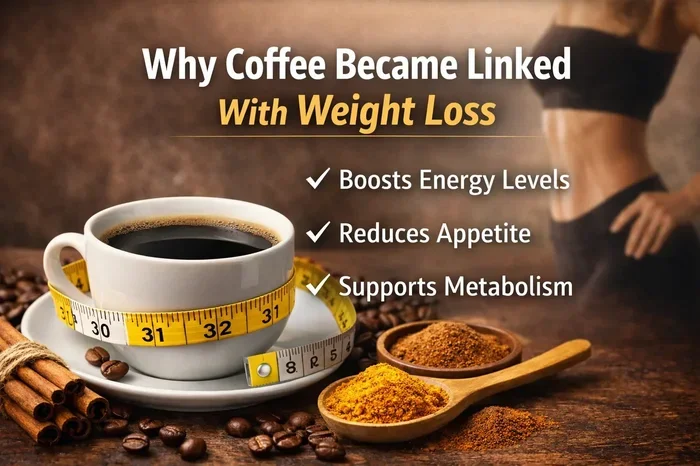
Does Coffee Make You Thinner The Real Surprising Truth
Does coffee make you thinner? The answer is more complex than you might think. While coffee can boost metabolism and suppress appetite temporarily, it is not a magic weight-loss solution. The real surprising truth lies in how caffeine interacts with your body, how you drink it, and what you add to it.
Have you ever wondered whether your morning cup of joe is actually helping you shed pounds? The question does coffee make you thinner has sparked countless debates among fitness enthusiasts, nutritionists, and everyday coffee lovers. Many people swear by their daily brew as a secret weight-loss tool. Others claim it does absolutely nothing. So who is right?
The truth is somewhere in between, and it is more interesting than you might expect. Coffee does not magically melt away fat on its own. But it does influence your metabolism, energy levels, and appetite in ways that can support weight management. In this article, we will dig deep into the science, bust the myths, and give you practical tips to get the most out of your coffee habit.
Whether you drink it black, with a splash of cream, or as a sweet latte, understanding how coffee affects your body is essential. Let us explore the real surprising truth behind the relationship between coffee and weight loss.
Key Takeaways
- Coffee can temporarily boost your metabolic rate: Caffeine stimulates thermogenesis, helping your body burn slightly more calories in the short term.
- Appetite suppression is real but temporary: Drinking coffee may reduce hunger hormones, but the effect wears off within a few hours.
- What you add matters more than the coffee itself: Sugar, cream, and flavored syrups can completely undo any calorie-burning benefits.
- Black coffee has near-zero calories: It is one of the lowest-calorie beverages you can consume, making it a smart choice for weight management.
- Timing and dosage affect results: Drinking coffee at the right time and in moderate amounts can support your fitness goals more effectively.
- Individual responses vary widely: Genetics, tolerance, and overall diet all play a role in how coffee affects your weight.
📑 Table of Contents
- The Science Behind Coffee and Weight Loss
- Does Coffee Make You Thinner: What the Research Says
- How You Drink Coffee Matters More Than You Think
- Common Myths About Coffee and Weight Loss
- Building a Coffee Routine That Supports Weight Management
- The Surprising Ways Coffee Affects Your Body Beyond Weight
- Conclusion: The Real Surprising Truth
The Science Behind Coffee and Weight Loss
Coffee is one of the most widely consumed beverages on the planet. Billions of people start their day with a cup. But beyond the morning energy boost, coffee contains compounds that interact with your body in meaningful ways. Understanding the science helps you separate fact from fiction.
The primary active ingredient in coffee is caffeine. Caffeine is a natural stimulant that affects your central nervous system. It is also the most studied compound when it comes to coffee and body weight. Research shows that caffeine can influence several metabolic processes that play a role in how your body stores and burns fat.
How Caffeine Affects Your Metabolism
Caffeine has a thermogenic effect on the body. This means it can increase the number of calories your body burns at rest. When you consume caffeine, your metabolic rate temporarily rises. Your body starts burning more energy, even when you are sitting still.
Studies have shown that caffeine can boost metabolic rate by 3 to 11 percent. The effect is more pronounced in lean individuals than in those who are overweight. This does not mean coffee alone will cause significant weight loss. But it does mean that coffee can give your metabolism a small, temporary kick.
Another important mechanism is fat oxidation. Caffeine helps your body break down fat cells and use them for energy. This is why many people reach for a cup of black coffee calories before a workout. The caffeine can enhance physical performance and encourage your body to tap into fat stores.
The Role of Coffee in Appetite Suppression
One of the most talked-about benefits of coffee is its ability to suppress appetite. When you drink coffee, certain hormones that signal hunger may decrease. At the same time, hormones that make you feel full can increase temporarily.
However, this effect is short-lived. Most appetite-suppressing benefits last between one and three hours after drinking coffee. If you rely on coffee to skip meals, you may end up overeating later in the day. Moderation and timing are key.
Some people also notice that coffee affects their digestive system. For example, coffee can stimulate bowel movements. If you have ever asked yourself why does instant coffee make me poop, you are not alone. Coffee increases gut motility, which can contribute to a temporary reduction in bloating and water weight.
Does Coffee Make You Thinner: What the Research Says
The question does coffee make you thinner has been studied extensively. Researchers have looked at both short-term effects and long-term outcomes. The results are fascinating but nuanced.
Several large-scale observational studies have found that coffee drinkers tend to have lower body fat percentages compared to non-drinkers. However, correlation does not equal causation. People who drink coffee regularly may also engage in other healthy behaviors, such as exercising more or eating balanced diets.
Clinical trials on caffeine and weight loss show modest results. On average, caffeine supplementation leads to a small reduction in body weight. The effect is usually less than two pounds over several weeks. This is not a dramatic transformation, but it does suggest that coffee can play a supporting role in weight management.
It is also worth noting that decaffeinated coffee has some of the same benefits. Decaf still contains antioxidants and other compounds that can influence metabolism. So even if you are sensitive to caffeine, you may still get some weight-management benefits from your daily cup.
Coffee and Fat Burning: The Thermogenic Effect
The thermogenic effect of coffee is one of the main reasons people believe it helps with weight loss. When your body temperature rises slightly after consuming caffeine, it burns more calories. This process is called diet-induced thermogenesis.
Here is how it works in simple terms:
- You drink a cup of coffee.
- Caffeine enters your bloodstream within 15 to 45 minutes.
- Your metabolic rate increases slightly.
- Your body starts burning more calories than it would at rest.
- The effect peaks within about three hours and then fades.
The thermogenic boost from coffee is real but small. It is not enough on its own to cause significant weight loss. Think of it as a gentle nudge rather than a powerful push. To see real results, you need to combine coffee with a healthy diet and regular exercise.
Coffee Before Exercise: A Performance Enhancer
Many athletes and fitness enthusiasts drink coffee before workouts. And for good reason. Caffeine is one of the most well-researched performance enhancers in the world. It improves endurance, reduces perceived effort, and increases fat oxidation during exercise.
Drinking a cup of coffee about 30 minutes before your workout can help you push harder and burn more calories. The caffeine helps your body release adrenaline, which signals fat cells to break down stored fat. This fat is then released into the bloodstream and used as fuel.
However, timing matters. Drinking coffee too late in the day can interfere with sleep. Poor sleep is linked to weight gain, so you do not want to sabotage your efforts. Stick to morning or early afternoon coffee if you are using it as a workout aid.
How You Drink Coffee Matters More Than You Think
Here is where most people go wrong. The coffee itself is relatively low in calories. The problem is what people add to it. A plain black cup of coffee has only about 2 to 5 calories. But add sugar, cream, flavored syrups, and whipped topping, and you are looking at a completely different beverage.
A large caramel frappuccino from a popular coffee chain can contain over 400 calories. That is essentially a meal in a cup. If you are trying to lose weight, the way you prepare your coffee can make or break your progress.
Black Coffee vs. Specialty Drinks
Let us compare a few common coffee drinks to put this in perspective:
- Black coffee (8 oz): 2 to 5 calories, zero sugar, zero fat.
- Latte with whole milk (16 oz): 190 calories, 10 grams of sugar, 7 grams of fat.
- Caramel macchiato (16 oz): 250 calories, 34 grams of sugar, 8 grams of fat.
- Frappuccino (16 oz): 400+ calories, 50+ grams of sugar, 12 grams of fat.
The difference is staggering. If your goal is to lose weight or maintain a healthy weight, switching to black coffee or using minimal additions can save you hundreds of calories per day. Over a week, that adds up to thousands of calories.
Smart Add-Ins for Weight-Conscious Coffee Drinkers
You do not have to suffer through plain black coffee if you do not enjoy the taste. There are plenty of low-calorie add-ins that can enhance flavor without sabotaging your goals:
- Unsweetened almond milk: Only 30 calories per cup, with a creamy texture.
- A dash of cinnamon: Adds sweetness without sugar and may help regulate blood sugar.
- A splash of vanilla extract: Zero calories and a rich, satisfying flavor.
- Cocoa powder (unsweetened): Adds a chocolatey twist with antioxidants.
- A pinch of nutmeg: Warm flavor with virtually no calories.
These small swaps can make your coffee enjoyable while keeping it aligned with your weight-loss goals. The key is to be mindful of what goes into your cup.
Common Myths About Coffee and Weight Loss
There is a lot of misinformation floating around about coffee and weight loss. Let us address some of the most common myths so you can separate fact from fiction.
Myth 1: Coffee Burns Fat Directly
Coffee does not directly burn fat. It supports the fat-burning process by boosting metabolism and increasing fat oxidation. But it does not target fat cells specifically. You cannot drink coffee and expect it to melt away belly fat. Weight loss requires a calorie deficit, and coffee alone does not create one.
Myth 2: More Coffee Equals More Weight Loss
Drinking more coffee does not mean you will lose more weight. In fact, excessive caffeine consumption can backfire. Too much caffeine can increase cortisol levels, which is a stress hormone linked to fat storage, especially around the abdomen. It can also disrupt sleep, which negatively affects weight management.
Moderation is essential. Most health experts recommend limiting caffeine intake to 400 milligrams per day. That is roughly four cups of brewed coffee. Staying within this range helps you enjoy the benefits without the downsides.
Myth 3: Decaf Coffee Has No Benefits
Many people assume that decaffeinated coffee is completely useless for weight management. This is not true. Decaf coffee still contains beneficial antioxidants and compounds that can support metabolism and reduce inflammation. While the caffeine-related benefits are reduced, decaf is far from a waste if you are watching your weight.
Myth 4: Coffee Dehydrates You and Causes Weight Gain
Coffee is a mild diuretic, which means it can increase urine output. But it does not cause dehydration in moderate amounts. The water content in coffee still contributes to your daily fluid intake. The idea that coffee causes weight gain is also misleading. Plain coffee itself is extremely low in calories.
Building a Coffee Routine That Supports Weight Management
If you want to use coffee as part of a healthy weight-loss strategy, the way you build your routine matters. A well-planned coffee habit can complement your goals and keep you energized throughout the day.
Morning Coffee Ritual for Weight Loss
Start your day with a cup of black coffee or a low-calorie brew about 30 to 60 minutes after waking up. This timing allows your cortisol levels to settle naturally before the caffeine kicks in. Drinking coffee too early can interfere with your body’s natural wake-up process.
Pair your morning coffee with a balanced breakfast that includes protein, healthy fats, and fiber. This combination keeps you full longer and prevents the energy crash that often follows a sugar-heavy morning meal.
Midday Coffee Break
If you need a second cup, aim for early afternoon. Drinking coffee after 3 PM can interfere with sleep quality. Poor sleep leads to increased hunger hormones and cravings for high-calorie foods the next day.
Keep your midday coffee simple. A black coffee or a coffee with a splash of unsweetened almond milk is ideal. Avoid sugary snacks that often accompany afternoon coffee breaks. Instead, reach for a handful of nuts or a piece of fruit.
Coffee and Your Morning Routine
Building a consistent morning routine around coffee can set a positive tone for the entire day. Many people find that starting the day with a calm, intentional coffee moment helps them make healthier choices throughout the day. Whether you are preparing a quick meal or doing a simple workout, the morning routine matters.
Some people like to pair their coffee with a simple breakfast. For example, making how to make toast in oven without toaster can be a quick and easy way to start the day with a warm, satisfying meal. Pair it with black coffee, and you have a low-calorie, filling breakfast that supports your weight goals.
The key is consistency. When you build a routine around healthy coffee habits, the benefits compound over time. You will notice better energy, improved focus, and more stable appetite throughout the day.
The Surprising Ways Coffee Affects Your Body Beyond Weight
Coffee does not just affect your weight. It influences many other aspects of your health. Understanding these effects gives you a fuller picture of how coffee impacts your overall well-being.
Coffee is rich in antioxidants. These compounds help protect your cells from damage and reduce inflammation. Research has linked regular coffee consumption to a lower risk of several chronic diseases, including type 2 diabetes, Parkinson’s disease, and certain types of liver disease.
Caffeine also boosts cognitive function. It improves alertness, concentration, and short-term memory. This is why many people reach for coffee during demanding work or study sessions. The mental clarity that coffee provides can help you stay productive and make better food choices throughout the day.
However, coffee is not for everyone. Some people are sensitive to caffeine and experience jitters, anxiety, or digestive discomfort. If you notice negative side effects, consider switching to half-caf or decaf options. Listening to your body is just as important as following any weight-loss strategy.
Coffee and Gut Health
Coffee has a complex relationship with gut health. On one hand, it can stimulate beneficial gut bacteria and improve digestion. On the other hand, it can cause acid reflux and stomach irritation in sensitive individuals.
If you experience digestive issues from coffee, try drinking it with food rather than on an empty stomach. You might also consider switching to a cold brew, which is typically less acidic than hot brewed coffee. Finding the right balance allows you to enjoy the benefits without the discomfort.
Coffee and Sleep Quality
Sleep quality is one of the most overlooked factors in weight management. Poor sleep disrupts the hormones that regulate hunger and fullness. When you do not sleep well, your body produces more ghrelin (the hunger hormone) and less leptin (the satiety hormone).
Caffeine has a half-life of about five to six hours. This means that a cup of coffee at 3 PM still has half its caffeine active in your system at 8 or 9 PM. To protect your sleep, aim to finish your last cup of coffee at least six hours before bedtime.
Conclusion: The Real Surprising Truth
So, does coffee make you thinner? The honest answer is that coffee can support weight management, but it is not a standalone solution. The real surprising truth is that coffee works best as a complement to a healthy lifestyle, not a replacement for one.
Coffee boosts your metabolism slightly, helps you burn a few extra calories, and can suppress appetite in the short term. But these effects are modest. The real magic happens when you combine smart coffee habits with a balanced diet, regular exercise, and good sleep.
The way you drink coffee matters enormously. Black coffee with minimal additions is your best friend for weight management. Sugary specialty drinks can undo any benefits. Pay attention to timing, quantity, and what you add to your cup.
Most importantly, listen to your body. Everyone responds to coffee differently. What works for one person may not work for another. Experiment with different types of coffee, brewing methods, and timing to find what fits your lifestyle and goals best.
The surprising truth is that coffee is a tool, not a miracle. Used wisely, it can be a valuable part of your weight-management journey. Used carelessly, it can lead to extra calories and disrupted sleep. The choice is yours. Make it count.
Frequently Asked Questions
Can drinking coffee every day help you lose weight?
Drinking coffee daily can support weight loss by boosting metabolism and suppressing appetite temporarily. However, it is not a magic solution. The benefits are modest and work best when combined with a healthy diet and regular exercise. Keep your coffee intake moderate and avoid adding excess sugar or cream.
How much coffee should you drink to lose weight?
Most experts recommend limiting caffeine intake to about 400 milligrams per day, which is roughly four cups of brewed coffee. Drinking one to two cups of black coffee per day is a good starting point for weight management. More than that can lead to side effects like jitters, anxiety, and sleep disruption.
Is black coffee better for weight loss than coffee with milk?
Yes, black coffee is significantly lower in calories than coffee with milk or cream. A cup of black coffee has only 2 to 5 calories, while a coffee with whole milk can have over 100 calories per cup. If you are trying to lose weight, sticking to black coffee or using a small amount of low-calorie milk is the better choice.
Does coffee make your stomach flat?
Coffee alone does not make your stomach flat. However, it can reduce bloating temporarily by stimulating digestion and gut motility. Some people notice a flatter stomach after drinking coffee because it helps move things through the digestive tract. This effect is short-term and not the same as actual fat loss.
Can coffee increase belly fat?
Coffee itself does not increase belly fat. But excessive caffeine can raise cortisol levels, which is a stress hormone linked to abdominal fat storage. Additionally, high-calorie coffee drinks loaded with sugar and cream can contribute to weight gain, including belly fat. Moderation and smart choices are key.
When is the best time to drink coffee for weight loss?
The best time to drink coffee for weight loss is in the morning or early afternoon, about 30 to 60 minutes after waking up. Avoid drinking coffee after 3 PM to protect your sleep quality. Drinking coffee before a workout can also enhance fat burning and physical performance.
=== INTERNAL LINKS ===
Did you know that coffee affects your digestive system in interesting ways? If you have ever experienced stomach discomfort after your morning brew, check out why instant coffee can make you poop and learn what is really happening inside your gut.
The type of coffee maker you use can also influence your coffee experience. If you are curious about the brands behind popular machines, read who makes Cuisinart coffee makers to learn more about the company and its history.
Building a healthy morning routine starts with small choices. If you want to enjoy a warm breakfast alongside your coffee, try making toast in the oven without a toaster for a simple, low-calorie meal that pairs perfectly with your daily brew.