How To Unclog Ninja Coffee Maker With Vinegar And Baking Soda
A clogged Ninja coffee maker slows your morning routine and ruins your cup of coffee. Using vinegar and baking soda is the safest, most affordable way to clear mineral buildup and restore proper water flow. This guide walks you through every step, from prep to final rinse, so your machine brews like new again.
There is nothing worse than pressing the brew button on your Ninja coffee maker and hearing nothing but a gurgling, slow trickle. A clogged machine interrupts your morning and leaves you staring at a half-empty carafe. The good news is that you can fix this problem yourself at home with just two common household items: vinegar and baking soda. These natural cleaners break down mineral deposits and clear blockages without harsh chemicals. In this guide, we walk you through the entire process step by step so you can get back to enjoying fresh coffee fast.
Your Ninja coffee maker works hard every day. It heats water, pushes it through grounds, and delivers a hot cup of coffee to your mug. Over time, minerals from water build up inside the machine. Calcium and lime deposits cling to the inner walls of the water reservoir, tubes, and brewing head. This buildup restricts water flow and causes clogs. The result is weak coffee, slow brewing, or a machine that stops working altogether.
Hard water causes the most problems. If you live in an area with high mineral content in your tap water, your coffee maker will clog faster. Even with filtered water, some minerals still pass through and accumulate over weeks and months. Regular cleaning keeps this buildup under control. The vinegar and baking soda method is gentle enough for frequent use and tough enough to handle most clogs.
Before you start, gather everything you need. Having your supplies ready makes the process smooth and fast. You will not need any special tools or expensive cleaning products. Here is what you need to have on hand before you begin the unclogging process.
White distilled vinegar is the star of this cleaning method. It safely dissolves mineral deposits and breaks up stubborn buildup inside your Ninja coffee maker. The acetic acid in vinegar softens calcium and lime scale so it rinses away easily. Use regular white vinegar, not apple cider vinegar or any flavored variety. White vinegar has the right acid concentration for effective descaling.
Baking soda acts as a gentle abrasive and deodorizer. It helps scrub away residue that vinegar loosens. Together, vinegar and baking soda create a fizzing reaction that works deep inside tubes and passages. This combination is safe for all Ninja coffee maker models and will not damage internal parts.
You also need clean warm water, a soft cloth, and a small brush like a toothbrush. The soft cloth wipes down external surfaces, and the brush helps clean the brewing head and removable parts. A clean sponge works well too. Avoid abrasive scrubbers or steel wool, as these can scratch and damage your machine.
Start by unplugging your Ninja coffee maker. Safety always comes first. Let the machine cool completely if you have used it recently. A warm machine is fine to touch, but a hot one can cause burns. Once it is cool and unplugged, you can begin the cleaning process.
Remove the water reservoir from the machine. Take off the lid and check inside for any visible debris or buildup. Rinse the reservoir with warm water. Use your soft cloth or sponge to wipe away any film or residue. Set the reservoir aside while you prepare the cleaning solution.
Next, remove the filter basket and the permanent filter if your model has one. These parts often trap coffee oils and fine particles that contribute to clogs. Rinse them under warm running water. Use your small brush to gently scrub away any stuck-on residue. Set all removable parts aside to dry.
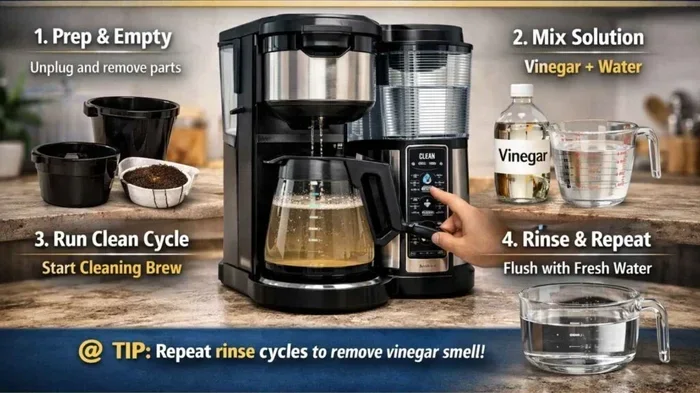
Now it is time to mix your cleaning solution. Fill the water reservoir halfway with white distilled vinegar. Then fill the rest with warm water. The ratio should be about half vinegar and half water. For a standard Ninja coffee maker, this usually means about 24 ounces of vinegar and 24 ounces of water.
For extra stubborn clogs, you can add two tablespoons of baking soda directly into the vinegar-water mixture inside the reservoir. The fizzing reaction helps loosen buildup inside the tubes. Let the mixture sit for about five minutes before you start the brewing cycle. This gives the solution time to work on the deposits.
Place a clean mug or carafe on the drip plate. Make sure there is no coffee filter or grounds in the basket for this first cycle. You are running a plain cleaning cycle, not brewing coffee. Plug the machine back in and turn it on. Select a regular brew cycle and let the machine run.
The vinegar solution will flow through the tubes and break down mineral deposits as it passes through. You may notice some fizzing or bubbling during the cycle. This is normal and means the solution is actively working. The machine may brew slower than usual if the clog is significant. That is a sign the solution is breaking through the blockage.
Once the brew cycle finishes, pour out the vinegar solution from the carafe. Do not drink it. Refill the reservoir with fresh clean water and run another full brew cycle. This rinses out the vinegar and any loosened debris. Repeat this rinse cycle two to three times to make sure all vinegar taste and smell are gone.
Now it is time for the baking soda cleaning method. This approach targets remaining residue and freshens the entire system. Baking soda works differently than vinegar, so using both creates a thorough cleaning.
Fill the water reservoir with fresh warm water. Add one tablespoon of baking soda and stir until it dissolves completely. Place a clean mug on the drip plate and run a full brew cycle. The baking soda solution flows through the system and neutralizes any remaining odors. It also provides a mild scrubbing action on the inside surfaces.
After the cycle finishes, empty the carafe and rinse it well. Refill the reservoir with plain clean water and run another rinse cycle. Repeat this one more time. You want to make sure no baking soda residue remains, as it can affect the taste of your next pot of coffee.
For a deep clean, you can combine both methods in sequence. Start with the vinegar solution, then follow with the baking soda rinse. This double approach tackles both mineral deposits and residual buildup. It is the most thorough way to unclog and refresh your Ninja coffee maker at home.
The brew head is where water meets coffee grounds, and it is a common spot for clogs. Over time, coffee oils and fine particles accumulate around the brew plate. This can slow water distribution and cause uneven brewing.
Unplug the machine and remove the brew head if your model allows it. Some Ninja models have a detachable brew head that lifts off with a twist. Check your user manual if you are unsure. If it does not detach, you can still clean it in place.
Use your soft brush or toothbrush to scrub around the brew head nozzles. These small holes can become clogged with dried coffee grounds and oils. Gently scrub in circular motions to clear each opening. Rinse the brew head under warm running water to flush out any debris.
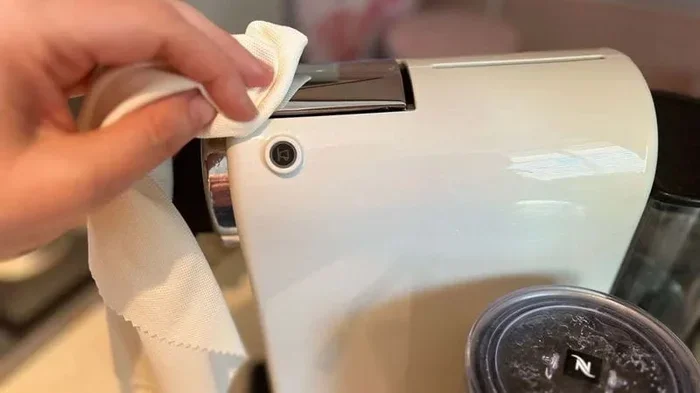
Wipe down the area around the brew head with a damp cloth. Pay attention to any visible buildup or dark residue. For tough spots, dip your cloth in a mixture of warm water and a splash of vinegar. This helps dissolve hardened deposits without damaging the machine.
If your Ninja model has a removable permanent filter, soak it in a solution of warm water and two tablespoons of vinegar for 15 minutes. This loosens any trapped oils and particles. Rinse it thoroughly before placing it back in the machine.
Preventing clogs is much easier than fixing them. A few simple habits keep your Ninja coffee maker running smoothly for years. These tips save you time, money, and the frustration of a slow or stopped machine.
Use filtered or distilled water in your Ninja coffee maker. This reduces the mineral content that causes buildup inside the machine. If you use tap water, you will need to descale more often. Filtered water extends the time between cleanings and keeps your coffee tasting better.
Descale your Ninja coffee maker every one to three months. The frequency depends on how often you use it and the hardness of your water. If you notice slow brewing or a change in coffee taste, it is time to descale. Do not wait until the machine stops working entirely.
Always empty the water reservoir after each use. Standing water sits inside the machine and promotes mineral buildup and bacterial growth. If you will not be using the machine for several days, empty it completely and leave the lid open to air dry.
Clean the filter basket and permanent filter after every few uses. Rinse them under warm water and let them dry. This prevents coffee oils from turning rancid and clogging the system. A quick rinse takes only a few seconds but makes a big difference.
Run a plain water cycle once a month without any coffee grounds. This flushes the system and keeps water pathways clear. It is a simple maintenance step that takes just a few minutes but protects your machine from clogs.
Even with regular cleaning, some clogs need extra attention. If you have tried the vinegar and baking soda method and your Ninja coffee maker still does not brew properly, there may be a deeper issue.
Check the water tube for blockages. The tube that carries water from the reservoir to the brew head can develop stubborn clogs. You can gently flush it by running a mixture of warm water and vinegar through the system without the coffee basket in place. Let it sit for 10 minutes before running a full cycle.
Inspect the water inlet valve. This is where water enters the machine from the reservoir. Mineral deposits can build up around this valve and restrict flow. A soft brush can help clean the area around the valve opening. Be gentle and do not use any sharp tools.
If your Ninja coffee maker is still under warranty, contact customer support before attempting major repairs. Using harsh chemicals or disassembling parts you are not comfortable with can void your warranty. The manufacturer can guide you through safe troubleshooting steps.
A professional appliance repair technician can handle persistent clogs that home methods cannot fix. They have specialized tools and experience with Ninja coffee makers. This is a good option if your machine is older and replacement parts may be difficult to find. A technician can also check for wear and tear on internal components that contribute to clogging.
If your machine is very old and clogs keep coming back despite regular cleaning, it may be time for a replacement. Newer Ninja coffee maker models have improved designs that resist clogging better. Investing in a new machine can save you from repeated repairs and frustration.
Keeping your Ninja coffee maker clean is simple once you make it a habit. The vinegar and baking soda method works every time for routine maintenance and clog removal. A few minutes of cleaning each month keeps your coffee tasting great and your machine running strong.
Start by descaling regularly with vinegar. Follow up with a baking soda rinse to freshen the system. Clean the brew head and removable parts frequently. Use filtered water and empty the reservoir after each use. These small steps add up to a long-lasting, reliable coffee maker.
Your morning coffee deserves a machine that works without hesitation. With the tips in this guide, you can unclog your Ninja coffee maker and enjoy a perfect cup every time. No expensive products or complicated tools are needed. Just vinegar, baking soda, and a little time.
Remember that prevention is the best cure. A consistent cleaning routine stops clogs before they start. Your Ninja coffee maker will reward you with great-tasting coffee for years to come.
Key Takeaways
- Vinegar and baking soda are the most effective and affordable solutions for unclogging a Ninja coffee maker.
- Regular descaling every 1-3 months prevents buildup and keeps your coffee maker running smoothly.
- Hard water is the #1 cause of clogs in Ninja coffee machines, so filtered water helps a lot.
- You should never use sharp objects to clear clogs, as this can damage internal components.
- Running a clean water cycle after descaling ensures no vinegar or baking soda taste remains in your coffee.
- Knowing when to call a professional saves you from costly mistakes or voiding your warranty.
Frequently Asked Questions
Can I use apple cider vinegar instead of white vinegar to unclog my Ninja coffee maker?
It is best to stick with white distilled vinegar for cleaning your Ninja coffee maker. Apple cider vinegar contains sugars and flavoring agents that can leave residue inside the machine. White vinegar has a higher concentration of acetic acid, which makes it more effective at dissolving mineral buildup. Always rinse thoroughly after using any type of vinegar.
How often should I unclog my Ninja coffee maker with vinegar and baking soda?
Most Ninja coffee makers benefit from a vinegar and baking soda cleaning every one to three months. If you live in an area with hard water, you may need to clean it more frequently. Signs that your machine needs descaling include slow brewing, unusual noises, or a change in coffee taste. Regular cleaning prevents clogs from becoming serious problems.
Will the vinegar and baking soda method damage my Ninja coffee maker?
No, this method is completely safe for all Ninja coffee maker models when used correctly. Both vinegar and baking soda are gentle, non-toxic cleaners that will not damage internal components. Avoid using excessive amounts of either substance, and always run clean water rinse cycles afterward. Never mix vinegar and baking soda directly together in the machine, as the fizzing reaction can overflow.
What should I do if the clog does not clear after using vinegar and baking soda?
If the clog persists, try running multiple vinegar cycles with a longer soak time between brews. You can also use a soft brush to clean the brew head nozzles and check the water inlet valve. Make sure all removable parts are clean and free of debris. If the problem continues, contact Ninja customer support or a professional appliance repair technician.
Can I use this cleaning method on other Ninja kitchen appliances?
The vinegar and baking soda method works well for many Ninja kitchen appliances, including the Ninja air fryer oven and other countertop cooking devices. However, always check the manufacturer’s instructions for your specific model before cleaning. Some Ninja appliances have specialized self-clean features that may be a better option for routine maintenance.
Is it safe to use vinegar and baking soda in a Ninja coffee maker that has a built-in water filter?
Yes, it is safe, but you should remove the water filter before running any cleaning cycles. The filter can absorb vinegar and baking soda, which may affect its performance afterward. Replace the filter with a new one after cleaning if it has been in use for more than two months. Always rinse the machine thoroughly after descaling to remove any cleaning solution traces.