What Is The Meaning Of Coffee Maker And How It Works
A coffee maker is a kitchen appliance designed to brew coffee by passing hot water through ground beans. Understanding what a coffee maker means helps you choose the right machine for your brewing style. This guide covers the definition, how it works, types, parts, and maintenance tips.
Key Takeaways
- A coffee maker is a device that automates the process of brewing coffee using hot water and ground beans.
- There are several types of coffee makers, including drip machines, espresso makers, and single-serve models.
- Knowing the key parts of a coffee maker helps you troubleshoot issues and maintain the machine.
- Choosing the right coffee maker depends on your brewing preferences, budget, and household size.
- Regular cleaning and descaling keep your coffee maker performing at its best for years.
- A coffee maker is more than just a machine, it is a daily ritual enhancer for millions of people.
📑 Table of Contents
What Does Coffee Maker Mean?
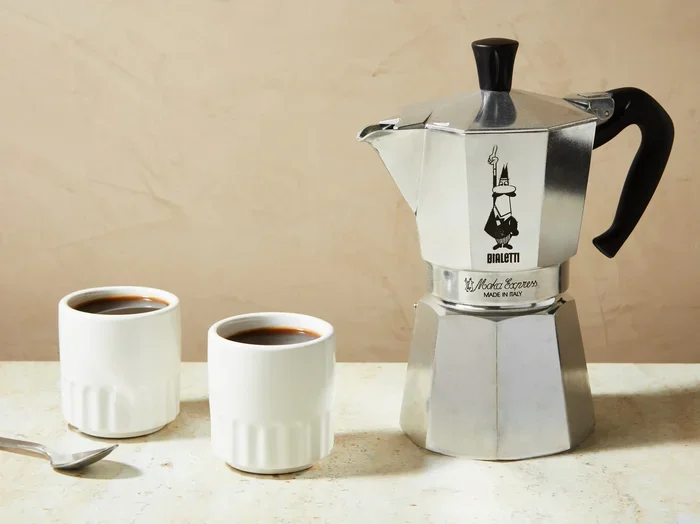
The term coffee maker refers to any device or machine designed to brew coffee. At its core, a coffee maker heats water and passes it through ground coffee beans to extract flavor. The result is a fresh cup of coffee ready to drink.
The coffee maker meaning goes beyond just the machine itself. It represents a whole brewing ecosystem. From the water reservoir to the filter basket, every part plays a role in delivering the perfect cup. For many people, their coffee maker is the most important appliance in the kitchen.
A coffee maker can range from a simple stovetop percolator to a high-end automatic machine. The basic principle remains the same across all types. Hot water meets ground coffee, and flavor is extracted through a process called brewing. Understanding this foundation helps you appreciate why these machines are so popular.
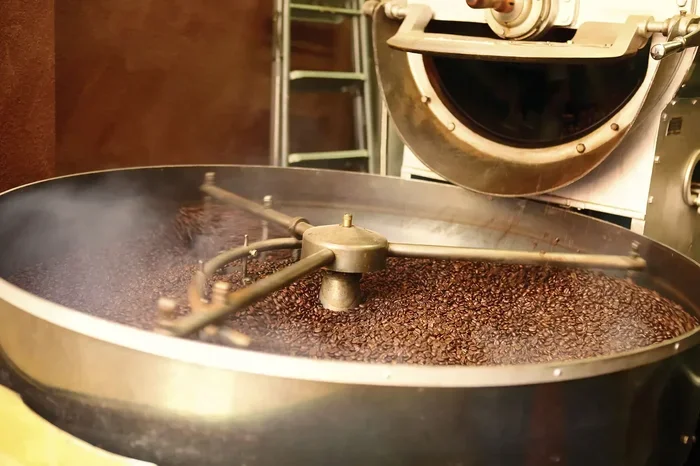
The coffee maker has evolved significantly over the past century. What started as a simple pot on a stove has become a sophisticated kitchen gadget. Today, you can find machines that grind beans, brew coffee, and even froth milk, all in one unit. The modern coffee maker is a marvel of convenience and engineering.
Whether you call it a coffee maker, coffee machine, or coffee brewer, the purpose is the same. These devices make brewing coffee faster, easier, and more consistent. They have transformed how millions of people start their mornings. A good coffee maker can truly change your daily routine.
How Does A Coffee Maker Work?
Understanding how a coffee maker works is simpler than you might think. The basic process involves three main steps. First, water is heated. Second, the hot water passes through ground coffee. Third, the brewed coffee drips into a carafe or cup below.
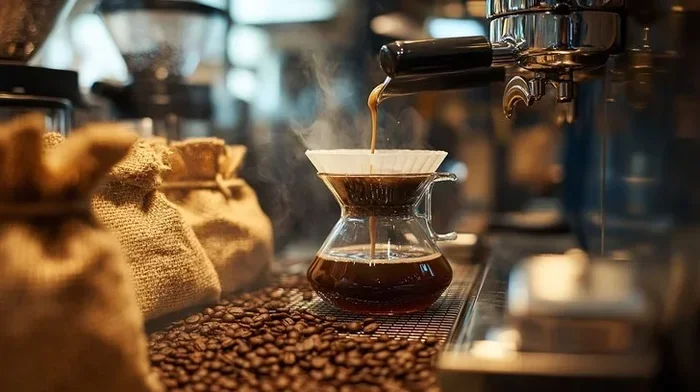
Most coffee makers use a drip system. Water sits in a reservoir at the back of the machine. A heating element at the bottom warms the water. Once hot enough, the water rises through a tube and drips over the coffee grounds. Gravity pulls the brewed coffee down through a filter into the pot.
The coffee brewing temperature is crucial. The ideal range is between 195 and 205 degrees Fahrenheit. Too hot, and the coffee tastes bitter. Too cool, and the coffee tastes weak. A quality coffee maker maintains this temperature range for the best results.
The Role Of The Water Reservoir
The water reservoir holds the water before brewing. In most coffee makers, this is a removable tank at the back. You fill it with fresh cold water before each brew cycle. The size of the reservoir determines how many cups the machine can make at once.
Some coffee makers have a small reservoir for a single cup. Others hold enough water for a full pot of 10 to 12 cups. The reservoir often has measurement markings so you can control the strength of your brew. Keeping the reservoir clean prevents mineral buildup and off-flavors.
The Heating Element And Thermostat
The heating element is the heart of any coffee maker. It converts electrical energy into heat. This warms the water in the reservoir to the right brewing temperature. Most machines use a thermostatically controlled element that shuts off automatically.
In drip machines, the heating element also keeps the coffee warm after brewing. A hot plate beneath the carafe maintains the temperature. However, this can cause the coffee to taste burnt if left too long. Many modern coffee makers use thermal carafes instead, which keep coffee hot without a heating plate.
The Filter And Coffee Grounds
The filter holds the coffee grounds during brewing. Paper filters are the most common type. They catch the grounds while letting the liquid coffee pass through. Reusable metal or cloth filters are also popular options for those who want to reduce waste.
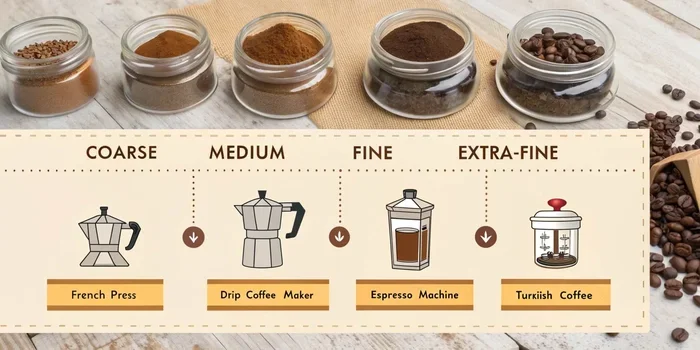
The grind size of your coffee beans matters a lot. A medium grind works best for drip coffee makers. Too fine, and the water cannot pass through easily. Too coarse, and the coffee will be weak and watery. Using a coffee grinder at home gives you control over the grind size.
Types Of Coffee Makers
Not all coffee makers are the same. Different types suit different brewing styles and preferences. Here is a look at the most popular options available today.
Drip Coffee Makers
The drip coffee maker is the most common type found in homes. It works by dripping hot water over coffee grounds in a filter. The brewed coffee collects in a carafe on a warming plate. These machines are simple to use and great for making multiple cups at once.
Many modern drip machines come with programmable features. You can set a timer so fresh coffee is ready when you wake up. Some models include built-in grinders for fresh beans every morning. The drip coffee maker is perfect for households that drink several cups daily.
Espresso Machines
An espresso maker forces hot water through finely ground coffee at high pressure. This creates a concentrated shot of coffee with a rich crema on top. Espresso machines come in manual, semi-automatic, and fully automatic versions.
Espresso is the base for drinks like lattes, cappuccinos, and americanos. A dedicated espresso maker gives you more control over the brewing process. You can adjust the pressure, temperature, and extraction time. These machines are ideal for coffee lovers who enjoy milk-based drinks.
Single-Serve Coffee Makers
A single-serve coffee maker brews one cup at a time. You place a pod or capsule filled with ground coffee into the machine. Hot water passes through the pod, and the coffee drips into your cup. These machines are fast and convenient for busy mornings.
Single-serve models are popular in offices and small kitchens. They eliminate waste because you only brew what you need. However, the cost per cup can be higher than traditional methods. The coffee maker pods come in many flavors and strengths to suit every preference.
French Press And Pour-Over
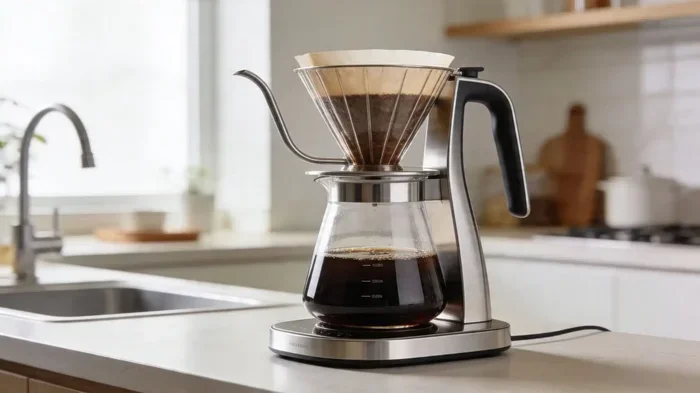
While not electric, the French press and pour-over methods are still types of coffee makers in a broad sense. A French press steeps coarse coffee grounds in hot water, then uses a plunger to separate the grounds. Pour-over involves manually pouring hot water over grounds in a dripper with a filter.
These methods give you full control over the brewing process. Many coffee enthusiasts prefer them for the rich, full-bodied flavor. They require no electricity and are easy to clean. A coffee maker does not have to be electric to make excellent coffee.
Key Parts Of A Coffee Maker
Knowing the coffee maker parts helps you understand how the machine works. It also makes troubleshooting and cleaning much easier. Here are the essential components found in most coffee makers.
Water Reservoir
The water reservoir stores the water before brewing. It is usually removable for easy filling and cleaning. The size varies by model, from enough for one cup to enough for a full pot. Always use clean, fresh water for the best tasting coffee.
Heating Element
The heating element warms the water to the correct brewing temperature. In drip machines, it also keeps the carafe warm. Over time, mineral deposits can build up on the element. Regular descaling keeps the heating element working efficiently.
Filter Basket
The filter basket holds the coffee grounds during brewing. It is usually removable for easy cleaning. Paper filters are disposable, while permanent metal filters can be washed and reused. The basket should be checked regularly for clogs or residue.
Carafe Or Mug
The carafe collects the brewed coffee. Glass carafes are common in drip machines. Thermal carafes keep coffee hot without a heating plate. Some single-serve coffee makers brew directly into a mug, eliminating the need for a separate carafe.
Control Panel
The control panel lets you set brewing options. Basic machines have simple buttons for brew strength and cup size. Advanced models offer programmable timers and strength settings. The control panel is where you customize your coffee maker experience.
How To Choose The Right Coffee Maker
Choosing the right coffee maker depends on several factors. Think about how much coffee you drink daily, your preferred brewing style, and your budget. Here are some tips to help you decide.
First, consider your household size. A large family might need a 12-cup drip machine. A single person might prefer a single-serve model. The right size ensures you have enough coffee without wasting any.
Second, think about convenience. Programmable coffee makers let you wake up to fresh coffee. Some machines include built-in grinders so you can use whole beans. Others offer one-touch brewing for maximum simplicity. Choose features that match your lifestyle.
Third, set a budget. Coffee makers range from under 20 dollars to over 500 dollars. You do not need to spend a lot to get a good machine. Focus on quality brewing and durability. A mid-range model often offers the best value for most households.
Fourth, consider maintenance. Some machines require frequent descaling and filter replacements. Others are nearly maintenance-free. Read reviews and check the manufacturer’s care instructions. A coffee maker that is easy to clean will last longer and taste better.
Tips For Maintaining Your Coffee Maker
Regular maintenance keeps your coffee maker running smoothly. A clean machine brews better-tasting coffee and lasts longer. Here are some simple tips to follow.
- Clean after every use: Rinse the carafe and filter basket with warm water. Remove any leftover coffee grounds.
- Descale monthly: Run a cycle with equal parts water and white vinegar. This removes mineral buildup inside the machine.
- Replace filters regularly: Paper filters should be replaced every brew cycle. Reusable filters should be washed and replaced every few months.
- Use filtered water: Filtered water reduces mineral deposits and improves the taste of your coffee.
- Wipe the exterior: A quick wipe with a damp cloth keeps the machine looking new and prevents dust buildup.
Taking care of your coffee maker is simple but important. A few minutes of cleaning after each use saves you from bigger problems later. Your machine will reward you with better coffee every morning.
Why A Coffee Maker Is A Kitchen Essential
A coffee maker is more than just a convenience. It is a daily ritual that millions of people rely on. The aroma of fresh coffee in the morning can set the tone for the entire day. Having a reliable machine at home means you never have to wait in line at a café.
A good coffee maker also saves money over time. Buying coffee at a shop every day adds up quickly. A home machine pays for itself within weeks. You get the freedom to brew exactly the way you like, whenever you want.
Modern coffee makers offer features that make brewing effortless. Some machines connect to smartphone apps for remote control. Others remember your preferred settings for a perfect cup every time. The technology behind these appliances continues to improve every year.
For many households, the coffee maker is the first appliance turned on each morning. It is a small machine that makes a big difference. Whether you prefer a quick drip brew or a rich espresso shot, there is a coffee maker for everyone. Investing in a quality machine is one of the best decisions you can make for your daily routine.
Common Mistakes People Make With Their Coffee Maker
Even the best coffee maker can produce bad coffee if used incorrectly. Here are some common mistakes to avoid.
- Using the wrong grind size: A medium grind works best for drip machines. Using espresso or French press grind will affect the taste.
- Skipping the descale: Mineral buildup reduces the efficiency of the heating element. Descale your machine at least once a month.
- Using stale coffee beans: Freshly ground beans make the best coffee. Store beans in an airtight container away from light.
- Not cleaning the carafe: Oily residue builds up in glass carafes. Wash with warm water and baking soda regularly.
- Overfilling the water reservoir: Always stay within the max fill line. Too much water can cause leaks and poor brewing.
Avoiding these mistakes will improve your coffee quality significantly. A little attention to detail goes a long way. Your coffee maker will brew better coffee and last longer when you treat it right.
Final Thoughts
The coffee maker is one of the most used appliances in any kitchen. It turns simple ingredients, water and coffee grounds, into a comforting daily drink. Understanding what a coffee maker means, how it works, and how to care for it makes you a better coffee brewer.
Whether you prefer a classic drip machine, a modern espresso maker, or a simple French press, the right coffee maker can transform your mornings. Take the time to choose a machine that fits your needs. Keep it clean and well-maintained. The perfect cup of coffee is always within reach when you have the right coffee maker by your side.
Now that you know the coffee maker meaning and how it all works, you are ready to make the best choice for your home. Explore your options, try different brewing methods, and enjoy the journey of finding your perfect cup. A great coffee maker is truly a kitchen essential that pays off every single day.
Frequently Asked Questions
What is the simple meaning of a coffee maker?
A coffee maker is a kitchen appliance that brews coffee by passing hot water through ground coffee beans. The simplest definition is a machine designed to make coffee automatically. It heats water and drips it over grounds to produce a fresh cup.
How is a coffee maker different from a coffee machine?
The terms coffee maker and coffee machine are used interchangeably. Both refer to devices that brew coffee. However, coffee machine is a broader term that can include espresso machines and commercial brewers. A coffee maker typically refers to a home brewing device.
What are the main types of coffee makers?
The main types include drip coffee makers, espresso machines, single-serve brewers, French presses, and pour-over drippers. Each type uses a different method to extract flavor from coffee grounds. Drip machines are the most popular for everyday home use.
How often should I clean my coffee maker?
You should rinse your coffee maker after every use and deep clean it weekly. Descaling should be done monthly to remove mineral buildup. Regular cleaning keeps the machine working efficiently and your coffee tasting fresh.
Can I use a coffee maker without a filter?
Yes, some coffee makers come with reusable metal filters that eliminate the need for paper filters. You can also brew coffee without a filter using a French press or cold brew method. However, most drip coffee makers require a filter to separate grounds from the brewed coffee.
Does the coffee maker affect the taste of coffee?
Yes, the quality of the coffee maker directly impacts the taste of your coffee. Factors like water temperature, brewing time, and grind size all matter. A well-made coffee maker maintains the right temperature and extraction time for the best flavor. Clean machines also produce better-tasting coffee than dirty ones.