How Long To Let French Press Coffee Brew For Great Taste
The perfect French press coffee brew time is four to five minutes, which unlocks rich flavor without bitterness. Getting the steeping duration right, along with proper water temperature and coarse grind size, transforms your morning cup from ordinary to exceptional. Follow this guide to master the French press coffee brew and enjoy great taste every single morning.
There is nothing quite like the ritual of making a fresh cup of French press coffee brew at home. The rich, full-bodied flavor, the satisfying sound of the plunger going down, and the aroma that fills your kitchen – it is a morning experience that millions of people cherish. But if your French press coffee has been coming out weak, bitter, or just plain disappointing, the problem might be simpler than you think. The answer often comes down to one thing: how long to let French press coffee brew.
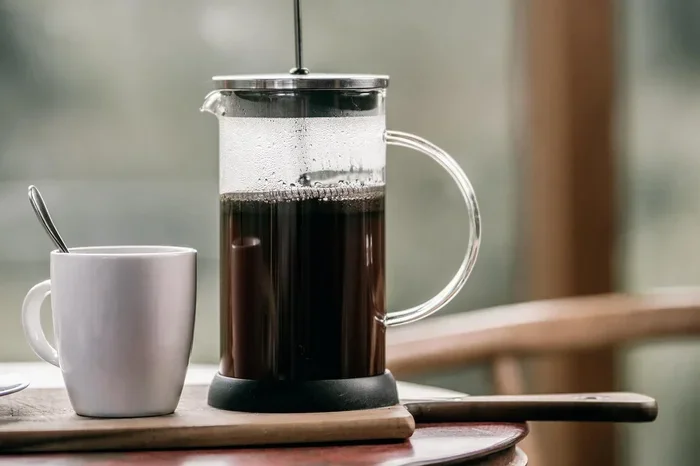
The French press coffee brew method is one of the most popular immersion brewing techniques in the world. Unlike drip machines that rush water through grounds, a French press lets coffee and water sit together, extracting flavor slowly and evenly. This process gives you a rich, heavy body that many coffee lovers prefer over other methods. But the magic only happens when you get the steeping time just right.
In this complete guide, we will walk you through exactly how long to let your French press coffee brew, why timing matters so much, and the common mistakes that can ruin your cup. You will learn about water temperature, grind size, and the coffee-to-water ratio that makes the biggest difference. Whether you are new to French press coffee or have been making it for years, these tips will help you brew a perfect cup every single morning. Think of this as your go-to French press coffee recipe for great taste.
Building a great morning routine starts with the coffee. If you are also preparing breakfast, you might enjoy pairing your brew with something from the oven, like our guide on how to cook bacon and sausage in the oven for a complete and satisfying breakfast experience.
Key Takeaways
- Four to five minutes is the sweet spot: This steeping window delivers balanced flavor with the right mix of sweetness, acidity, and body.
- Water temperature matters: Use water between 195°F and 205°F for optimal extraction without bitterness.
- Coarse grind size is essential: A grind similar to sea salt prevents over-extraction and keeps your coffee smooth and clean.
- Pour immediately after pressing: Leaving brewed coffee in the French press causes continued extraction and bitter flavors.
- The coffee-to-water ratio affects strength: A 1:15 ratio by weight is a reliable starting point for a great cup.
- Experiment to find your preference: Adjust brew time by 30 seconds to fine-tune flavor from light and balanced to bold and rich.
📑 Table of Contents
The Perfect French Press Coffee Brew Time
The ideal French press coffee brew time is between four and five minutes. This is the sweet spot where water extracts the right amount of flavor, oils, and aromatic compounds from the coffee grounds without pulling out too much bitterness. Four minutes gives you a balanced, smooth cup with rich flavor. Five minutes works well if you prefer a slightly stronger brew, but going beyond that increases the risk of over-extraction.
Here is a simple breakdown of what happens during the steeping process:
- 0 to 1 minute: The coffee grounds begin to absorb water and start releasing their initial flavors. This is called the bloom phase, where you can see the grounds expand and release carbon dioxide.
- 1 to 3 minutes: The bulk of extraction happens during this window. Water dissolves soluble flavor compounds, oils, and acids from the grounds, building the core flavor profile of your coffee.
- 3 to 4 minutes: Extraction reaches a balanced point where sweetness, acidity, and body are in harmony. This is the target zone for most coffee lovers.
- 4 to 5 minutes: You can push the plunger at this point for a slightly bolder cup. The flavor will be richer but still balanced.
- Beyond 5 minutes: Over-extraction begins. Bitter compounds start dominating, and the coffee loses its pleasant sweetness.
The exact timing depends on your personal preference and the specific coffee you are using. Some people prefer to let the French press coffee brew go for a full five minutes for a stronger, more robust cup. Others pull the plunger at three minutes for a lighter, more delicate flavor. The key is to experiment and find what works best for your taste buds.
Why Timing Is So Important for French Press Coffee
Timing is the single most important variable in French press coffee brewing because it directly controls extraction. Extraction is the process by which water dissolves flavor compounds from the coffee grounds. Too little extraction, and your coffee tastes sour, thin, and weak. Too much extraction, and it becomes harsh, bitter, and unpleasant. The four-to-five-minute window hits the middle ground where sweet, acidic, and bitter flavors balance out beautifully.
Think of it like cooking a steak. Just as you would not leave a steak in the oven for 30 minutes when it only needs 12 to 15 minutes at 350°F, you should not leave your coffee grounds in water for 10 minutes when four is the sweet spot. Precision matters, and the results speak for themselves. If you want to explore more about oven timing and precision, check out how long to bake steak in oven at 350 for a great comparison of how timing precision affects results in the kitchen.
Understanding the French Press Steeping Process
The French press coffee brew method works through immersion. The coffee grounds sit fully submerged in hot water for the entire steeping period. This is different from pour-over or drip methods, where water passes through the grounds quickly. Immersion brewing allows for a fuller extraction of oils and flavors, which is why French press coffee has that signature rich, heavy body that so many people love.
The Role of Water Temperature
Water temperature plays a huge role in how your French press coffee brew turns out. The ideal temperature is between 195°F and 205°F, which is just below boiling. Water that is too hot will over-extract the coffee, leading to bitterness. Water that is too cool will under-extract, resulting in a flat, sour taste. If you do not have a thermometer, simply bring your water to a boil and then let it sit for 30 seconds before pouring it over the grounds. This short rest brings the temperature into the optimal range without any guesswork.
The Importance of Grind Size
Using the right French press grind size is essential for proper extraction. You want a coarse, even grind that looks similar to sea salt or breadcrumbs. If your grind is too fine, it will slip through the mesh filter and create a gritty, muddy cup. Fine grounds also extract too quickly, which can lead to bitterness. A coarse grind slows down the extraction process and gives you more control over the final flavor.
When you combine the right grind size with the correct brew time, you get a clean, flavorful cup with all the natural oils intact. This is what makes the French press coffee brew method so special compared to paper-filter methods that strip away those delicious oils. The oils carry much of the coffee’s aroma and body, and the French press preserves them beautifully.
Coffee-to-Water Ratio
Getting the ratio right is the third pillar of a great French press coffee recipe. The standard recommendation is one tablespoon of coarse ground coffee for every four ounces of water. For a standard 34-ounce French press, this means about eight tablespoons of coffee and 34 ounces of water. You can adjust this ratio based on your taste preferences. More coffee makes a stronger brew, and less coffee makes it milder.
For the best results, use a kitchen scale to measure both your coffee and water by weight. A ratio of 1:15 (one gram of coffee to 15 grams of water) is a great starting point. This precision takes the guesswork out of your morning routine and helps you reproduce the same great cup every time. Consistency is the key to mastering your French press coffee brewing skills.
Step-by-Step Guide to Brewing French Press Coffee
Now that you understand the science behind the timing, here is a simple step-by-step guide to making the perfect French press coffee brew at home:
- Boil your water: Heat water to between 195°F and 205°F. If you do not have a thermometer, bring it to a boil and let it cool for 30 seconds.
- Add coffee grounds: Place your coarse ground coffee into the French press. Use about two tablespoons per eight ounces of water.
- Pour the water: Slowly pour the hot water over the grounds, making sure all the coffee is saturated. Start with a small amount of water and give it a gentle stir to let the grounds bloom.
- Let it steep: Place the lid on the French press with the plunger pulled up. Let the coffee steep for four to five minutes. Set a timer so you do not forget.
- Press the plunger: After four to five minutes, press the plunger down slowly and evenly. Do not rush this step.
- Pour and serve: Immediately pour the coffee into your mug or carafe. Leaving brewed coffee in the French press will cause it to continue extracting and become bitter.
Following these steps consistently will dramatically improve your French press coffee brewing results. The process takes less than ten minutes from start to finish, and the payoff is a cup of coffee that tastes far better than anything from a drip machine or single-serve pod. Once you make the switch, you will wonder how you ever settled for anything else.
Quick Tips for Better French Press Coffee
- Always preheat your French press with hot water before adding grounds. This keeps the brewing temperature stable throughout the steeping process.
- Use freshly roasted coffee beans for the best flavor. Stale beans produce flat, lifeless coffee with no real character.
- Grind your beans just before brewing for maximum freshness and flavor. Pre-ground coffee loses its aroma quickly.
- Give the coffee a gentle stir at the one-minute mark to ensure even extraction across all the grounds.
- Pour all the coffee out immediately after pressing to prevent over-extraction and bitterness from developing.
Common Mistakes That Affect Your Brew Time
Even experienced coffee makers can make mistakes that throw off their French press coffee brew time and flavor. Here are the most common errors to avoid:
Leaving Coffee in the Press Too Long
One of the biggest mistakes is letting the brewed coffee sit in the French press after you press the plunger. The coffee continues to extract even after the grounds are separated, which leads to bitterness and a harsh taste. Always pour your coffee into a mug or thermal carafe right after pressing. This simple habit will keep your coffee tasting smooth and delicious for much longer.
Using the Wrong Grind Size
As mentioned earlier, grind size matters enormously. If you use a grind that is too fine, you risk over-extraction even within the correct brew time. Fine grounds also clog the mesh filter, making it harder to press and resulting in a gritty texture. On the other hand, a grind that is too coarse will under-extract, giving you thin, sour coffee. Aim for a consistent coarse grind every time for the best results.
Ignoring Water Temperature
Using boiling water straight from the kettle is a common mistake that many people make. Water at a full boil (212°F) is too hot for optimal extraction and will scorch the coffee grounds, producing a burnt, bitter flavor. Let the water cool slightly before pouring it over your grounds. This small wait makes a huge difference in the final taste of your cup.
Not Using Enough Coffee
Skimping on the amount of coffee is another way people end up with weak, unsatisfying brews. If your coffee tastes watery or bland, try increasing the amount of grounds by one tablespoon at a time until you find the strength you like. More coffee does not always mean better, but using too little will almost always lead to disappointment.
How French Press Brew Time Affects Flavor
The relationship between brew time and flavor in French press coffee brewing is direct and significant. Here is how different steeping times affect the final cup:
- Under 3 minutes: The coffee will be light, sour, and underwhelming. Not enough flavor compounds have been extracted to create a satisfying cup. You will notice a thin body and a sharp, acidic tang.
- 3 to 4 minutes: This is the sweet spot for a balanced, smooth cup. You get good acidity, natural sweetness, and pleasant body without excessive bitterness. Most coffee drinkers find this range the most enjoyable.
- 4 to 5 minutes: A bolder, richer cup with more body and depth. The flavor is fuller and more intense, which many coffee drinkers prefer for a morning pick-me-up.
- Over 5 minutes: Over-extraction kicks in. The coffee becomes increasingly bitter, astringent, and harsh. The pleasant sweetness disappears, and the overall experience suffers.
Understanding these flavor profiles helps you adjust your brew time based on the type of coffee you are using. Dark roast beans tend to extract faster and can become bitter more quickly, so you might want to pull the plunger closer to the four-minute mark. Light roast beans benefit from a full five minutes of steeping to bring out their complex flavor notes and bright acidity.
The beauty of the French press coffee brew method is that you have complete control. You can adjust the time by 30 seconds and immediately taste the difference. This level of control is what makes French press coffee so rewarding for home brewers who want to fine-tune their cup to perfection.
Tips for the Best French Press Coffee Every Morning
Making excellent French press coffee every day comes down to a few simple habits. Here are our top tips for consistent, great-tasting results:
- Invest in a good burr grinder. Consistent grind size is the foundation of great extraction. Blade grinders create uneven particles that lead to inconsistent brewing and unpredictable flavor.
- Use filtered water. The water makes up over 98 percent of your coffee. Good-tasting water produces good-tasting coffee. Chlorinated or hard water can negatively affect flavor in surprising ways.
- Preheat everything. Warm the French press, your mug, and even the water before brewing. Cold equipment drops the brewing temperature and leads to uneven extraction and a weaker cup.
- Measure everything. Use a kitchen scale for both coffee and water. Eyeballing leads to inconsistency, and consistency is the key to a great cup every single time.
- Clean your French press regularly. Old coffee oils build up in the press and can turn rancid, affecting the flavor of your next brew. Clean the mesh filter, plunger, and carafe thoroughly after each use.
- Experiment with different beans. Different origins and roasts bring out different flavor notes. Try Ethiopian beans for fruity, floral flavors or Brazilian beans for chocolatey, nutty notes.
These tips might seem simple, but they make an enormous difference in the quality of your French press coffee brew. The immersion brewing method rewards attention to detail, and the results are well worth the effort. Once you build these habits into your morning routine, you will never go back to rushed, mediocre coffee again.
The concept of controlling your environment for better results extends beyond coffee. For example, the technique of covering food to trap heat and moisture during cooking is similar to how we prepare dishes like how to cook whole fish in the oven in foil, where the covered environment creates the perfect conditions for even cooking. In French press brewing, the lid serves a similar purpose by maintaining a stable temperature during the steeping process, ensuring consistent extraction from start to finish.
Conclusion
The secret to a great cup of French press coffee is simpler than most people think. The answer to how long to let French press coffee brew comes down to four to five minutes of steeping time, combined with the right water temperature, grind size, and coffee-to-water ratio. Master these fundamentals and you will never go back to mediocre coffee again.
Remember, the French press coffee brew method gives you complete control over every variable. You are not at the mercy of a machine or a pod. You decide the strength, the flavor, and the richness of every cup. That is what makes this brewing method so special and so rewarding for coffee lovers of all levels.
Start by nailing the four-to-five-minute steeping window. Then fine-tune your grind size, water temperature, and coffee ratio until you find your perfect cup. Once you do, you will never look at your morning coffee the same way again. The perfect French press coffee brew is waiting for you, and it is only a few minutes away.
For more kitchen tips and recipes, explore our other guides on oven cooking, breakfast preparation, and coffee brewing techniques to make the most of your time in the kitchen.
Frequently Asked Questions
Can I brew French press coffee for too long?
Yes, brewing French press coffee for too long leads to over-extraction, which makes the coffee bitter and harsh. The ideal steeping time is four to five minutes. If you leave the grounds in water for more than five minutes, unpleasant bitter compounds start dominating the flavor. Always set a timer and pour the coffee out immediately after pressing the plunger.
What happens if I steep French press coffee for only two minutes?
Steeping for only two minutes results in under-extraction, which produces a thin, sour, and weak cup of coffee. Not enough flavor compounds, oils, and sweetness have been extracted from the grounds. For a balanced and flavorful cup, aim for at least four minutes of steeping time to allow proper extraction.
Does water temperature affect French press brew time?
Yes, water temperature directly affects how quickly extraction happens. Hotter water extracts flavor compounds faster, while cooler water slows down the process. Using water between 195°F and 205°F ensures optimal extraction within the four-to-five-minute window. Water that is too hot can cause bitterness even within the correct brew time.
Can I re-steep French press coffee grounds for a second cup?
You can technically re-steep French press grounds, but the second cup will be noticeably weaker and less flavorful. Most of the desirable compounds are extracted during the first steeping cycle. If you want to reduce waste, consider using the spent grounds in compost or for other kitchen uses rather than expecting a second quality cup.
How does grind size affect French press brew time?
Grind size affects the speed of extraction. A finer grind extracts faster and can lead to bitterness even within the recommended brew time. A coarser grind extracts more slowly, giving you more control over the final flavor. For the best results, always use a coarse grind similar to sea salt and stick to the four-to-five-minute steeping window.
Is French press coffee stronger than drip coffee?
French press coffee is generally stronger and fuller-bodied than drip coffee because the immersion method extracts more oils and flavor compounds. The lack of a paper filter means all the natural oils remain in the cup, contributing to a richer mouthfeel and more intense flavor. However, strength also depends on your coffee-to-water ratio and brew time.