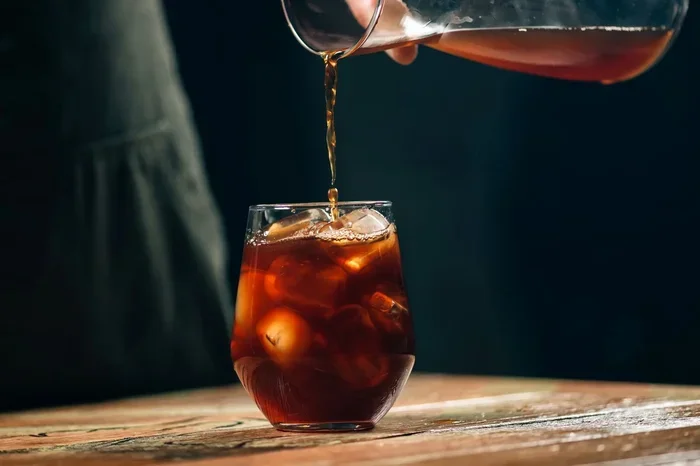
Is Cold Brew Coffee More Caffeinated Than Regular Coffee
Is cold brew coffee more caffeinated than regular coffee? The answer depends on several factors like brewing method, steeping time, and coffee grounds. Cold brew often has a higher caffeine concentration, but dilution and serving size change the final caffeine content in your cup.
Key Takeaways
- Cold brew can have more caffeine: The long steeping time pulls out more caffeine from coffee grounds than hot brewing does.
- Concentration matters: Drinking cold brew concentrate straight gives you a much bigger caffeine boost than a diluted version.
- Brewing method changes everything: Cold water extraction works differently than hot water extraction, affecting both flavor and caffeine.
- Steeping time is key: Longer soak times (12 to 24 hours) increase caffeine levels in your final coffee drink.
- Iced coffee is not cold brew: These are two different coffee drinks with different caffeine levels.
- You can control caffeine at home: Adjusting your coffee recipe, ratio, and steeping time lets you manage your caffeine intake.
📑 Table of Contents
What Is Cold Brew Coffee?
Cold brew coffee is a coffee drink made by soaking coffee grounds in cold or room-temperature water for a long time. Unlike hot brewed coffee, cold brew uses no heat during the coffee extraction process. This simple difference creates a unique flavor and a different caffeine content profile.
The process is surprisingly easy. You mix coarse coffee grounds with water and let them sit for 12 to 24 hours. The result is a smooth, less acidic coffee concentrate that many people enjoy. The long soak pulls out sugars, flavors, and caffeine slowly.
Cold brew has been around for centuries. But it has exploded in popularity over the last decade. Coffee shops and homes alike now offer cold brew coffee as a go-to coffee drink. People love it because it is smooth, refreshing, and easy to customize.
The steeping time is the secret behind cold brew. A longer soak pulls out more flavor and more caffeine. This is why cold brew caffeine levels often differ from those in a regular hot cup of coffee. The slow cold water extraction process is what makes cold brew unique.
If you have ever wondered why cold brew tastes so different from iced coffee, the answer lies in the method. Hot brewing uses heat to extract flavors and caffeine quickly. Cold brewing does the same job, but it takes much longer. This difference in brewing method affects everything from taste to caffeine levels.
Cold Brew vs Regular Coffee: The Caffeine Comparison
So, is cold brew coffee more caffeinated than regular coffee? The short answer is: it depends. Many people assume cold brew has more caffeine. And in some cases, that is true. But it is not always the case. Let us break it down.
The caffeine content in any coffee drink depends on several things. These include the type of coffee beans, the ratio of water to grounds, and how long you brew. Even the grind size matters. All of these factors combine to determine your final cup.
Here is a quick look at how they compare:
- Cold Brew: Often has a higher caffeine concentration because of the long steeping time. The coffee grounds soak for up to 24 hours, pulling out more caffeine.
- Hot Brewed Coffee: Extracts caffeine quickly with heat, but the final drink may be more diluted when you add water or milk.
- Iced Coffee: Usually made from hot-brewed coffee poured over ice. The caffeine levels match hot brew, but melting ice can dilute the drink.
When you drink cold brew coffee straight from the concentrate, you get a big caffeine boost. But when you dilute it with water or milk, the caffeine per serving drops. This is an important distinction that many people miss.
The caffeine levels in cold brew can range from 100 mg to 300 mg per 8-ounce cup. Hot brewed coffee typically has 80 mg to 165 mg per cup. So the numbers can be close, especially when you compare a diluted cold brew to a standard hot cup.
Why Does Cold Brew Seem Stronger?
Cold brew often tastes stronger and more intense. This tricks many people into thinking it has more caffeine. But taste and caffeine are two different things. A coffee drink can taste bold and smooth without being loaded with caffeine.
The coffee extraction process in cold water is slower. It pulls out different compounds than hot water does. Cold water extracts fewer bitter compounds and acids. This gives cold brew its smooth, rich flavor. But the caffeine extraction still happens over time. The long soak ensures that caffeine is present in the final cup.
So if cold brew tastes smooth but hits you hard, that is the caffeine at work. The caffeine boost from cold brew can feel stronger because there is less acidity to distract your palate.
How Does Brewing Method Affect Caffeine?
The brewing method you choose changes everything about your cup. Just as asking whether a conventional oven is the same as an air fryer helps you pick the right kitchen tool for the job, understanding how each method changes caffeine helps you choose the right coffee for your needs.
Different methods use different temperatures, times, and pressures. Each one extracts caffeine and flavor in its own way. Let us look at the two main types of extraction.
Hot Water Extraction vs Cold Water Extraction
Hot water extracts caffeine fast. The heat opens up the coffee grounds and releases caffeine quickly. This is why a cup of hot coffee is ready in minutes. The high temperature speeds up the coffee extraction process dramatically.
Cold water extraction takes much longer. The water temperature is low, so the process is slow. But over 12 to 24 hours, cold water pulls out just as much caffeine, sometimes more. The long contact time between water and grounds makes up for the lack of heat.
This is why cold brew caffeine levels can be so high. The long soak time makes up for the absence of heat. The result is a coffee drink that is both smooth and potent.
Here is a simple way to think about it. Hot brewing is like a quick sprint. It gets the job done fast. Cold brewing is like a marathon. It takes longer, but it covers more ground. Both can get you to the same finish line, but the journey is very different.
Steeping Time and Caffeine
Steeping time is a big factor in how much caffeine ends up in your cup. The longer the coffee grounds sit in water, the more caffeine is extracted. This is one of the main reasons cold brew can be so strong.
Here is a simple guide to steeping times and their effects:
- 12 hours: Mild caffeine level. Great for a light coffee drink that is easy on the stomach.
- 18 hours: Medium caffeine level. A balanced coffee recipe for everyday drinking with a steady caffeine boost.
- 24 hours: High caffeine level. This gives you a strong caffeine boost and a bold flavor profile.
If you want more caffeine, let your cold brew steep longer. But do not go past 24 hours. After that, the taste can turn bitter and unpleasant. The coffee grounds release unwanted compounds that make the drink taste harsh.
Finding the right steeping time is all about trial and error. Start at 12 hours and taste the result. Add a few more hours each time until you find your perfect balance of flavor and caffeine content.
Understanding Cold Brew Concentrate
Many people buy or make cold brew concentrate. This is a thick, strong version of cold brew coffee that you dilute before drinking. It is called concentrate for a reason. It packs a lot of flavor and caffeine into a small volume.
The caffeine content in concentrate is very high. A single ounce of concentrate can have 100 mg to 200 mg of caffeine. That is a lot for a small sip. This is why it is so important to dilute your concentrate before drinking it.
When you mix concentrate with water, milk, or ice, the caffeine per serving drops. A typical serving of diluted cold brew has about 150 mg to 200 mg of caffeine. Compare that to a standard cup of hot coffee, which usually has around 95 mg per 8-ounce cup.
This is important to know if you have caffeine sensitivity. Drinking too much concentrate can lead to jitters, trouble sleeping, a racing heart, and an upset stomach. Always be mindful of how much concentrate you are consuming and how you are diluting it.
How to Dilute Cold Brew Properly
The ratio matters a lot when you are working with cold brew concentrate. A common coffee recipe is to mix one part concentrate with one part water. You can adjust this ratio to match your taste and caffeine needs.
If you want less caffeine, use more water. If you want a bigger caffeine boost, use less water or skip the dilution altogether. Some people even mix concentrate with sparkling water for a refreshing fizzy drink.
Experiment with different ratios to find what works best for you. There is no wrong way to drink cold brew. The beauty of this coffee drink is that you can tailor it to your own preferences every single time.
How to Make Cold Brew at Home
Making cold brew coffee at home is easy. You do not need any fancy equipment. Just a few simple items and some patience. Once you try it, you may never go back to store-bought versions.
Here is a step-by-step guide to making cold brew at home:
- Get coarse coffee grounds. Use about 1 cup of grounds for 4 cups of water. A coarse grind prevents over-extraction and keeps the drink smooth.
- Mix the grounds and water. Stir well in a large jar or pitcher. Make sure all the grounds are fully saturated.
- Let it steep. Cover and put it in the fridge for 12 to 24 hours. The fridge slows the extraction slightly, which can produce a cleaner taste.
- Strain the mixture. Use a fine mesh strainer or cheesecloth to remove the grounds. Strain twice if you want a super smooth result.
- Store and serve. Keep the concentrate in the fridge. It lasts up to two weeks. Serve over ice with water, milk, or your favorite sweetener.
Getting the water temperature right is just as important as knowing what temperature chicken thighs are done in the oven — both need precision for the best results. Use cold or room-temperature water. Hot water will change the flavor and defeat the purpose of cold brewing. The whole point is to extract caffeine and flavor slowly without heat.
Tips for the Best Cold Brew
Here are some quick tips to improve your cold brew coffee game:
- Use filtered water for a cleaner, smoother taste.
- Grind your beans fresh for the best coffee extraction and flavor.
- Experiment with steeping times to find your perfect coffee strength and caffeine levels.
- Store your concentrate in an airtight container to keep it fresh longer.
- Try different coffee beans to discover new flavor profiles and aroma notes.
- Use a 1:4 ratio of grounds to water for a strong concentrate that is easy to dilute.
- Label your jars with the start date so you can track steeping times accurately.
Once you master the basics, you can get creative. Add vanilla extract, cinnamon, or cocoa powder to your concentrate before steeping. These flavors infuse beautifully during the long soak. You can also try different coffee beans from different regions to explore a wide range of tastes.
Who Should Choose Cold Brew?
Cold brew coffee is not for everyone. Some people love it. Others prefer hot coffee. And that is perfectly fine. Here is how to decide if cold brew is right for you.
If you have a sensitive stomach, cold brew is a great choice. The cold water extraction process produces less acid than hot brewing. This makes it gentler on your tummy. Many people with acid reflux or stomach issues find that cold brew bothers them less.
If you need a strong caffeine boost in the morning, cold brew can deliver. Just be careful with the concentrate. It is easy to overdo it. A little goes a long way. Always measure your servings to avoid consuming too much caffeine at once.
If you are watching your caffeine intake, pay close attention to serving sizes. A small cup of diluted cold brew is fine. But drinking a full glass of concentrate is not a good idea. Know your limits and stick to them.
Much like the question of whether leaving the oven open is dangerous, handling hot coffee and brewing equipment safely matters. Always let your hot-brewed coffee cool before drinking, and store your cold brew properly to avoid spoilage. Clean your equipment after each batch to keep your coffee drink fresh and safe.
Cold brew also works well for people who want a coffee drink they can prep ahead of time. You can make a big batch on Sunday and have ready-to-drink coffee all week long. This makes it a great option for busy mornings and hectic schedules.
Common Myths About Cold Brew Caffeine
There are many myths about cold brew coffee and caffeine. Let us clear up a few of the most common ones so you can make informed choices.
Myth 1: Cold Brew Always Has More Caffeine
This is not true. The caffeine content depends on how you brew it. A weak cold brew made with a short steeping time can have less caffeine than a strong hot brew. The method alone does not determine the final caffeine levels.
Myth 2: Cold Brew Has No Caffeine
Some people think cold brew is caffeine-free because it is cold. This is completely wrong. Cold brew has plenty of caffeine. The cold water extraction process pulls out caffeine just as effectively as heat does, it just takes longer.
Myth 3: Iced Coffee Is the Same as Cold Brew
Iced coffee and cold brew are two different coffee drinks with different caffeine levels. Iced coffee is hot coffee poured over ice. Cold brew is brewed with cold water from the start. Their caffeine content and flavor profiles are quite different.
Myth 4: Cold Brew Is Just for Summer
You can drink cold brew any time of year. Many people enjoy it hot in the winter by heating it up gently. Just warm it on the stove or in the microwave without boiling it. This preserves the smooth flavor that makes cold brew so popular.
Myth 5: More Caffeine Means Better Coffee
Higher caffeine does not mean better coffee. Taste, aroma, and smoothness matter just as much. Some of the best cold brew coffee has a moderate caffeine level that balances flavor and energy perfectly. Do not chase caffeine alone. Chase a great coffee drink experience.
Final Thoughts on Cold Brew and Caffeine
So, is cold brew coffee more caffeinated than regular coffee? The answer is: it can be. But it is not guaranteed. Your caffeine content depends on the coffee grounds, the steeping time, the water temperature, and how you serve it.
Cold brew often has a higher concentration, but dilution changes the final numbers. When you drink it straight from the concentrate, the caffeine is very high. When you mix it with water or milk, it becomes more moderate. Both are perfectly fine. It all comes down to your personal preference and caffeine needs.
If you enjoy the smooth taste and want a reliable caffeine boost, cold brew is a fantastic choice. Just keep an eye on how much you drink and how you prepare it. The brewing method gives you control that few other methods offer.
Experiment with different coffee beans, steeping times, and ratios. Find what works best for you. The beauty of cold brew coffee is that you can customize it to your own taste and caffeine intake goals. Start with a basic coffee recipe at home and adjust from there.
Whether you are new to cold brew or a longtime fan, there is always something new to learn about this popular coffee drink. Pay attention to how it makes you feel. Track your caffeine levels and adjust your routine as needed. And most importantly, enjoy every sip of your cold brew coffee!
Frequently Asked Questions
Does cold brew have more caffeine than hot coffee?
Not necessarily. Cold brew often has a higher caffeine concentration in its undiluted form, but when you compare equal serving sizes, the difference can be small. The brewing method and steeping time both play a role in the final caffeine content.
How much caffeine is in a cup of cold brew?
A typical 8-ounce cup of diluted cold brew has about 100 to 200 mg of caffeine. But if you drink it straight from the concentrate, the number can be much higher. Always check how you are serving your cold brew coffee to understand your actual caffeine intake.
Can cold brew give you more energy than regular coffee?
Yes, cold brew can give you a stronger caffeine boost if you drink it as a concentrate. The long steeping time extracts more caffeine from the coffee grounds. But when diluted, the energy boost is similar to a regular cup of hot coffee.
Is cold brew less acidic than regular coffee?
Yes, cold brew is generally less acidic. The cold water extraction process pulls out fewer bitter and acidic compounds. This makes it a great option for people with caffeine sensitivity or stomach issues who still want a flavorful coffee drink.
Can I heat up cold brew coffee?
Yes, you can! Many people enjoy cold brew hot. Simply warm it on the stove or in the microwave gently. Heating cold brew does not remove the caffeine. It just changes the flavor slightly. The coffee extraction process remains the same regardless of temperature.
What is the best coffee ratio for cold brew?
A 1:4 ratio of coffee grounds to water is a great starting point for making cold brew concentrate. You can adjust this to 1:8 for a ready-to-drink coffee drink. Experiment with your own coffee recipe to find the perfect balance of flavor and strength.