Can You Grind Coffee Beans By Hand Heres The Answer
Can You Grind Coffee Beans By Hand is absolutely possible with the right tools and technique. You can achieve a consistent hand grind coffee using a mortar and pestle, a manual hand grinder, or even a rolling pin. This guide will show you how to grind coffee beans manually for fresh coffee without electricity, plus key tips to avoid common mistakes.
Have you ever been in the middle of making your morning coffee and realized you have no electricity? Or maybe you are out camping and your trusty electric grinder is sitting on the kitchen counter back home. The good news is that Can You Grind Coffee Beans By Hand is absolutely possible, and you can still get a delicious cup of joe. Hand grinding is a simple, effective method that has been used for centuries. It gives you complete control over your grind size and lets you enjoy fresh coffee anywhere.
Many people think they need fancy equipment to make great coffee. That is simply not true. With a basic mortar and pestle or a small manual grinder, you can produce uniform grounds in just a few minutes. In this guide, I will show you exactly how to do it. You will learn the best tools, the step-by-step process, and the common mistakes to avoid. By the end, you will feel confident grinding your own beans without any power at all.
Key Takeaways
- Yes, you can grind coffee beans by hand: A mortar and pestle or manual grinder works perfectly for fresh coffee.
- Manual grinding gives you control: You can choose coarse or fine grind sizes without electricity.
- Hand grinding is portable and quiet: Perfect for camping, travel, or early mornings without waking others.
- Consistency takes practice: Use a steady motion and pulse the beans to avoid uneven grounds.
- Clean your tools properly: Residual oils can go rancid, so wash your grinder or mortar after each use.
- Avoid heat and moisture: Never use a oven or microwave to speed up grinding; it ruins the beans.
📑 Table of Contents
- Why Grind Coffee Beans By Hand?
- Tools You Can Use to Grind Coffee Beans By Hand
- Step-by-Step Guide to Hand Grinding Coffee Beans
- Achieving the Perfect Grind Size for Your Brew Method
- Common Mistakes When Grinding Coffee By Hand (and How to Avoid Them)
- Expert Insights: Hand Grinding vs. Electric Grinders
- Conclusion
Why Grind Coffee Beans By Hand?
There are several compelling reasons to choose hand grinding over electric methods. First, it gives you total control over the coarse grind or fine grind you need. You can adjust your pressure and speed to match any brew method, from a bold French press to a smooth pour-over. Second, hand grinding is remarkably quiet. You can make coffee early in the morning without waking up the whole house or annoying roommates. Third, it is incredibly portable. A small hand grinder fits easily in a backpack, so you can have fresh coffee on a hike, at a cabin, or even at a festival.
Using whole bean coffee also preserves the flavor. Once beans are ground, they start to lose their aroma and essential oils. By grinding just before brewing, you get the most flavor possible. This is why many coffee lovers prefer the manual approach. It takes a little extra time, but the taste is worth it. The coffee grinding methods that rely on human power have stood the test of time, and for good reason.
Beyond flavor and convenience, hand grinding offers sensory benefits. The repetitive motion helps you focus, and the sound of beans cracking under the pestle is oddly satisfying. It turns a daily chore into a mindful ritual. You also save money over time because a good manual grinder costs far less than an electric one and has no moving parts to break. There is a deep satisfaction in making a great cup of coffee with your own hands, no plugs or batteries required.
The Joy of Manual Coffee Grinding
Manual coffee grinding is almost meditative. The repetitive motion helps you focus on the task at hand. You can feel the beans breaking down under your hands, and there is a satisfying rhythm to it. This tactile experience connects you to the process in a way an electric machine simply cannot. Many people find it relaxing and even enjoyable. It turns a daily chore into a mindful ritual.
When you grind by hand, you pay closer attention to the beans. You notice their color, their oiliness, and the way they change texture as they grind. This awareness makes you a better coffee brewer overall. You start to understand how different beans respond to pressure and how the grind size affects the final cup. That knowledge is priceless for any coffee lover.
When You Need a Hand Grinder
There are specific situations where a hand grinder is the best choice. Power outages are an obvious one. If the grid goes down, you still need your morning caffeine. Camping trips and outdoor adventures are another. A portable coffee grinder weighs almost nothing and requires no batteries or outlets. Even in a tiny kitchen with limited counter space, a manual grinder takes up almost no room. It is a simple, reliable solution for anyone who loves good coffee.
Travelers also love hand grinders. They fit in a carry-on bag and work in hotel rooms, hostels, or campsites. You do not have to rely on hotel coffee or stale ground coffee from a vending machine. A small manual grinder ensures you always have a fresh, flavorful cup no matter where you are. It is one of the best small kitchen investments you can make.
Tools You Can Use to Grind Coffee Beans By Hand
You do not need expensive equipment to start. Several tools work well for grinding coffee beans by hand. Each method has its own charm and level of effort. Let us look at the most popular options.
Mortar and Pestle – The Classic Method
The mortar and pestle is the oldest way to grind coffee. You probably already have one in your kitchen. It works by crushing the beans against a rough stone or ceramic surface. To use it, add a small amount of beans to the mortar. Press down and twist with the pestle. Repeat until you reach the desired texture.
This method gives you a rustic, uneven grind. It is perfect for a French press where a coarse grind is ideal. The downside is that it takes more arm strength and time. A larger batch can be tiring. But for a single cup, it works beautifully. The key is to use a sturdy ceramic or stone mortar. A glass mortar might crack under the pressure. If you use a marble mortar, it will last for years and give you a consistent texture.
Manual Hand Grinder – The Modern Way
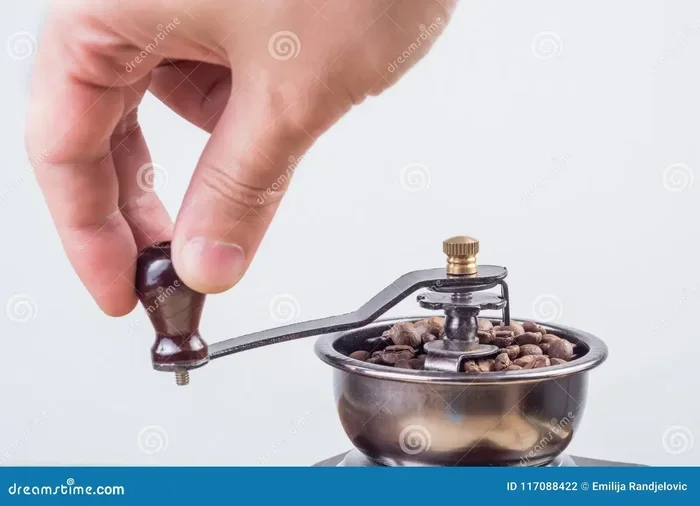
A manual coffee grinder is a compact device with burrs or blades that crush the beans as you turn a crank. These grinders are designed specifically for coffee. They produce a much more consistent grind size than a mortar and pestle. Many models allow you to adjust the grind from coarse to fine with a simple dial.
To use a hand grinder, you add the beans, lock the lid, and turn the handle steadily. Most grinders take about one to two minutes for a single cup. The result is grounds that look almost as uniform as those from a machine. This is the best option if you want a reliable hand grind coffee experience every day. A burr hand grinder is especially recommended because it slices the beans evenly, preserving the flavor and aroma.
When choosing a manual grinder, look for one with hardened steel burrs. These stay sharp for a long time and can handle thousands of cups. Some grinders also have a built-in scale, which helps you get the perfect coffee to water ratio every time. The investment is small compared to the quality of coffee you will enjoy.
Improvised Tools: Rolling Pin, Hammer, and More
If you do not have a dedicated grinder, you can use items you already own. A rolling pin works well for a quick coarse crush. Place beans in a ziplock bag and roll over them gently. A hammer or meat tenderizer can also break beans, but you must be careful not to turn them into powder. The key is to use a light touch and check the size often.
You can place a porcelain plate under your grinding area to catch any stray grounds. This keeps your counter clean. Just remember that while you can use a porcelain plate to catch grounds, you should never put it in the oven like the article Can I Put A Porcelain Plate In The Oven asks. The plate is only for catching, not for heating.
Another improvised method is to put beans in a sturdy ziplock bag and use a heavy pan as a press. Place the bag on a cutting board and press down firmly with the pan. This works in a pinch but will not give you a very uniform texture. Save this method for emergencies only.
Key Takeaways for Tool Selection
- Mortar and pestle: Best for small batches and coarse grinds. Inexpensive and always available.
- Manual hand grinder: Best for consistent grind size and ease of use. Worth the small investment.
- Improvised tools: Good for emergencies or one-time use. Not ideal for daily grinding.
Step-by-Step Guide to Hand Grinding Coffee Beans
Follow these simple steps to get the best results from your manual grinding.
- Measure your beans: Start with the amount you need for one cup, usually about 15 grams or two tablespoons. Grinding more than you need can lead to wasted coffee because the grounds lose freshness quickly. A good coffee to water ratio is about 1:16, but you can adjust to taste.
- Choose your vessel: Use a sturdy bowl or the mortar. Make sure it is dry and clean. You do not want any moisture or flavors from a previous use. Unlike baking pottery in an oven, where the vessel must withstand high heat, your grinding bowl just needs to be tough enough to handle the pounding. A ceramic or stainless steel bowl works perfectly.
- Add the beans: Put the measured beans into the bowl. Do not overfill. Leave enough room for the beans to move around and break evenly.
- Start grinding: For a mortar and pestle, press down and twist. For a hand grinder, turn the crank steadily. Use a pulsing motion for a more even result. You do not need to cover the beans like you would cover steak when cooking in the oven; leaving them uncovered allows heat to escape and keeps the beans from sweating. This keeps the oils intact.
- Check the grind: Stop every 30 seconds and rub a pinch between your fingers. This helps you feel the texture and adjust your technique. Aim for a consistent size that matches your brew method.
- Transfer and brew: Once the beans are ground, immediately pour them into your brewing device. Freshness is key, so do not let the grounds sit too long. The whole process should take less than five minutes.
Quick Tips for Better Hand Grinding
- Chill the beans first: Slightly freezing the beans for 10 minutes makes them easier to grind and reduces dust.
- Use a pulsing motion: Short bursts prevent overheating and give you more control over the texture.
- Do not grind too much at once: Overfilling the bowl leads to uneven grounds and wasted beans.
- Keep your tools dry: Moisture can make the grounds clump and spoil faster.
- Clean as you go: A quick brush after each use prevents oil buildup and keeps your grinder in top shape.
Achieving the Perfect Grind Size for Your Brew Method
The grind size is the most important factor in hand grinding. Different brew methods require different textures. Here is how to match your hand grind to the perfect cup.
Coarse Grind for French Press
A coarse grind looks like sea salt. It is chunky and large. For a French press, you need this size because the water steeps with the grounds for several minutes. A coarse grind prevents over-extraction and keeps the coffee from becoming bitter. Hand grinding to a coarse texture takes about two to three minutes with a hand grinder or a few more minutes with a mortar and pestle. The result is a rich, full-bodied cup.
Medium Grind for Drip Coffee
Medium grind is similar to sand. It works well for drip coffee makers and pour-over devices. The water flows through the grounds at a moderate speed, extracting the flavors evenly. If your grind is too fine, the coffee will be slow and muddy. If it is too coarse, it will be weak and watery. A hand grinder with adjustable settings makes it easy to dial in the perfect medium. Most people find medium grind the most versatile for everyday brewing.
Fine Grind for Espresso
A fine grind is powdery, like flour. It is necessary for espresso because the water is forced through the grounds under pressure. Hand grinding to a fine consistency is challenging but possible. It requires patience and a steady hand. A manual burr grinder is the best tool for this job because it produces a uniform fine grind. Expect to spend four to five minutes grinding for a double shot. The payoff is a rich, velvety espresso with a beautiful crema.
| Brew Method | Grind Size | Hand Grinding Time | Best Tool |
|---|---|---|---|
| French Press | Coarse | 2-3 minutes | Mortar and Pestle or Hand Grinder |
| Drip Coffee | Medium | 3-4 minutes | Hand Grinder with Adjustable Setting |
| Espresso | Fine | 4-5 minutes | Burr Hand Grinder |
Common Mistakes When Grinding Coffee By Hand (and How to Avoid Them)
Even with the right tools, mistakes can ruin your coffee. Here are the most common errors and how to fix them.
Grinding Too Fast
It is tempting to rush the process, especially when you are in a hurry. But grinding too fast generates heat. Heat damages the delicate oils in the coffee beans, leading to a flat, burnt taste. Take your time. A steady, moderate pace produces the best flavor. Never apply extra heat to speed things up, like you might wonder if you can put a candle in the oven. That is a completely different process and will ruin your beans. The goal is gentle, controlled crushing.
Using the Wrong Vessel
Not all bowls are created equal. A thin glass bowl can crack under the pressure of a mortar and pestle. A plastic bowl might retain coffee oils and flavors. Choose a sturdy ceramic or metal bowl that is meant for grinding. Also, never use a bowl that is not designed for food preparation, even if it looks nice. The vessel should be dry, clean, and odor-free.
Not Cleaning Your Grinder
Coffee oils build up over time and go rancid. This gives your next cup a stale, bitter taste. After each use, brush out the grounds and wipe the burrs or mortar with a dry cloth. For a deeper clean, wash the parts with warm water and let them dry completely before storing. Keeping your tool clean is just as important as the grinding technique itself. A clean grinder also prevents cross-flavors if you switch between different coffee beans.
Grinding Too Many Beans at Once
Overfilling the grinding chamber is a common mistake. It leads to uneven grounds because the beans cannot move freely. Stick to the recommended amount for your tool. If you need more coffee, grind in batches. Patience is the secret to a great hand grind.
Expert Insights: Hand Grinding vs. Electric Grinders
Both methods have their place. Understanding the differences helps you choose the right one for your needs.
Flavor Differences
Many coffee experts agree that hand grinding can produce a cleaner, brighter cup. Because you control the speed, you avoid the heat buildup that electric burr grinders sometimes create. The hand grind coffee retains more of the bean’s natural aromas. Electric grinders, on the other hand, are faster and can produce a very consistent fine grind for espresso. If flavor clarity is your top priority, a manual grinder might be the better choice.
Some baristas also note that hand grinding allows you to taste the beans more accurately. The slower process preserves volatile compounds that electric heat can destroy. For specialty single-origin coffees, this difference is especially noticeable. You get to experience the true character of the bean.
Convenience and Portability
An electric grinder is convenient when you are at home. But it requires power and counter space. A manual coffee grinder is the winner for travel. It fits in a pocket, weighs almost nothing, and works anywhere. For campers, travelers, and anyone who values simplicity, a hand grinder is unbeatable. You do not need to worry about batteries or outlets. Just turn the crank and go.
Cost Considerations
Electric grinders can be expensive, especially high-end burr models. A basic hand grinder costs much less and lasts for years. You can find a quality manual grinder for under $30. That makes grinding coffee beans by hand an affordable way to upgrade your daily routine. Over time, you also save money on electricity and replacement parts.
Conclusion
So, can you grind coffee beans by hand? Absolutely. Whether you use a mortar and pestle, a hand-crank grinder, or even a rolling pin, you can make a wonderful cup of coffee without electricity. The process gives you control, saves money, and connects you to the craft of coffee making. Start with a simple tool and practice your technique. Soon, hand grinding will become second nature. Enjoy the fresh, rich flavor of truly hand ground coffee in every cup. Do not let the lack of power stop you from brewing something amazing.
Frequently Asked Questions
Can I grind coffee beans by hand without a grinder?
Yes, you can use a mortar and pestle, a rolling pin, or even a hammer. These improvised tools work in a pinch, though a dedicated manual grinder gives the most consistent results. The key is to use a pulsing motion and check the size often.
How long does it take to grind coffee beans by hand?
It depends on the tool and the grind size. A manual hand grinder takes about one to two minutes for a single cup. A mortar and pestle can take three to five minutes for a coarse grind. Fine grinds like espresso require four to five minutes of steady work.
Does hand grinding coffee change the taste?
Hand grinding can actually enhance the flavor because you control the speed and avoid heat buildup. The hand grind coffee retains more of the bean’s natural oils and aromas. Many coffee lovers say it tastes fresher and brighter compared to some electric grinders.
Is a manual coffee grinder worth it?
Absolutely. A quality manual grinder is affordable, portable, and durable. It does not require electricity or batteries, making it perfect for travel and emergencies. If you drink coffee regularly, a hand grinder is a worthwhile investment that lasts for years.
What is the best grind size for a French press?
A coarse grind, similar to sea salt, is ideal for a French press. This size prevents over-extraction and keeps the coffee from becoming bitter. Hand grinding to a coarse texture takes just a few minutes with a hand grinder or mortar and pestle.
Can you grind flavored coffee beans by hand?
Yes, you can grind flavored beans by hand, but be cautious. Flavored beans have added oils that can leave a residue in your grinder. Clean your mortar or hand grinder thoroughly after each use to prevent the flavors from mixing with your next batch of plain beans.