How To Make Fresh Roasted Coffee At Home Like A Pro
Making fresh roasted coffee at home is easier than you think, and the results are far superior to store-bought bags. This guide walks you through every step, from choosing green coffee beans to mastering roast levels and brewing your first cup. You will learn pro techniques that unlock rich flavor, bold aroma, and maximum freshness every single time.
There is something truly special about brewing a cup of fresh roasted coffee that you made yourself. The aroma fills your kitchen, the flavor is vibrant and complex, and every sip reminds you why so many people are falling in love with home roasting. If you have ever wondered how to make fresh roasted coffee at home like a pro, you are in the right place.
Store-bought coffee often sits on shelves for weeks or even months before you buy it. By that time, much of the flavor and aroma has already faded. When you roast your own coffee beans, you control every variable. You decide the roast level, the roast time, and the flavor profile. The result is a cup of coffee that tastes alive, rich, and completely yours.
This guide covers everything you need to know. We will walk through choosing the right beans, setting up your roasting setup, mastering different roast levels, and storing your freshly roasted coffee so it stays delicious. Whether you are a complete beginner or someone who has dabbled in home roasting before, you will find practical tips and real advice here.
Key Takeaways
- Fresh roasted coffee tastes dramatically better: Home roasting lets you control flavor, aroma, and roast level perfectly.
- You need minimal equipment: A heat source, a roasting vessel, and green coffee beans are all you need to start.
- Roast levels change everything: Light, medium, and dark roasts each bring out different flavor profiles in your beans.
- Patience is key: Proper cooling, degassing, and storage preserve the freshness of your roasted coffee beans.
- Oven roasting works great: You can roast small batches of coffee beans right in your home oven with great results.
- Freshness matters immediately: Roasted coffee tastes best within two to four weeks of roasting when stored properly.
📑 Table of Contents
- Why You Should Make Fresh Roasted Coffee at Home
- Choosing the Right Green Coffee Beans
- Essential Equipment for Roasting Coffee at Home
- Mastering the Roasting Process
- Storing Your Fresh Roasted Coffee
- Brewing Your Fresh Roasted Coffee
- Common Mistakes to Avoid When Roasting Coffee at Home
- Final Thoughts on Making Fresh Roasted Coffee at Home
Why You Should Make Fresh Roasted Coffee at Home
Once you taste the difference, you will never go back to pre-roasted coffee. Fresh roasted coffee offers benefits that go far beyond just better taste. Here is why so many coffee lovers are picking up a roasting pan or a popcorn maker and getting started.
Maximum Flavor and Aroma
Coffee beans start losing their flavor almost immediately after roasting. Within two weeks, a significant portion of the aromatic oils that give coffee its character begin to dissipate. When you roast your own coffee beans, you brew them at the peak of freshness. The result is a cup that is bursting with flavor, aroma, and complexity.
Think about the difference between a freshly baked loaf of bread and one that has been sitting on a shelf for a week. The same principle applies to roast coffee. Fresh beans produce a richer body, a more vibrant acidity, and a smoother finish that pre-roasted bags simply cannot match.
Complete Control Over Roast Level
Every coffee drinker has different preferences. Some love the bright, fruity notes of a light roast. Others prefer the chocolatey, caramel sweetness of a medium roast. And some crave the bold, smoky intensity of a dark roast. When you roast at home, you choose exactly how dark or light you want your beans.
You are not stuck with whatever the roaster decided was best. You experiment. You adjust. You find your perfect roast profile. This level of control is what makes home roasting so exciting and rewarding.
Cost Savings Over Time
Specialty coffee from local roasters can be expensive. A bag of freshly roasted beans often costs $18 to $25 or more. When you roast your own coffee, green coffee beans cost significantly less per pound. A bag of high-quality green beans can yield several pounds of roasted coffee, saving you a considerable amount of money over time.
Plus, you waste less coffee because you only roast what you need. No more tossing out stale beans that have been sitting in the pantry for too long.
Environmental and Ethical Benefits
Many home roasters choose green coffee beans from small-batch farms that practice sustainable and ethical growing methods. By buying green beans directly, you often support farmers more fairly and reduce the packaging waste that comes with commercially roasted coffee.
There is also something deeply satisfying about knowing exactly where your beans come from and how they were grown. This connection to the source of your daily cup of coffee adds a whole new layer of meaning to your morning routine.
Choosing the Right Green Coffee Beans
The foundation of great fresh roasted coffee starts with great green beans. Green coffee beans are simply unroasted coffee seeds that have been harvested, processed, and dried. They look pale, smell grassy, and feel hard to the bite. But once heat is applied, they transform into the aromatic, flavorful beans we all know and love.
Types of Coffee Beans
There are two main species of coffee beans you will encounter when home roasting:
- Arabica: These beans are known for their smooth, complex flavor profiles. They tend to have higher acidity and a wider range of tasting notes, from fruity and floral to nutty and chocolatey. Arabica beans are the most popular choice for home roasting.
- Robusta: These beans have a stronger, more bitter flavor and higher caffeine content. They are often used in espresso blends for added crema and body. Robusta can be a good choice if you like bold, intense roast coffee.
Where to Buy Green Coffee Beans
Finding quality green beans has never been easier. Many online retailers specialize in selling green coffee beans directly to consumers. Look for suppliers who offer detailed information about the origin, processing method, and roast date of their beans. Some popular sources include specialty green coffee importers and local coffee roasters who also sell green beans.
When shopping, pay attention to the roast date if the beans have already been roasted, or the packing date if you are buying green. Fresher beans produce better results. For fresh roasted coffee, always look for beans that were processed within the last few months.
Single-Origin vs. Blends
Single-origin beans come from one specific region or farm. They showcase the unique characteristics of that area, such as the soil, climate, and growing methods. Blends combine beans from multiple origins to create a balanced flavor profile.
If you are new to home roasting, start with a single-origin medium roast bean. It is forgiving and gives you a clear sense of how the roasting process changes the flavor. As you gain experience, you can experiment with different origins and blends.
Essential Equipment for Roasting Coffee at Home
You do not need expensive gear to make fresh roasted coffee at home. In fact, some of the best home roasting setups are simple and affordable. Here is what you need to get started.
Roasting Methods
There are several ways to roast coffee beans at home. Each method has its own advantages and learning curve.
- Oven Roasting: This is one of the most accessible methods for beginners. You simply spread green beans on a baking sheet and roast them in your oven. It works well for small batches and gives you good control over the roasting temperature and time.
- Stovetop Popper: A hot air popper, like the ones used for popcorn, is a popular choice among home roasting enthusiasts. It provides even heat and good airflow, which are essential for even roasting.
- Dedicated Coffee Roaster: If you plan to roast regularly, a dedicated coffee roaster gives you the most control over time, temperature, and roast development. These machines range from affordable entry-level models to professional-grade equipment.
- Cast Iron Skillet: Some roasters swear by roasting beans in a cast iron skillet on the stovetop. This method gives you direct contact with the heat and a rustic, hands-on experience.
Other Must-Have Tools
Beyond a roasting method, a few other tools make the process much smoother:
- A good coffee grinder: You will want to grind your beans right before brewing. A burr grinder provides consistent particle size, which is essential for even extraction and the best flavor.
- A cooling tray or colander: After roasting, beans need to cool quickly to stop the cooking process. A mesh colander or dedicated cooling tray works perfectly.
- A wooden spoon or spatula: For stirring beans during roasting, especially when using an oven or skillet method.
- A timer: Roast time matters a lot. Use a timer to track your roasting time from start to finish.
- A thermometer: An oven thermometer helps you monitor the actual temperature inside your oven, which may differ from what the dial says.
Mastering the Roasting Process
The roasting process is where the magic happens. Green beans transform through a series of physical and chemical changes that develop the flavor, aroma, and color we associate with roast coffee. Understanding these stages helps you achieve consistent, excellent results every time.
The Stages of Coffee Roasting
Roasting coffee beans happens in several distinct stages. Each stage plays a critical role in the final flavor of your fresh roasted coffee.
Drying Phase: The first few minutes involve drying the beans. The moisture inside the beans evaporates, and the beans turn from pale green to yellow. You will notice a grassy smell during this phase. This stage typically lasts three to five minutes depending on your method.
Maillard Reaction: As the temperature rises, amino acids and sugars in the beans begin to react, creating hundreds of new flavor compounds. The beans turn brown and start to develop the complex flavors that define roast coffee. This is the most important phase for flavor development.
First Crack: Around 385 to 400 degrees Fahrenheit, the beans make a cracking sound similar to popcorn popping. This is called the first crack, and it marks the beginning of a light roast. Beans roasted just past first crack are light and bright with pronounced origin flavors.
Second Crack: At higher temperatures, around 435 to 450 degrees Fahrenheit, a second, quieter crack occurs. Beans roasted through second crack become dark roast coffee with bold, smoky, and bittersweet flavors. The origin characteristics become less pronounced as the roast flavors take over.
Roast Levels Explained
Understanding roast levels helps you dial in the flavor you want. Here is a simple breakdown:
- Light Roast: Roasted just past the first crack. These beans are light brown and have no oil on the surface. They preserve the most origin-specific flavors, including fruity, floral, and acidic notes. Light roast is perfect for single-origin beans with interesting flavor profiles.
- Medium Roast: Roasted between the first and second cracks. Medium roast beans are medium brown with a balanced flavor, moderate acidity, and a fuller body. This is the most popular roast level for fresh roasted coffee and works well for most brewing methods.
- Medium-Dark Roast: Roasted just before or at the beginning of the second crack. These beans have a richer, heavier body with some oil starting to appear on the surface. Chocolate and caramel notes become more prominent.
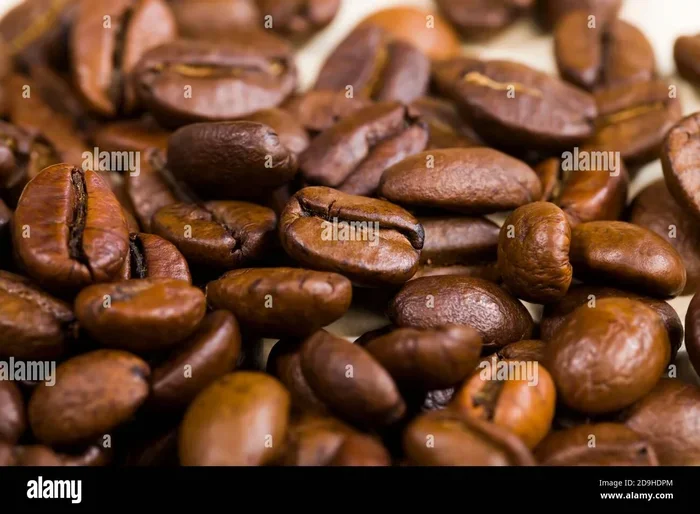
- Dark Roast: Roasted well past the second crack. Dark roast beans are dark brown to nearly black with visible oils. They have a bold, smoky, and sometimes bitter flavor with low acidity. Dark roast is ideal for espresso and those who prefer strong, intense coffee beans.
Oven Roasting Coffee Beans Step by Step
If you want to try oven roasting, here is a simple method that works well for small batches. Roasting in the oven is very similar to how you might roast jackfruit seeds in the oven or brown flour, since it relies on even heat circulation around the beans.
- Preheat your oven to 450 degrees Fahrenheit. Place an oven thermometer inside to verify the temperature.
- Spread a single layer of green coffee beans on a perforated baking sheet or a wire cooling rack placed over a baking sheet. The perforations allow airflow, which is essential for even roasting.
- Place the tray in the oven and set your timer for 10 minutes.
- Every two to three minutes, open the oven and stir the beans with a wooden spoon. This ensures even heat distribution and prevents burning.
- Listen for the first crack, which usually occurs around the 8 to 12-minute mark. This is your signal that the beans have reached a light roast level.
- For a medium roast, continue roasting for another two to four minutes after the first crack. For a dark roast, continue until you hear the second crack.
- Once the beans reach your desired roast level, remove the tray and pour the beans into a colander or cooling tray.
- Stir the beans vigorously to cool them quickly and stop the roasting process.
After cooling, transfer the beans to a breathable container and let them rest for at least 12 hours. This resting period allows the beans to degas, which means releasing carbon dioxide that built up during roasting. Fresh roasted coffee tastes best after this degassing phase.
Storing Your Fresh Roasted Coffee
Proper storage is just as important as the roasting process itself. Even the best fresh roasted coffee will lose its flavor if stored incorrectly.
The Degassing Period
After roasting, coffee beans release carbon dioxide for several days. This process is called degassing. During the first 12 to 24 hours, you should keep the beans in a container with a one-way valve or a loosely covered vessel. This allows gas to escape without letting oxygen in.
Most experts recommend waiting at least 12 hours after roasting before brewing. Some prefer to wait 24 to 48 hours for the best flavor development. During this time, the coffee beans settle and the flavors become more balanced and harmonious.
Best Storage Practices
- Use an airtight container: Oxygen is the enemy of fresh roasted coffee. Store your beans in an airtight container made of ceramic, glass, or stainless steel.
- Keep it cool and dark: Heat, light, and moisture all degrade coffee flavor quickly. Store your container in a cool, dark cupboard away from the stove and direct sunlight.
- Avoid the freezer: While some people freeze coffee beans, this can introduce moisture and absorb odors from other foods. For the best flavor, store beans at room temperature and only roast what you will use within two to four weeks.
- Buy in small batches: Roasting small amounts more frequently ensures you always have fresh roasted coffee on hand. A good rule of thumb is to roast enough beans to last one to two weeks.
How Long Does Roasted Coffee Stay Fresh?
Peak flavor for roasted coffee typically occurs between three days and two weeks after roasting. After that, the beans gradually lose their aromatic complexity. By four weeks, the flavor has noticeably declined. This is why so many coffee lovers prefer to roast in small, frequent batches. It guarantees that every cup you brew is as delicious as possible.
If you are serious about home roasting, consider keeping a roasting log. Note the bean origin, roast time, temperature, and how the coffee tasted after brewing. Over time, this log becomes an invaluable resource that helps you refine your technique and consistently produce excellent roast coffee.
Brewing Your Fresh Roasted Coffee
Once your beans have rested and degassed, it is time to brew. The brewing method you choose has a big impact on the final cup. Here are some tips for getting the most out of your fresh roasted coffee.
Grind Size Matters
Grind your beans just before brewing for maximum freshness. The grind size should match your brewing method:
- Coarse grind: Best for French press and cold brew.
- Medium grind: Ideal for drip coffee makers and pour-over methods.
- Fine grind: Perfect for espresso and moka pots.
Water Temperature
The ideal water temperature for brewing coffee is between 195 and 205 degrees Fahrenheit. Water that is too hot will over-extract the beans, resulting in bitter flavors. Water that is too cool will under-extract, leaving the coffee weak and sour.
Ratio and Timing
A good starting ratio is two tablespoons of ground coffee per six ounces of water. Adjust to taste. Brew time also matters. A French press should steep for about four minutes, while espresso should extract in 25 to 30 seconds.
When you brew fresh roasted coffee with properly ground beans and the right water temperature, the difference compared to pre-packaged coffee is remarkable. Every cup becomes an experience.
Common Mistakes to Avoid When Roasting Coffee at Home
Even experienced home roasting enthusiasts make mistakes. Here are some common pitfalls to watch out for:
- Roasting too many beans at once: Overcrowding the roasting vessel leads to uneven roasting. Stick to small batches for consistent results.
- Ignoring the cooling step: Beans continue to cook from residual heat after you take them out of the oven. Cooling them quickly on a mesh tray prevents over-roasting.
- Skipping the degassing period: Brewing immediately after roasting can result in flat, underdeveloped flavors. Let the beans rest for at least half a day.
- Not cleaning your roasting equipment: Residual oils and chaff from previous roasts can affect the flavor of your next batch. Keep your equipment clean and ready.
- Storing beans in the wrong container: Transparent containers expose beans to light, which degrades flavor quickly. Use opaque, airtight containers instead.
Avoiding these mistakes helps you produce consistently excellent fresh roasted coffee every time you roast a batch.
Final Thoughts on Making Fresh Roasted Coffee at Home
Fresh roasted coffee is one of the simplest pleasures you can add to your daily routine. It does not require expensive equipment or years of experience. With a basic setup, some quality green beans, and a willingness to experiment, you can roast coffee at home that rivals anything from a specialty café.
The journey of home roasting is as rewarding as the final cup. You learn about different origins, develop your palate, and refine your technique with every batch. Each roast teaches you something new, and each brew brings the satisfaction of creating something truly special with your own hands.
Start small. Try a single batch of medium roast beans in your oven. Pay attention to the sounds, the smells, and the colors. Take notes. Over time, you will develop an intuition for roasting that allows you to produce fresh roasted coffee that is perfectly tailored to your taste. The aroma alone will make every effort worth it.
So grab a bag of green beans, preheat your oven, and take the first step toward mastering the art of home roasting. Your taste buds will thank you.
Frequently Asked Questions
Can I roast coffee beans in my regular kitchen oven?
Yes, absolutely. Oven roasting is one of the most popular methods for making fresh roasted coffee at home. You simply spread green beans on a baking sheet, roast at around 450 degrees Fahrenheit, and stir every few minutes. It works great for small batches and gives you good control over the roast level.
How long should I let my roasted beans rest before brewing?
Most experts recommend letting fresh roasted coffee beans rest for at least 12 to 24 hours after roasting. This degassing period allows carbon dioxide to escape, which results in a more balanced and flavorful brew. Some roasters prefer to wait up to 48 hours for the best results.
What is the best way to store freshly roasted coffee beans?
Store your beans in an airtight, opaque container at room temperature. Keep the container in a cool, dark place away from heat and moisture. Avoid storing beans in the freezer, as this can introduce moisture and odors. For peak flavor, use your roast coffee within two to four weeks of roasting.
Do I need special equipment to start roasting coffee at home?
Not at all. You can start with just a baking sheet, your kitchen oven, a colander for cooling, and a bag of green coffee beans. As you get more serious, you might invest in a hot air popper or a dedicated coffee roaster, but these are optional. The most important tool is your willingness to learn and experiment.
How do I know when my coffee beans are done roasting?
The best way to tell is by listening for the cracks. The first crack, which sounds like popcorn popping, signals a light roast. The second crack, which is quieter and more subtle, signals a medium-dark to dark roast. You can also watch the color change and trust your sense of smell. Experienced roasters can tell when beans are ready simply by the aroma filling the room.
Is home-roasted coffee healthier than store-bought coffee?
Home-roasted coffee can be healthier in the sense that it is fresher and free from the additives or flavorings sometimes found in commercial coffee. Fresh roasted coffee beans retain more of their natural antioxidants and aromatic compounds because you brew them at the peak of freshness. However, the health benefits depend largely on the quality of the beans and how you brew them.