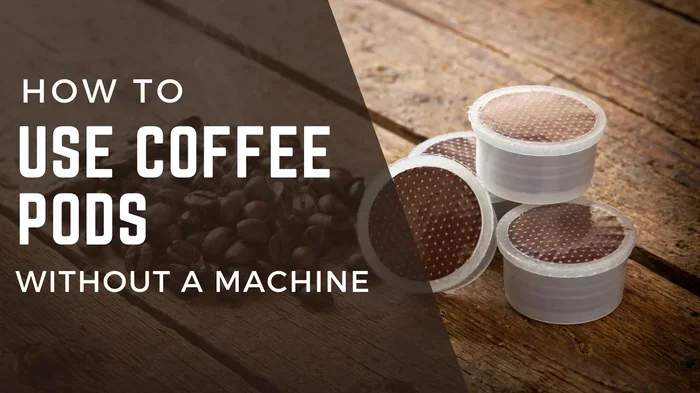
How To Use A Coffee Pod Without Machine At Home Today
Using a coffee pod without a machine is easy, affordable, and surprisingly simple. You can brew a great cup of coffee with just a coffee pod, hot water, and a few basic kitchen tools. This guide shows you how to use a coffee pod without machine methods that work perfectly at home today.
Key Takeaways
- Multiple Methods: You can brew a coffee pod without a machine using hot water steeping, stovetop simmering, or a manual press method.
- Minimal Tools Needed: All you need is a coffee pod, hot water, a mug, and a basic strainer or filter.
- Cost Effective: Making coffee this way saves money compared to buying a pod machine.
- Quick and Easy: Each method takes just a few minutes from start to finish.
- Customizable: You can adjust strength, temperature, and flavor to match your personal taste.
- No Special Equipment: You do not need a Keurig or any expensive coffee maker to enjoy pod coffee.
📑 Table of Contents
- What Is A Coffee Pod And Why Brew Without A Machine
- Tools And Ingredients You Will Need
- Step-By-Step Methods To Brew Coffee Pods Without A Machine
- Tips For The Best Results And Common Mistakes To Avoid
- Expert Insights And Creative Brewing Ideas
- Why Brewing Coffee Pods Without A Machine Makes Sense
- Conclusion
What Is A Coffee Pod And Why Brew Without A Machine
There is something satisfying about brewing a fresh cup of coffee without relying on bulky equipment. Maybe your coffee pod without machine situation came up because your device broke. Or perhaps you are traveling and do not have access to one. Whatever the reason, you can still enjoy a delicious cup of pod-brewed coffee. The process is simpler than you might think. With just a few household items, you can extract rich flavor from your favorite pods. This guide walks you through every method step by step. You will be brewing great coffee in no time.
Many people assume pod coffee requires a specialized machine. That is not true at all. A coffee pod is simply a pre-portioned serving of ground coffee sealed in a filter pouch. All it needs is hot water to release its flavor. You can mimic the brewing process using basic kitchen tools. Whether you prefer a strong espresso-style shot or a milder drip coffee, there is a method for you. Let us explore the easiest and most effective ways to make this work at home.
The Basics Of Pod Coffee
Most coffee pods contain finely ground coffee inside a paper or plastic filter. The pod is designed to allow water to flow through the grounds and extract flavor. When you use a machine, it pushes hot water through the pod at high pressure. Without the machine, you recreate this process manually. The key is using water that is hot enough but not boiling. Aim for around 195 to 205 degrees Fahrenheit. This temperature range ensures proper hot water extraction without burning the coffee.
Brewing without a machine gives you more control. You decide the water temperature. You choose how long to steep. You control the strength of your cup. Many coffee lovers find that manual brewing produces a cleaner, more customized result. It also saves you from buying expensive machines. If you have a stash of pods sitting in your pantry, there is no reason to let them go to waste.
Tools And Ingredients You Will Need
Before you start, gather a few simple items. You do not need anything fancy or expensive. Here is what you should have ready:
- Coffee pods of your choice (any flavor or brand works)
- Hot water heated to just below boiling
- A mug or cup large enough to hold the pod and water
- A spoon or stirrer for mixing
- A strainer or cheesecloth to filter out grounds
- A timer to track steeping time
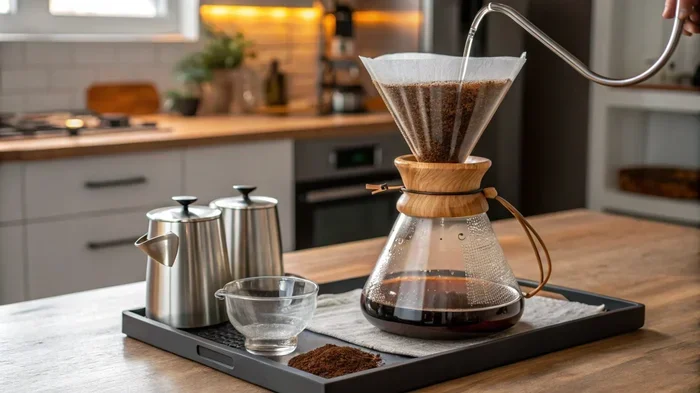
That is it. No special equipment needed. If you want to get a bit more advanced, you can use a pour-over dripper or a French press. But even the simplest setup produces great results. The beauty of no machine coffee brewing is that it works with whatever you already have in your kitchen.
For those who already have kitchen gadgets, having tools like the How To Use Breville Smart Oven Air Fryer guide can help you understand how to use other countertop appliances efficiently. While that guide focuses on oven air fryers, the same principle applies here, you are finding creative ways to use what you have.
Step-By-Step Methods To Brew Coffee Pods Without A Machine
Now for the fun part. Here are three proven methods to brew your coffee pod without machine setup. Each one is simple and effective. Pick the method that suits your style and tools.
Method 1: The Hot Water Steep
This is the easiest method. It works just like making tea with a tea bag. Follow these steps:
- Place your coffee pod into a clean mug.
- Heat water to about 200 degrees Fahrenheit. Do not let it boil.
- Pour the hot water over the pod slowly.
- Let it steep for 3 to 5 minutes.
- Remove the pod and stir your coffee gently.
- Add milk, sugar, or cream if you like.
The steeping time controls the strength. A shorter steep gives you a lighter cup. A longer steep produces something bolder and richer. This coffee pod steeping method is perfect for beginners. It requires almost no effort and delivers consistent results every time.
Quick Tip: Use a spoon to gently press the pod against the side of the mug. This helps release more flavor from the grounds. Just be gentle, you do not want to tear the pod.
Method 2: The Stovetop Simmer
This method gives you more control over the brewing process. It works well if you want a stronger, more concentrated cup:
- Place the coffee pod in a small saucepan.
- Add about one cup of water.
- Heat the mixture on low to medium heat.
- Let it simmer gently for 4 to 6 minutes.
- Stir occasionally to help extraction.
- Pour through a strainer into your mug.
The stovetop method mimics what a machine does, but at a slower pace. The gentle heat draws out more flavor from the grounds. This is one of the best coffee pod brewing methods for people who enjoy a rich, full-bodied cup. The result is closer to what you would get from an espresso machine.
Quick Tip: Do not let the water boil. Boiling water can make your coffee taste bitter. Keep the heat low and let the warmth do the work.
Method 3: The Manual Press Method
If you have a French press or a similar plunger tool, this method is for you:
- Open the coffee pod carefully and empty the grounds into your French press.
- Add hot water at around 200 degrees Fahrenheit.
- Stir the mixture gently.
- Let it sit for 4 minutes.
- Press the plunger down slowly and steadily.
- Pour your coffee into a mug and enjoy.
This method gives you the most control over brewing coffee pods manually. The French press filter catches all the fine particles, leaving you with a clean, smooth cup. You can also reuse the pod grounds for a second, lighter brew. This is a great way to get the most out of every pod.
Quick Tip: If you do not have a French press, a regular mesh strainer or even a clean cloth can work. Just pour the brewed coffee through your filter of choice.
Tips For The Best Results And Common Mistakes To Avoid
Getting the perfect cup takes a little practice. Here are some tips to help you get the best flavor every time:
- Use fresh hot water: Reheated water loses oxygen, which affects taste. Always use freshly boiled water that has cooled slightly.
- Experiment with steeping time: Try 2 minutes for a light cup, 4 minutes for medium, and 6 minutes for bold.
- Crush the pod gently: Before steeping, lightly crush the pod with a spoon. This increases the surface area and releases more flavor.
- Add flavor enhancers: A dash of cinnamon, a splash of vanilla, or a few cocoa nibs can elevate your cup.
- Keep notes: Write down what works for you. Track water temperature, steeping time, and pod type. This helps you replicate your perfect cup.
- Use the right water ratio: About 6 ounces of water per pod is a good starting point. Adjust to your taste.
These simple coffee pod hacks make a big difference. They transform a basic hack into a genuinely enjoyable coffee experience. You will notice the flavor improves with each small adjustment.
Now let us talk about mistakes. Even simple methods have pitfalls. Here are the most common errors people make when brewing coffee pod without machine style coffee:
- Using boiling water: This burns the coffee grounds and creates a bitter taste. Always let boiling water cool for a minute or two before using it.
- Steeping too long: Over-extraction leads to harsh, unpleasant flavors. Stick to the recommended time ranges.
- Ignoring water quality: The water you use matters a lot. Filtered water produces cleaner, better-tasting coffee than tap water.
- Not pre-wetting the pod: Dry grounds extract unevenly. A quick rinse with a little hot water before the main brew helps.
- Using the wrong pod type: Some pods are designed for specific machines. Check that your pod is a standard ground coffee pod, not a capsule designed only for pressurized systems.
Avoiding these mistakes ensures you get the best possible flavor. It is amazing how much difference a small change can make. Pay attention to these details and your coffee will taste noticeably better.
Expert Insights And Creative Brewing Ideas
Coffee professionals have long recognized that pod coffee does not need a machine. The science behind extraction is the same whether you use a device or do it by hand. Here are some insights from coffee experts:
Water temperature is everything. The ideal range of 195 to 205 degrees Fahrenheit allows for optimal flavor extraction. Too hot and you burn the grounds. Too cool and you under-extract, resulting in weak, sour coffee.
Grind size matters more than you think. Coffee pods already have a pre-set grind, which is one reason they work so well without a machine. The fine grind allows for quick extraction in hot water. If you ever make your own DIY coffee pod at home, aim for a medium-fine grind similar to what you find in store-bought pods.
Freshness counts. Coffee pods have a long shelf life, but for the best flavor, use them within a few weeks of opening the package. Store them in a cool, dry place away from direct sunlight.
These expert insights apply whether you are using a single serve coffee pod or making your own homemade coffee pod from scratch. The principles of good extraction remain the same.
Measuring your ingredients correctly also plays a role. Proper coffee pod water ratio ensures balanced flavor. If you are curious about measuring techniques for other kitchen tools, the How To Measure Toaster Oven guide offers useful insights on precision measurement that applies to coffee brewing as well.
Can You Reuse A Coffee Pod
Yes, you can reuse a coffee pod, but the results will be different. The first brew extracts most of the flavor. A second steep produces a lighter, milder cup. Some people enjoy this as a gentle afternoon coffee. Here is how to do it:
- After your first brew, remove the pod and let it cool.
- Store the used pod in a small container.
- When you are ready for a second cup, add the pod back to a mug.
- Pour hot water over it and steep for 2 to 3 minutes.
- The second brew will be noticeably lighter in flavor.
Reusing pods is a great way to reduce waste. It also saves you a little money. However, do not expect the second cup to taste as strong as the first. Think of it as a bonus brew rather than a full replacement.
For those who want to minimize waste even further, consider making your own reusable coffee pod from a filter and ground coffee. This eco-friendly approach lets you fill your own pods with fresh grounds. It works perfectly with the coffee pod without machine methods described above.
When it comes to keeping your kitchen clean after brewing, remember that proper maintenance matters. If you use other kitchen appliances, knowing how to clean them properly is important. Check out the How To Clean Oster Toaster Oven guide for helpful tips on maintaining your kitchen equipment. A clean workspace makes the entire coffee brewing process more enjoyable.
Why Brewing Coffee Pods Without A Machine Makes Sense
There are many reasons people choose to brew pod coffee without a machine. Here are the most compelling ones:
- Cost savings: Pod machines can be expensive. Brewing manually eliminates that upfront cost.
- Portability: You can brew pod coffee anywhere you have hot water. Hotel rooms, offices, camping trips, and more.
- Less waste: Manual brewing often uses reusable filters and fewer disposable parts.
- More control: You customize every variable, from water temperature to steeping time.
- Simplicity: Fewer parts to clean, fewer things to go wrong.
- Space saving: No bulky machine taking up counter space.
Once you try brewing coffee pods manually, you may find you prefer it. It is a slower, more mindful process. But that is part of the appeal. You are in complete control of your cup. Every sip reflects your choices and preferences.
When you are done brewing, cleaning up is quick and easy. Unlike a machine with multiple parts, your setup involves just a mug, a strainer, and maybe a spoon. A clean kitchen is a happy kitchen, and keeping things tidy after your coffee pod without machine routine takes less than a minute.
Conclusion
Using a coffee pod without machine at home is easier than most people think. You have learned three simple methods: the hot water steep, the stovetop simmer, and the manual press. Each one delivers great results with minimal effort. All you need is hot water, a pod, and a few basic kitchen tools.
Remember to use water in the right temperature range. Pay attention to steeping times. Experiment with flavors and ratios to find your perfect cup. These coffee pod brewing methods give you freedom from expensive machines while still delivering the coffee you love.
Whether you are saving money, traveling, or just looking for a simpler way to enjoy your favorite pods, these techniques work beautifully. Start with the method that appeals to you most. Practice a few times. Soon, brewing pod coffee without a machine will feel completely natural. Your kitchen, your schedule, and your taste buds will all thank you.
Grab a pod, heat some water, and give it a try today. You might just discover your new favorite way to enjoy coffee. The simplicity and flexibility of no machine coffee brewing open up a world of possibility right in your own home.
Frequently Asked Questions
Can I Use Any Coffee Pod Without A Machine?
Most standard coffee pods work without a machine. Look for pods that contain ground coffee in a paper or filter pouch. Avoid pods that are sealed capsules designed only for pressurized machines. If you can open the pod and see ground coffee inside, it will work for manual brewing methods.
How Long Should I Steep A Coffee Pod In Hot Water?
Steeping time depends on how strong you like your coffee. For a mild cup, steep for 2 to 3 minutes. For a medium strength, go with 4 to 5 minutes. For a bold, intense brew, steep for 5 to 6 minutes. Start with 4 minutes and adjust from there based on your taste preferences.
Is Coffee Made Without A Machine As Good As Machine-Brewed Coffee?
It can be just as good, and some people prefer it. Manual brewing gives you more control over water temperature, steeping time, and strength. The flavor profile may be slightly different from machine-brewed coffee, but many people find the manual method produces a cleaner, more balanced cup.
Can I Reuse A Coffee Pod More Than Twice?
You can, but the flavor diminishes with each use. The first brew extracts the majority of the available flavors. A second brew is noticeably lighter. A third brew will be very mild. For the best taste, limit reuse to one or two times per pod.
What Is The Best Water Temperature For Brewing Coffee Pods Without A Machine?
The ideal temperature is between 195 and 205 degrees Fahrenheit. If you do not have a thermometer, boil the water and then let it sit for about 30 seconds. This cooling period brings it into the optimal range for extracting flavor without burning the coffee grounds.
Do I Need Special Filters Or Strainers To Brew Coffee Pods Manually?
No special filters are required. A standard mesh strainer, a piece of cheesecloth, or even a clean paper towel can work. If you have a French press, that works perfectly too. The goal is to separate the liquid from the pod grounds, and most kitchen strainers handle this job well.