How Long Do You Put Cinnamon Rolls In The Oven Today
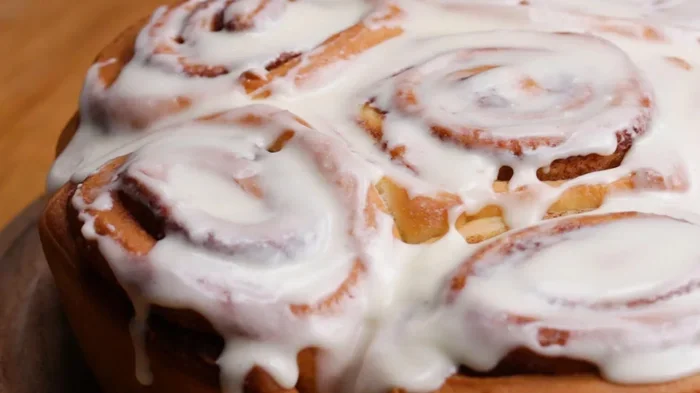
How long do you put cinnamon rolls in the oven? The answer depends on the type of dough, oven temperature, and whether you are baking from frozen or fresh. Most homemade cinnamon rolls bake for 20 to 30 minutes at 350°F until they turn golden brown. Cinnamon roll baking time can vary, so use a toothpick test to check for a perfectly fluffy interior. This guide shows you the exact oven temperature and timing for every situation.
Baking cinnamon rolls at home is a joy. But the question everyone asks is, how long do you put cinnamon rolls in the oven? The answer is not a single number. It depends on your dough, your oven, and what you are baking. This guide covers everything you need to know. You will learn the exact baking time, temperature, and tricks for perfect rolls every time.
Whether you are using a homemade cinnamon roll recipe or pulling frozen rolls from the freezer, the baking time can shift. Fresh yeast dough needs a full rise before it hits the heat. Frozen rolls need a little extra time to thaw and bake through. Canned rolls are quick and easy but still require attention. I will break down each scenario so you never have to guess again.
The oven temperature you choose sets the foundation. Too hot and the outside burns before the inside cooks. Too cool and the rolls turn dense and pale. Most experts agree that 350°F (175°C) is the ideal oven temperature for cinnamon rolls. This moderate heat allows the dough to rise fully in the oven while the sugar and butter caramelize into a sweet, golden crust. I will show you how to adjust for different types of dough and your specific oven.
Key Takeaways
- Standard baking time: Most cinnamon rolls need 20 to 30 minutes at 350°F (175°C).
- Frozen rolls take longer: Expect 25 to 35 minutes, and always preheat the oven.
- Temperature matters: 350°F is the sweet spot for even baking and a gooey center.
- Use the toothpick test: A clean toothpick means your cinnamon roll baking time is complete.
- Avoid common mistakes: Do not skip proofing, and keep the oven door closed during baking.
- Cool before frosting: Let rolls rest for 10 minutes to set the cream cheese frosting or glaze.
📑 Table of Contents
Why Baking Time Matters for Cinnamon Rolls
Getting the baking time right is the difference between a perfect roll and a dry, crumbly disappointment. The baking time is not just about the clock. It is about how heat interacts with the dough, the filling, and the frosting. Understanding this helps you make better rolls every single time.
The Role of Dough Type
Different doughs need different baking times. Yeast-based doughs are soft and pillowy. They need time for the yeast to create air pockets. Quick bread doughs use baking powder or baking soda. They rise fast and bake more quickly. Knowing your dough type tells you how long to put cinnamon rolls in the oven.
Yeast doughs usually need 20 to 30 minutes. Quick bread doughs can be done in 15 to 20 minutes. Always check the dough with a toothpick. The toothpick should come out clean or with just a few moist crumbs. A wet batter means more baking time is needed.
Oven Variability
Not all ovens heat the same way. A convection oven uses a fan to circulate hot air. This can reduce baking time by 25%. A conventional oven relies on radiant heat from the top and bottom elements. It may need a few extra minutes. If you have a convection oven, lower the temperature by 25°F and check early.
Oven hot spots are another issue. Some ovens heat unevenly, leaving one corner cooler than the rest. Rotating the baking sheet halfway through the baking time helps. This simple step ensures all sides of the rolls bake evenly. It prevents one roll from being burnt while another is still doughy.
The Perfect Oven Temperature for Cinnamon Rolls
The oven temperature is the most important setting you control. Most cinnamon roll recipes call for 350°F (175°C). This temperature is hot enough to set the structure of the dough but gentle enough to let the butter and sugar melt into a gooey, caramelized filling. I always preheat my oven to 350°F before the rolls go in.
Standard Baking Temperature
350°F is the gold standard for homemade cinnamon rolls. At this temperature, the outside turns a beautiful golden brown in about 20 minutes. The inside stays soft, fluffy, and slightly gooey. If you like a more caramelized crust, you can increase the temperature to 375°F for the last 5 minutes. Watch them closely to avoid burning.
For store-bought cinnamon rolls, the package usually says 350°F. Follow that guidance. The baking time on the box is tested for that specific product. I have found that adding 2 to 3 minutes to the box time often gives a better result. This extra time ensures the center is fully cooked without drying out the edges.
Adjusting for High Altitude
High altitude changes everything. At elevations above 3,000 feet, air pressure is lower. Water boils at a lower temperature. This means your dough dries out faster. Increase the oven temperature by 15 to 25°F to set the dough quickly. Also, reduce the baking time slightly because the higher heat speeds up the process. Adding a little extra flour or liquid to the dough helps too.
Preheating Matters
Never put cinnamon rolls into a cold oven. Always preheat the oven to the full oven temperature before baking. A preheated oven gives the dough an immediate burst of heat. This shock starts the yeast activity and sets the outer structure right away. I turn my oven on at least 15 minutes before the rolls are ready. A reliable oven thermometer helps you know the true temperature inside.
Baking Different Types of Cinnamon Rolls
The baking time changes based on what you are baking. Homemade dough, frozen dough, canned dough, and biscuit-style dough all have different needs. The table below gives you a quick reference. I will explain each type in detail after the table.
| Type of Cinnamon Roll | Oven Temp | Baking Time | Key Tip |
|---|---|---|---|
| Homemade yeast dough | 350°F (175°C) | 20–30 minutes | Let dough rise until doubled before baking |
| Frozen raw dough | 350°F (175°C) | 25–35 minutes | Do not thaw; bake directly from frozen |
| Frozen pre-baked rolls | 350°F (175°C) | 15–20 minutes | Heat until internal temp reaches 165°F |
| Canned cinnamon rolls | 350°F (175°C) | 18–22 minutes | Check early; canned dough bakes fast |
| Biscuit-style (no yeast) | 375°F (190°C) | 12–18 minutes | Use a higher temp for a crisp top |
Homemade Cinnamon Rolls
Homemade cinnamon roll recipe dough is the most rewarding. The baking time is usually 20 to 30 minutes. The dough needs to rise twice before baking. First, let the dough rise in a bowl until doubled. Then let it rise again in the pan after rolling and filling. This double rise creates a light, airy texture. The baking time starts when the rolls hit the preheated oven. Look for a deep golden brown color and a firm top. The center should feel slightly soft when you press it gently.
Frozen Cinnamon Rolls
Frozen raw dough rolls need the longest baking time. Because the dough is cold, it takes longer to heat through. Place the frozen rolls directly on a parchment-lined baking sheet. Do not thaw them first. The cold dough needs the full 25 to 35 minutes at 350°F. The oven heat slowly warms the dough, allowing the yeast to activate and the butter to melt. The result is a roll that tastes freshly made. I always set a timer for 25 minutes and check for doneness. If the toothpick still shows wet dough, I add 5 more minutes.
Canned Cinnamon Rolls
Canned cinnamon rolls are a shortcut. They are pre-made and ready to bake. The baking time is shorter, usually 18 to 22 minutes. The dough in cans is soft and already contains leavening agents. It rises quickly in the oven. I always set my timer for 15 minutes to check early. Canned dough can go from perfect to overbaked in just a few minutes. The goal is a lightly browned top with a gooey, caramelized filling. Remove them the moment the edges turn golden.
From-Scratch Dough vs. Mix
Making dough from scratch gives you control over the baking time. A from-scratch yeast dough needs a full rise, which adds 1 to 2 hours of prep time. The actual baking time in the oven is 20 to 30 minutes. A bread mix skips the rising step. The mix contains dried yeast and stabilizers. The baking time for mix-based rolls is often 18 to 25 minutes. Both methods work well. The choice depends on how much time you have.
Step-by-Step Guide to Baking Cinnamon Rolls
Follow these steps for perfect cinnamon rolls every time. I have baked hundreds of batches, and this process never fails. Each step is simple and easy to follow.
- Prepare your pan. Grease a 9×13-inch baking dish or line a baking sheet with parchment paper. Parchment paper prevents sticking and makes cleanup easy. It also promotes even browning on the bottom of the rolls.
- Preheat the oven. Set your oven to 350°F (175°C). Let it fully preheat. An oven thermometer can verify the true temperature. A correctly preheated oven is essential for the right baking time.
- Prepare the dough. If using homemade dough, let it rise until doubled. If using frozen dough, place the rolls directly in the pan. If using canned rolls, open the can and place the rolls in the pan with the cinnamon side up.
- Bake on the center rack. The center rack allows hot air to circulate evenly. Placing rolls on the top rack can cause the tops to burn. Placing them on the bottom rack can leave the bottoms pale. The center rack gives the best oven temperature distribution.
- Set the timer. For homemade rolls, set it for 20 minutes. For frozen rolls, set it for 25 minutes. For canned rolls, set it for 15 minutes. Always check a few minutes before the timer goes off.
- Perform the toothpick test. Insert a toothpick into the thickest roll. Pull it out. If it comes out clean or with dry crumbs, the rolls are done. If it comes out wet with batter, bake for 3 to 5 more minutes.
- Check the internal temperature. Use a kitchen thermometer. The center of the roll should read 190°F (88°C). This temperature ensures the dough is fully cooked but still moist. The internal temperature is the most reliable indicator of doneness.
- Remove and cool. Take the pan out of the oven. Let the rolls cool for 10 minutes before adding cream cheese frosting or a butter glaze. Hot rolls will melt the frosting too quickly. A short rest lets the structure set.
Preparing the Pan
Choosing the right pan affects the baking time. A dark, non-stick pan absorbs more heat and can brown the bottoms faster. A light-colored aluminum pan reflects heat and bakes more evenly. I prefer a light-colored pan for homemade cinnamon rolls. If you only have a dark pan, reduce the oven temperature by 25°F. This prevents the bottoms from burning while the centers bake through.
Greasing the pan is essential. Use butter or non-stick cooking spray. The butter adds flavor and helps the rolls release cleanly. For extra insurance, line the pan with parchment paper. The parchment creates a barrier between the dough and the metal. It ensures the rolls slide out perfectly every time.
Baking Process
Once the rolls are in the oven, resist the urge to open the door. Opening the door releases heat and can cause the rolls to collapse. The first 15 minutes are critical. The dough is rising and setting. A temperature drop can ruin the rise. Use the oven light to check on the rolls. If you must open the door, do it quickly and only after the 15-minute mark.
The baking time includes the rise in the oven. As the rolls heat up, the yeast creates steam. The steam puffs up the dough. The butter in the filling melts and seeps into the layers. The sugar caramelizes on the surface. This whole process happens during the baking time. That is why the rolls are soft and gooey when they come out.
Checking for Doneness
Visual cues are helpful. The rolls should be a deep golden brown on top. The edges should be slightly darker than the center. The filling should be bubbling lightly around the edges. These signs tell you the baking time is nearly complete. But the final test is the toothpick and the internal temperature. A clean toothpick and a reading of 190°F mean the rolls are perfect. The inside will be fluffy and slightly moist, not raw.
Common Mistakes That Affect Baking Time
Even experienced bakers make mistakes. Knowing the common pitfalls helps you avoid them. Here are the errors that mess up your baking time and how to fix them.
Skipping the Proofing Step
Proofing is the final rise before baking. If you skip this step, the rolls will be dense and heavy. The baking time will be the same, but the texture will be wrong. The dough needs time for the yeast to produce gas. This gas creates the soft, airy pockets inside the roll. Always let the shaped rolls proof for 30 to 45 minutes before they go in the oven. The rolls should look puffy and nearly double in size.
Opening the Oven Door Too Often
Every time you open the oven door, you drop the temperature by 25 to 50 degrees. This temperature swing can collapse the dough. The rolls may sink in the middle. The baking time can also increase because the oven has to recover the lost heat. Trust the oven light and the window. Only open the door when you are ready to test for doneness near the end of the baking time.
Using the Wrong Rack Position
The top rack exposes the rolls to intense radiant heat from the upper element. The bottoms can burn while the centers stay raw. The bottom rack leaves the rolls too far from the heat. The tops may not brown properly. The center rack is the best position for even baking time and color. If you need a darker top, switch to the top rack for the last 3 to 5 minutes only.
Overbaking
Overbaking is the most common mistake. Many people leave the rolls in the oven until they look deeply browned. This dries out the inside. The rolls become tough and crumbly. Set a timer and check early. The baking time is a range, not a fixed number. Pull the rolls out when they are golden brown and the toothpick test passes. They will continue to cook slightly on the hot pan after removal.
Not Letting the Rolls Cool Before Frosting
Adding cream cheese frosting or a glaze to hot rolls melts it instantly. The frosting soaks into the dough instead of sitting on top. The result is a soggy, sweet mess. Let the rolls cool for at least 10 minutes. The heat will slightly melt the frosting, but it will hold its shape. A cool roll also absorbs the frosting better, giving you that perfect creamy bite.
Quick Tips
- Quick Tip: Always use a light-colored baking sheet to prevent over-browning.
- Quick Tip: Place a shallow pan of water on the bottom rack if your oven is dry. This adds moisture and keeps the rolls soft.
- Quick Tip: Brush the tops with melted butter right after baking for a richer flavor and softer crust.
Expert Insights
Professional bakers know that the center rack is the secret to even baking. The center of the oven has the most consistent heat. It avoids the intense top heat and the cool bottom of the oven. I always place my baking sheet in the dead center of the oven. This one habit has improved my baking time and color more than any other change.
Expert Tips for Perfect Cinnamon Rolls Every Time
Mastering the baking time and oven temperature is just the start. A few extra steps take your rolls from good to incredible. These expert tips make a noticeable difference.
The Butter Brush Technique
After the rolls come out of the oven, brush them with melted butter while they are still hot. The butter soaks into the slightly crisp top and makes it tender. It adds a rich, buttery flavor that complements the cinnamon sugar filling. Use a silicone brush for even coverage. This step is simple but it transforms the texture of the roll.
Cooling Before Frosting
I already mentioned cooling, but it deserves emphasis. A 10-minute rest is the sweet spot. The rolls are cool enough to handle but still warm enough to melt a cream cheese frosting lightly. The frosting sets just enough to stay on top. If you frost them too soon, the frosting slides off and pools at the bottom of the pan. Nobody wants that. Patience here pays off.
Storing Leftover Rolls
Leftover cinnamon rolls stay fresh for 2 days at room temperature. Wrap them tightly in plastic wrap or foil. For longer storage, freeze them. Wrap each roll individually in plastic wrap, then place them in a freezer bag. To reheat, microwave for 15 seconds or warm them in a 300°F oven for 5 minutes. The baking time for reheating is short because the rolls are already cooked. You are just warming them through.
The Gooey Center Secret
If you love a gooey, almost liquid center, pull the rolls out a few minutes early. The internal temperature should be around 180°F (82°C). The rolls will continue to cook on the hot pan. This carryover cooking brings the center to the perfect 190°F. The result is a soft, slightly underbaked middle that oozes when you cut into it. This technique takes practice, but it is worth it for the ultimate gooey bite.
Key Takeaways
The baking time for cinnamon rolls depends on the type of dough and your oven. Most homemade cinnamon rolls bake for 20 to 30 minutes at 350°F. Frozen rolls need 25 to 35 minutes. Canned rolls are done in 18 to 22 minutes. Always preheat the oven and use the center rack. The toothpick test and internal temperature of 190°F are the best ways to check for doneness. Avoid opening the oven door early, and let the rolls cool before adding cream cheese frosting or a glaze. Follow these steps, and you will have bakery-quality cinnamon rolls in your own kitchen.
Conclusion
So, how long do you put cinnamon rolls in the oven? The answer is clear now. For most homemade cinnamon rolls, 20 to 30 minutes at 350°F is the sweet spot. Frozen rolls need a little extra time, and canned rolls bake quickly. The key is to watch for the golden brown color, use the toothpick test, and trust the internal temperature. The oven temperature and baking time work together to create a fluffy, gooey, perfectly caramelized roll. I hope this guide takes the guesswork out of your next batch. Pull on your apron, preheat the oven, and enjoy the warm, sweet smell of fresh cinnamon rolls filling your kitchen.
Frequently Asked Questions
Can I bake cinnamon rolls at 400°F instead of 350°F?
You can, but the baking time will be shorter. At 400°F, the outside will brown faster, which can lead to burnt tops before the inside is fully cooked. If you choose a higher temperature, reduce the baking time by 5 minutes and check early. A slightly lower temperature of 350°F is safer for even results.
How do I know when frozen cinnamon rolls are done?
Frozen rolls need the full 25 to 35 minutes at 350°F. The best test is the toothpick. Insert it into the thickest part of a roll. If it comes out with wet batter, give them 5 more minutes. Also, look for a golden brown top and a firm feel when you gently press the center. The internal temperature should reach 190°F.
Should I cover cinnamon rolls with foil while baking?
Generally, no. Leaving the rolls uncovered allows the top to brown and form a light crust. If the tops are browning too fast, you can loosely tent a piece of foil over the pan for the last 5 to 10 minutes. This protects the surface without trapping too much steam. The foil should not touch the rolls.
Can I use a convection oven for cinnamon rolls?
Yes, a convection oven works well. Reduce the oven temperature by 25°F to 325°F. The fan circulates the heat, which can reduce the baking time by 5 to 10 minutes. Check the rolls 5 minutes earlier than the recipe suggests. Convection ovens can brown the edges faster, so keep an eye on them.
What is the best pan for baking cinnamon rolls?
A light-colored aluminum baking dish or a glass pan works best. A dark non-stick pan can cause the bottoms to over-brown. If you use a dark pan, lower the oven temperature by 25°F. Always grease the pan well or line it with parchment paper to prevent sticking and ensure easy removal.
Do cinnamon rolls continue to cook after removing them from the oven?
Yes, they do. The residual heat in the pan and the rolls themselves continues to cook the center. This carryover cooking can raise the internal temperature by 5 to 10 degrees. That is why pulling the rolls out at 185°F to 190°F is ideal. They will reach a perfect 190°F to 195°F while resting.