Can Coffee Go Bad And Make You Sick
Yes, coffee can go bad and make you sick if it is stored improperly or consumed well past its prime. Old coffee loses its flavor, develops a rancid taste, and may grow mold under certain conditions. In this guide, you will learn how to tell if coffee has gone bad, the health risks of drinking spoiled coffee, and the best ways to store your beans and grounds for maximum freshness.
You reach for your morning cup of coffee, but something smells off. The aroma is flat, or maybe there is a strange odor coming from the bag. You wonder, can coffee go bad and make you sick? The short answer is yes. Coffee can spoil over time, and drinking it when it has gone bad can cause stomach problems and other health issues. In this article, we will explore everything you need to know about coffee freshness, spoilage, and how to keep your daily brew safe and delicious.
Many people assume that dry goods like coffee last forever. After all, coffee beans and grounds are dry, so how could they go bad? The truth is that coffee is more perishable than most people think. Oxidation, moisture, heat, and light all work against your coffee over time. Understanding how these factors affect your coffee helps you make better decisions about storage and consumption. Whether you drink instant coffee, ground coffee, or whole beans, this guide covers it all.
Key Takeaways
- Coffee can spoil over time: Ground coffee and whole beans lose freshness and can develop mold or rancid flavors.
- Drinking old coffee may cause stomach issues: Spoiled coffee can lead to nausea, digestive discomfort, and foodborne illness.
- Storage matters greatly: Proper coffee storage in airtight containers away from heat and moisture keeps coffee fresh longer.
- Watch for spoilage signs: Changes in smell, color, and texture are clear indicators that your coffee has gone bad.
- Brewed coffee has a short shelf life: Left at room temperature, brewed coffee should be consumed within hours for safety.
- Freezing coffee can extend freshness: When done correctly, freezing preserves coffee quality for longer periods.
📑 Table of Contents
- Can Coffee Go Bad And Make You Sick? The Complete Guide
- How Long Does Coffee Last? Understanding Shelf Life
- Signs That Your Coffee Has Gone Bad
- Can Old Coffee Make You Sick? Health Risks Explained
- Best Ways to Store Coffee for Maximum Freshness
- What to Do With Old or Expired Coffee
- Common Mistakes That Cause Coffee to Go Bad Faster
- Expert Tips for the Best Coffee Drinking Experience
- Conclusion
Can Coffee Go Bad And Make You Sick? The Complete Guide
The question of whether coffee can go bad and make you sick is more important than many people realize. Coffee is a daily staple for millions of people around the world. We rely on it for energy, comfort, and routine. But when coffee goes wrong, it can cause real discomfort. Spoiled coffee is not just about bad taste. It can also pose genuine health risks that nobody wants to deal with.
When coffee goes bad, several things happen at the molecular level. The oils in coffee beans begin to oxidize. This process changes the flavor profile and creates compounds that taste bitter or sour. More importantly, under humid conditions, coffee can develop mold. Moldy coffee contains mycotoxins, which are substances that can cause serious health problems. These toxins can lead to nausea, vomiting, and digestive distress. In some cases, consuming moldy coffee over a long period may cause more severe health issues.
The good news is that following simple storage guidelines greatly reduces the risk. Most people can enjoy their coffee safely for weeks or even months if they store it correctly. The key is knowing what to look for and how to prevent spoilage before it starts.
How Coffee Oxidizes and Loses Freshness
Coffee bean oxidation is the primary reason coffee goes stale. When coffee beans are roasted, they release aromatic oils. These oils are what give coffee its rich smell and complex flavor. Once the beans are exposed to air, these oils begin to break down. This process is called oxidation. Oxidation happens to all coffee, whether it is whole beans or ground coffee. However, ground coffee oxidizes much faster because more surface area is exposed to air.
Think of it like an apple slice. When you cut an apple open, it turns brown after a while. Coffee undergoes a similar process, but instead of turning brown, it loses its flavor. The aromatic compounds evaporate, and the coffee tastes flat or papery. While stale coffee is unpleasant, it is usually not dangerous. The real danger comes when moisture enters the picture and allows mold to grow.
Why Freshness Matters for Taste and Safety
Fresh coffee tastes better, and that is not just a matter of opinion. Freshly roasted beans contain volatile compounds that contribute to the complex flavors we love in a good cup of coffee. As these compounds break down, the coffee flavor degradation becomes noticeable. The brew tastes dull, woody, or even sour. But beyond taste, there is a safety angle. Coffee that has been exposed to moisture can harbor bacteria and mold. Drinking coffee with mold can trigger allergic reactions, respiratory issues, and gastrointestinal problems. This is why understanding coffee freshness is not just about enjoying a better cup. It is also about protecting your health.
How Long Does Coffee Last? Understanding Shelf Life
One of the most common questions coffee drinkers ask is how long their favorite brew actually lasts. The answer depends on several factors, including the type of coffee, how it is stored, and whether it has been brewed. Let us break down the shelf life for different forms of coffee.
Whole Bean Coffee Shelf Life
Whole bean coffee has the longest shelf life of all coffee forms. When stored properly in an airtight container away from heat and light, whole beans can maintain good quality for two to four weeks after roasting. Some specialty roasters recommend using beans within two weeks for the best coffee taste. After that point, the coffee bean oxidation process has significantly reduced the flavor. The beans are still safe to drink, but the quality drops noticeably.
If you store whole beans in the freezer, you can extend their freshness for up to three months. The freezer slows down oxidation and preserves the oils. However, you must use an airtight freezer bag to prevent moisture and odors from affecting the beans. Never thaw and refreeze coffee beans, as this introduces condensation and accelerates spoilage.
Ground Coffee Shelf Life
Ground coffee has a much shorter shelf life than whole beans. Once you grind coffee, you expose more surface area to air. This speeds up the oxidation process significantly. In general, ground coffee stays fresh for one to two weeks after grinding if stored in a sealed container at room temperature. Pre-ground coffee from the store may last a bit longer because it is often packaged with one-way valves that release carbon dioxide. However, the flavor still degrades over time.
Many coffee bags carry a best before date. This date is a helpful guideline, but it is not a strict rule. Coffee past its best before date is usually still safe to drink, though the flavor will be diminished. The real concern is whether the coffee has been stored properly since purchase.
Brewed Coffee Shelf Life
Brewed coffee has the shortest shelf life of all. Hot brewed coffee left at room temperature should be consumed within four hours, according to food safety experts. After that, bacteria can begin to grow, especially if the coffee has been sweetened or has milk added. Refrigerated brewed coffee can last up to a week, but the flavor changes significantly after the first day or two. Reheated coffee often tastes bitter and flat because the compounds break down further with repeated heating.
If you have ever wondered whether you can drink coffee that has been sitting out overnight, the answer is no. Overnight coffee is a breeding ground for bacteria. Even if it smells okay, the risk of foodborne illness is real. Always brew a fresh pot if you want a safe and tasty cup.
Signs That Your Coffee Has Gone Bad
Knowing the coffee spoilage signs can save you from an unpleasant experience or, worse, getting sick. Coffee that has gone bad shows clear warning signals. Learning to recognize these signs helps you avoid drinking coffee that could harm you.
Smell Changes
The smell of coffee is one of the first things to change when it goes bad. Fresh coffee has a rich, aromatic scent that is immediately recognizable. When coffee starts to go stale, the smell becomes muted and flat. You might notice a papery or dusty odor instead of the vibrant, inviting aroma. If you detect a sour, musty, or rancid smell, that is a strong sign that your coffee has spoiled. Trust your nose. If the smell is off, it is best to discard the coffee.
Visual Changes
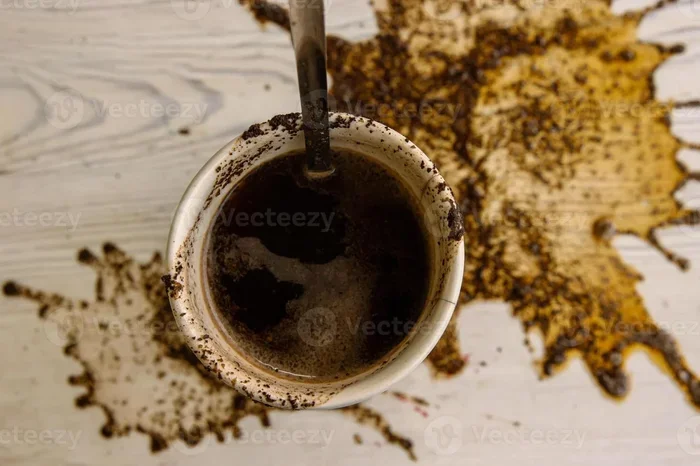
Look closely at your coffee grounds or beans. Fresh whole beans should have a rich, oily sheen, depending on the roast level. Light roasts tend to look dry, while dark roasts often appear oily. If you see white, green, or black fuzzy spots on your coffee, that is mold. Do not ignore this sign. Moldy coffee should be thrown away immediately. Even if you only see a small spot, mold roots may have spread throughout the container.
For ground coffee, clumping is another visual warning sign. Coffee grounds should flow freely. If they are stuck together in hard clumps, moisture has likely gotten into the container. Wet or damp coffee grounds are a breeding ground for bacteria and should be discarded.
Taste Changes
Stale coffee has a noticeably different taste compared to fresh coffee. The flavor becomes flat and lifeless. You might detect a bitter, acidic, or sour taste that was not present before. Rancid coffee tastes unpleasant and can leave a bad aftertaste in your mouth. If your morning brew tastes off in any way, it is better to be safe and pour it out. Drinking rancid coffee can cause stomach upset and digestive discomfort.
Texture Changes
Coffee grounds should feel dry and loose. If your grounds feel damp, sticky, or unusually clumpy, moisture has entered the package. This moisture can lead to mold growth and bacterial contamination. Whole beans should also feel dry and firm. Soft or brittle beans may indicate exposure to humidity or age.
Can Old Coffee Make You Sick? Health Risks Explained
Drinking old or spoiled coffee can indeed make you sick. The health risks depend on what has gone wrong with the coffee. Let us look at the specific risks associated with drinking expired or contaminated coffee.
Mold and Mycotoxin Risks
The most serious risk of drinking bad coffee comes from mold contamination. Coffee grown and stored in humid conditions can develop mold, which produces mycotoxins. These are toxic compounds that can cause a range of health problems. Short-term exposure to mycotoxins can cause nausea, vomiting, diarrhea, and stomach cramps. Long-term exposure has been linked to more serious health conditions, including liver damage and immune system suppression. While the levels of mycotoxins in a single cup of moldy coffee are usually low, regular consumption is a genuine health concern.
This is why proper coffee storage is so important. Keeping coffee dry and sealed prevents mold from taking hold. If you live in a humid climate, consider storing your coffee in the refrigerator or freezer to minimize moisture exposure.
Bacterial Contamination
Brewed coffee that has been left out for too long can harbor harmful bacteria. The warm, moist environment of a coffee pot or carafe is an ideal place for bacterial growth. Bacteria like Pseudomonas and Aspergillus can thrive in improperly stored coffee. Drinking coffee contaminated with bacteria can lead to food poisoning symptoms, including stomach cramps, nausea, diarrhea, and fever. This is especially dangerous for children, elderly individuals, and people with weakened immune systems.
If you have ever left a full coffee pot on the warmer for hours and then drank it the next morning, you may have already experienced mild food poisoning without realizing it. The symptoms of coffee-related food poisoning include an upset stomach, nausea, and general malaise. These usually resolve on their own, but they are unpleasant and entirely preventable.
Loss of Caffeine Potency
While not a health risk in the same way as mold or bacteria, the loss of caffeine potency in old coffee is worth mentioning. As coffee ages, the caffeine content does not increase. In fact, it may decrease slightly over time. Some people drink old or stale coffee hoping to get a stronger caffeine boost, but this is not effective. Expired coffee will not give you more energy. If anything, the poor quality of the brew may cause headaches or jitters due to the uneven extraction of compounds.
Stomach and Digestive Issues
Even coffee that is not moldy or bacterial can cause stomach problems when it is very old. Stale coffee contains compounds that can irritate the stomach lining. Drinking rancid coffee may lead to acid reflux, heartburn, or general digestive discomfort. People with sensitive stomachs or conditions like irritable bowel syndrome should be especially careful about coffee freshness. Always use fresh coffee to avoid unnecessary digestive issues.
Best Ways to Store Coffee for Maximum Freshness
Proper coffee storage is the single most important factor in preventing spoilage. The way you store your coffee directly affects how long it stays fresh and safe to drink. Here are the best practices for keeping your coffee at peak quality.
Use Airtight Containers
The number one rule of coffee storage is to keep air out. Oxygen causes the oxidation process that makes coffee go stale. An airtight container is essential for preserving coffee freshness. Look for containers with a tight-sealing lid and consider ones with one-way valves that release carbon dioxide without letting air in. Glass, ceramic, and stainless steel containers all work well. Avoid plastic containers that may absorb coffee oils and odors over time.
If you are storing coffee in the kitchen near the stove, be careful. Heat from the oven can accelerate the degradation of coffee. This is similar to how you need to check if Can Calphalon Glass Lids Go In The Oven because heat affects different kitchen items differently. The same principle applies to your coffee storage. Keep your coffee container away from the stove, oven, and other heat sources.
Store in a Cool, Dark Place
Light and heat are enemies of fresh coffee. A cool, dark pantry or cupboard is the ideal storage spot for coffee. Avoid storing coffee on the counter near a window where sunlight can hit it. Direct sunlight breaks down the aromatic compounds in coffee and accelerates spoilage. A kitchen cabinet away from the stove and dishwasher is usually the best choice.
Temperature fluctuations can also harm coffee. Try to store coffee in a place with a consistent, moderate temperature. Avoid areas near the oven or other appliances that generate heat. If your kitchen gets very warm, consider moving your coffee to a cooler part of the house.
Freezing Coffee for Long-Term Storage
Freezing coffee is an excellent option for long-term storage, but it must be done correctly. The biggest risk when freezing coffee is moisture. Condensation can form when frozen coffee is brought back to room temperature, and this moisture can ruin the flavor and promote mold growth.
To freeze coffee properly, divide it into small portions that you will use within one to two weeks. Place each portion in a sealed freezer bag, pressing out as much air as possible. Label the bags with the date so you know how long they have been frozen. When you need coffee, take out one portion and let it thaw at room temperature while still sealed. This prevents condensation from forming on the coffee.
Never store coffee in the refrigerator. The fridge is full of moisture and odors that can penetrate the coffee container. Coffee is porous and will absorb the smells of other foods in your fridge. This can completely ruin the taste of your brew.
Choosing the Right Coffee Container
Not all containers are created equal when it comes to coffee storage. The best containers are made of materials that do not interact with coffee and provide a tight seal. Ceramic containers with airtight lids are a popular choice because they block light and keep air out. Stainless steel containers are durable and non-reactive. Glass containers work well but should be kept in a dark cabinet to block light. Just as you would check whether a porcelain plate can go in the oven before exposing it to high heat, make sure your coffee container is designed for its intended purpose.
Avoid containers with large openings that expose a lot of coffee to air every time you open them. The less air that touches your coffee, the longer it stays fresh. This is especially important for ground coffee, which goes stale much faster than whole beans.
What to Do With Old or Expired Coffee
If you discover that your coffee has gone bad, do not try to salvage it by just brewing it anyway. Spoiled coffee should be discarded safely. Here are some guidelines for handling old or expired coffee.
When to Throw Coffee Away
Throw away coffee immediately if you notice any signs of mold. This includes white, green, or black fuzzy spots on beans or grounds. If the coffee has a sour, musty, or rancid smell, it is no longer safe to consume. Coffee that has been left brewed at room temperature for more than four hours should also be discarded. Do not reheat old brewed coffee and drink it. The bacterial growth that occurs cannot be reversed by reheating.
Creative Uses for Stale (But Safe) Coffee
If your coffee is simply stale but not moldy or contaminated, you can still put it to good use. Stale coffee grounds make an excellent natural deodorizer. Place them in a small bowl in your refrigerator or freezer to absorb odors. Coffee grounds can also be used in the garden as a natural fertilizer for acid-loving plants like azaleas and blueberries. Some people use old coffee grounds as a gentle abrasive for cleaning greasy pans or scrubbing hands after handling strong-smelling foods like garlic or fish.
However, be cautious about using old coffee grounds around food preparation areas. If the coffee has any doubt of spoilage, it is best to throw it in the compost bin rather than risk contaminating your kitchen surfaces. Just as you would check whether My Oven Caught On Fire Can I Still Use It before assuming it is safe, always check your coffee carefully before deciding it is still usable.
Common Mistakes That Cause Coffee to Go Bad Faster
Many people unknowingly shorten the shelf life of their coffee through poor storage habits. Here are the most common mistakes to avoid.
- Leaving the bag open: Every time you open the coffee bag and do not reseal it properly, you expose the coffee to air and moisture. Always transfer opened coffee to an airtight container.
- Storing coffee in the wrong place: The pantry near the stove or the counter by the window are terrible spots for coffee storage. Heat and light accelerate spoilage.
- Using wet spoons: Introducing moisture into a container of dry coffee grounds can lead to mold growth. Always use dry utensils when handling coffee.
- Buying in bulk without proper storage: Large bags of coffee may seem like a good deal, but if you cannot store them properly, the coffee will go bad before you use it all.
- Ignoring the roast date: Coffee is best consumed within a few weeks of the roast date. Buying coffee without checking the roast date can mean you are getting old stock.
Avoiding these simple mistakes can significantly extend the life of your coffee and keep it safe and flavorful for longer.
Expert Tips for the Best Coffee Drinking Experience
Getting the most out of your coffee goes beyond just preventing spoilage. Here are some expert tips to ensure every cup you brew is as fresh and delicious as possible.
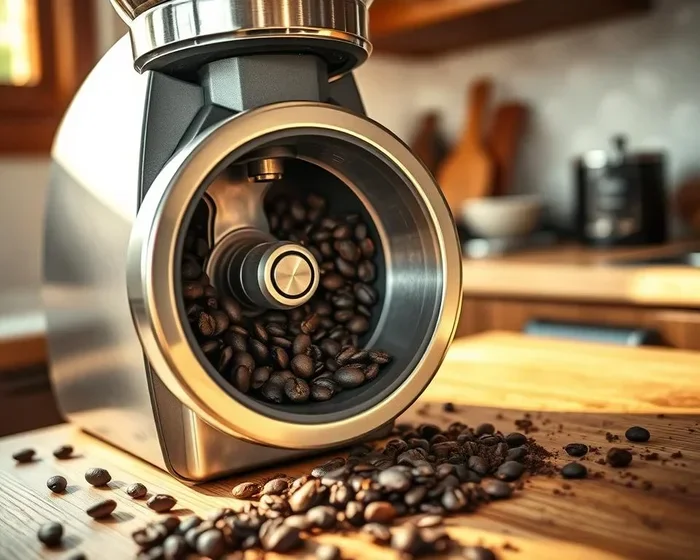
- Buy whole beans and grind just before brewing. This gives you the most control over freshness and flavor. A simple burr grinder at home makes a huge difference.
- Check the roast date, not the expiration date. The roast date tells you when the coffee was roasted, which is far more relevant to freshness than a generic best before date.
- Store coffee in small batches. Only keep enough coffee on hand for two to three weeks. This ensures you are always drinking relatively fresh coffee.
- Clean your coffee equipment regularly. Old coffee oils can go rancid inside your grinder, brewer, or carafe. A thorough cleaning every few weeks prevents off-flavors from tainting your fresh coffee.
- Trust your senses. If your coffee looks, smells, or tastes wrong, do not drink it. Your senses are the best tools for detecting spoilage.
Following these tips will help you enjoy better-tasting coffee while staying safe. Fresh coffee is a pleasure, and proper storage makes that pleasure last longer.
Conclusion
So, can coffee go bad and make you sick? The answer is a clear yes. Coffee can spoil, and drinking spoiled coffee carries real health risks. Mold, bacteria, and rancid compounds can all develop in old or improperly stored coffee. The good news is that with proper storage and attention to freshness, you can easily avoid these risks. Keep your coffee in airtight containers, store it in a cool dark place, and always check for signs of spoilage before brewing.
Understanding coffee freshness and shelf life empowers you to make better decisions every day. You will waste less coffee, save money, and most importantly, protect your health. Your morning cup of coffee should be a source of comfort and energy, not worry. Treat your coffee with care, and it will reward you with great flavor and a safe, enjoyable drinking experience every single time.
Frequently Asked Questions
Can drinking old coffee make you sick?
Yes, drinking old or spoiled coffee can make you sick. Coffee that has developed mold or been contaminated with bacteria can cause nausea, stomach cramps, diarrhea, and other food poisoning symptoms. Always check your coffee for signs of spoilage before drinking it.
How can you tell if coffee has gone bad?
You can tell if coffee has gone bad by checking its smell, appearance, and taste. Stale coffee loses its aroma and may smell musty or sour. Look for mold, clumping, or discoloration. If the coffee tastes bitter, flat, or rancid, it has likely gone bad and should be discarded.
Is it safe to drink coffee that has been left out overnight?
No, it is not safe to drink coffee that has been left out overnight. Brewed coffee left at room temperature for more than four hours can harbor harmful bacteria. Even if the coffee looks and smells fine, bacterial growth may have already occurred. Always discard coffee that has been sitting out for too long.
Does coffee expire?
Coffee does not technically expire in the same way that perishable foods do, but it does go stale over time. The best before date on coffee packaging is a guideline for peak freshness. Coffee past this date is usually still safe to drink, though the flavor will be significantly diminished. Always check for spoilage signs regardless of the date.
Can you get food poisoning from old coffee?
Yes, you can get food poisoning from old coffee if it has been contaminated with bacteria or mold. Brewed coffee left out too long is the most common culprit. Symptoms of coffee-related food poisoning include stomach cramps, nausea, vomiting, and diarrhea. If you experience these symptoms after drinking old coffee, stay hydrated and seek medical attention if they persist.
How should you store coffee to keep it fresh the longest?
Store coffee in an airtight container in a cool, dark place away from heat and moisture. Whole beans last longer than ground coffee. For extended storage, you can freeze coffee in small sealed portions. Never store coffee in the refrigerator due to moisture and odor absorption. Always keep coffee away from the stove and other heat sources in your kitchen.