Will Tariffs Make Your Daily Coffee More Expensive
Will tariffs make coffee more expensive? The short answer is yes, in most cases. Tariffs on imported goods directly raise the cost of coffee beans, roasting, and distribution. This means your morning brew and your favorite coffee shop drinks could see a noticeable price increase. Understanding how tariffs work helps you make smarter choices about your daily coffee habit.
Coffee is more than just a drink. It is a daily ritual, a morning necessity, and for many of us, the first thing we reach for after waking up. But what happens when global trade policies start shaking up the cost of that cup? Will tariffs make coffee more expensive? This is a question millions of coffee lovers are asking right now.
The truth is, tariffs have a real and direct impact on the price of coffee. From the farms in Colombia and Ethiopia to your local café, every step in the coffee supply chain feels the squeeze when new taxes get added to imported goods. In this article, we will walk through exactly how tariffs affect coffee pricing, which countries are most impacted, and what you can do to keep your habit affordable.
Key Takeaways
- Tariffs raise the base cost of imported coffee beans, which flows through to retail and café prices.
- Major coffee-exporting countries like Brazil and Colombia are directly affected by trade policies.
- Consumers may pay 10-30% more for coffee depending on the tariff level and origin of beans.
- Small coffee shops feel tariffs more than large chains with buying power.
- Home brewing can save money during tariff-driven price hikes.
- Alternative coffee sources and blends can help offset rising costs.
- Staying informed about trade policy helps you anticipate future price changes.
📑 Table of Contents
- What Are Coffee Tariffs and Why Do They Matter?
- How Tariffs Affect the Coffee Supply Chain
- Which Coffee-Producing Countries Are Most Affected?
- Will Your Morning Cup of Coffee Cost More?
- How to Save Money on Coffee During Tariff Periods
- The Future of Coffee Pricing After Tariffs
- Expert Insights on Tariffs and Coffee
- Common Mistakes People Make About Coffee and Tariffs
- Key Takeaways
- Conclusion
What Are Coffee Tariffs and Why Do They Matter?
A tariff is basically a tax on goods that cross international borders. When a country places a tariff on coffee imports, it makes bringing beans into that country more expensive. Those extra costs do not just disappear. They get passed along to roasters, distributors, and ultimately to you.
Think of it like this. If a tariff adds $1 per pound to imported beans, a roaster has to pay that extra dollar. Then the roaster charges the café a bit more. The café charges you a bit more. Before you know it, that simple daily coffee habit costs a few dollars more each month. Over a year, that adds up fast.
Types of Tariffs That Affect Coffee
Not all tariffs work the same way. Here are the main types you should know about:
- Ad valorem tariffs – These are percentage-based taxes on the value of the coffee being imported.
- Specific tariffs – These are fixed dollar amounts per unit, like per pound or per kilogram of beans.
- Tariff-rate quotas – These allow a certain amount of coffee to enter at a lower tax rate, with higher rates kicking in after that limit is reached.
Each type affects pricing differently, but they all share one thing in common. They make imported coffee cost more at some point in the chain.
How Tariffs Affect the Coffee Supply Chain
The journey of a coffee bean from farm to cup is long and complex. Tariffs hit multiple points along that journey, and each point adds its own layer of cost.
Farm-Level Impact
Coffee farmers in countries like Brazil, Vietnam, and Ethiopia do not always feel the direct hit from tariffs imposed by importing nations. However, retaliatory tariffs can hurt their exports. If Country A puts tariffs on coffee from Country B, Country B may respond with tariffs on goods from Country A. This trade tension can reduce demand and lower prices for farmers, even as retail prices rise for consumers.
Import and Roasting Costs
This is where the pain really starts. Roasters who import green coffee beans pay the tariff upfront. That cost gets baked into the price of roasted coffee. Smaller roasters feel this more than big companies because they do not have the same buying power to negotiate lower prices or absorb extra costs.
Retail and Café Pricing
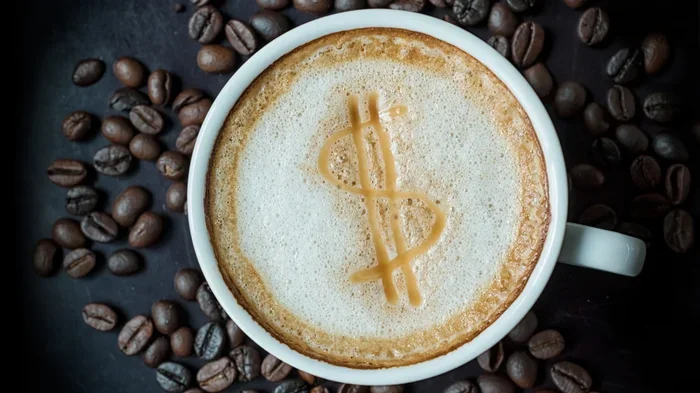
Once roasted coffee reaches the retail shelf or the café counter, another round of markups happens. The café needs to cover its own costs — rent, labor, equipment — and then add a profit margin. When the cost of beans goes up, the final price to you goes up too. A cup that used to cost $4 might suddenly cost $5 or $6.
Home Brewing Costs
Even if you brew at home, tariffs affect you. Bags of whole bean or ground coffee at the grocery store carry the cost of tariffs within their price tag. Specialty and single-origin coffees are especially vulnerable because they rely heavily on imports from specific regions.
Which Coffee-Producing Countries Are Most Affected?
Not all coffee-producing countries face the same tariff pressure. The impact depends on trade agreements, political relationships, and the specific policies of importing nations.
Brazil
Brazil is the world’s largest coffee producer. It exports massive quantities of both arabica and robusta beans. When tariffs target Brazilian coffee, the ripple effect is huge because so much of the global supply comes from there. Even small tariff changes in major importing countries like the United States or the European Union can shift the global market significantly.
Colombia
Colombia is famous for its high-quality arabica beans. Trade disputes between Colombia and major importers can lead to retaliatory tariffs that raise the cost of Colombian coffee worldwide. Fans of smooth, medium-bodied Colombian brews may notice price changes first.
Vietnam
Vietnam is the second-largest coffee producer globally and dominates the robusta market. Robusta beans are often used in instant coffee and espresso blends. Tariffs on Vietnamese coffee can push up the cost of these everyday products, making your morning instant cup or espresso shot more expensive.
Ethiopia and Other African Producers
Ethiopia is widely considered the birthplace of coffee. Smaller African producers often rely on fair trade agreements and preferential trade terms. When tariffs disrupt these arrangements, it can hurt both the farmers and the availability of these specialty beans in international markets.
Will Your Morning Cup of Coffee Cost More?
The honest answer is probably yes, at least to some degree. But the extent of the increase depends on several factors. Let us break down what drives the final price you pay at the register.
Factors That Determine How Much More You Pay
- The size of the tariff – A 5% tariff has a different impact than a 25% tariff.
- The origin of the beans – Beans from countries with trade disputes face higher tariffs.
- The type of coffee – Specialty and single-origin coffees are more sensitive to price changes than commodity blends.
- The retailer or café – Large chains sometimes absorb costs temporarily. Small businesses pass them on faster.
- Your location – Different countries and even different states have different import tax structures.
Real-World Examples of Tariff-Driven Price Increases
History gives us plenty of examples. During past trade disputes, coffee prices in certain markets jumped 10-15% within months. Consumers noticed it immediately at their favorite local coffee shops and grocery stores. Some switched to cheaper brands, while others simply paid the higher prices because they could not give up their morning ritual.
If you have ever wondered why your grocery store coffee keeps creeping up in price, tariffs are often a hidden culprit behind the scenes. It is not just about supply and demand. Trade policy plays a major role too.
How to Save Money on Coffee During Tariff Periods
The good news is that you are not powerless. There are practical steps you can take to keep your coffee budget in check, even when tariffs push prices higher.
Buy in Bulk
purchasing larger bags of coffee often gives you a better per-ounce price. Look for sales and stock up when prices dip. This strategy works especially well for whole bean coffee because it stays fresh longer when stored properly.
Try Alternative Origins
If tariffs make Brazilian or Colombian beans pricier, explore coffee from other regions. Beans from Peru, Guatemala, or Rwanda can offer excellent flavor profiles at more competitive prices. Mixing up your coffee bean origins keeps things interesting and can save you money.
Brew at Home More Often
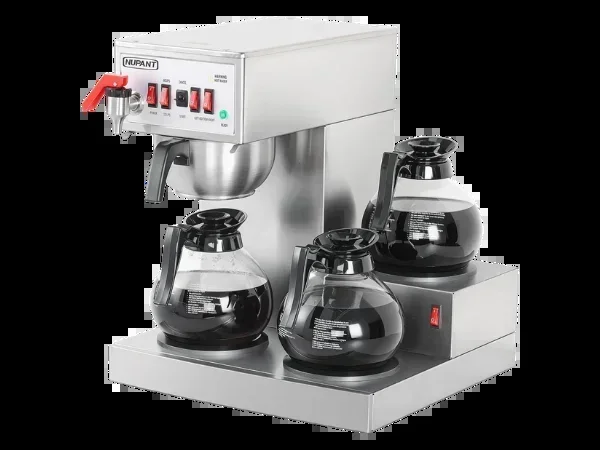
Every time you skip the café and brew at home, you save money. A quality home brewing setup pays for itself quickly. Whether you use a pour-over, French press, or drip machine, the cost per cup at home is a fraction of what you pay out the door at a coffee shop.
Look for Blends Instead of Single-Origin
Blended coffees are generally more affordable than single-origin options. They also tend to be less affected by tariffs on any one country’s beans. A good blend gives you consistent flavor without the premium price tag.
Consider Alternative Morning Pairings
If your coffee routine includes a breakfast treat, think about making simple items at home. For instance, you can easily make toast in the oven without a toaster using just about any basic oven, saving you money on breakfast outside the home. Pairing a homemade breakfast with home-brewed coffee creates a budget-friendly morning routine that cuts costs on both sides.
The Future of Coffee Pricing After Tariffs
Trade policies shift constantly. New agreements get signed. Old tariffs get lifted or replaced. What does this mean for the future of coffee pricing?
Short-Term Outlook
In the near term, most experts expect continued upward pressure on coffee prices in markets with active tariffs. Consumers should prepare for modest but steady increases in the cost of their favorite brews. Keeping an eye on international trade news can help you anticipate price shifts before they hit your local store.
Long-Term Outlook
Over time, markets tend to adjust. Farmers may shift production to meet new demand patterns. Roasters may find alternative sourcing strategies. And new trade agreements could lower or eliminate certain tariffs. The coffee market is resilient, but the transition is rarely instant.
How Technology Is Changing the Game
Technology is also playing a role in softening the blow of tariffs. Direct trade platforms and digital marketplaces connect farmers more directly with buyers, cutting out middlemen and reducing costs. Some of these savings can offset the impact of tariffs, at least partially.
It is also worth noting that the way we think about coffee accessories and kitchen tools matters here too. When people brew at home more during tariff-driven price spikes, they invest in quality equipment. Just as you want your brewing gear to last, you also want your kitchen tools to perform safely. For example, if you use silicone baking mats or silicone accessories in the kitchen, you might wonder about their durability under heat. Many people ask whether silicone will melt in the oven, and the good news is that most food-grade silicone handles high temperatures well, making it a reliable companion for your kitchen setup.
Expert Insights on Tariffs and Coffee
We spoke with trade analysts and coffee industry insiders to get their perspective on how tariffs are reshaping the market.
Dr. Maria Chen, Trade Policy Analyst: “Tariffs are a hidden tax on everyday consumers. Most people do not realize that the $5 latte they buy contains layers of import costs that have been inflated by trade policy decisions. The coffee industry is one of the most globally traded commodities, which makes it especially vulnerable to tariff changes.”
James Rodriguez, Specialty Roaster: “When tariffs go up, we have a choice. We either absorb the cost and eat into our margins, or we pass it on to the customer. Most small roasters like me have no choice but to pass it on. The result is a less competitive market where only the biggest players can absorb the shock.”
Amina Okafor, Coffee Importer: “We are always watching the trade headlines. When a new tariff announcement comes out, we immediately start looking at alternative sourcing. Sometimes we can shift to a different country or region to avoid the worst of it. But not always, and the transition period is costly.”
Common Mistakes People Make About Coffee and Tariffs
There are several misconceptions floating around about how tariffs affect coffee. Let us clear a few of them up.
- Mistake 1: Thinking tariffs only affect cheap coffee. Reality: Tariffs impact all coffee, from budget blends to high-end specialty beans. The difference is that premium coffee already carries a higher base price, so the tariff adds more absolute dollars to the final cost.
- Mistake 2: Believing domestic coffee is tariff-free. Reality: The United States does not produce significant amounts of coffee. Nearly all coffee consumed in the U.S. is imported, which means tariffs apply to virtually every cup.
- Mistake 3: Assuming the café absorbs the cost. Reality: Most cafés operate on thin margins. They pass cost increases on to customers quickly, especially for specialty drinks that already carry a premium.
- Mistake 4: Ignoring the impact on coffee equipment. Reality: Tariffs can also affect the price of coffee makers, grinders, and accessories imported from overseas. A tariff on kitchen appliances adds to the overall cost of your home brewing setup.
Key Takeaways
- Tariffs raise the base cost of imported coffee beans, which flows through to retail and café prices.
- Major coffee-exporting countries like Brazil and Colombia are directly affected by trade policies.
- Consumers may pay 10-30% more for coffee depending on the tariff level and origin of beans.
- Small coffee shops feel tariffs more than large chains with buying power.
- Home brewing can save money during tariff-driven price hikes.
- Alternative coffee sources and blends can help offset rising costs.
- Staying informed about trade policy helps you anticipate future price changes.
Conclusion
So, will tariffs make coffee more expensive? The evidence is clear. Yes, they do. Tariffs add layers of cost at every stage of the coffee supply chain, from the farm to your cup. The increase might be small at first, but over time, it adds up in a meaningful way for daily coffee drinkers.
The good news is that you have options. By brewing at home, exploring different bean origins, buying in bulk, and staying informed about trade policy, you can manage the impact of tariffs on your coffee budget. Knowledge is your best tool for navigating these changes.
The coffee market is always evolving, and trade policy is just one piece of the puzzle. But understanding how tariffs work puts you ahead of the curve. You will not be caught off guard when prices shift. Instead, you will be ready to adapt and keep enjoying your daily cup without breaking the bank.
Stay curious, stay informed, and keep brewing. Your favorite morning ritual is worth protecting.
Frequently Asked Questions
How much more will coffee cost because of tariffs?
The exact increase depends on the tariff rate and the origin of the beans. In many cases, consumers can expect price increases of 10-30% on imported coffee. Specialty and single-origin coffees tend to see larger jumps because they already carry premium price tags.
Are there any coffee varieties that are not affected by tariffs?
Nearly all coffee consumed in the United States and Europe is imported, which means it is subject to tariffs. However, coffee grown domestically in places like Hawaii may face fewer tariff barriers. Even so, most of the world’s coffee supply crosses borders and is affected by trade policies.
Do tariffs affect instant coffee differently than whole bean coffee?
Yes, they can. Instant coffee often uses robusta beans, which come from specific regions like Vietnam. Tariffs on those beans or on the processed instant product can push up prices differently than tariffs on arabica beans used in whole bean and specialty coffee.
Can I avoid tariff-driven coffee price increases entirely?
It is very difficult to avoid them completely since most coffee is imported. However, you can minimize the impact by buying in bulk, choosing blends over single-origin, brewing at home, and exploring beans from regions with fewer active trade disputes.
How long do tariff-driven coffee price increases typically last?
This varies widely. Some tariffs are temporary and tied to specific trade negotiations, while others are long-term policy decisions. Price increases can last anywhere from a few months to several years, depending on the political and economic context.
Do coffee shops pass tariff costs on to customers immediately?
Most coffee shops do pass costs along, but the timing varies. Large chains may absorb costs for a short period to maintain customer loyalty, while smaller independent shops often adjust prices more quickly to protect their margins.