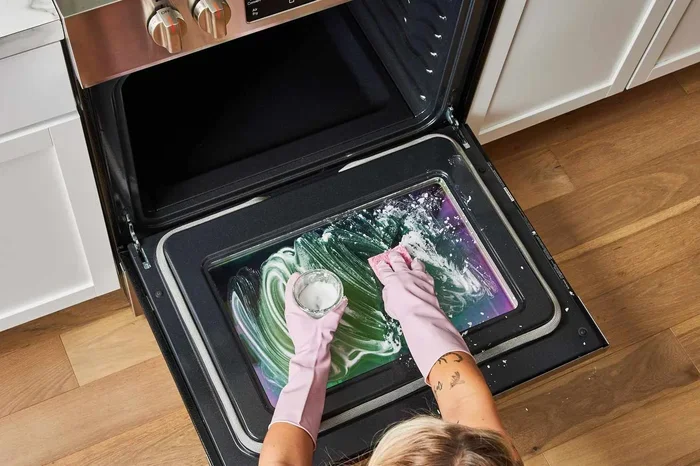
How To Remove Baked On Food From Glass Oven Door Easily
You can clean a greasy oven door without harsh chemicals. How To Remove Baked On Food From Glass Oven Door is simpler than you think. This guide shares safe, effective methods using baking soda, vinegar, and steam to restore your oven door glass to sparkling clarity.
Nobody enjoys opening their oven to see a layer of black, crusty grime baked onto the glass door. It is frustrating, unsightly, and seems impossible to scrub off. You might reach for a harsh chemical spray, but that can damage the glass and fill your kitchen with fumes. The good news is that you can clean baked on food from glass oven door safely with items already in your pantry. This guide will walk you through simple, effective methods that work every time. You will learn how to make a gentle paste, use steam, and prevent future messes. By the end, you will have a sparkling oven door without any harsh scrubbing.
Removing baked-on food from glass oven door does not require expensive store-bought cleaners. In fact, the best oven cleaning solutions often cost pennies. Baking soda, white vinegar, and hot water can tackle even the worst carbonized spills. I have used these techniques on my own oven door many times. They are safe for porcelain enamel and glass surfaces. You just need a little patience and the right approach. Let us dive into why this mess happens and how to fix it.
Key Takeaways
- Use baking soda paste: A gentle, non-abrasive cleaner that lifts baked-on grime safely.
- Try the steam method: Steam softens hardened food, making it easy to wipe away.
- Combine vinegar and baking soda: The fizzy reaction breaks down stubborn grease.
- Prevent future messes: Line the oven bottom and wipe spills right after cooking.
- Know when to seek help: Deep scratches or cracks may require professional replacement.
- Always test a small spot: Ensure your cleaner does not damage the glass finish.
📑 Table of Contents
Why Baked-On Food Sticks to Glass Oven Doors
Understanding the problem helps you solve it faster. Baked-on food is not just a random stain. It is the result of heat reacting with sugars, fats, and proteins. Over time, these materials carbonize and bond tightly to the glass. Knowing what causes this will help you choose the best cleaning method.
The Science of Baked-On Grease
When food spills inside a hot oven, the water evaporates quickly. What remains is a concentrated mix of oils and sugars. As the oven cools, these residues harden into a tough, dark crust. This process is called carbonization. The heat essentially cooks the spill into the glass surface. Regular wiping prevents this, but once it bakes on, it needs a stronger approach. That is where natural cleaners come in. They break down the carbonized layer without scratching the glass.
Common Culprits That Cause Stubborn Stains
Certain foods are more likely to leave baked-on residue. Here are the usual suspects:
- Sauces and marinades: Tomato-based sauces contain sugar and acid that caramelize.
- Cheese and dairy: Milk proteins bond aggressively to hot glass.
- Grease and oil splatter: Fats solidify and trap food particles.
- Crusty bread edges: Breadcrumbs burn into a hard, black layer.
- Sugar spills: Any sugary liquid turns into a hard, glassy coating.
Identifying the type of residue can guide your cleaning choice. Greasy stains respond well to degreasing agents, while sugary crusts need an acidic or abrasive approach. Next, we will look at the best homemade cleaners you can use.
The Best Homemade Cleaners for Oven Door Glass
Before you start scrubbing, gather your supplies. You do not need a special oven cleaning product. Most of the time, simple kitchen ingredients do the job. Below are three effective cleaners you can make right now. Each one targets baked-on food from glass oven door in a different way.
Baking Soda and Water Paste
Baking soda is a mild abrasive that lifts stains without scratching. It also neutralizes odors. To make the paste, mix three parts baking soda with one part water. Stir until you get a thick, spreadable consistency. This paste works great on moderate baked-on grime. It is the go-to method for most home cooks. The gentle abrasion helps scrub away carbonized food while the baking soda chemically breaks down grease.
Vinegar and Baking Soda Combo
This combination creates a fizzy reaction that loosens tough stains. Start by sprinkling baking soda over the dirty glass. Then spray or drizzle white vinegar on top. The bubbling action lifts dirt from the surface. After the fizzing stops, wipe the area with a damp cloth. This method is excellent for baked-on food that has a greasy film. The vinegar cuts through the oil while the baking soda provides scrubbing power.
Dish Soap and Warm Water Soak
For less stubborn residue, a simple soapy soak can work wonders. Mix a few drops of dish soap in a bowl of warm water. Let the oven door sit with the solution on the glass for 15 to 20 minutes. The warm water softens the baked-on layer, making it easy to wipe away. This method is ideal for fresh spills that have not fully carbonized. It is also the safest option for delicate glass surfaces.
Step-by-Step: How To Remove Baked On Food From Glass Oven Door
Now that you have your cleaners ready, it is time to get to work. I will walk you through three proven methods. You can choose the one that best suits the level of grime on your door. Each method includes clear steps so you can follow along easily.
Method 1: The Baking Soda Paste
This is the most popular and reliable approach. It works on almost all types of baked-on food from glass oven door. Follow these steps for a deep clean:
- Remove the oven door if possible. Most doors have hinges that allow you to take them off. Check your oven manual if you are unsure.
- Mix three tablespoons of baking soda with one tablespoon of water. Adjust the ratio until you have a thick paste.
- Spread the paste evenly over the entire glass surface. Avoid the edges and rubber gasket. Focus on the areas with the worst stains.
- Let the paste sit for at least 30 minutes. For heavy buildup, leave it for an hour or overnight.
- Dip a damp cloth or non-abrasive scrub brush into warm water. Gently scrub the glass in circular motions.
- Wipe away the paste with a clean, wet cloth. Repeat if any residue remains.
- Dry the glass with a microfiber towel to prevent water spots.
This method is gentle but effective. It will not scratch your oven door glass cleaning surface. I use it regularly to keep my door looking new.
Method 2: The Steam and Scrape Technique
Steam is a powerful tool for softening baked-on carbon. It works by loosening the bond between the food residue and the glass. Here is how to do it:
- Boil a pot of water on your stove or use a kettle.
- Place the oven door on a protected surface, or keep it attached to the oven if you cannot remove it.
- Lean over the door and let the steam hit the glass for 5 to 10 minutes. You can also use a large bowl of hot water placed inside the oven with the door closed.
- The heat and moisture will soften the baked-on layer. You should see the grime start to bubble.
- Use a plastic scraper or a wooden spoon to gently lift the softened food. Never use metal scrapers, as they can scratch the glass.
- Wipe the door with a damp cloth. Repeat the steam process if needed.
- Finish with a wipe-down using a vinegar and water solution to remove any remaining film.
This method is perfect for thick, crusty spills. It requires no chemicals at all. The steam does the hard work for you.
Method 3: The Vinegar Spray and Wipe
Vinegar is a natural acid that dissolves grease and mineral deposits. This method is quick and ideal for light to moderate stains. Here is how to apply it:
- Mix equal parts white vinegar and warm water in a spray bottle.
- Spray the solution generously over the baked-on food on the glass.
- Let it sit for 10 to 15 minutes. The acid will begin to break down the grime.
- Scrub gently with a soft sponge or cloth. Use small circular motions.
- For stubborn spots, sprinkle a little baking soda on the damp sponge and scrub again.
- Rinse thoroughly with clean water and dry with a lint-free cloth.
This vinegar spray method is great for quick cleanup. It leaves no harsh residue and smells fresh. You can use it as part of your regular oven cleaning routine.
Comparison of Cleaning Methods
Not sure which method to choose? Here is a quick comparison of the three approaches. This table helps you pick the right one based on the mess level and time you have.
| Method | Best For | Time Needed | Difficulty |
|---|---|---|---|
| Baking Soda Paste | Moderate to heavy baked-on grime | 30 minutes to 1 hour | Easy |
| Steam and Scrape | Thick, crusty carbonized spills | 15 to 30 minutes | Moderate |
| Vinegar Spray and Wipe | Light to moderate grease and fresh stains | 10 to 20 minutes | Very Easy |
Preventing Future Baked-On Messes
Cleaning is easier when you stop messes from baking on in the first place. A few simple habits can keep your oven door glass looking clean for weeks. Prevention is always better than scrubbing.
Use a Baking Sheet or Foil Liner
Place a baking sheet or a layer of aluminum foil on the oven rack below your dish. This catches drips and splatters before they reach the bottom of the oven. When the cooking is done, you can simply discard the liner. This one trick prevents most baked-on food from glass oven door issues. It also makes cleaning the oven floor much faster.
Wipe Spills Immediately
If you notice a spill while cooking, turn off the oven and wipe it up right away. Use a damp cloth while the oven is still warm. The heat will help the cloth glide over the residue. Do not wait until the oven cools completely. Once the spill cools and hardens, it becomes much harder to remove. A quick wipe after each use keeps buildup at bay.
Run a Self-Cleaning Cycle Carefully
Many modern ovens have a self-cleaning cycle that heats the interior to very high temperatures. This burns off food residue into ash. While it works well for the oven interior, it can sometimes bake on more grease to the glass door. If you use this feature, wipe the door glass immediately after the cycle cools. The ash should come off easily with a damp cloth. Do not let the ash sit for days, or it will turn into a stubborn paste again.
When to Call a Professional or Replace the Glass
Most baked-on food problems can be solved at home. But there are times when professional help is needed. Knowing the difference saves you from making a costly mistake.
Signs of Permanent Damage
Sometimes the glass itself gets damaged. If you see deep scratches, chips, or cracks in the oven door glass, cleaning will not fix it. Scratches can trap grease and make the door look dirty no matter how hard you scrub. In such cases, it is safer to replace the glass panel. You can order a replacement part from the oven manufacturer. A professional technician can install it for you. Attempting to clean deeply scratched glass can worsen the damage.
Safety Tips for Oven Door Glass
Always follow safety guidelines when cleaning your oven door. Never use abrasive pads like steel wool on glass. They leave micro-scratches that attract more grease over time. Avoid commercial cleaners that contain harsh chemicals like lye or bleach unless specifically designed for oven glass. Those products can damage the glass finish and the rubber gasket around the door. Stick to gentle, food-safe cleaners. If you have to remove the door, support it carefully to avoid dropping it. Glass oven doors are heavy and can break if they fall.
Conclusion
Cleaning baked-on food from glass oven door does not have to be a dreaded chore. With the right approach, you can restore your oven door to a like-new shine using safe, affordable methods. Whether you choose the baking soda paste, the steam and scrape technique, or a simple vinegar spray, the key is patience and gentle action. Avoid harsh chemicals and abrasive tools that can permanently damage the glass. Prevention is your best long-term strategy. Use liners, wipe spills promptly, and run self-cleaning cycles with care. Now you have everything you need to tackle even the worst oven door grime. Try these tips today and enjoy a sparkling, grease-free oven. You will wonder why you did not clean it this way sooner.
Frequently Asked Questions
Can I use oven cleaner on the glass door?
Yes, but choose a non-abrasive, fume-free cleaner specifically labeled safe for glass. Harsh chemical oven cleaners can etch or discolor the glass over time. Always rinse thoroughly after use and ventilate your kitchen well.
How long should I let baking soda paste sit on the glass?
For moderate stains, 30 minutes is usually enough. For heavy, baked-on carbon, leave the paste on for several hours or overnight. The longer it sits, the more it softens the grime and makes removal easier.
Will steam damage the oven door glass?
No, steam is safe and gentle. It only softens the food residue. Just avoid pouring cold water on hot glass, as sudden temperature changes can cause thermal shock and cracking. Let the door cool slightly before wiping.
What is the best way to prevent baked-on food on the oven door?
Place a baking sheet or foil liner on the rack below your dish to catch drips. Wipe any spills immediately after cooking while the oven is still warm. Regular light cleaning prevents buildup from turning into stubborn carbonized crusts.
Can I remove the oven door to clean it?
Yes, most oven doors can be removed by opening them fully and lifting them off the hinges. Refer to your oven manual for specific instructions. Cleaning the door while it is off gives you better access and makes the process much easier.
How do I know if the oven door glass needs replacement?
If you see deep scratches, chips, or cracks that do not improve with cleaning, the glass may be permanently damaged. Also, if the glass has been exposed to extreme thermal shock and shows stress lines, replacement is the safest option. Contact your oven manufacturer for the correct replacement part.