Why Is My Oven Heating Up Slowly and How To Fix It Fast
Why Is My Oven Heating Up Slowly is an essential topic that provides valuable insights.
Key Takeaways
- Understanding Why Is My Oven Heating Up Slowly: Provides essential knowledge
📑 Table of Contents
- Why Is My Oven Heating Up Slowly?
- How To Diagnose Your Slow-Heating Oven
- How To Fix a Slow-Heating Oven
- How To Prevent Slow Heating in the Future
- Quick Tips for Faster Oven Preheating
- Common Mistakes People Make With Their Ovens
- Understanding Your Oven’s Heating System
- How To Test Your Oven Temperature
- Energy Efficiency and Slow Heating
- When To Replace Your Oven Instead of Repairing It
- Key Takeaways
- Conclusion
Why Is My Oven Heating Up Slowly?
Before you start fixing anything, it helps to understand what is actually happening inside your oven. Several components work together to generate heat and control temperature. When one of them fails, your oven struggles to reach the right heat level. Let us explore the main reasons behind slow oven preheating.
Worn-Out Bake Element
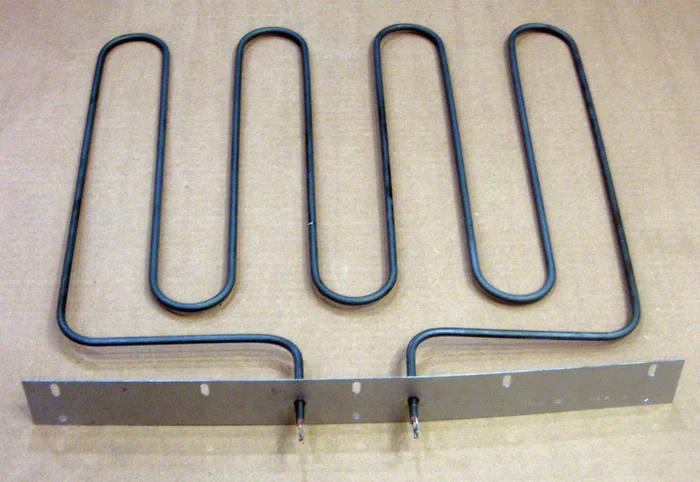
The bake element is the metal coil at the bottom of your oven. It glows red when hot and provides most of the heat for baking and roasting. Over time, this element can wear out, crack, or develop holes. When the bake element fails partially, it may still glow but not produce enough heat. This is one of the most common reasons an oven heats slowly.
You can check your bake element by looking at it closely. If you see blistering, cracking, or glowing spots that are uneven, the element is likely damaged. A fully burned-out element will not glow at all. In either case, replacing the element usually solves the problem completely.
Faulty Broil Element
Many people forget about the broil element, which sits at the top of the oven. While it is mainly used for broiling, it also plays a role in overall heating. If the broil element is damaged, your oven may struggle to maintain consistent temperatures. This is especially true during the preheating phase when both elements work together.
Check the broil element the same way you check the bake element. Look for visible damage, discoloration, or uneven glowing. A quick visual inspection can reveal a lot about whether this part needs replacing.
Bad Temperature Sensor
Your oven has a small sensor that monitors the internal temperature. This sensor talks to the control board and tells the oven when to stop heating. When the oven temperature sensor goes bad, it sends incorrect readings. The oven might think it is already hot when it is not, so it stops heating too early.
A faulty sensor often causes uneven heating as well. Your food might be raw on one side and burnt on the other. Testing the sensor with a multimeter can confirm whether it is working properly. Most sensors cost under fifteen dollars and are relatively easy to swap out.
Malfunctioning Thermostat
The thermostat controls how much heat your oven produces. Think of it as the brain behind your oven’s temperature regulation. When the oven thermostat malfunctions, it cannot signal the heating elements correctly. The result is a long preheat time and inconsistent cooking temperatures.
Thermostat problems are more common in older ovens. If your oven is over ten years old, the thermostat may simply be wearing out. A professional can test the thermostat and recommend a replacement if needed. In some cases, recalibrating the thermostat can fix the issue without a full replacement.
Convection Fan Issues
If you have a convection oven, the fan plays a big role in circulating hot air. When the convection fan motor fails or gets clogged with grease, the oven heats up much more slowly. The hot air stays trapped instead of moving around the cooking cavity.
Listen for the fan when your oven is running. If you hear rattling, grinding, or silence where there should be a hum, the fan motor might be the culprit. Cleaning the fan blades can also help if they are coated with built-up grease and food residue.
Damaged Oven Door Seal
This one surprises a lot of people. The rubber gasket around your oven door keeps heat inside the oven. When the oven door seal wears out or tears, heat escapes constantly. Your oven has to work harder and longer to maintain the set temperature. This leads to slow preheating and wasted energy.
Run your hand along the door seal while the oven is hot. If you feel heat escaping from the edges, the seal needs attention. Replacing a door gasket is inexpensive and straightforward. You can find replacement gaskets online for most oven models.
Electrical Problems
Sometimes the issue is not inside the oven at all. A weak electrical outlet, a tripped circuit breaker, or damaged wiring can all reduce the power reaching your oven. Electric ovens need a dedicated 240-volt circuit to operate at full capacity. If the outlet is faulty or the circuit is shared with other appliances, your oven will not heat properly.
Check your breaker box first. If the breaker for the oven has tripped, reset it and see if performance improves. If the problem keeps coming back, call an electrician to inspect the wiring. Never ignore electrical issues, as they can pose serious safety risks.
Control Board Failure
The oven control board manages all the electronic functions. It sends power to the heating elements based on the temperature settings you choose. When the oven control board fails, it may not send enough power to the elements. This results in sluggish heating and unreliable temperature control.
Control board failure is less common than other issues, but it does happen. Signs include error codes on the display, unresponsive buttons, or the oven heating inconsistently. Replacing a control board can be expensive, so it is wise to rule out simpler causes first.
Thermal Fuse Blown
The thermal fuse is a safety device that shuts off the oven if it overheats. Once a thermal fuse blows, it cannot be reset. The oven may still run but will heat very slowly or not at all. This is a common cause of oven not reaching temperature problems.
You can test a thermal fuse with a multimeter for continuity. If the fuse shows no continuity, it needs to be replaced. Always replace the fuse with one that matches your oven’s specifications. Using the wrong fuse can create a safety hazard.
How To Diagnose Your Slow-Heating Oven
Now that you know the common causes, let us talk about how to figure out what is wrong with your specific oven. Diagnosing the problem saves you time and money before calling a repair technician.
Start by observing when the problem happens. Does your oven take longer to preheat every time, or did it suddenly become slow? A gradual decline usually points to worn-out elements. A sudden drop in performance often indicates an electrical issue or a blown fuse.
Next, check the visible components. Look at the bake and broil elements for damage. Inspect the door seal for gaps or tears. Listen to the fan and the relay clicks during preheating. These simple observations can narrow down the cause quickly.
Using a multimeter is the next step for more advanced troubleshooting. You can test the continuity of the heating elements, the temperature sensor, and the thermal fuse. A basic multimeter costs under twenty dollars and is a worthwhile investment for any home cook who wants to handle their own oven troubleshooting.
If none of these steps reveal the problem, it is time to call a professional. Sometimes the issue lies deep within the control board or wiring, and these require expert diagnosis. Do not hesitate to seek help when needed.
How To Fix a Slow-Heating Oven
Once you have identified the cause, fixing it is usually straightforward. Here are the most common repairs and how to handle them.
Replacing the Bake Element
Replacing a bake element is one of the easiest oven repairs you can do yourself. Start by turning off the power to the oven at the breaker box. Remove the screws holding the element in place at the bottom of the oven cavity. Disconnect the wiring, noting which wire goes where. Install the new element, reconnect the wires, and secure it with screws. Turn the power back on and test the oven.
Make sure to buy the correct replacement part for your oven model. Check the manufacturer’s website or your user manual for the part number. A new bake element typically costs between thirty and sixty dollars.
Replacing the Temperature Sensor
Swapping out a temperature sensor is a quick fix. The sensor is usually located at the back of the oven interior. Remove the screws or clips holding it in place, disconnect the wire connector, and pull the old sensor out. Install the new one, reconnect the wire, and secure it. This simple swap can restore accurate temperature readings and eliminate slow preheating.
Fixing the Door Seal
Replacing the oven door gasket is a simple task. Remove the old gasket by pulling it out of the channel around the door. Clean the channel thoroughly to remove any grease or debris. Press the new gasket into the channel, making sure it sits evenly all the way around. This repair costs under twenty dollars and can dramatically improve your oven’s heating efficiency.
When To Call a Professional
Some repairs are best left to the experts. If you suspect a problem with the control board, the wiring, or the electrical supply, do not attempt to fix it yourself. Working with high-voltage components can be dangerous. A qualified technician has the tools and expertise to handle complex repairs safely. They can also run diagnostic tests that go beyond what a multimeter can reveal.
How To Prevent Slow Heating in the Future
Prevention is always better than repair. Taking a few simple steps can keep your oven running smoothly and prevent slow preheating from coming back.
Clean your oven regularly. Grease and food buildup on the heating elements and inside the oven cavity can insulate the heat and reduce efficiency. Wipe down the interior after every use and do a deep clean at least once a month.
Check the door seal periodically. A worn gasket lets heat escape, forcing the oven to work harder. Replace the seal as soon as you notice any gaps or damage.
Avoid slamming the oven door. This can misalign the door and damage the seal over time. Close the door gently and make sure it latches properly every time.
Use the right cookware. Dark, heavy pans absorb and retain heat better than light or thin ones. This helps your oven reach the target temperature faster and maintain it more consistently.
Do not open the door too often while preheating. Every time you open the door, you release a significant amount of heat. The oven has to start the heating cycle all over again, which slows down the process considerably.
Quick Tips for Faster Oven Preheating
Even with a perfectly functioning oven, a few habits can speed up preheating and improve overall performance.
- Keep your oven clean. Built-up grime insulates the heating elements and slows heat transfer.
- Use convection mode when appropriate. The fan circulates hot air and reduces preheating time by up to 25 percent.
- Check the door seal regularly. A tight seal keeps heat inside and reduces energy waste.
- Avoid overcrowding the oven. Too much food blocks airflow and makes the oven work harder.
- Preheat with purpose. Only preheat when the recipe requires it. Not every dish needs a fully preheated oven.
- Use an oven thermometer. This helps you verify that your oven is actually reaching the set temperature.
Common Mistakes People Make With Their Ovens
Many people unknowingly make mistakes that contribute to slow oven heating and poor cooking results. Here are the most common ones to avoid.
- Ignoring warning signs. If your oven is taking longer to preheat than usual, do not ignore it. Address the problem early before it becomes a bigger issue.
- Using the wrong temperature setting. Some recipes call for specific temperatures, and guessing can lead to undercooked or overcooked food. Always follow the recipe and use an oven thermometer to verify accuracy.
- Skipping regular maintenance. Just like any other appliance, your oven needs regular care. Cleaning and inspecting it periodically prevents many common problems.
- Overloading the oven. Packing too much food inside blocks heat circulation and slows down cooking. Give your food enough space for hot air to flow around it.
- Neglecting the self-clean cycle. The self-clean cycle can burn off built-up grease and residue that regular cleaning misses. Use it occasionally to maintain peak performance.
Understanding Your Oven’s Heating System
To truly appreciate how to fix a slow-heating oven, it helps to understand how the system works. Most modern ovens use either electric or gas heating elements, and each has its own set of components that can cause problems.
In an electric oven, the bake element at the bottom and the broil element at the top handle most of the heating. A convection fan circulates the hot air for even cooking. A temperature sensor monitors the heat and communicates with the control board to maintain the set temperature.
In a gas oven, the igniter lights the gas burner to produce heat. A faulty igniter is one of the most common causes of slow heating in gas models. The igniter may glow but not draw enough current to open the gas valve fully. This results in weak heat output and long preheating times.
Both types of ovens rely on a thermostat or electronic control system to regulate temperature. When any part of this system fails, the oven’s performance suffers. Understanding these basics empowers you to troubleshoot effectively and communicate clearly with a repair technician if needed.
How To Test Your Oven Temperature
One of the best ways to check if your oven is heating properly is to test its actual temperature against the setting. An oven thermometer is an inexpensive tool that gives you this information. Place the thermometer in the center of the oven and preheat to 350 degrees Fahrenheit.
Wait at least twenty minutes and check the reading. If the thermometer shows a temperature more than twenty-five degrees off from the setting, your oven needs recalibration. Most ovens have a calibration screw or digital adjustment in the settings menu. Refer to your user manual for specific instructions.
Regular temperature testing helps you catch problems early. It also ensures your food cooks consistently, which is especially important for baking where precision matters most.
Energy Efficiency and Slow Heating
A slow-heating oven does not just affect your cooking. It also wastes energy. When your oven takes longer to reach the target temperature, it draws power for a longer period. Over time, this adds up to higher electricity or gas bills.
Fixing the underlying cause of slow heating can improve your oven’s energy efficiency significantly. A well-functioning oven reaches the desired temperature faster and uses less energy to maintain it. This is good for your wallet and good for the environment.
Consider these energy-saving tips alongside your repairs. Use glass or ceramic pans, which retain heat better and allow you to lower the temperature slightly. Keep the oven light on instead of opening the door to check on your food. And always match the pan size to the oven size to avoid wasting heated space.
When To Replace Your Oven Instead of Repairing It
Sometimes the cost and effort of repairs do not make sense. If your oven is over fifteen years old and multiple components are failing, it might be time to consider a replacement. New ovens are significantly more energy-efficient than older models. They heat up faster, maintain temperature more accurately, and often come with useful features like convection and smart controls.
Before making a decision, get a professional assessment. A technician can tell you whether the repair is worth the cost or if a new oven would be a better long-term investment. Look for energy-efficient models with good reviews to get the best value for your money.
When shopping for a new oven, consider your cooking habits. If you bake frequently, a convection oven with even heat distribution is a great choice. If you mostly roast and broil, a standard model with strong top and bottom elements may be all you need. Matching the oven to your lifestyle ensures you get the most out of your investment.
Key Takeaways
- Worn-out bake or broil elements are the most common reasons an oven heats up slowly and usually need replacement.
- A faulty temperature sensor can send incorrect readings, causing the oven to stop heating too early or heat unevenly.
- A damaged door seal lets heat escape, forcing the oven to work harder and take longer to preheat.
- Electrical problems like a weak outlet or tripped breaker can reduce the power reaching your oven and slow heating.
- Regular maintenance including cleaning and inspection prevents many common oven heating issues.
- Using an oven thermometer helps you verify that your oven is actually reaching the set temperature.
- Knowing when to call a professional saves you time, money, and keeps you safe from electrical hazards.
Conclusion
Why is my oven heating up slowly? The answer is usually simpler than you think. In most cases, a worn-out element, a faulty sensor, or a damaged door seal is to blame. With the right knowledge and a little patience, you can diagnose the problem and fix it yourself in many cases. Even when professional help is needed, understanding the root cause helps you make informed decisions and avoid unnecessary expenses.
Taking care of your oven through regular cleaning, inspection, and prompt repairs pays off in better cooking results and lower energy bills. Do not let a slow-heating oven hold you back from making your favorite meals. Use the tips in this guide to troubleshoot, fix, and prevent heating problems. Your oven will thank you with faster preheats, more even cooking, and many more years of reliable service.
Now that you know the common causes and fixes for slow oven preheating, you are equipped to take action. Start with the simple checks, work your way through the troubleshooting steps, and enjoy a fully functional oven once again. Happy cooking!
Frequently Asked Questions
Why does my oven take so long to preheat?
The most common reason is a worn-out bake element that is not producing enough heat. Other causes include a faulty temperature sensor, a damaged door seal, or an electrical issue. Start by inspecting the visible elements and work your way to internal components if needed.
Can I still use my oven if it heats up slowly?
You can, but your food will not cook evenly or on time. Slow heating also wastes energy and puts extra strain on the oven’s components. It is best to address the issue as soon as possible to avoid further damage.
How much does it cost to fix a slow-heating oven?
The cost depends on the cause. Replacing a bake element or temperature sensor typically costs between thirty and sixty dollars for the part. More complex repairs like a control board or wiring issue can cost one hundred dollars or more. Always get a quote before committing to a repair.
Is slow oven heating dangerous?
Not usually, but it can indicate underlying electrical problems that should be addressed. A faulty thermal fuse or wiring issue can pose safety risks if left unattended. If you notice sparks, burning smells, or frequent breaker trips, stop using the oven and call a professional immediately.
How can I make my oven preheat faster?
Keep your oven clean, check the door seal for gaps, use convection mode when possible, and avoid opening the door during preheating. An oven thermometer also helps you confirm when the target temperature is actually reached.
Should I replace my oven if it heats slowly?
Not right away. Try the simpler fixes first, such as replacing the bake element or temperature sensor. If your oven is over fifteen years old and multiple components are failing, a replacement may be the more cost-effective option in the long run.