How Long To Boil Potatoes Before Putting Them In The Oven
Boiling potatoes before oven roasting is a game-changer for achieving crispy exteriors and fluffy interiors. Most potatoes need 10 to 15 minutes of boiling before they go into a hot oven at 400°F to 425°F. The exact time depends on your potato type, size, and whether you cut them into cubes or roast them whole. This guide covers everything from prep to oven finish so you get perfect results every time.
Key Takeaways
- Boil for 10-15 minutes: This is the sweet spot for most potatoes before oven roasting.
- Choose the right potato: Russet, Yukon Gold, and red potatoes each behave differently when boiled and baked.
- Cut size matters: Smaller cubes boil faster and roast crispier than large pieces.
- Dry them well: Removing excess moisture before oven time creates crispy skins and edges.
- Oven temperature is key: Roast at 400°F to 425°F for the best balance of crunch and fluffiness.
- Don’t skip the parboil: Parboiling reduces total cooking time and ensures even doneness inside and out.
- Season at the right time: Toss potatoes in oil and seasoning after draining and drying for maximum crispiness.
📑 Table of Contents
- Why Boil Potatoes Before Putting Them in the Oven
- How Long To Boil Potatoes Before Oven: The Complete Guide
- Prep Work: What to Do Before Boiling
- The Perfect Oven Setup for Crispy Roasted Potatoes
- Common Mistakes to Avoid When Boiling Potatoes for the Oven
- How Long To Roast Boiled Potatoes in the Oven
- Expert Tips for Perfect Roasted Potatoes Every Time
- Frequently Asked Questions
- Conclusion
Why Boil Potatoes Before Putting Them in the Oven
You might wonder why anyone would bother boiling potatoes before they go in the oven. The answer is simple. It makes a huge difference in texture and taste.
When you boil potatoes before oven roasting, you start the cooking process on the inside. The outer edges become soft and almost creamy. Meanwhile, the oven finishes the job by creating a golden, crispy shell. This two-step method gives you the best of both worlds.
Think about it. Roasted potatoes straight from raw can come out uneven. The outside might burn while the inside stays hard. Boiling first eliminates that problem entirely. You get consistent results every time you roast potatoes in the oven.
The process is also called parboiling potatoes. It means you partially cook them in boiling water. Then you transfer them to a hot oven to finish. This technique works wonders for potato wedges, roasted cubes, and even whole baby potatoes.
Many home cooks swear by this method. Once you try it, you will never go back to roasting raw potatoes again. The extra few minutes of boiling save you time and frustration in the long run.
The Science Behind Boiling Before Roasting
Here is what happens at a basic level. When potatoes boil, the starch inside them gelatinizes. This makes the interior soft and fluffy. The outer surface also becomes slightly cooked and primed for crisping.
When those parboiled potatoes hit a hot oven, the surface moisture evaporates quickly. This creates that satisfying crunch you love. The Maillard reaction kicks in, browning the exterior and developing deep, complex flavors.
Without boiling first, the oven has to do all the work. It takes much longer, and the results are often less predictable. The inside can be undercooked while the outside overcooks.
How Long To Boil Potatoes Before Oven: The Complete Guide
The short answer is 10 to 15 minutes for most potato types. But the full answer depends on several factors. Let us break it all down so you can nail it every time.
Boiling Times by Potato Type
Different potatoes have different densities. A waxy red potato boils faster than a dense russet. Here is a quick look at how long each type needs on the stove before going into the oven.
- Russet potatoes: 12 to 15 minutes. These are fluffy and absorb flavors well.
- Yukon Gold potatoes: 10 to 12 minutes. They hold their shape nicely and have a buttery texture.
- Red potatoes: 8 to 12 minutes. These are waxy and great for roasting in chunks.
- Fingerling potatoes: 8 to 10 minutes. Their small size means they cook fast.
- Purple potatoes: 10 to 12 minutes. Similar to red potatoes in density.
These times assume you are boiling potatoes in salted water with the skin on. If you peel them or cut them into smaller pieces, the time drops by a few minutes.
Boiling Times by Cut Size
How you cut your potatoes before boiling also changes the time significantly. Larger pieces take longer. Smaller pieces cook faster but can fall apart if overcooked.
- Whole small potatoes: 10 to 15 minutes depending on size.
- Halved potatoes: 8 to 12 minutes.
- Quartered potatoes: 6 to 10 minutes.
- One-inch potato cubes: 5 to 8 minutes.
- Thin wedges: 4 to 7 minutes.
The goal is to cook the potatoes until they are fork-tender. A fork should slide in easily, but the potato should not fall apart. This is the perfect stage for transferring them to the oven.
How to Test if Potatoes Are Ready for the Oven
Do not just guess. There is a simple test you can use every single time. Grab a fork or a knife and poke the largest piece.
If it goes in smoothly with little resistance, your potatoes are ready. If there is still a hard center, give them another two to three minutes. You want them about 80 percent cooked when they leave the stove.
Another sign is the edges. When you look at the potato pieces, the edges should look slightly translucent. They should not be completely opaque or mushy. That 80 percent mark is your sweet spot for oven finishing.
Pro tip: Start checking at the lower end of the time range. It is easy to add more boiling time. It is impossible to undo overcooked potatoes.
Prep Work: What to Do Before Boiling
Good prep makes all the difference. Before you even turn on the stove, there are a few steps that set you up for success.
Choosing the Right Potatoes
Not all potatoes are created equal for this method. You want potatoes that hold their shape well but still get fluffy inside. Russet potatoes are a top choice for oven-baked results. Yukon Gold potatoes are another excellent option with a naturally buttery flavor.
Avoid very thin or delicate potato varieties. They may break apart during boiling. Stick with medium to large potatoes that have a firm texture.
Also, try to pick potatoes that are similar in size. This ensures they all cook at the same rate. Uneven potatoes lead to some pieces being overcooked and others undercooked.
Washing and Cutting
Rinse your potatoes thoroughly under cold water. Use a vegetable brush if they are dirty. Remove any eyes or green spots.
Now for the cutting. If you are making roasted cubes or wedges, cut them into even-sized pieces. Consistency is the key to even cooking. A large wedge next to a tiny cube will cook at completely different rates.
For whole roasted potatoes, leave them whole but make sure they are roughly the same size. Baby potatoes work great for this approach.
Salting the Water
Do not skip salting your boiling water. This is your first chance to add flavor. Use about one tablespoon of salt per four cups of water.
The potatoes will absorb some of that salted water as they boil. This seasons them from the inside out. It is a small step that makes a noticeable difference in the final dish.
The Perfect Oven Setup for Crispy Roasted Potatoes
Once your potatoes are boiled and ready, the oven setup becomes the next important step. Getting the temperature and timing right ensures you end up with crispy, golden potatoes instead of soggy ones.
Ideal Oven Temperature
Preheat your oven to 400°F to 425°F. This range is the sweet spot for roasted potatoes. At 400°F, you get a slower, more even roast. At 425°F, you get faster crisping with deeper browning.
For extra crispy oven-baked potatoes, go with 425°F. For a softer, more golden result, 400°F works better. Both temperatures produce delicious outcomes.
Never go below 375°F for this method. The lower temperature will steam the potatoes instead of roasting them. You will lose all that crispiness you worked so hard to achieve.
Preparing Potatoes for the Oven
After draining your boiled potatoes, this is a critical step. Do not just toss them straight into the pan. Take a few extra minutes to dry them properly.
Spread the potatoes on a clean kitchen towel or paper towels. Pat them gently to remove surface moisture. You can also let them sit for a few minutes. The steam will evaporate, leaving you with dry, ready-to-roast potato pieces.
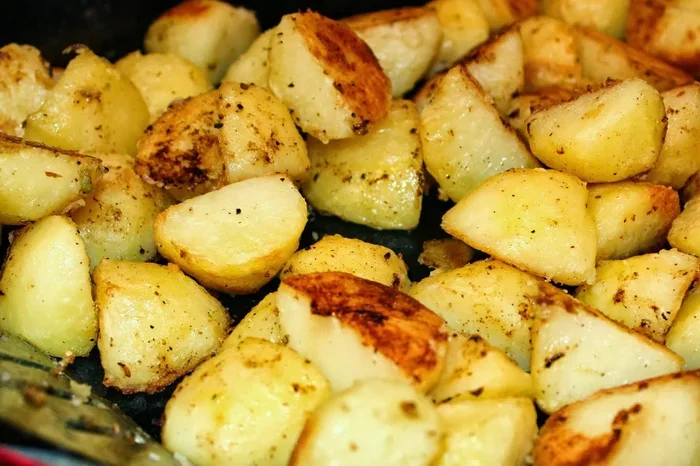
Next, toss the potatoes with olive oil or your preferred cooking fat. Add salt, pepper, garlic powder, and any other seasonings you like. A light coating is all you need. Too much oil will make them greasy instead of crispy.
Pan Selection and Arrangement
Use a baking sheet lined with parchment paper or a silicone mat. This prevents sticking and makes cleanup easier. Avoid overcrowding the pan. Spread the potatoes in a single layer with space between each piece.
Overcrowding traps steam. Steam creates soggy potatoes. If you need to roast a large batch, use two baking sheets. Give each potato piece room to breathe and crisp up.
For even browning, flip the potatoes halfway through cooking. This ensures all sides get exposed to the direct heat of the oven.
Common Mistakes to Avoid When Boiling Potatoes for the Oven
Even experienced cooks make mistakes with this process. Here are the most common errors and how to avoid them.
Overboiling the Potatoes
This is the number one mistake. If you boil potatoes too long before they go in the oven, they will fall apart. You want them fork-tender but still holding their shape.
Set a timer and check early. Remember, they will continue cooking in the oven. The boiling stage should leave them about 80 percent done. That extra 20 percent happens in the oven.
Skipping the Drying Step
Wet potatoes on a baking sheet will steam instead of roast. They will come out soft and pale instead of crispy and golden. Always dry your potatoes thoroughly after draining.
This step takes less than a minute. But it makes a massive difference in the final texture. Do not rush past it.
Using the Wrong Oil
Not all cooking oils are created equal for high-heat roasting. Olive oil works great at 400°F to 425°F. Avoid using butter directly, as it burns at these temperatures.
If you want extra flavor, mix olive oil with a little melted butter after the potatoes are already coated. This way, the butter flavor comes through without burning.
Not Preheating the Oven
Putting potatoes into a cold or lukewarm oven is a recipe for uneven cooking. Always preheat your oven before the potatoes go in.
A hot oven immediately starts crisping the surface. This locks in moisture and creates that irresistible roasted texture. Wait for the oven to reach the target temperature before sliding in your baking sheet.
How Long To Roast Boiled Potatoes in the Oven
Now that your potatoes are boiled and prepped, it is time to talk oven time. The roasting duration depends on the size of your pieces and the temperature you are using.
For one-inch potato cubes roasted at 425°F, expect about 25 to 30 minutes. For larger wedges at 400°F, plan for 35 to 40 minutes. Whole small potatoes may take 30 to 40 minutes at 400°F.
Flip the potatoes halfway through. Check for golden brown color and crispy edges. If they are not crispy enough, you can broil them for the last two to three minutes. Watch them closely during broiling to prevent burning.
The internal temperature should reach 210°F when fully cooked. Use a meat thermometer if you want to be precise. When in doubt, poke the largest piece with a fork. It should slide in with zero resistance.
Resting and Serving
Once your oven-baked potatoes are done, let them rest for a few minutes on the pan. This allows the exterior to firm up. Moving them too soon can cause them to lose their crispiness.
Transfer them to a serving dish and enjoy immediately. Roasted potatoes are best served fresh and hot. They lose their crunch as they sit, so try to serve them right away.
If you need to hold them for a short time, keep them in a warm oven at 200°F. Do not cover them, or the steam will soften the crispy exterior.
Expert Tips for Perfect Roasted Potatoes Every Time
Here are some extra tips from experienced cooks and chefs that take your roasted potatoes from good to outstanding.
- Soak diced potatoes in cold water for 30 minutes before boiling. This removes excess starch and helps them get extra crispy in the oven.
- Add a splash of vinegar to the boiling water. It helps the potato skins hold together during roasting.
- Use a wire rack on your baking sheet. Air circulates underneath, giving you even crispiness on all sides.
- Season after drying. Salt and oil stick better to dry potato surfaces than wet ones.
- Parboil with the lid off. This keeps the water at a rolling boil and cooks the potatoes more evenly.
- Toss with cornstarch or flour. A light coating before roasting creates an extra crunchy exterior.
- Experiment with flavors. Try smoked paprika, rosemary, parmesan, or truffle oil for different flavor profiles.
Quick Tips Recap
Let us quickly recap the most important points. Boil your potatoes for 10 to 15 minutes until fork-tender. Dry them thoroughly after draining. Toss with oil and seasoning. Roast at 400°F to 425°F for 25 to 40 minutes depending on size. Flip halfway through for even browning. And always serve them right away while they are still hot and crispy.
These steps seem simple, but they make a world of difference. Follow them consistently, and your roasted potatoes will be the best anyone at your table has ever had.
Frequently Asked Questions
Can I boil potatoes too long before putting them in the oven?
Yes, absolutely. Overboiled potatoes will fall apart during roasting. You want them fork-tender but still holding their shape. Think of them as about 80 percent cooked when they leave the boiling water. The oven finishes the job and creates the crispy exterior you want.
Do I need to peel potatoes before boiling them for the oven?
No, peeling is optional. Many people prefer to leave the skin on because it adds texture and nutrients. The skin also helps the potato hold its shape during boiling and roasting. If you do leave the skin on, make sure to wash the potatoes thoroughly before boiling.
Can I boil potatoes the night before and roast them the next day?
You can, but it is not ideal. Boiled potatoes stored in water in the fridge can become waterlogged. If you must prep ahead, drain them well and toss them with a little oil. Store them uncovered in the fridge. Pat them dry again before roasting for the best results.
What is the best oil for roasting boiled potatoes?
Olive oil is the most popular choice because it has a good smoke point and adds great flavor. Avocado oil works well too if you want a neutral taste. Avoid using butter alone as it burns at high oven temperatures. You can mix a small amount of butter with olive oil for extra flavor.
How do I get my oven-roasted potatoes extra crispy?
Three things make potatoes crispy. First, dry them thoroughly after boiling. Second, make sure your oven is fully preheated before the potatoes go in. Third, do not overcrowd the baking sheet. Give each piece space to breathe and crisp up. A light dusting of cornstarch or flour before roasting also helps tremendously.
Can I use any type of potato for this method?
Most potato varieties work, but some are better than others. Russet, Yukon Gold, and red potatoes are the top choices. They have the right balance of starch and moisture for boiling and roasting. Very thin or delicate potato types may break apart during the boiling stage and are better suited for other cooking methods.
Conclusion
How long to boil potatoes before putting them in the oven comes down to a simple answer: 10 to 15 minutes for most potato types. But the real magic happens when you combine that perfect boiling time with the right oven temperature and a few smart prep steps.
You now know how to choose the right potato, how to cut them evenly, how to test for doneness, and how to set up your oven for crispy, golden results. You also know the common mistakes to avoid so your potatoes come out perfectly every time.
The next time you make roasted potatoes, give the parboiling method a try. You will notice the difference immediately. The outside will be crispy and golden. The inside will be soft, fluffy, and full of flavor. Once you master this technique, you will wonder how you ever roasted potatoes without boiling them first.
Get in the kitchen, grab your favorite potatoes, and give it a shot. Your taste buds will thank you.