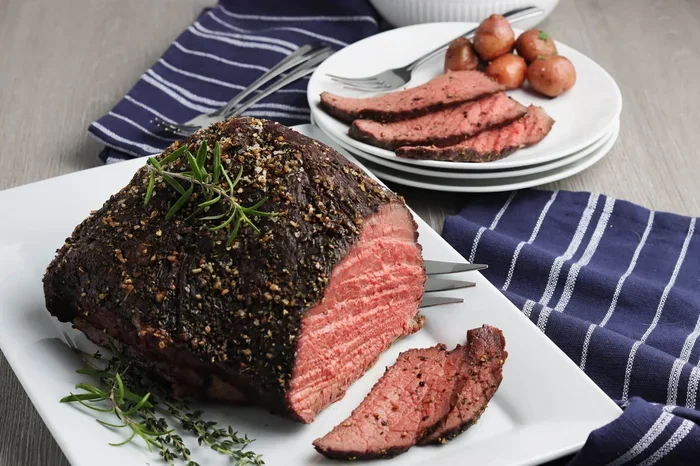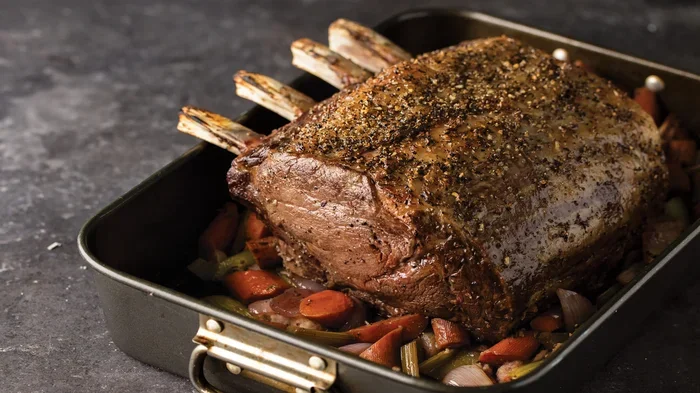
How To Cook Boneless Prime Rib In Oven The Right Way
Cooking boneless prime rib in the oven is easier than you think. This guide walks you through every step from choosing the perfect roast to slicing and serving. You will learn the right prime rib temperature, timing, and seasoning to get a tender, juicy result. Whether you are a beginner or a seasoned home cook, this method guarantees a show-stopping prime rib roast every single time.
Key Takeaways
- Choose the right roast: Look for a well-marbled boneless prime rib roast between 4 and 8 pounds for the best results.
- Low and slow wins: Roasting at 325°F ensures even cooking and a juicy interior every time.
- Use a meat thermometer: Pull the roast at 130°F for medium-rare and let it rest for at least 20 minutes.
- Season simply: Salt, garlic, rosemary, and thyme create a classic flavor profile that lets the beef shine.
- Resting is non-negotiable: Letting the prime rib rest redistributes juices and makes every slice tender.
- Plan for leftovers: A whole boneless prime rib makes incredible sandwiches, hashes, and salads the next day.
📑 Table of Contents
- Why Boneless Prime Rib Is Perfect For Oven Cooking
- Choosing The Right Boneless Prime Rib Roast
- How To Prepare Your Boneless Prime Rib
- Step-by-Step Instructions For Oven Roasting
- Prime Rib Temperature Guide And Timing
- Resting, Slicing, And Serving Your Prime Rib
- Common Mistakes To Avoid When Cooking Prime Rib
- Storing And Using Leftover Prime Rib
- Expert Tips For The Perfect Prime Rib Every Time
- Conclusion
Why Boneless Prime Rib Is Perfect For Oven Cooking
There is something magical about a perfectly roasted prime rib. The rich beefy aroma fills your kitchen. The crispy outer crust gives way to a tender, juicy center. And when you pull it out of the oven, your family knows dinner is going to be special.
A boneless prime rib roast is one of the best cuts you can cook in a home oven. Unlike bone-in versions, the boneless version cooks more evenly. It is also easier to slice and serve. You do not have to fight around a bone to get clean, beautiful slices.
Many people think prime rib is only for fancy dinners or holidays. That is not true at all. With the right approach, you can make a stunning prime rib roast any night of the week. The oven does most of the work for you. You just need a little patience and the right technique.
This guide covers everything you need to know. From selecting the perfect roast at the butcher counter to slicing and serving it like a pro, we have you covered. Let us get started.
Choosing The Right Boneless Prime Rib Roast
What To Look For At The Butcher
Not all prime rib roasts are created equal. When you go to pick one out, look for bright red meat with white streaks of fat throughout. This marbling is what makes prime rib so tender and flavorful. The fat melts during cooking and keeps every bite juicy.
Here are the key things to check when buying a boneless prime rib roast:
- Color: The meat should be a deep cherry red. Avoid anything that looks brown or gray.
- Marbling: Look for thin white lines of fat running through the meat. More marbling equals more flavor.
- Size: A good rule of thumb is about 1 pound per person. For 6 people, aim for a 6-pound roast.
- Fat cap: A nice layer of fat on the outside helps protect the meat during roasting.
A boneless prime rib roast typically weighs between 4 and 8 pounds. This size fits perfectly in most standard home ovens. If you are feeding a crowd, you can always cook two smaller roasts instead of one large one.
Boneless Vs Bone-In: Which Is Better For Oven Roasting
This is a common debate among home cooks. A bone-in prime rib roast has more flavor because the bone radiates heat during cooking. However, a boneless prime rib roast cooks more evenly. There are no cold spots near the bone.
For oven cooking, the boneless version is actually easier to manage. You can tie it with kitchen twine to keep it uniform in shape. This helps it roast evenly from all sides. It is also much simpler to slice afterward.
If you are new to cooking prime rib, start with a boneless roast. It gives you more control and fewer surprises. Once you master the technique, you can experiment with bone-in versions too.
How To Prepare Your Boneless Prime Rib
Bringing The Roast To Room Temperature
This is a step many people skip, but it matters a lot. Take your prime rib roast out of the refrigerator about 2 hours before cooking. Let it sit on the counter uncovered. This allows the meat to come closer to room temperature.
Why does this matter? A cold roast going into a hot oven cooks unevenly. The outside overcooks while the inside stays cold. By bringing it to room temperature first, you get a more even cook from edge to center.
Do not leave it out for more than 2 hours though. Food safety matters, especially with raw beef. If your kitchen is very warm, shorten the resting time to 1 hour.
The Best Prime Rib Seasoning
Seasoning a prime rib roast does not need to be complicated. In fact, the best prime rib seasoning is often the simplest. You want to enhance the natural flavor of the beef, not overpower it.
Here is a classic seasoning blend that works beautifully:
- Coarse kosher salt
- Freshly cracked black pepper
- Garlic powder
- Dried rosemary
- Dried thyme
- A pinch of onion powder
Rub the seasoning generously all over the roast. Press it into the meat with your hands. The salt helps draw out moisture, which then dissolves the salt and gets reabsorbed. This creates a beautifully seasoned roast from the inside out.
For extra flavor, you can also add a few sprigs of fresh garlic and fresh rosemary sprigs underneath the twine. As the roast cooks, these aromatics infuse the meat with incredible flavor.
Tying The Roast
Tying your boneless prime rib roast keeps it uniform in shape while it cooks. Without tying, the roast can bulge in the middle and cook unevenly.
Use kitchen twine to tie the roast at 2-inch intervals. Start from the narrower end and work toward the wider end. Pull the twine snug but not too tight. You want to maintain the shape without squeezing out the juices.
This small step makes a big difference in your final result. The roast will look professional and cook evenly throughout.
Step-by-Step Instructions For Oven Roasting
Setting Up Your Oven
Preheat your oven to 325°F. This is the ideal prime rib oven temperature for a slow, even roast. Avoid opening the oven door too often during cooking. Every time you open the door, heat escapes and your cooking time increases.
Place a roasting pan or large oven-safe skillet on the lower-middle oven rack. You want the roast to sit in the center of the oven where heat circulates best. If your oven has hot spots, rotating the pan halfway through can help, but it is not strictly necessary.
The Searing Step
Searing is optional but highly recommended. A good sear creates a flavorful crust on the outside of the roast. This crust locks in juices and adds a beautiful brown color.
To sear your prime rib roast, heat a skillet or roasting pan on the stovetop over high heat. Add a small amount of oil. Once the oil is shimmering, place the roast in the pan. Let it sear on all sides for about 2 to 3 minutes each. You want a deep brown crust on every side.
After searing, transfer the pan to the preheated oven. This is where the magic of slow roasting begins.
How Long To Cook Boneless Prime Rib
The prime rib cooking time depends on the size of your roast and how done you like it. Here is a general guide for a boneless prime rib roast at 325°F:
- Rare (120-125°F internal): About 15 minutes per pound
- Medium-rare (130-135°F internal): About 17 minutes per pound
- Medium (140-145°F internal): About 19 minutes per pound
- Well-done (155°F+ internal): About 22 minutes per pound
These times are estimates. The only way to know for sure is with a meat thermometer. Insert it into the thickest part of the roast, avoiding any fat or bone. Check the temperature about 20 minutes before you expect the roast to be done.
Remember that the internal temperature will rise 5 to 10 degrees during resting. This is called carryover cooking. So if you want a final temperature of 130°F, pull the roast at 125°F.
Adding Liquid For Extra Moisture
Some cooks like to add liquid to the bottom of the roasting pan. Beef broth, red wine, or even water works well. This creates steam that keeps the roast moist, especially during longer cooking times.
You do not need much. About 1 cup of liquid is enough. Just make sure the liquid does not touch the roast itself. It should sit in the bottom of the pan, not under the meat.
This technique is especially helpful for larger roasts that take longer to cook. It prevents the outside from drying out before the inside reaches the right temperature.
Prime Rib Temperature Guide And Timing
Understanding Internal Temperatures
The prime rib internal temperature is the single most important factor in your roast. Getting this right is what separates a good roast from a great one. Here is a quick reference guide:
- 120°F: Rare. Cool red center. Very soft texture.
- 125-128°F: Medium-rare. Warm red center. Perfect for most prime rib lovers.
- 130-135°F: Medium. Pink center. Still very juicy.
- 140°F: Medium-well. Slight pink. Firmer texture.
- 150°F+: Well-done. Little to no pink. Can be dry.
For most people, medium-rare is the sweet spot. It gives you a tender, juicy roast with a beautiful pink center. This is the temperature that professional chefs and steakhouses aim for.
Using A Meat Thermometer Correctly
A good instant-read meat thermometer is an essential tool for cooking prime rib. Do not rely on the oven timer alone. Ovens vary, and roasts vary in shape and density.
Insert the thermometer probe into the thickest part of the roast. Avoid touching the bone or any fat deposits. Take readings from multiple spots to make sure the roast is cooking evenly.
Start checking the temperature about 30 minutes before you expect the roast to be done. This gives you time to pull it early if needed. Remember, you can always cook it longer, but you cannot undo an overcooked roast.
Resting, Slicing, And Serving Your Prime Rib
The Importance Of Resting
Resting your prime rib roast after cooking is one of the most important steps. When you pull the roast from the oven, the juices inside are concentrated near the center. If you cut into it immediately, those juices run out onto the cutting board.
Let the roast rest for at least 20 minutes. Tent it loosely with aluminum foil. This keeps it warm while allowing the juices to redistribute throughout the meat. The result is a much more tender and juicy roast when you finally slice into it.
The resting time also allows the internal temperature to rise through carryover cooking. So your roast will continue to cook slightly after leaving the oven. Plan for this when deciding when to pull the roast out.
How To Slice And Carve Like A Pro
Slicing a prime rib roast properly makes a huge difference in how it looks and tastes. Use a sharp carving knife or a long slicing knife. A dull knife will shred the meat instead of giving you clean slices.
Here is how to carve a boneless prime rib roast:
- Remove the kitchen twine from the roast.
- Identify which direction the grain of the meat runs.
- Slice against the grain into pieces about 1/2 inch thick.
- Cut at a slight angle for wider, more elegant slices.
- Serve immediately while still warm.
Slicing against the grain is crucial. It shortens the muscle fibers and makes each bite much more tender. If you slice with the grain, the roast will be chewy no matter how perfectly you cooked it.
Best Side Dishes For Prime Rib
A great prime rib roast deserves great sides. Here are some classic pairings that complement the rich flavor of oven roasted prime rib:
- Roasted potatoes: Crispy on the outside, fluffy inside. Toss them in the drippings from the pan for extra flavor.
- Grilled asparagus: The char and freshness balance the richness of the beef perfectly.
- Creamy horseradish sauce: A tangy, spicy sauce that cuts through the richness of the meat.
- Garlic butter green beans: Simple, delicious, and ready in minutes.
- Cauliflower mash: A lighter alternative to mashed potatoes that still feels indulgent.
You do not need to make all of these. Pick two or three and keep things simple. The prime rib roast is the star of the show. Let it shine.
Common Mistakes To Avoid When Cooking Prime Rib
Even experienced cooks can make mistakes with prime rib. Here are the most common ones and how to avoid them:
Skipping the thermometer. Guessing the temperature leads to overcooked or undercooked meat. A meat thermometer takes the guesswork out completely. It is the single best investment you can make for cooking prime rib.
Cooking at too high a temperature. High heat dries out prime rib. Stick with 325°F for a slow, gentle roast. The low temperature allows the fat to render slowly and the connective tissue to break down. This is what makes prime rib so tender.
Not letting the roast rest. Cutting too early means losing all those delicious juices. Be patient and let the roast rest for at least 20 minutes. Your patience will be rewarded.
Over-seasoning. Prime rib has a beautiful natural flavor. You do not need to bury it under heavy spices. Salt, pepper, garlic, and herbs are all you need. Let the beef speak for itself.
Ignoring carryover cooking. The roast continues to cook after leaving the oven. If you wait until the thermometer reads your target temperature, the roast will be overcooked by the time you serve it. Pull it early and let carryover do its work.
Storing And Using Leftover Prime Rib
Leftover prime rib is a gift. Unlike many other meats, leftover prime rib stays incredibly moist and flavorful. Here is how to make the most of it:
Store leftover slices in an airtight container in the refrigerator for up to 3 days. You can also freeze sliced prime rib for up to 3 months. Wrap each slice tightly in plastic wrap and then foil before placing in a freezer bag.
Leftover prime rib makes amazing sandwiches the next day. Simply reheat slices gently in a pan with a little butter. Add provolone cheese, caramelized onions, and a drizzle of horseradish sauce on crusty bread. It is better than any restaurant sandwich.
You can also chop leftover prime rib into a hash with eggs for breakfast. Or toss it into a salad for a protein-packed lunch. Prime rib leftovers are incredibly versatile and should never go to waste.
Expert Tips For The Perfect Prime Rib Every Time
Here are some bonus tips from experienced cooks and chefs that will take your prime rib to the next level:
- Dry brine overnight: Salt the roast the night before and leave it uncovered in the fridge. This draws out moisture, which dissolves the salt, and then gets reabsorbed. The result is deeper seasoning and a better crust.
- Use a wire rack: Place the roast on a wire rack inside the roasting pan. This allows hot air to circulate around the entire roast for more even cooking.
- Let the roast come to room temperature before searing. A warm roast sears better and more evenly than a cold one straight from the fridge.
- Baste halfway through cooking: Spoon the pan juices over the roast about halfway through. This adds flavor and helps the outside stay moist.
- Let the roast finish at room temperature: After resting, let it sit on the counter for 5-10 minutes before slicing. This ensures even temperatures throughout each slice.
These small extra steps take very little time but make a noticeable difference in your final result. They are the secrets that separate good home cooking from truly great cooking.
Conclusion
Cooking a boneless prime rib in the oven is one of the most rewarding things you can do in the kitchen. It is not as intimidating as it might seem. With the right roast, the right seasoning, and the right temperature, you will create a restaurant-quality meal at home.
Remember the key points: choose a well-marbled roast, season it simply, roast it low and slow at 325°F, use a meat thermometer, and let it rest before slicing. Follow these steps and you will have a tender, juicy, and flavorful prime rib that will impress everyone at your table.
The beauty of this method is that it works every time. Once you nail the technique, you can experiment with different seasonings, temperatures, and sizes. But the fundamentals stay the same. Start with these basics and build from there.
So next time you are planning a special dinner or just want to treat yourself, pull out that prime rib roast and give it a try. You will be glad you did. Happy cooking!
Frequently Asked Questions
Can I cook a boneless prime rib roast from frozen?
It is not recommended to cook a frozen prime rib roast directly in the oven. Thawing it first ensures even cooking and better food safety. Let the roast thaw in the refrigerator for 24 to 48 hours before cooking. This gives you the most consistent and delicious results.
What is the best prime rib internal temperature for medium-rare?
Aim for an internal temperature of 130°F to 135°F for medium-rare prime rib. Remember that the temperature will rise 5 to 10 degrees during resting. Pulling the roast at 125°F will give you a perfect medium-rare result after it rests.
How long should I let my prime rib rest before slicing?
Let the roast rest for at least 20 minutes after taking it out of the oven. Tent it loosely with aluminum foil to keep it warm. This resting period allows the juices to redistribute, making every slice tender and juicy.
Can I use a convection oven to cook prime rib?
Yes, you can use a convection oven for prime rib. Reduce the temperature by about 25°F from the standard recipe. Convection ovens circulate hot air more efficiently, which can shorten cooking time slightly. Keep a close eye on the internal temperature with a meat thermometer.
How much boneless prime rib do I need per person?
Plan for about 1 pound of boneless prime rib per person. If you are serving hearty sides or expect big appetites, go closer to 1.5 pounds per person. A 6-pound roast typically serves 4 to 6 people comfortably.
What is the difference between prime rib and ribeye?
Prime rib is a larger cut that includes multiple rib sections, while a ribeye is an individual steak cut from the same primal cut. Prime rib is roasted whole and sliced, while ribeye is typically grilled or pan-seared as individual steaks. Both come from the same area of the cow and share rich, beefy flavor.