How To Make Batch Brew Coffee At Home And Save Time
Making batch brew coffee at home is one of the easiest ways to streamline your morning routine and enjoy fresh coffee all week long. With the right equipment, a simple recipe, and a few pro tips, you can brew large quantities of coffee without sacrificing flavor or quality. This guide walks you through everything from choosing your gear to storing your brew for maximum freshness.
Key Takeaways
- Batch brewing saves significant time by letting you prepare multiple cups in one go.
- The right equipment matters for consistent, great-tasting results every time.
- Coffee-to-water ratio is critical for achieving the perfect brew strength.
- Proper storage keeps batch brew fresh for up to a week in the fridge.
- Experimenting with beans and grind sizes helps you discover your ideal flavor profile.
- Batch brewing is more eco-friendly than single-serve methods, reducing waste.
- You can customize your batch with flavors, sweeteners, and milk options easily.
📑 Table of Contents
What Is Batch Brew Coffee And Why It Matters
Batch brew coffee means making a large quantity of coffee in a single brewing session. Instead of brewing one cup at a time, you prepare enough coffee to last several hours or even days. This approach has become incredibly popular among busy people who still want a great cup of coffee without the daily grind.
The beauty of batch brewing is its simplicity. You set up your equipment once, let the machine do the work, and come back to a full pot of freshly brewed coffee. Whether you are hosting a brunch, heading to the office, or just fueling up for a long day, batch brew coffee fits your lifestyle perfectly.
Many people assume that brewing in large quantities means compromising on taste. That is simply not true. When you use the right ratio, quality beans, and proper technique, batch-brewed coffee tastes just as good as a single cup. In fact, many coffee lovers say that a well-made batch brew has a smoother, more balanced flavor profile.
Saving time is the obvious benefit. But there is more. Batch brewing reduces the number of times you clean your equipment during the week. It also cuts down on coffee grounds waste since you measure everything in bulk. Plus, having coffee ready to go means fewer trips to expensive coffee shops.
If you are new to this method, do not worry. The process is straightforward, and the learning curve is minimal. By the end of this guide, you will have all the knowledge you need to start brewing large batches at home with confidence.
Equipment You Need For Batch Brewing
You do not need fancy gadgets to make batch brew coffee at home. The right equipment depends on your budget, kitchen space, and personal preferences. Here is what you need to get started.
Automatic Drip Coffee Makers
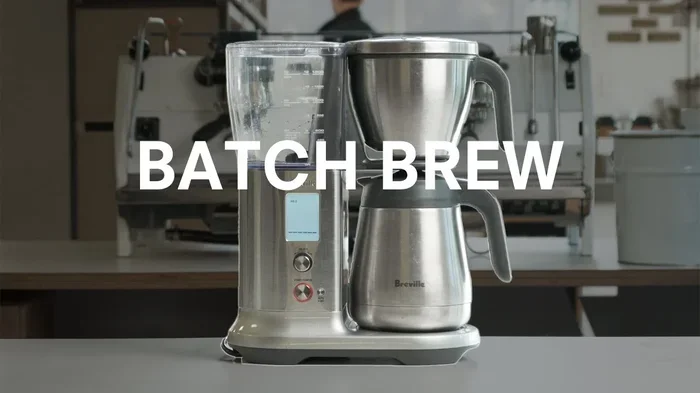
A standard drip coffee maker is the most common tool for batch brewing. These machines are affordable, widely available, and incredibly easy to use. You simply add water to the reservoir, place a filter in the basket, add your grounds, and press start.
Look for a machine with a 12-cup capacity or larger. Many models also come with programmable timers, which let you set your brew the night before. Imagine waking up to the smell of fresh coffee already brewing. That is the power of a good drip coffee maker.
Some popular brands include Cuisinart, Mr. Coffee, and Bonavita. Each offers reliable performance at different price points. Choose one with a thermal carafe if you want to keep your coffee hot without burning it.
French Press For Larger Batches
A French press is another excellent option for batch brewing. While standard French presses hold 8 to 12 ounces, larger sizes are available that can brew up to 34 ounces. The immersion brewing method extracts rich, full-bodied flavors that many people prefer over drip coffee.
The downside is that French presses require more hands-on effort. You need to monitor brew time, press the plunger at the right moment, and serve quickly. But for coffee enthusiasts who value control over their brew, this is a small trade-off.
Percolators And Other Batch Brewers
Stovetop percolators offer a nostalgic brewing experience that produces strong, bold coffee. Electric percolators automate the process and can handle larger volumes. These are great for people who like their coffee on the stronger side.
Cold brew systems also fall into the batch category. A large cold brew maker lets you steep coarse grounds in water for 12 to 24 hours. The result is a smooth, low-acid concentrate that you can dilute to taste. Cold brew is especially popular during warmer months.
The Perfect Batch Brew Recipe
Getting the recipe right is the foundation of great batch brew coffee. A consistent ratio ensures that every cup tastes balanced and delicious. Here is a simple, reliable recipe to start with.
Step-By-Step Brewing Instructions
Step 1: Measure your water. For a standard 12-cup batch, use about 60 ounces of filtered water. Cold, fresh water produces the best extraction.
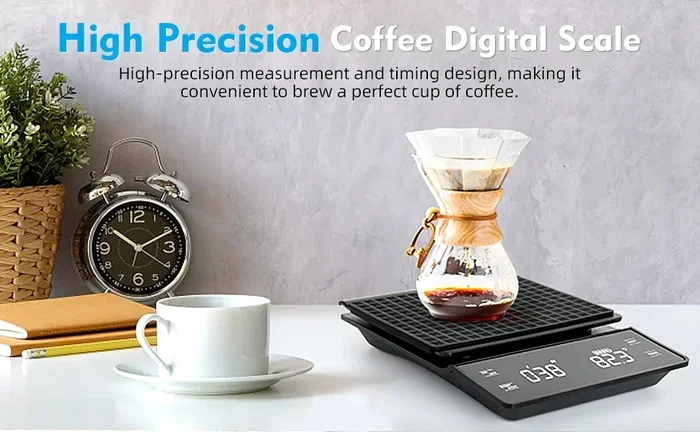
Step 2: Weigh your coffee grounds. The golden ratio is roughly 1 to 15. That means 4 ounces of coffee for every 60 ounces of water. Adjust to your taste preference. Some people prefer a stronger brew at a 1 to 14 ratio.
Step 3: Grind your beans just before brewing. A medium grind works best for drip machines. If you use a French press, go with a coarse grind. The grind size affects extraction and flavor significantly.
Step 4: Place a filter in the basket and add the grounds evenly. Avoid packing them down. An even distribution allows water to flow through consistently.
Step 5: Start the brew cycle. If your machine has a programmable timer, set it to brew just before you wake up. The aroma alone is worth the extra step.
Step 6: Serve and enjoy. For the best flavor, drink your batch brew within 20 minutes of brewing. If you need to store it, let it cool first and then transfer it to an airtight container.
Adjusting Strength And Flavor
Not everyone likes their coffee the same way. That is the beauty of batch brewing at home. You have complete control over every variable.
For a stronger cup, increase the coffee amount by 10 to 15 percent. For a lighter cup, use less coffee or brew for a shorter time. You can also experiment with water temperature. The ideal range is between 195 and 205 degrees Fahrenheit. Too hot and you risk over-extraction, which brings out bitter notes.
Flavor additions are easy too. Try adding cinnamon sticks during brewing, a splash of vanilla extract after, or cocoa powder mixed into your grounds. These small touches transform a basic batch brew into something special.
Tips For The Best Batch Brew Flavor
Brewing a large batch does not mean settling for mediocre coffee. Follow these tips to get café-quality results every time.
Use Fresh, Quality Beans
The quality of your beans directly impacts the flavor of your batch brew. Buy whole beans from a reputable roaster and grind them just before brewing. Pre-ground coffee loses its freshness faster, which leads to flat, dull flavors.
Store your beans in an airtight container away from heat and light. A cool, dark pantry works perfectly. Avoid storing beans in the fridge, as moisture can degrade their quality.
Clean Your Equipment Regularly
Residual oils and mineral buildup can ruin the taste of your coffee over time. Clean your coffee maker after every few batches. Run a vinegar and water solution through the machine once a month to remove buildup.
Wash your carafe, filters, and baskets with warm soapy water. These small maintenance habits make a huge difference in flavor consistency.
Mind Your Water Quality
Coffee is 98 percent water. If your tap water tastes chlorinated or hard, your coffee will reflect that. Use filtered water for the cleanest, purest flavor. A simple carbon filter pitcher works great for this purpose.
Preheat Your Brewer
Running hot water through your machine before brewing helps maintain a consistent temperature during the extraction process. This small step ensures even brewing and brings out the full flavor of your grounds.
Experiment With Different Roasts
Light roasts highlight fruity and floral notes, while dark roasts bring out bold, smoky flavors. Medium roasts offer a balanced profile that works well for most batch brewing methods. Try different roasts to find what suits your palate best.
Batch Brew Coffee Versus Single Serve
Many coffee drinkers wonder whether batch brewing is really better than single-serve methods. Both approaches have their merits, but they serve different needs.
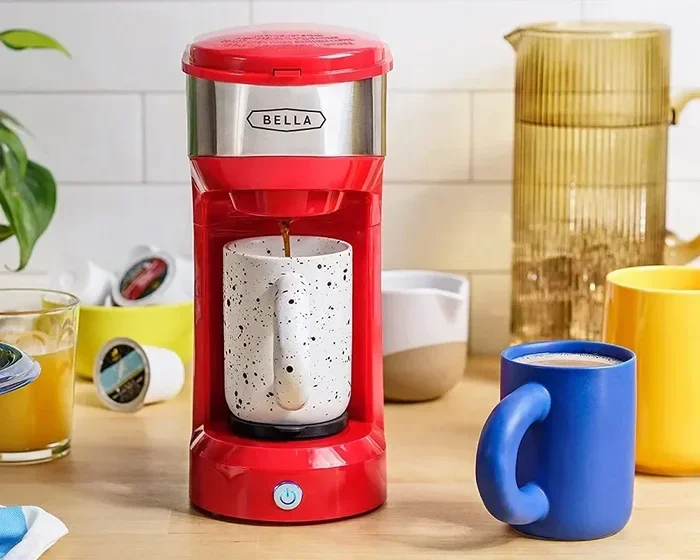
Single-serve machines like pod systems offer convenience and variety. You can brew a different flavor every day with minimal effort. However, the per-cup cost is higher, and the environmental impact from disposable pods adds up quickly.
Batch brewing is more economical in the long run. A bag of quality beans goes further when you brew in larger quantities. It also produces less waste since you use reusable filters or permanent baskets.
For flavor, batch brewing generally wins. Single-serve pods often contain pre-ground coffee that has been sitting on shelves for months. Freshly ground beans brewed in a batch produce a noticeably richer and more aromatic cup.
The one advantage single-serve has is portion control. If you only want one cup, a pod system avoids waste. But for households with multiple coffee drinkers, batch brew coffee is the clear winner.
Quick Comparison Table
- Cost per cup: Batch brew is cheaper; single-serve pods cost more over time.
- Flavor freshness: Batch brew with fresh beans wins hands down.
- Convenience: Single-serve is slightly easier for one cup; batch brew wins for multiple cups.
- Environmental impact: Batch brew produces less waste overall.
- Customization: Both allow customization, but batch brew offers more control over strength and flavor.
How To Scale Your Batch Brew Routine
Once you master the basics, you can scale your batch brew routine to fit your lifestyle. The key is building habits that make the process effortless and repeatable.
Meal Prep Your Coffee
Just like you might meal prep breakfast or dinner, you can prep your coffee for the week. On Sunday evening, measure out the coffee grounds for each day into separate bags or containers. In the morning, all you need to do is add water and start the machine.
This strategy cuts your morning prep time to under two minutes. Pair it with something simple like a quick breakfast of bacon and sausage cooked in the oven for a complete start to your day.
Store Your Brew Properly
Freshly brewed coffee stays at its best for about 20 minutes. After that, the flavors start to degrade. However, you can extend the shelf life by storing your batch brew in the refrigerator.
Use an airtight thermal carafe or a glass container with a tight seal. Refrigerated batch brew stays fresh for up to one week. When you want a cup, simply reheat it on the stove or in the microwave. Avoid boiling, as this can bring out bitter notes.
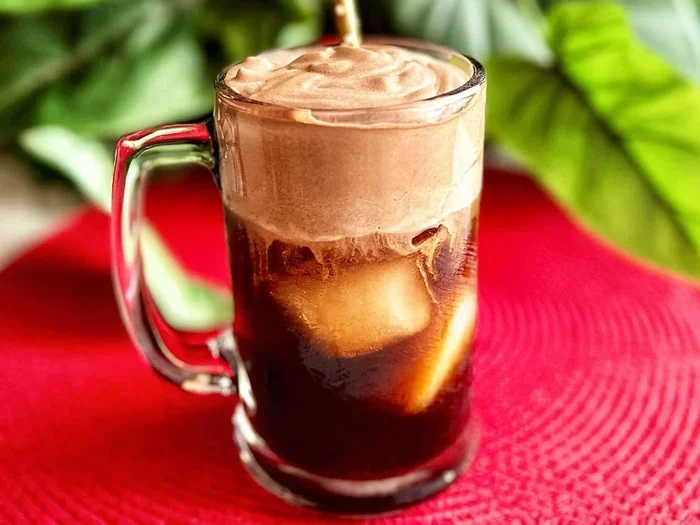
For a refreshing twist, pour your cold batch brew over ice and add milk or cream. This makes a great iced coffee that is ready in seconds.
Create A Morning Routine Around Batch Brewing
The most effective way to make batch brewing a habit is to attach it to your existing morning routine. Set your coffee maker to brew just before your alarm goes off. While the machine works, you can shower, get dressed, and prepare breakfast.
Consider pairing your coffee with something from the oven. A warm slice of Texas toast in the oven makes an excellent companion to a fresh pot of batch brew. The combination of crispy toast and rich coffee creates a satisfying breakfast experience at home.
Share The Joy With Others
Batch brewing is perfect for gatherings. Whether you are hosting a weekend brunch or a casual morning with friends, having a large pot of coffee ready takes the pressure off hosting. You can set up a coffee station with various creamers, sweeteners, and flavor options.
For a complete breakfast spread, you might also try making Italian subs in the oven or reheating leftover baked chicken in the oven for a hearty meal. The possibilities are endless when you have a reliable batch brew setup.
Common Batch Brew Mistakes To Avoid
Even experienced home brewers make mistakes. Knowing what to avoid helps you get better results every time.
Using stale beans: This is the number one flavor killer. Always check the roast date on your beans and use them within a few weeks of opening the bag.
Wrong grind size: Too fine and your coffee becomes bitter and over-extracted. Too coarse and it tastes weak and sour. Match your grind to your brewing method.
Ignoring water temperature: Water that is too hot or too cold affects extraction. Invest in a simple thermometer if you want precision.
Skipping the clean: Dirty equipment leads to off-flavors. Make cleaning part of your regular routine.
Brewing too much at once: While batch brewing is about making more, brewing more than you will consume within a week leads to stale coffee. Start with a manageable batch size and adjust as needed.
Final Thoughts On Batch Brew Coffee
Making batch brew coffee at home is one of the simplest upgrades you can make to your daily routine. It saves time, saves money, and delivers consistently great flavor. With the right equipment, a solid recipe, and a few good habits, you will wonder how you ever managed without it.
Start small if you need to. Brew a half batch this week. Experiment with different beans and ratios. Find what works for you and build from there. The goal is to make your mornings easier and your coffee better.
Remember that the best coffee is the coffee you actually drink. A perfect recipe means nothing if it sits unused because it feels too complicated. Keep things simple, keep things consistent, and enjoy the process.
Your morning cup of coffee should be a moment of comfort, not a source of stress. Batch brewing gives you that comfort back, one full pot at a time. So grab your favorite beans, fire up your coffee maker, and start brewing smarter today.
Frequently Asked Questions
What is the best ratio for batch brew coffee?
The standard ratio is 1 to 15, which means 1 gram of coffee for every 15 grams of water. For a 12-cup batch, this translates to about 4 ounces of coffee grounds and 60 ounces of water. Adjust the ratio slightly based on your taste preference for stronger or weaker coffee.
How long does batch brew coffee last?
Freshly brewed batch brew coffee stays at peak flavor for about 20 minutes at room temperature. When stored in the refrigerator in an airtight container, it remains fresh for up to 7 days. Always reheat gently rather than boiling to preserve the flavor.
Can I use pre-ground coffee for batch brewing?
Yes, you can use pre-ground coffee, but freshly ground beans produce significantly better flavor. Pre-ground coffee loses its aromatic compounds faster, which results in a flatter taste. If you must use pre-ground, store it in an airtight container and use it within two weeks of opening.
What type of coffee maker is best for batch brewing?
A standard automatic drip coffee maker with a 12-cup capacity or larger is the most popular choice for batch brewing. Thermal carafe models are especially good because they keep coffee hot without burning it. French presses and percolators also work well for those who prefer a richer, bolder flavor.
Is batch brewing more economical than buying coffee?
Absolutely. Brewing at home costs a fraction of what you would pay at a coffee shop. A bag of quality beans can produce dozens of cups, making the cost per cup just pennies. Over time, the savings add up significantly, especially for daily coffee drinkers.
Can I make cold brew coffee in batch?
Yes, cold brew is a form of batch brewing. You simply combine coarse coffee grounds with cold water in a large container, steep for 12 to 24 hours, and strain. The result is a smooth concentrate that you can dilute with water or milk. Cold brew batch preparation is perfect for hot weather and requires minimal equipment.