Why Does Coffee Always Make Me Poop And Why It Matters
Coffee is one of the most popular drinks in the world, but many people wonder why does coffee always make me poop. The answer lies in how coffee affects your digestive system, stomach acid levels, and colon movements. This article breaks down the science, shares practical tips, and helps you enjoy your daily cup without the awkward rush to the bathroom.
You are not alone. Millions of people reach for their morning caffeinated beverages and then rush to the bathroom shortly after. It is a strange and sometimes embarrassing experience. But here is the good news. Why does coffee always make me poop is a question that science has started to answer. And the reasons might surprise you.
Coffee is more than just a morning pick-me-up. It is a complex drink filled with compounds that interact with your body in powerful ways. From the moment it touches your lips, your digestive system starts to respond. Understanding this can help you enjoy your daily routine without the constant worry of an urgent bathroom trip.
In this guide, we will explore the real reasons behind the coffee laxative effect. We will look at the science, break down the ingredients, and share practical tips you can use today. Whether you drink one cup or five, this article has something for you.
Key Takeaways
- Coffee stimulates bowel movements: It triggers your colon to contract, which can lead to the urge to poop within minutes of drinking.
- Multiple compounds are at play: Caffeine, chlorogenic acids, and gastrin all contribute to the coffee laxative effect.
- Not just caffeine: Decaf coffee can also make you poop, which means other coffee compounds are involved too.
- Brewing method matters: Different coffee brewing methods and types can affect your digestive system differently.
- Timing and habits help: Drinking coffee with food or adjusting when you consume it can reduce the digestive discomfort.
- See a doctor if needed: Persistent issues may signal a deeper gut health problem worth checking.
📑 Table of Contents
- Why Does Coffee Always Make Me Poop? The Simple Truth
- The Science Behind Coffee and Your Digestive System
- What Ingredients in Coffee Trigger the Urge
- Does the Type of Coffee Matter?
- How to Enjoy Coffee Without the Bathroom Rush
- When Should You Be Concerned?
- The Connection Between Breakfast Habits and Coffee
- Common Mistakes People Make with Coffee and Digestion
- Final Thoughts
Why Does Coffee Always Make Me Poop? The Simple Truth
The short answer is that coffee wakes up your gut. It does not just give you energy. It also tells your digestive system to get moving. This is called the colon motility response. When you drink coffee, your muscles in the lower intestines start to contract. These contractions push waste through your system faster than usual.
Studies have shown that coffee can trigger bowel movements after coffee within four minutes of drinking. That is incredibly fast. Your body does not even need to fully digest the coffee for this to happen. The effect is mostly chemical, not physical. This means even a small sip can set things in motion.
Many people think this only happens with strong coffee. But the truth is, even mild brews can cause the same response. The key is not just the strength of the drink. It is the combination of natural compounds inside the bean. These coffee compounds work together to stimulate your gut in ways you might not expect.
If you have ever wondered why your morning coffee habit always lines up with a trip to the bathroom, now you know. Your body is simply reacting to something in the coffee. And once you understand what that is, you can take steps to manage it.
The Science Behind Coffee and Your Digestive System
Your digestive system is a complex machine. It breaks down food, absorbs nutrients, and removes waste. Coffee interacts with several parts of this system at once. Let us break down what happens inside your body after you take a sip.
How Coffee Affects Stomach Acid
One of the first things coffee does is increase your stomach acid production. When you drink coffee, your stomach lining starts to secrete more hydrochloric acid. This acid helps break down food. But when there is too much of it, things can get messy. The extra acid irritates your stomach lining. This irritation sends signals to your brain. And those signals often result in the urge to go.
Drinking acidic coffee on an empty stomach makes this worse. Your stomach has nothing else to dilute the acid. So the coffee compounds go straight to work. This is why many people feel the need to poop right after their first cup of the day.
If you drink coffee on an empty stomach, you might also notice heartburn or bloating. These are signs that your stomach acid levels are too high. Over time, this can lead to ongoing digestive discomfort. So it is worth paying attention to how your body responds.
The Role of Colon Motility
Colon motility is the movement of your large intestine. When this movement increases, waste moves faster through your system. Coffee boosts colon motility in a big way. Research has shown that coffee stimulates the muscles in your colon to contract. These contractions are similar to the ones that happen when you eat a meal. But coffee triggers them even faster.
One study found that coffee increased colon activity by about 60 percent. That is a huge jump. And it happens regardless of whether the coffee has caffeine or not. This tells us that something else in coffee besides caffeine is at work. We will look at those ingredients in the next section.
The speed of your bowel movements after coffee can vary from person to person. Some people feel the urge within minutes. Others might wait a bit longer. It all depends on your individual coffee sensitivity and the current state of your gut health.
What Ingredients in Coffee Trigger the Urge
Coffee contains over a thousand different compounds. Not all of them affect your digestion. But several key ingredients are responsible for the laxative effect. Let us look at the main culprits.
Caffeine and Its Effects
Caffeine is the most well-known ingredient in coffee. It is a stimulant that wakes up your brain and body. But it also wakes up your gut. Caffeine stimulates the muscles in your digestive tract. This includes your stomach and intestines. When these muscles contract more often, waste moves through faster.
Caffeine also boosts stomach acid production. More acid means more irritation. And more irritation means your body wants to clear things out. This is one reason why caffeinated beverages like coffee, tea, and soda can all trigger the urge to go.
Chlorogenic Acids
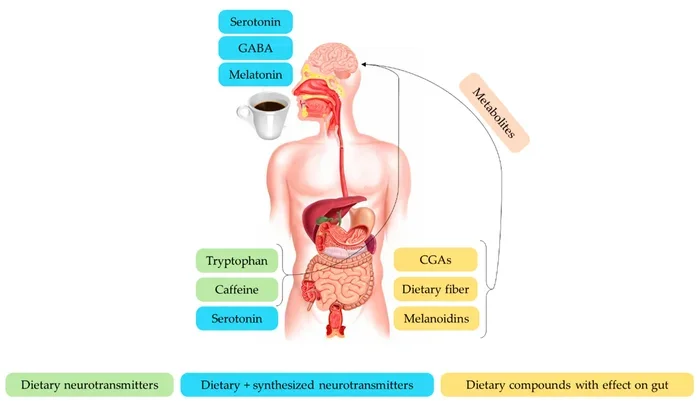
Chlorogenic acids are natural compounds found in coffee beans. They are responsible for the slightly bitter taste of coffee. But they also play a big role in digestion. These acids increase the production of stomach acid and speed up gastric emptying. That means food leaves your stomach faster and enters your intestines sooner.
When food moves quickly into your intestines, your body responds by pushing it out. This is a natural defense mechanism. Your body does not want to hold onto something that is moving too fast. So it triggers a bowel movement. This is one of the main reasons why why does coffee always make me poop is such a common question.
Gastrin and Other Hormones
Coffee triggers the release of a hormone called gastrin. Gastrin tells your stomach to start producing acid. It also signals your intestines to begin moving. This hormonal response happens almost immediately after you drink coffee. And it affects everyone differently. Some people are more sensitive to gastrin than others.
Another compound called N-alkanoyl-5-hydroxytryptamide also plays a role. It stimulates serotonin production in the gut. Serotonin is a chemical that controls muscle contractions in your intestines. More serotonin means more contractions. More contractions mean faster movement. And faster movement means you need to poop sooner.
Does the Type of Coffee Matter?
Not all coffee is created equal. The type of coffee you drink can change how your body reacts. Let us look at the differences.
Instant Coffee vs. Brewed Coffee
Instant coffee and bowel movements are closely linked for many people. Instant coffee is made from dried coffee extract. It contains many of the same compounds as brewed coffee. But the concentration can vary. Some instant coffees have more additives than others. These additives can also affect your digestion.
Brewed coffee, on the other hand, is made by passing hot water through ground beans. This process extracts a wider range of compounds. The result is a richer drink with more natural oils and acids. For some people, brewed coffee causes a stronger urge than instant coffee. For others, the difference is minimal.
If you have noticed that certain types of coffee affect you more, pay attention. Your body is telling you something. Switching to a different coffee brewing method might help reduce your symptoms.
Dark Roast vs. Light Roast
Dark roast and light roast coffee have different chemical profiles. Light roast coffee retains more chlorogenic acids. These are the compounds that boost stomach acid and speed up digestion. Dark roast coffee has fewer of these acids but more melanoidins. Melanoidins are compounds formed during the roasting process. They have antioxidant properties but may affect digestion differently.
If you drink light roast coffee and always rush to the bathroom, try switching to a dark roast. You might find that the urge is less intense. The same goes for the coffee ingredients you add. Cream, sugar, and flavored syrups can all affect how your body processes coffee.
Decaf Coffee and Digestion
Here is a surprising fact. Decaf coffee can also make you poop. This proves that caffeine is not the only factor. Decaf coffee still contains chlorogenic acids and other compounds that stimulate the gut. If you switch to decaf hoping to avoid the bathroom rush, you might be disappointed. The natural laxative properties of coffee are not limited to caffeine alone.
Many people who are sensitive to caffeine switch to decaf for this reason. But they still experience the same digestive effects. This is an important clue that the coffee itself, not just the caffeine, is the trigger.
How to Enjoy Coffee Without the Bathroom Rush
You do not have to give up coffee to avoid the urgency. There are several practical steps you can take. These tips will help you enjoy your cup while keeping your digestive health in check.
Drink Coffee with Food
One of the simplest ways to reduce the laxative effect is to drink coffee with a meal. Food buffers the stomach acid that coffee produces. It also slows down the absorption of coffee compounds. This gives your body more time to process things calmly. Instead of a sudden rush, you get a gentler response.
Try eating something bland before your first cup. Toast, oatmeal, or a banana are great options. If you prefer a heartier breakfast, consider pairing your coffee with eggs or whole grain bread. A simple meal like making toast in the oven can be a perfect coffee companion. It gives your stomach something to work with and reduces the irritation.
Choose the Right Brewing Method
Different brewing methods extract different compounds from coffee. A paper filter, for example, removes many of the oils that can irritate your gut. French press coffee keeps more of these oils. So it might cause a stronger reaction in some people. Pour-over coffee with a paper filter is often a gentler option.
If you are serious about your coffee setup, consider investing in quality equipment. Brands like Cuisinart coffee makers offer reliable machines that give you control over brewing strength. A cleaner, smoother cup of coffee might be easier on your stomach.
Watch Your Portion Size
Drinking too much coffee at once can overwhelm your digestive system. If you normally drink three or four cups in the morning, try cutting back to one or two. See how your body responds. Sometimes less is more when it comes to managing the laxative effect.
Spacing out your cups throughout the morning can also help. Instead of drinking them all at once, have one cup every couple of hours. This gives your body time to process each cup before the next one arrives.
Add Milk or Cream
Milk and cream can coat your stomach lining. This provides a protective barrier against the acid that coffee produces. If you drink black coffee and experience urgency, try adding a splash of milk or cream. It might make a noticeable difference.
Just be careful if you are lactose intolerant. Dairy can cause its own digestive problems. In that case, try a plant-based cream alternative. Oat milk and almond milk are popular choices that are gentle on the stomach.
Avoid Coffee on an Empty Stomach
This is perhaps the most important tip. Drinking coffee on an empty stomach amplifies the laxative effect. Your stomach acid has nothing to dilute it. The coffee compounds go straight to your intestinal lining. This can cause cramping, urgency, and discomfort.
Make it a habit to eat something before you drink your first cup. Even a small snack like a handful of nuts or a piece of fruit can help. Your gut health will thank you for the extra protection.
Quick Tips to Reduce Coffee Urgency
- Always eat something before your first cup of the day
- Choose paper-filtered coffee over French press
- Limit your intake to one or two cups in the morning
- Try switching to a dark roast for less acidity
- Add milk or cream to protect your stomach lining
- Space out your coffee consumption throughout the morning
- Stay hydrated with water alongside your coffee
When Should You Be Concerned?
Occasional urgency after coffee is normal. It happens to most regular coffee drinkers at some point. But there are times when the response is a sign of a bigger problem. Knowing the difference can save you from serious digestive discomfort.
If you notice blood in your stool, severe cramping, or persistent diarrhea after drinking coffee, it is time to see a doctor. These symptoms are not normal. They could indicate conditions like irritable bowel syndrome (IBS), acid reflux, or gastritis. A medical professional can help you figure out what is going on.
Also pay attention if the urgency gets worse over time. If you used to drink coffee with no issues and now you always rush to the bathroom, something has changed. Your body might be developing a new sensitivity. Or there could be an underlying condition that coffee is aggravating.
People with existing digestive issues should be extra careful. If you have IBS, Crohn’s disease, or ulcerative colitis, coffee can make your symptoms worse. Talk to your doctor about how much coffee is safe for you. They can give you personalized advice based on your condition.
The Connection Between Breakfast Habits and Coffee
Many people pair their morning coffee with breakfast. What you eat alongside your coffee can either help or hurt your digestion. Let us look at some common breakfast choices and how they interact with coffee.
Toast is a classic breakfast item. It is bland, easy to digest, and pairs well with coffee. If you do not have a toaster, you can still enjoy toast by learning how to make toast in the oven without a toaster. This simple technique gives you a warm, crispy slice that is gentle on your stomach.
Some people like to add cheese to their breakfast. If you enjoy parmesan, you might wonder whether it melts well in the oven. Parmesan cheese in the oven can create a delicious topping for toast or breakfast dishes. Just be mindful of how dairy affects your digestion alongside coffee.
The key is balance. A breakfast that is too heavy might make you feel sluggish. A breakfast that is too light might not buffer the coffee’s effects. Find the middle ground that works for your body. Listen to what your gut is telling you.
Common Mistakes People Make with Coffee and Digestion
There are several habits that make the coffee-poop connection worse. Avoiding these mistakes can help you enjoy your coffee with less urgency.
- Drinking coffee first thing on an empty stomach: This is the most common mistake. It maximizes acid production and gut irritation.
- Choosing the wrong roast: Light roasts have more chlorogenic acids that trigger digestion. Switching to dark roast can help.
- Ignoring your body signals: If your body tells you something is wrong, listen. Pushing through the discomfort can lead to long-term issues.
- Drinking too much too fast: Chugging multiple cups in the morning overwhelms your digestive system all at once.
- Adding too much sugar: Sugar can ferment in your gut and cause bloating. This compounds the digestive effects of coffee.
Expert Insight
Nutritionists often recommend waiting at least 30 minutes after waking up before drinking coffee. This gives your body time to hydrate and start digestion naturally. Pairing coffee with a balanced breakfast can also reduce the laxative effect significantly.
Final Thoughts
Why does coffee always make me poop is a question that has a clear and well-researched answer. Coffee stimulates your digestive system through multiple pathways. It increases stomach acid, boosts colon motility, and triggers hormone releases that speed up waste removal. The compounds in coffee, not just caffeine, are responsible for this effect.
The good news is that you do not have to suffer in silence. Simple changes like eating before you drink, choosing the right roast, and adjusting your portion size can make a big difference. Your morning coffee should be a pleasure, not a race to the bathroom.
Pay attention to how your body responds. Everyone is different. What works for one person might not work for another. Experiment with the tips in this article and find what works best for you. Your digestive health matters, and taking care of it starts with understanding how your favorite drinks affect your body.
Next time you pour yourself a cup, remember what you have learned here. Make small adjustments. Listen to your body. And enjoy your coffee with confidence, knowing that you have the tools to manage the effects. A happy gut makes for a better morning.
Frequently Asked Questions
Why does coffee make me poop immediately?
Coffee triggers the release of hormones and compounds that stimulate your colon muscles. This can cause contractions within minutes of drinking. The effect is partly chemical, meaning your body responds to the compounds in coffee even before it fully digests the drink.
Is it normal to poop after every cup of coffee?
For many people, yes. The coffee laxative effect is very common. However, if it is causing you distress or disrupting your daily routine, it might be worth adjusting your habits or consulting a doctor. Persistent changes in bowel habits should always be evaluated by a professional.
Does decaf coffee make you poop too?
Yes, decaf coffee can also trigger bowel movements. This is because decaf still contains compounds like chlorogenic acids that stimulate stomach acid and colon activity. The effect is usually milder than with regular coffee but is still noticeable for many people.
Can I train my body to not react to coffee?
You cannot completely eliminate the natural response, but you can reduce its intensity. Eating before drinking, choosing darker roasts, and using paper filters can all help. Over time, adjusting your coffee habits can make the digestive effects much more manageable.
Why does coffee affect some people more than others?
Individual coffee sensitivity varies based on gut health, diet, and genetics. People with sensitive digestive systems or conditions like IBS may experience stronger reactions. The balance of bacteria in your gut also plays a role in how you respond to coffee compounds.
What is the best time of day to drink coffee to avoid urgency?
Waiting at least 30 minutes after waking up and drinking coffee with a meal can help. Mid-morning, after you have eaten breakfast, is often the best time. This gives your stomach food to buffer the acid and slows the absorption of coffee compounds.