What Temperature To Cook Halibut In The Oven Perfectly
Cooking halibut in the oven is simple when you know the right temperature and timing. The ideal oven temperature to cook halibut is between 400°F and 425°F, which delivers perfectly flaky, juicy results every time. This guide covers everything from basic baking techniques to seasoned recipes and common mistakes to avoid. Whether you are a beginner or a seasoned home cook, you will find practical tips to make your oven-baked halibut restaurant-quality. Let us dive into the best methods for cooking this delicious white fish.
There is something truly special about oven-baked halibut. It is a fish that feels elegant on the plate but stays incredibly simple to prepare. Whether you are cooking for a weeknight dinner or a special occasion, knowing the right halibut cooking temperature makes all the difference. This guide will walk you through everything you need to create perfectly baked halibut every single time.
Halibut is a mild, sweet white fish that pairs well with almost any flavor profile. It is lean, healthy, and packed with protein. But because it has very little fat, it can dry out fast if you are not careful. That is exactly why temperature control matters so much. In this article, we will cover the best oven settings, cooking times, seasoning ideas, and common pitfalls to avoid. By the end, you will feel confident enough to bake halibut like a pro.
Key Takeaways
- Best Temperature: Cook halibut at 400°F to 425°F for optimal flavor and texture.
- Internal Temperature: The halibut is done when it reaches 145°F internally.
- Cooking Time: Most fillets bake in 12 to 20 minutes depending on thickness.
- Preparation Matters: Seasoning, parchment paper, and proper oiling prevent sticking.
- Avoid Overcooking: Halibut dries out quickly, so watch it closely.
- Versatile Methods: You can bake, broil, or use foil packets for different textures.
📑 Table of Contents
- Why Oven-Baked Halibut Is a Great Choice
- What Temperature to Cook Halibut in the Oven
- Step-by-Step Guide to Baking Halibut
- Best Seasoning Combinations for Baked Halibut
- Common Mistakes When Baking Halibut
- Expert Tips for Perfect Oven-Baked Halibut
- Comparison: Different Methods for Cooking Halibut in the Oven
- How to Tell When Halibut Is Done
- How to Store and Reheat Leftover Baked Halibut
- Frequently Asked Questions
- Final Thoughts on Cooking Halibut in the Oven
Why Oven-Baked Halibut Is a Great Choice
Baking halibut in the oven is one of the easiest and most reliable cooking methods. Unlike pan-frying, you do not need to worry about flipping the fillet or managing hot oil. The oven provides gentle, even heat that cooks the fish uniformly. This makes it perfect for beginners and busy weeknights alike.
Another big advantage is versatility. You can keep it simple with just olive oil and salt, or go all out with herbs, butter, and lemon. Oven-baked halibut also works beautifully with vegetables roasted on the same sheet pan. That means one pan, minimal cleanup, and a complete meal in under 30 minutes. It is no wonder this method remains a favorite among home cooks everywhere.
Health Benefits of Halibut
Halibut is a nutritional powerhouse. A single serving provides a large dose of lean protein, which helps build and repair muscles. It is also rich in B vitamins, selenium, and phosphorus. Unlike fattier fish, halibut keeps your meal light without sacrificing flavor. Baking it in the oven preserves all these nutrients better than frying ever could.
What Temperature to Cook Halibut in the Oven
The sweet spot for baking halibut is between 400°F and 425°F. At this range, the outside gets lightly golden while the inside stays tender and flaky. Most chefs and home cooks agree that 425°F is the go-to temperature for a perfectly baked fillet.
Here is a quick breakdown of common temperature settings:
- 400°F: Slightly gentler heat. Great for thicker fillets that need more time to cook through without drying out.
- 425°F: The most popular choice. Produces a nice light crust on the outside while keeping the inside moist.
- 375°F: Lower temperature for very thick steaks or when you want a slower, more gentle cook.
- Broil setting: For a quick charred top finish. Best used as a finishing step, not the primary method.
No matter which temperature you choose, the key is to monitor the internal temperature of halibut. Use a fish thermometer to check that the thickest part reaches 145°F. That is the FDA-recommended safe temperature for all seafood, including baked fish.
How Thickness Affects Cooking Temperature and Time
Not all halibut fillets are the same thickness, and that changes everything. A thin fillet that is half an inch thick will cook much faster than a thick steak that is one and a half inches thick. Here is how thickness plays a role:
- Thin fillets (half an inch): Bake at 425°F for about 10 to 12 minutes.
- Medium fillets (three-quarters of an inch): Bake at 400°F to 425°F for 12 to 15 minutes.
- Thick steaks (one inch or more): Bake at 400°F for 15 to 20 minutes. You may need to cover with foil partway through to prevent over-browning.
The halibut cooking temperature stays the same, but the time shifts based on how thick your piece of fish is. Always use a thermometer to be sure. Guessing is the number one reason people overcook their fish.
Step-by-Step Guide to Baking Halibut
Now let us get into the practical part. Here is a simple, foolproof method for baking halibut in the oven. Follow these steps and you will get great results every time.
Step 1: Preheat Your Oven
Start by preheating your oven to 425°F. Give it at least 10 to 15 minutes to reach the right temperature. A properly preheated oven ensures the fish starts cooking immediately when it goes in, which helps lock in moisture.
Step 2: Prepare the Halibut
Take your fresh halibut fillet out of the refrigerator about 10 minutes before cooking. Letting it come closer to room temperature helps it cook more evenly. Pat it dry with a paper towel. This step is crucial because moisture on the surface can create steam, which prevents a nice light sear.
Step 3: Season Generously
Lightly coat the fillet with olive oil or melted butter. This does two things. It prevents sticking, and it helps the seasonings stick to the fish. Sprinkle salt, pepper, and any herbs you like. Lemon zest, garlic powder, and smoked paprika all work wonderfully with halibut.
Step 4: Arrange on a Baking Sheet
Line a baking sheet with parchment paper or lightly grease it. Place the halibut in the center. If you are adding vegetables like asparagus or cherry tomatoes around the fish, toss them in olive oil and salt too. Spread everything out so the pieces are not touching.
Step 5: Bake and Monitor
Slide the tray into the preheated oven. Set a timer for 12 minutes to start checking. Use a fish thermometer to measure the internal temperature at the thickest point. Once it hits 145°F, the halibut is done. Remove it immediately to stop the cooking process.
Step 6: Rest and Serve
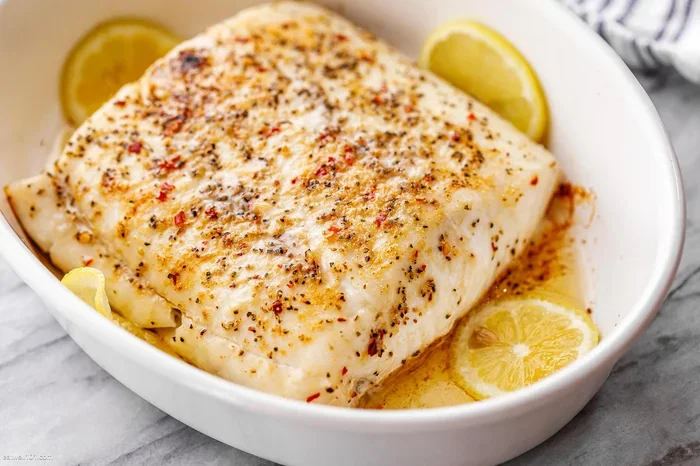
Let the fish rest for two to three minutes before serving. This allows the juices to redistribute, making every bite more flavorful and moist. Serve alongside lemon wedges, a drizzle of olive oil, or a light sauce of your choice.
Best Seasoning Combinations for Baked Halibut
One of the best things about oven-baked halibut is how well it takes on different flavors. The mild taste of the fish acts as a blank canvas. Here are some tried-and-true seasoning combinations that elevate the dish.
Lemon Herb
Mix fresh dill, parsley, and thyme with olive oil, lemon juice, and a pinch of garlic. Spread this over the fillet before baking. This classic combination brings out the natural sweetness of the fish without overwhelming it.
Mediterranean Style
Top your halibut with sliced olives, capers, sun-dried tomatoes, and a sprinkle of oregano. A drizzle of olive oil and a squeeze of lemon ties everything together. This style pairs beautifully with a side of roasted vegetables.
Asian-Inspired
Create a glaze with soy sauce, sesame oil, honey, and fresh ginger. Brush it on the fish during the last five minutes of baking. Garnish with sesame seeds and sliced green onions for a restaurant-quality finish.
Simple Butter and Garlic
Melt butter with minced garlic and a dash of paprika. Spoon this over the halibut right before it goes in the oven. This rich, savory flavor makes even the simplest halibut recipe feel indulgent.
Common Mistakes When Baking Halibut
Even experienced cooks make mistakes with halibut in the oven. Knowing what to avoid is just as important as knowing what to do. Here are the most common errors and how to fix them.
Overcooking the Fish
This is the single biggest mistake people make with halibut. Because it is a lean fish with very little fat, it dries out fast once it passes the ideal temperature. The difference between perfectly cooked and rubbery halibut can be just two or three minutes. Always set a timer and check early. Use a fish thermometer to remove the fillet the moment it hits 145°F.
Skipping the Preheat
Putting cold fish into a cold oven leads to uneven cooking. The outside may burn before the inside is fully cooked. Always preheat your oven and give it time to reach the target oven temperature for fish before placing the halibut inside.
Using a Cold Fillet
Cooking straight from the refrigerator creates temperature gaps inside the fish. The outside cooks faster than the center, which leads to uneven texture. Take the halibut fillet out about 10 minutes before baking to take the chill off.
Crowding the Pan
If you place multiple fillets too close together, steam gets trapped between them. This creates a soggy texture instead of the light, flaky result you want. Give each piece space on the baking sheet. If you need to cook more, use two sheets or bake in batches.
Forgetting to Oil the Fish
Halibut has a delicate texture that sticks easily to baking sheets and foil. A light coat of oil or butter on both sides prevents this. It also helps the seasonings adhere and adds a subtle richness to the finished dish.
Expert Tips for Perfect Oven-Baked Halibut
Want to take your baked halibut from good to amazing? These expert tips make a real difference.
Use Parchment Paper
Parchment paper is a game changer. It prevents sticking without adding extra fat, and it makes cleanup a breeze. The fish lifts right off the paper when done. If you do not have parchment, a light coating of oil on the baking sheet works too.
Try a Foil Packet Method
If you want extra moist results, try baking halibut in a foil packet. Place the seasoned fillet on a large piece of foil with sliced lemons, a few butter pats, and fresh herbs. Fold the foil into a sealed packet and bake at 400°F. The trapped steam keeps the fish incredibly juicy. This method works especially well for thinner fillets.
Add a Glaze in the Last Few Minutes
Brush a light glaze on the halibut during the final five minutes of baking. This could be a honey-soy mix, a balsamic reduction, or a simple lemon-butter sauce. The glaze caramelizes slightly and adds a beautiful flavor layer without overcooking the fish.
Let the Fish Rest
Resting is not just for steak. When you pull the halibut out of the oven, the internal temperature continues to rise slightly. This carryover cooking means your fish will reach the perfect 145°F even after leaving the oven. Letting it rest for two to three minutes keeps it juicy and tender.
Pair with the Right Side Dishes
Oven-baked halibut goes well with a wide range of sides. Roasted vegetables, rice pilaf, quinoa, or a fresh green salad all complement the mild flavor of the fish. For a lighter meal, serve it with a squeeze of lemon and some crusty bread to soak up any juices.
Comparison: Different Methods for Cooking Halibut in the Oven
There are several ways to bake halibut, and each gives a slightly different result. Here is a comparison of the most popular methods.
| Method | Temperature | Time | Best For | Texture |
|---|---|---|---|---|
| Standard Bake | 425°F | 12 to 15 min | Thin to medium fillets | Light and flaky |
| Covered Bake | 400°F | 15 to 20 min | Thick steaks | Moist and tender |
| Foil Packet | 400°F | 15 to 20 min | Thin fillets with veggies | Very juicy, steamed |
| Broil Finish | Broil | 2 to 4 min | Crispy top on baked fillets | Golden and crispy on top |
| Sheet Pan with Veggies | 425°F | 15 to 20 min | Complete meals | Flaky fish with roasted veggies |
Each method has its place. The standard bake is your everyday go-to. The foil packet is perfect for summer when you want minimal kitchen heat. The broil finish adds a nice crunch when you want to elevate the presentation. Choose the method that fits your mood and the thickness of your fish.
How to Tell When Halibut Is Done
Knowing when halibut is done is one of the most important skills for any home cook. There are three reliable ways to check.
- Use a fish thermometer: Insert it into the thickest part of the fillet. 145°F means it is ready. This is the most accurate method and takes the guesswork out completely.
- Check the color: Properly cooked halibut turns from translucent to opaque white throughout. If you still see any translucent or raw-looking areas, it needs more time.
- Test with a fork: Gently press the thickest part with a fork and twist slightly. If the fish flakes apart easily and looks white, it is done. If it resists flaking, give it a couple more minutes.
Always check early and often. Halibut continues to cook after you remove it from the oven, so pulling it off just before it reaches 145°F gives you the best results.
How to Store and Reheat Leftover Baked Halibut
If you have leftovers, store them properly to keep the fish safe and tasty. Place cooled halibut in an airtight container and refrigerate within two hours. It keeps well for up to two days in the fridge.
To reheat, use a low oven temperature of 275°F. Cover the fish loosely with foil to trap moisture. Heat for about 10 to 15 minutes until the internal temperature reaches 145°F again. Avoid microwaving if possible, as it tends to make the fish rubbery and tough. The gentle oven reheat preserves the texture much better.
Frequently Asked Questions
What is the best temperature to cook halibut in the oven?
The best oven temperature for halibut is 425°F for most fillets. This temperature cooks the fish quickly while keeping it moist and flaky. Thicker steaks may benefit from a slightly lower temperature of 400°F to ensure the center cooks through without the outside drying out. Always aim for an internal temperature of 145°F for food safety and the best texture.
How long does it take to bake halibut at 400°F?
At 400°F, a medium-thickness halibut fillet typically bakes in 12 to 15 minutes. Thicker steaks may need 18 to 20 minutes. The exact time depends on the thickness of the fillet and whether you are covering it with foil. Use a fish thermometer to check doneness. The fish is ready when it reaches 145°F internally and flakes easily with a fork.
Can you bake halibut at 350°F?
Yes, you can bake halibut at 350°F, but it will take longer, usually around 20 to 25 minutes. This lower temperature works well for very thick fillets or when you want a slower, gentler cook. The trade-off is that the fish may not develop as much color or a light crust on the outside. Most cooks prefer the 400°F to 425°F range for better results in less time.
Should you cover halibut with foil when baking?
Covering halibut with foil is optional but helpful in certain situations. If you are baking a thick steak or cooking at a higher temperature, foil prevents the outside from over-browning before the inside is done. Foil also traps steam, which keeps the fish extra moist. For thinner fillets, leaving them uncovered allows the top to get a nice light texture. Try both methods and see which you prefer.
How do you keep halibut from drying out in the oven?
The key to preventing dry halibut is to not overcook it. Start checking the internal temperature at the 10-minute mark. Use olive oil or melted butter to coat the fish before baking, as fat helps retain moisture. Baking at the right halibut cooking temperature of 400°F to 425°F also helps. And always let the fish rest for a couple of minutes after removing it from the oven to allow the juices to settle.
Is it better to bake halibut with skin on or skin off?
Baking with the skin on helps protect the fish and keep it moist during cooking. The skin also adds a nice texture contrast. If you prefer skinless fillets, make sure to oil the pan well and consider using parchment paper to prevent sticking. Either method works great at the right oven-baked halibut temperature. The choice really comes down to personal preference and what you plan to serve with the fish.
Final Thoughts on Cooking Halibut in the Oven
Baking halibut in the oven is one of the simplest and most rewarding things you can do in the kitchen. Once you know the right halibut cooking temperature, everything else falls into place. Stick with 400°F to 425°F, keep an eye on the internal temperature, and pull the fish out the moment it reaches 145°F. The result is a beautifully flaky, juicy fillet that tastes far better than anything you would order at a restaurant.
Do not be afraid to experiment with different seasonings, side dishes, and baking methods. Each time you bake halibut in the oven, you will refine your technique and discover new flavor combinations you love. Whether you keep it simple with lemon and herbs or go bold with a savory glaze, the process is forgiving and forgiving.
Now that you have all the knowledge you need, it is time to put it into practice. Preheat your oven, grab a fresh fillet, and start baking. With the tips and techniques in this guide, your oven-baked halibut will turn out perfectly every single time. Enjoy the process, savor the results, and share the delicious meal with the people you love.