What Bowls Are Oven Safe Everything You Need To Know
What bowls are oven safe depends on the material, construction, and manufacturer guidelines. Ceramic, glass, and stoneware bowls often handle high heat, while plastic and melamine can melt or release toxins. This guide will help you identify oven-safe bowls and avoid common kitchen mishaps.
Have you ever wondered what bowls are oven safe? It is a simple question, but the answer can save your favorite dish from a messy disaster. Many people grab a bowl from the cabinet and toss it into the oven without thinking twice. That can lead to cracked glass, melted plastic, or even a fire hazard. Knowing which bowls are oven safe is one of the most important kitchen skills you can learn.
Not all bowls are created equal. Some are built to handle extreme heat, while others will warp or release harmful chemicals when exposed to high temperatures. Oven-safe bowls come in a variety of materials, each with its own rules and limits. This guide will walk you through everything you need to know, from the safest materials to the ones you should keep far away from the heat. By the end, you will feel confident choosing the right bowl for any recipe.
We will cover the types of bowls that can go in the oven, how to read the labels, and common mistakes that cause damage. You will also find quick tips and expert insights to make your cooking easier. Let us dive in and find out which bowls deserve a spot in your oven.
Key Takeaways
- Check the label: Always look for oven-safe symbols or manufacturer instructions before putting any bowl in the heat.
- Material matters: Ceramic, glass, stoneware, porcelain, and certain metals are typically oven safe, while plastic and melamine are not.
- Avoid thermal shock: Never place a cold bowl directly into a hot oven or onto a hot surface to prevent cracking.
- Know the temperature limit: Most oven-safe bowls have a maximum temperature, usually between 350°F and 500°F (175°C–260°C).
- Hand-wash when possible: Even oven-safe bowls last longer with gentle hand washing instead of harsh dishwasher cycles.
- Use the right bowl for the job: Match the bowl size and shape to your recipe for even cooking and safety.
📑 Table of Contents
What Bowls Are Oven Safe? The Quick Answer
The short answer is that bowls made from ceramic, glass, stoneware, porcelain, and certain metals are generally oven safe. What bowls are oven safe depends on the material, how they are made, and the manufacturer’s guidelines. Always check the bottom of the bowl or the packaging for an oven-safe symbol. If you cannot find any information, it is best to keep that bowl away from the heat.
Here is a quick list of materials that are usually safe for oven use:
- Ceramic and stoneware – These are often kiln-fired and can handle high temperatures.
- Tempered glass – Designed to resist thermal shock and even heat.
- Porcelain – A type of ceramic that is very durable and heat resistant.
- Stainless steel and cast iron – Metal bowls are almost always oven safe, but check for plastic handles.
Why It Matters
Using the wrong bowl in the oven can cause it to break, spoil your food, or even start a fire. A bowl that is not oven safe might melt, release toxic fumes, or shatter from thermal shock. Thermal shock happens when a cold bowl meets a sudden temperature change. This creates stress inside the material, leading to cracks. Choosing the right oven-safe bowls protects your food, your oven, and your wallet.
Quick Tip: Look for the Oven-Safe Symbol
Most oven-safe bowls have a symbol on the bottom. It often looks like a little oven with wavy lines or a bowl with flames. If you see this symbol, you are good to go. If the bowl has a crossed-out oven icon, never put it in the heat. Always check the label before you preheat your oven.
Types of Bowls and Their Oven Safety
Not all bowls are the same. The material determines how much heat a bowl can handle. Let us look at the most common types of kitchen bowls and whether they belong in the oven.
Ceramic Bowls
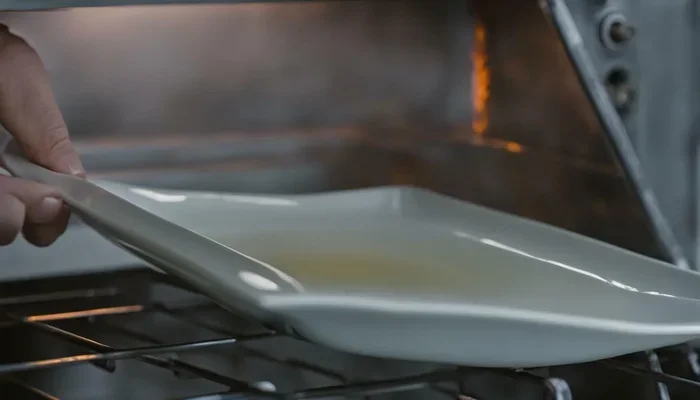
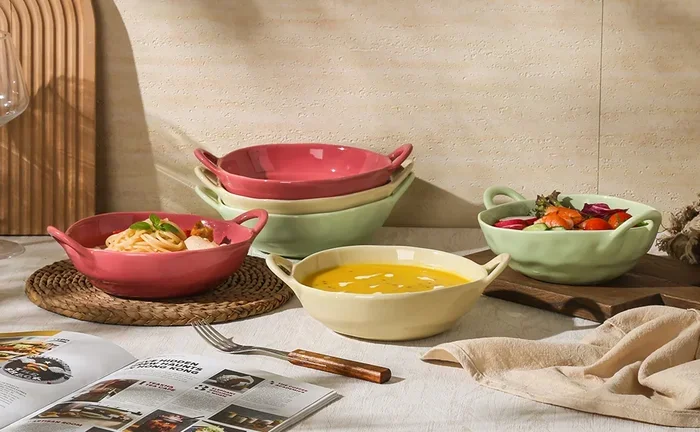
Ceramic bowls are made from clay that is fired in a kiln. Many ceramic bowls are oven safe, but not all. Glazed ceramics can handle high temperatures if they are properly fired. However, some decorative ceramics have low-fire glazes that cannot withstand oven heat. Always check the manufacturer’s instructions. A ceramic baking dish is a great example of a safe oven-safe bowl. It distributes heat evenly and keeps food warm for a long time.
Glass Bowls
Glass bowls are tricky. Regular glass can shatter in the oven because it does not handle sudden temperature changes well. However, tempered glass and borosilicate glass are designed to be heat resistant. Pyrex and similar brands make oven-safe glass bowls. These can go from the fridge to a warm oven, but you should still avoid extreme thermal shock. Glass bowls that are oven safe are perfect for baking casseroles, desserts, and one-pot meals.
Stoneware and Porcelain
Stoneware is a type of ceramic that is fired at very high temperatures. It is dense, non-porous, and almost always oven safe. Porcelain is a refined ceramic that is also fired at high heat. Both stoneware and porcelain bowls are excellent for oven use. They can go from the oven to the table, making them versatile serving pieces. Just make sure they do not have metallic paint or decorations that can spark in the oven.
Metal Bowls
Metal bowls made from stainless steel, aluminum, or copper are generally oven safe. They heat up quickly and can withstand very high temperatures. However, bowls with plastic handles, wooden accents, or non-stick coatings may not be safe. Always check the manufacturer’s guidelines. A metal mixing bowl without plastic parts can easily go into the oven for baking or reheating.
Plastic and Melamine Bowls
Plastic bowls and melamine bowls should never go in the oven. Melamine is a type of plastic that is durable for everyday use, but it cannot handle high heat. It will warp, melt, and release harmful chemicals. Even microwave-safe plastic is not always oven safe. Keep these bowls away from the stove and oven entirely. Plastic is not oven safe under any circumstances.
Comparison Table: Oven Safety by Material
| Material | Oven Safe? | Max Temperature | Notes |
|---|---|---|---|
| Ceramic (glazed, kiln-fired) | Yes | Up to 500°F (260°C) | Check for metallic paint or decorations |
| Tempered Glass | Yes | Up to 450°F (230°C) | Avoid sudden temperature changes |
| Stoneware | Yes | Up to 500°F (260°C) | Very durable, even heat distribution |
| Porcelain | Yes | Up to 500°F (260°C) | Elegant, oven-to-table safe |
| Stainless Steel | Yes | Very high (500°F+) | Check for plastic handles |
| Cast Iron | Yes | Very high (500°F+) | Heavy, excellent heat retention |
| Melamine | No | Melts around 160°F (70°C) | Never use in oven |
| Regular Plastic | No | Melts at low temps | Never use in oven |
| Wood | No | Can burn or crack | Never use in oven |
This table gives you a quick reference. Always double-check the manufacturer’s guidelines, because some bowls may have special limits.
Common Mistake: Assuming All Ceramics Are Equal
Many people think all ceramic bowls are oven safe. That is a common mistake. Some ceramic bowls are decorated with paints or glazes that cannot handle high heat. They may crack, discolor, or release harmful substances. If a bowl is purely ceramic with a food-safe glaze and no metallic decorations, it is likely safe. When in doubt, contact the manufacturer.
How to Tell If a Bowl Is Oven Safe
It can be hard to know if a bowl is oven safe just by looking at it. You need to check a few things before you put it in the heat. Here are the steps you should follow.
Check the Bottom for Symbols
Turn the bowl over and look at the bottom. Most manufacturers print an oven-safe symbol there. It might be a picture of an oven with wavy lines or a bowl with flames. Some bowls have a written label that says “oven safe” or “ovenproof.” If you see this symbol, you can use the bowl in the oven with confidence. Always look for this symbol before you preheat your oven.
Read the Manufacturer’s Guide
If the bowl does not have a symbol, check the packaging or the brand’s website. Many companies list the maximum temperature and whether the bowl is oven safe. Manufacturer guidelines are the most reliable source of information. Do not guess. If you cannot find any information, it is safest to assume the bowl is not oven safe.
The Cold Water Test (Expert Insight)
Some experts suggest a simple test to check for thermal shock resistance. Fill the bowl with cold water and place it in a cold oven. Then turn the oven on to 350°F (175°C) and let it heat for 15 minutes. If the bowl survives without cracking, it is likely heat resistant. However, this test is not foolproof and can damage a bowl that is not oven safe. Use this test only on bowls you are willing to risk. It is always better to check the label first.
Quick Tip: The Hand-Feel Test
Another simple check is to feel the bowl. Oven-safe bowls are usually thick and heavy. They feel solid and dense. Thin, lightweight bowls made of regular glass or plastic are more likely to break. A thick stoneware or ceramic bowl will feel substantial in your hand, which is a good sign that it can handle oven heat.
Common Mistakes That Ruin Bowls in the Oven
Even oven-safe bowls can break if you use them the wrong way. Here are the most common mistakes people make, and how to avoid them.
Ignoring Thermal Shock
Thermal shock is the number one enemy of oven-safe bowls. It happens when you move a bowl from a cold place (like the refrigerator or a cold countertop) directly into a hot oven. The sudden temperature change causes the material to expand unevenly, which leads to cracks. Always let a cold bowl come to room temperature before putting it in the oven. This simple step can save your bowls from breaking.
Exceeding Temperature Limits
Every oven-safe bowl has a temperature limit. Some can handle up to 500°F (260°C), while others are only safe up to 350°F (175°C). Exceeding that limit can cause the bowl to crack, warp, or release harmful chemicals. Never assume a bowl can handle any temperature. Check the maximum heat rating and stay within it. If you are baking at 450°F, make sure your bowl is rated for that temperature.
Using Bowls with Metallic Trim
Many beautiful bowls have gold or silver metallic trim or decorations. These metallic elements can spark and cause arcing in the oven. The sparks can damage the bowl, the oven, or even start a fire. Avoid putting any bowl with metallic paint or trim in the oven. Stick to bowls that are plain or have food-safe, non-metallic glazes.
Common Mistake: Putting a Lid in the Oven
If your bowl comes with a lid, check if the lid is oven safe too. Many lids are made of plastic or glass that cannot handle high heat. Even if the bowl is oven safe, the lid might not be. Always remove plastic lids before placing the bowl in the oven.
Best Oven-Safe Bowls for Everyday Cooking
Now that you know what to look for, let us talk about the best bowls for everyday cooking. These are the bowls you can trust for baking, roasting, and reheating.
Top Picks for Baking and Serving
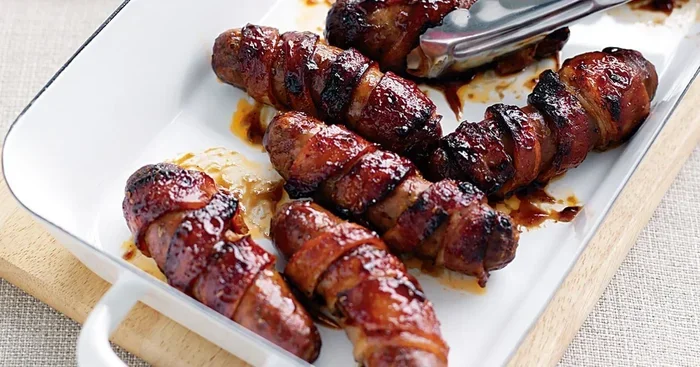
Stoneware bowls are a top choice for everyday cooking. They are heavy, durable, and can handle temperatures up to 500°F. They heat evenly and keep food warm long after it comes out of the oven. A good stoneware bowl can go from the oven to the table, making it perfect for serving casseroles, gratins, and baked pasta.
Tempered glass bowls like Pyrex are another excellent option. They are transparent, so you can watch your food cook. Glass bowls are great for baking desserts, cobblers, and one-pot meals. They are also easy to clean and do not stain or absorb odors. Glass bowls that are oven safe are a versatile addition to any kitchen.
Ceramic bowls with food-safe glazes are beautiful and functional. They are perfect for baking individual portions of eggs, custards, or gratins. Ceramic retains heat well, so your food stays warm at the table. Just make sure the glaze is food safe and free of metallic decorations.
Quick Tips for Choosing the Right Bowl
- Match the bowl size to the recipe. A bowl that is too small can overflow, while one that is too large can cause uneven cooking.
- Choose a bowl with a wide base. Wide, stable bowls are less likely to tip over in the oven.
- Look for oven-to-table serving bowls. These save you time and reduce dirty dishes.
- Consider the shape. Deep bowls are great for casseroles, while wide, shallow bowls work well for baking eggs or gratins.
- Check the handle. Make sure the handle is oven safe and stays cool, or use an oven mitt.
Expert Insight: Invest in Versatile Bowls
An expert chef once told me that the best oven-safe bowls are the ones you can use for multiple tasks. A good stoneware bowl can bake, serve, and even be used for marinating. A tempered glass bowl can go from the oven to the fridge for leftovers. Investing in a few high-quality, oven-safe bowls saves money and reduces clutter in the kitchen. Versatile bowls are the backbone of a functional kitchen.
Caring for Your Oven-Safe Bowls
Even the best oven-safe bowls need proper care to last a long time. Here is how you can keep them in great condition.
Cleaning and Storage
Most oven-safe bowls are dishwasher safe, but hand washing is always gentler. Use warm water, mild soap, and a soft sponge. Avoid abrasive scrubbers that can scratch the surface, especially on ceramics and glass. Dry the bowl thoroughly before storing it to prevent water spots or mold. Store bowls with a protective layer between them, like a cloth or paper towel, to prevent chipping.
When to Replace a Damaged Bowl
Over time, even oven-safe bowls can develop cracks, chips, or scratches. A bowl with a small chip on the rim might seem fine, but it can worsen with heat. Cracks can cause the bowl to break suddenly in the oven. Inspect your bowls regularly and replace any that show signs of damage. It is not worth the risk of a broken bowl ruining your meal or injuring someone.
Common Mistake: Soaking Hot Bowls in Cold Water
Never plunge a hot bowl into cold water. This is one of the fastest ways to cause thermal shock and cracking. Let the bowl cool down naturally before washing it. If you need to cool it faster, place it on a trivet or towel at room temperature. Patience protects your bowls and extends their lifespan.
Conclusion
Understanding what bowls are oven safe is essential for any home cook. The right bowl can make your recipes better and keep your kitchen safe. Ceramic, glass, stoneware, porcelain, and metal bowls are your best friends in the oven, while plastic and melamine should stay far away from the heat. Always check for oven-safe symbols, follow the manufacturer’s guidelines, and avoid thermal shock. With a little care and the right knowledge, you can confidently use your favorite bowls for baking, roasting, and serving. Choose oven-safe bowls that suit your cooking style, and you will enjoy many delicious meals for years to come.
Frequently Asked Questions
Can I put a ceramic bowl in the oven?
Yes, most ceramic bowls are oven safe if they are kiln-fired and have a food-safe glaze. Check the bottom for an oven-safe symbol and avoid bowls with metallic paint or decorations that can spark in the heat.
Is glass always oven safe?
No, regular glass can shatter from thermal shock. Only tempered glass or borosilicate glass (like Pyrex) is designed to handle oven temperatures. Always look for the oven-safe label on glass bowls.
What happens if you put a non-oven-safe bowl in the oven?
The bowl may crack, warp, melt, or release harmful chemicals. Plastic and melamine bowls will melt at low temperatures, while some ceramics can shatter from thermal shock. This can damage your food, your oven, or cause injury.
How can I tell if my bowl is oven proof?
Look for an oven-safe symbol on the bottom of the bowl, which usually looks like an oven with wavy lines or a bowl with flames. You can also check the manufacturer’s guidelines on the packaging or website for the maximum temperature rating.
Can stoneware bowls go in the oven?
Yes, stoneware is fired at very high temperatures and is almost always oven safe. It is dense, non-porous, and can handle temperatures up to 500°F. Just make sure it does not have metallic trim or decorations before placing it in the oven.
Are metal bowls safe in the oven?
Stainless steel, aluminum, and copper bowls are generally oven safe. However, always check for plastic handles, wooden accents, or non-stick coatings that may not be heat resistant. A plain metal mixing bowl without these parts is a safe choice for oven use.