Is French Press Same As Filter Coffee Or Not Really
Is French Press Same As Filter Coffee? The short answer is no. While both methods brew a satisfying cup, they use completely different techniques. A French press immerses grounds in water with a metal filter, while filter coffee uses gravity and a paper filter. This guide will show you how they differ in flavor, body, and control.
Key Takeaways
- French press and filter coffee are not the same: They use different brewing methods and equipment.
- French press uses immersion brewing: Coffee grounds steep directly in water with a metal filter.
- Filter coffee relies on gravity: Water passes through a paper filter into a carafe or mug.
- French press delivers a fuller body: It retains coffee oils and fine sediment for a richer mouthfeel.
- Filter coffee gives a cleaner cup: Paper filters remove oils and fines, resulting in a brighter taste.
- Brew time and grind size matter: French press needs coarse grounds and 4 minutes; filter coffee works with medium grind and 3-5 minutes.
- Choose based on your preference: Pick full-bodied richness or clean, bright clarity.
📑 Table of Contents
What Is a French Press?
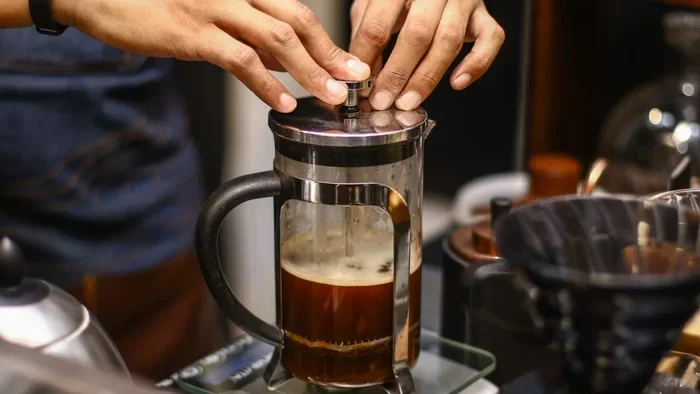
A French press is a simple brewing device. It consists of a glass or stainless-steel carafe and a plunger with a metal filter. You add coffee grounds and hot water. The grounds steep for several minutes. Then you press the plunger down. The metal filter separates the grounds from the liquid. The result is a rich, full-bodied cup.
This method is also called immersion brewing. The coffee sits in the water the entire time. That contact extracts oils and fine particles. Many coffee lovers love the thick, velvety texture. The French press gives you direct control over the brew. You decide the steeping time and the water temperature.
How a French Press Works
The process is straightforward. First, you heat water to the right temperature. Next, you add a coarse grind of coffee. The water and grounds mix together. They interact for about 4 minutes. During this time, flavors and aromas dissolve into the water. Finally, you push the plunger down slowly. The metal filter catches the grounds. You pour the coffee right away.
Because the filter is metal, it lets small particles pass through. These particles add body and texture. The coffee stays warm longer in the carafe. But it can also become bitter if it sits too long. That is why you should serve it immediately.
The Role of the Metal Filter
The metal filter is key. It is different from a paper filter. Metal has tiny holes. They block large grounds but allow oils to pass. Oils carry flavor and aroma. They give the coffee a silky mouthfeel. The metal filter also lets fine sediment through. This creates a heavier body. Some people love that gritty texture. Others find it too thick.
Quick Tips for French Press Brewing
- Use a coarse grind. Fine grounds will slip through the filter.
- Heat water to 195-205°F (90-96°C). Boiling water can scorch the grounds.
- Steep for exactly 4 minutes. Use a timer.
- Stir the grounds once after adding water.
- Press the plunger gently and slowly.
- Pour all the coffee out right after brewing.
Common Mistakes with French Press
One big mistake is using too fine a grind. Fine grounds make the coffee muddy. They also clog the filter. Another error is letting the coffee sit in the press. The metal filter does not stop extraction. The coffee keeps brewing. This leads to over-extraction and bitterness. Always pour the coffee out when it is done.
What Is Filter Coffee?
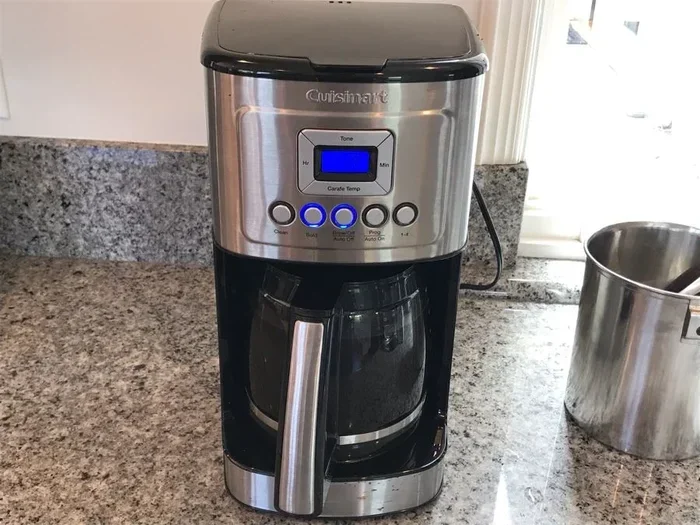
Filter coffee is a broad term. It usually means drip coffee made with a machine. Hot water drips over a bed of coffee grounds. The water passes through a paper filter. It lands in a carafe or mug. The paper filter catches the grounds and oils. The result is a clean, bright cup. Filter coffee is the most popular method in many homes.
How Drip Brewing Works
In a drip machine, water is heated and sprayed over the grounds. The water flows through the filter by gravity. It extracts flavors as it moves. The paper filter acts like a barrier. It traps fine particles and oils. The coffee that ends up in the cup is clear and light. The brewing time is usually 3 to 5 minutes. Many people like the convenience of a drip machine. You can set it and walk away.
Why Paper Filters Matter
Paper filters change the coffee completely. They remove most of the oils. They also catch the fine silt. This gives the coffee a clean, crisp taste. The body is lighter. The acidity often shines through. Some coffee lovers prefer this clarity. It lets the origin flavors stand out. Paper filters also make cleanup easy. You just toss the filter in the trash.
Expert Insight: The Clean Cup
Baristas often call filter coffee a clean cup. The paper filter strips away heavy oils. You taste the subtle notes in the beans. Floral, fruity, or nutty flavors become more pronounced. The mouthfeel is smooth and thin. This style works well for light and medium roasts. It highlights the delicate qualities of the coffee. If you like a bright and crisp taste, filter coffee is a great choice.
Quick Tips for Filter Coffee
- Use a medium grind. It is like sea salt in texture.
- Use fresh, filtered water for the best taste.
- Keep the water temperature between 195-205°F.
- Use the right coffee-to-water ratio. A common starting point is 1:16.
- Pre-wet the paper filter to remove any papery taste.
- Enjoy the coffee right after brewing for the freshest flavor.
Is French Press Same As Filter Coffee? The Core Differences
The answer is no. They are not the same. Asking if French press is same as filter coffee is like asking if a conventional oven is the same as an air fryer. Both cook food, but the method and result are completely different. French press and filter coffee use different brewing methods, different filters, and different contact times. These differences change everything about the final cup.
Brewing Method Compared
French press uses immersion. The grounds stay in the water the whole time. Filter coffee uses percolation. Water flows through the grounds and drains away. Immersion gives more control over extraction. Percolation is faster and more consistent. Each method extracts different compounds. Immersion pulls out heavier oils. Percolation pulls out brighter, lighter flavors.
Filter Type and What It Does
The filter type is a huge factor. A metal filter lets oils and fines pass. A paper filter blocks them. Metal filters give a heavier body. Paper filters give a cleaner cup. Neither is wrong. They just create different experiences. Some people want the rich, full texture of a French press. Others want the crisp, light clarity of filter coffee.
Brewing Time and Extraction
French press needs a longer brew time. Four minutes is standard. Filter coffee brews in 3 to 5 minutes. The longer contact time in French press extracts more compounds. This includes oils and fine particles. It also risks over-extraction if you leave the coffee too long. Filter coffee has a shorter, controlled contact. The water drains away quickly. This stops extraction at the right point.
Grind Size Matters
French press requires a coarse grind. The grounds must be large enough to be caught by the metal filter. Filter coffee uses a medium grind. The paper filter can handle finer particles. Using the wrong grind size ruins the cup. Too fine in a French press makes it gritty. Too coarse in a filter machine makes it weak and sour.
| Feature | French Press | Filter Coffee |
|---|---|---|
| Brewing Method | Immersion (steeping) | Percolation (dripping) |
| Filter Type | Metal mesh | Paper or cloth |
| Grind Size | Coarse | Medium |
| Brew Time | 3-4 minutes steeping | 3-5 minutes dripping |
| Body | Full, heavy, rich | Light, clean, crisp |
| Oils and Fines | Retained | Removed |
| Flavor Profile | Bold, earthy, textured | Bright, clear, nuanced |
| Cleanup | Rinse the plunger and carafe | Dispose of paper filter |
Flavor, Body, and Texture Compared
The taste difference between French press and filter coffee is obvious. French press coffee has a heavy body. It feels thick and creamy on the tongue. The metal filter lets oils pass through. These oils carry bold flavors. You might taste chocolate, nuts, or dark fruit. The texture is slightly gritty. That sediment adds to the richness. Many people love this full mouthfeel.
Filter coffee is light and clean. The paper filter removes oils and fines. The body is thin and smooth. You can taste the acidity clearly. Bright, floral, or citrus notes stand out. The flavor is precise. Each sip tastes clear and defined. This style is perfect for light roasts. It shows off the delicate origin characteristics. If you like a crisp, refreshing cup, filter coffee wins.
Brewing Temperature Matters
Water temperature affects extraction. Just like getting chicken thighs done in the oven requires the right heat, brewing coffee needs precise temperature. Too hot water over-extracts and makes coffee bitter. Too cool water under-extracts and makes it sour. For French press, aim for 200°F (93°C). For filter coffee, the same range works best. Use a thermometer if you are unsure. The right temperature brings out the best flavors in both methods.
Body and Mouthfeel
Body is the weight and texture of coffee on your tongue. French press has a heavy, syrupy body. It coats the mouth. Filter coffee has a light, tea-like body. It feels clean and refreshing. The difference comes from the oils and particles. Metal filters keep them in the cup. Paper filters remove them. Neither body is better. It is a matter of personal taste. Some mornings call for a thick, warming brew. Other days need a bright, clean sip.
Flavor Profile and Aroma
French press emphasizes roasted and earthy notes. The oils carry strong aroma. The first smell is bold and inviting. Filter coffee highlights origin flavors. You might taste berries, citrus, or honey. The aroma is delicate and clean. Because paper filters remove oils, the smell is lighter. Both methods offer great aroma. They just highlight different aspects of the bean.
Brewing Time and Control
Brewing time is a key difference. French press requires a set steeping time. You add the water, wait 4 minutes, and press. The coffee continues to extract while it sits. That is why you should pour it out right away. Leaving the coffee in the press makes it stronger and more bitter. The metal filter does not stop the extraction process.
Avoid Over-Steeping
Over-steeping is a common mistake. Just as leaving the oven open dangerous can lead to trouble, leaving your French press grounds too long can ruin the brew. The coffee keeps extracting bitter compounds. The flavor becomes harsh and unpleasant. Always set a timer. When the 4 minutes are up, press the plunger and serve immediately. This gives you the best flavor and control.
Control Over the Brew
French press gives you hands-on control. You decide the water temperature. You choose the steeping time. You adjust the coffee-to-water ratio. This makes it a favorite for coffee enthusiasts. Filter coffee is more automated. The machine controls the water flow and temperature. You still choose the grind size and ratio. But you have less direct interaction. Both methods offer control, just in different ways.
Grind Size and Its Impact
Grind size is critical. For French press, use a coarse grind. The particles should be like sea salt. This prevents clogging and over-extraction. For filter coffee, a medium grind works best. It is slightly finer, like sand. The paper filter handles it easily. If you use a grind that is too fine in a French press, the coffee will be gritty. If you use a grind that is too coarse in a filter machine, the coffee will be weak and sour. Always match the grind to the method.
Which Brewing Method Is Right for You?
Choosing between French press and filter coffee depends on your taste. Think about what you enjoy in a morning cup. Do you want bold, heavy, and rich? Or light, clean, and bright? Both methods have loyal fans. Here is a simple guide to help you decide.
Choose French Press If You…
- Love a full, heavy body with a creamy texture.
- Want to taste the natural oils and aromas.
- Enjoy a bold, earthy flavor profile.
- Like to control the brewing process step by step.
- Prefer a rich, warming cup for cold mornings.
Choose Filter Coffee If You…
- Prefer a clean, bright, and crisp cup.
- Like to taste delicate floral or fruity notes.
- Want a lighter body that is easy to drink.
- Value convenience and easy cleanup.
- Enjoy a clear, nuanced flavor with no sediment.
Quick Decision Guide
Not sure where to start? Try both methods with the same coffee bean. Use a medium roast for a balanced test. Brew a French press with coarse grounds and 4 minutes steeping. Brew a filter coffee with medium grounds and 4 minutes dripping. Taste them side by side. Notice the difference in body, acidity, and clarity. Your personal preference will quickly become clear.
Remember, there is no wrong choice. The best coffee is the one you enjoy most. Whether you love the rich, textured cup of a French press or the clean, bright cup of filter coffee, both methods brew a wonderful drink. Experiment with different beans and ratios. Find your perfect cup. The journey is part of the joy.
Frequently Asked Questions
Is French Press Same As Filter Coffee?
No, they are not the same. French press uses immersion brewing with a metal filter, while filter coffee uses gravity and a paper filter. The methods create different flavors, body, and textures.
Which is stronger, French press or filter coffee?
French press usually feels stronger because it retains coffee oils and fine particles. Filter coffee is lighter and cleaner. The perceived strength depends on your taste preference and the coffee-to-water ratio you use.
Can you use filter coffee grounds in a French press?
You should not. Filter coffee requires a medium grind. French press needs a coarse grind. Using fine grounds in a French press will make the coffee muddy and gritty. It can also clog the metal filter.
Is French press coffee healthier than filter coffee?
Both have health benefits. French press retains more oils, which contain antioxidants. Filter coffee removes some oils but may be better for cholesterol management. The healthiest choice is the one you enjoy in moderation.
Why does my French press coffee taste bitter?
Bitterness often comes from over-extraction. This happens when the coffee steeps too long or the water is too hot. Always use a coarse grind, proper temperature, and pour the coffee out right after brewing.
Can I use a French press to make filter-style coffee?
Not really. A French press is designed for immersion brewing. You cannot replicate the clean, paper-filtered taste without a paper filter. However, you can use a French press to make a concentrate and then dilute it with hot water for a cleaner cup.