How To Make Arabica Coffee At Home Perfectly Every Time
Making Arabica coffee at home is easier than you think. This guide walks you through everything from choosing the best beans to brewing a perfect cup every morning. You will learn the right grind size, water temperature, and brew time for outstanding results. Whether you use a pour-over, French press, or drip maker, these methods work beautifully with Arabica beans. Start brewing like a pro today.
There is something truly special about brewing a cup of Arabica coffee at home. The rich aroma, the smooth flavor, and the quiet morning ritual all come together to create a moment of pure enjoyment. Arabica beans are known for their sweet, complex taste and lower acidity compared to other varieties. That is why so many coffee lovers choose them as their daily go-to.
If you have been wondering how to make Arabica coffee at home that tastes like your favorite café, you are in the right place. This guide covers everything you need to know. From picking the right beans to nailing the perfect brew time, we have got you covered. You do not need fancy equipment or years of experience. Just a little patience and a willingness to learn.
Brewing great coffee at home is a skill anyone can develop. The process is simple once you understand the basics. In this article, we will break down each step so clearly that even a complete beginner can follow along. By the end, you will feel confident enough to experiment and create your own signature cup. Let us dive in and start your journey to better coffee.
Key Takeaways
- Choose Fresh Arabica Beans: Always buy whole beans and grind them just before brewing for the best flavor.
- Master Your Grind Size: Different brewing methods need different grind sizes, from fine to coarse.
- Water Temperature Matters: Heat your water to between 195°F and 205°F for optimal extraction.
- Use the Right Ratio: A 1:15 to 1:17 coffee-to-water ratio gives you a balanced and delicious cup.
- Clean Your Equipment: Regular cleaning keeps your coffee tasting fresh and your gear lasting longer.
- Store Beans Properly: Keep Arabica beans in an airtight container away from light and heat.
- Practice Makes Perfect: Experiment with brew times and ratios to find your ideal cup.
📑 Table of Contents
- Understanding Arabica Coffee and What Makes It Special
- Essential Equipment for Brewing Arabica Coffee at Home
- Selecting and Storing Your Arabica Beans
- The Complete Brewing Process Step by Step
- Fine-Tuning Your Brew for the Perfect Cup
- Cleaning and Maintaining Your Coffee Gear
- Common Mistakes to Avoid When Brewing Arabica Coffee
- Expert Tips for Elevating Your Home Brew
- Conclusion
Understanding Arabica Coffee and What Makes It Special
What Is Arabica Coffee?
Arabica coffee comes from the Coffea arabica plant, which originated in the highlands of Ethiopia. Today, it is the most popular type of coffee in the world, accounting for about 60 to 70 percent of global production. Arabica beans are known for their smooth, slightly sweet flavor with hints of chocolate, fruit, and nuts.
Compared to Robusta beans, Arabica has a more delicate and complex taste. It also contains less caffeine, which makes it smoother on the stomach. Many specialty coffee shops focus exclusively on Arabica because of its superior flavor profile. If you want a refined and enjoyable cup, Arabica beans are the way to go.
Why Home Brewing Is Worth It
Brewing Arabica coffee at home gives you control over every aspect of the process. You choose the bean origin, the roast level, and the grind size. This means you can customize your cup exactly how you like it. No more settling for generic coffee at the office or waiting in long café lines.
Home brewing also saves money over time. A bag of quality Arabica beans can last several weeks and costs far less than daily café visits. Plus, there is a real joy in mastering a craft and enjoying the results every single morning. Once you start brewing at home, you will never want to go back.
Essential Equipment for Brewing Arabica Coffee at Home
What You Need to Get Started
You do not need a lot of equipment to brew great Arabica coffee at home. Here is a simple list of essentials:
- Whole Arabica Beans: Always start with fresh, quality beans for the best flavor.
- A Burr Grinder: This gives you consistent grind size, which is crucial for even extraction.
- A Kettle: A gooseneck kettle helps you control water flow during brewing.
- A Brewing Device: Choose from a pour-over dripper, French press, AeroPress, or drip machine.
- A Scale: Measuring your coffee and water precisely leads to better results every time.
- Filtered Water: Good water makes a huge difference in the taste of your coffee.
Do You Need Expensive Gear?
The short answer is no. You can brew excellent Arabica coffee with basic equipment. A simple pour-over setup and a hand grinder work wonderfully. The key is consistency, not price. Focus on getting fresh beans and grinding them right before brewing. That single step will elevate your coffee more than any expensive machine.
That said, if you enjoy the process and want to level up, investing in a quality burr grinder is a great move. It gives you much more control over grind size. But remember, the best coffee gear is the gear you will actually use every day. Keep it simple and enjoy the process.
Selecting and Storing Your Arabica Beans
How to Choose the Best Beans
When buying Arabica beans, look for a roast date on the bag, not just an expiration date. Freshly roasted coffee tastes dramatically better than old stock. Try to buy beans that were roasted within the last two to four weeks. This ensures maximum flavor and aroma.
Consider where your beans come from. Single origin Arabica coffee from Ethiopia or Colombia has distinct flavor notes. Ethiopian beans often taste fruity and floral, while Colombian beans tend to be nutty and caramel-like. Experiment with different origins to discover what you enjoy most. Each region brings something unique to the cup.
Roast Level Matters
The roast level changes the flavor of your Arabica beans significantly. Light roasts preserve the original flavors of the bean, offering bright acidity and fruity notes. Medium roasts balance sweetness and acidity with a smoother, more caramel-like taste. Dark roasts bring out bold, smoky, and chocolatey flavors.
For beginners, a medium roast is a great starting point. It is balanced and approachable. As you develop your palate, you can explore lighter and darker roasts. The beauty of home brewing is that you get to explore without any pressure. There is no wrong answer, only what you enjoy.
Storing Your Beans Properly
Proper storage keeps your Arabica beans fresh for longer. Store them in an airtight container at room temperature. Avoid clear containers that let light in, as light degrades the beans quickly. Keep the container away from heat sources like the stove or direct sunlight.
Do not store beans in the fridge or freezer unless you have a very large bag and plan to use them over several months. Moisture and odors from the fridge can affect the flavor. For most people, a simple airtight jar on the counter works perfectly. Buy beans in small quantities so you always have fresh supply.
The Complete Brewing Process Step by Step
Step One: Measure Your Coffee
Start by measuring your Arabica coffee using a kitchen scale. The standard ratio is one part coffee to 15 to 17 parts water. For a single cup, that is about 15 grams of coffee to 250 grams of water. This ratio gives you a balanced and flavorful brew.
If you do not have a scale, a good rule of thumb is two tablespoons of coffee per six ounces of water. However, a scale is much more accurate and will help you repeat your perfect brew every time. Consistency is the secret to great coffee at home.
Step Two: Grind the Beans
Grind your Arabica beans just before brewing. This preserves the fresh flavors and aromas. The grind size depends on your brewing method:
- Coarse grind: Best for French press and cold brew.
- Medium grind: Perfect for drip coffee makers and pour-over.
- Fine grind: Ideal for espresso and AeroPress.
Using the wrong grind size can ruin even the best beans. A coarse grind prevents over-extraction, while a fine grind allows proper extraction in shorter brew times. Invest in a burr grinder for the most consistent results. Blade grinders create uneven particles and lead to inconsistent flavor.
Step Three: Heat Your Water
Water temperature is critical for brewing Arabica coffee. Heat your water to between 195 and 205 degrees Fahrenheit. If you do not have a thermometer, bring the water to a boil and then let it sit for 30 to 45 seconds. This brings it into the ideal range.
Water that is too hot will over-extract the coffee, making it bitter. Water that is too cool will under-extract it, resulting in a weak and sour cup. Getting the temperature right is one of the easiest ways to improve your brew. It makes a noticeable difference in every cup.
Step Four: Brew Your Coffee
Now it is time to brew. The method you choose affects the flavor and body of your coffee. Here is a quick overview of popular methods:
- Pour-over: Slowly pour hot water over the grounds in a circular motion. Total brew time is about 3 to 4 minutes.
- French press: Add hot water to the grounds, stir gently, and steep for 4 minutes. Press the plunger down slowly.
- AeroPress: Place the coffee and water in the chamber, stir, and press gently after 1 to 2 minutes.
- Drip machine: Add grounds to the filter, fill the reservoir, and let the machine do the work.
Each method brings out different qualities in Arabica beans. Pour-over gives you a clean and bright cup. French press produces a rich and full-bodied brew. AeroPress is versatile and fast. Drip machines are convenient for making multiple cups at once. Try them all and find your favorite.
Step Five: Serve and Enjoy
Once your coffee is brewed, pour it into a warm mug right away. Coffee starts to lose its flavor as it sits on heat. If you are not drinking it immediately, transfer it to a thermal carafe. This keeps your Arabica coffee warm without burning it.
Take a moment to appreciate the aroma before your first sip. Smelling the coffee is part of the experience and enhances the flavor. Sip slowly and notice the different taste notes. Over time, you will start to pick up on flavors you never noticed before. That is one of the joys of brewing at home.
Fine-Tuning Your Brew for the Perfect Cup
Adjusting the Coffee-to-Water Ratio
If your coffee tastes too weak, try using more grounds. If it tastes too strong or bitter, use less. The ratio is your most powerful tool for customizing the strength of your brew. Start with the 1:15 to 1:17 ratio and adjust from there based on your preference.
Keep notes on what you change each time. This helps you replicate your perfect cup. Writing down your brew parameters turns trial and error into a science. Within a few tries, you will have a recipe that works perfectly for you.
Understanding Brew Time
Brew time affects how much flavor is extracted from the grounds. Too short, and the coffee will taste sour and thin. Too long, and it becomes bitter and harsh. Here are general guidelines:
- Pour-over: 3 to 4 minutes total
- French press: 4 minutes steeping time
- AeroPress: 1 to 2 minutes
- Drip machine: 5 to 6 minutes cycle time
Timing is just as important as the ratio. Use a timer to stay consistent. Small adjustments of 15 to 30 seconds can make a big difference in flavor. Pay attention to how the brew time changes the taste and find your sweet spot.
The Role of Water Quality
Do not overlook the water you use for brewing. Water makes up over 98 percent of your cup of coffee. If your tap water tastes bad, your coffee will too. Use filtered water for the best results. It removes chlorine and other impurities that can affect flavor.
You do not need expensive bottled water. A simple carbon filter pitcher works great. The goal is clean, neutral-tasting water that lets the Arabica beans shine through. Good water is one of the easiest ways to improve your home brewing.
Cleaning and Maintaining Your Coffee Gear
Why Cleaning Matters
Clean equipment brews better coffee. Oils from the beans build up over time and can turn rancid, affecting the taste of every cup. Regular cleaning keeps your gear performing at its best and extends its lifespan. It only takes a few minutes but makes a huge difference.
Just as you would learn how to clean an oven with a dishwasher tablet without scrubbing to keep your kitchen spotless, regular cleaning of your coffee tools ensures nothing taints your brew. A clean grinder, kettle, and brewing device all contribute to a better cup every morning.
Quick Cleaning Tips
Here are some simple cleaning habits to build:
- Rinse your French press after every use with warm water and mild soap.
- Wipe down your grinder monthly to remove coffee oils and residue.
- Descale your kettle and drip machine every month to remove mineral buildup.
- Wash your pour-over dripper and filters after each brew session.
- Run hot water through your AeroPress after each use to prevent staining.
These small habits add up over time. They keep your coffee tasting fresh and your equipment working smoothly. Think of it as part of the brewing ritual. A clean workspace makes for a better cup.
Common Mistakes to Avoid When Brewing Arabica Coffee
Using Stale Beans
The biggest mistake home brewers make is using old beans. Coffee starts to lose its flavor within weeks of roasting. If your beans do not have a roast date or have been sitting in your pantry for months, the flavor will suffer. Always buy fresh beans and use them within a month of roasting.
Ignoring Grind Consistency
Inconsistent grind size leads to uneven extraction. Some particles will be over-extracted and bitter, while others will be under-extracted and sour. A burr grinder solves this problem. It produces uniform particles that extract evenly, giving you a balanced and smooth cup every time.
Skipping the Preheat Step
Many people forget to preheat their brewing equipment and mug. Cold equipment drops the temperature of your water too quickly, leading to under-extraction. Rinse your brewer and mug with hot water before you start. This small step keeps your brewing temperature stable and improves the final cup.
Using Water That Is Too Hot
Boiling water is too hot for brewing Arabica coffee. It scorches the grounds and pulls out bitter compounds. Let your water cool slightly after boiling, or use a thermometer to hit the sweet spot. The right temperature unlocks the best flavors without any bitterness.
Not Paying Attention to Timing
Brewing without a timer is a recipe for inconsistency. Even experienced brewers rely on timers to get repeatable results. Set a timer for each brew and adjust based on the taste. This simple habit transforms your coffee from hit or miss into something reliably delicious every single time.
Expert Tips for Elevating Your Home Brew
Experiment with Different Origins
One of the greatest joys of home brewing is exploring different Arabica beans from around the world. Try a Kenyan bean for its bold and fruity character. Sample a Brazilian bean for its chocolatey, nutty smoothness. Each origin offers a unique flavor story. Buying small batches from different regions keeps things exciting and helps you develop your palate.
Try Cold Brew for a Smooth Summer Drink
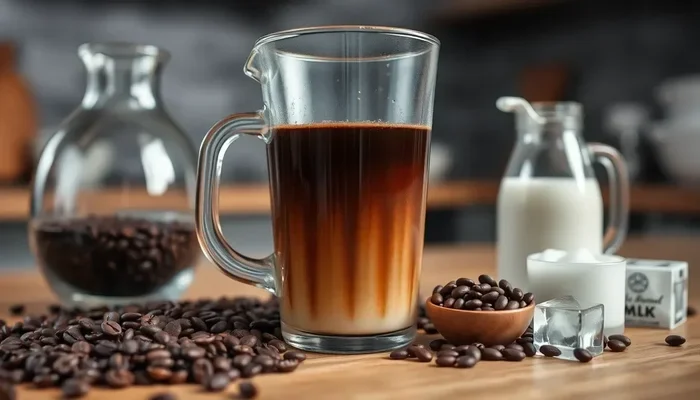
Cold brew Arabica coffee is smooth, sweet, and naturally low in acidity. Simply combine coarse grounds with cold water and steep in the fridge for 12 to 24 hours. Strain and serve over ice. It is refreshing, easy to make, and perfect for hot days. Cold brew also keeps well in the fridge for up to a week.
Master the Art of Pour-Over
Pour-over brewing gives you the most control over every variable. Practice your pour technique by going slow and steady in a circular motion. The bloom phase, where you wet the grounds and wait 30 seconds, allows CO2 to escape and prepares the beans for extraction. Mastering pour-over takes practice, but the results are worth it.
Keep a Brewing Journal
Write down what you do each time you brew. Note the bean origin, roast level, grind size, ratio, water temperature, and brew time. Over weeks and months, patterns emerge. You will discover exactly what works best for your taste. A brewing journal is a simple tool that accelerates your learning and helps you replicate your perfect cup.
Conclusion
Brewing Arabica coffee at home is one of the most rewarding skills you can develop. It gives you control, saves money, and delivers a cup of coffee tailored exactly to your taste. From selecting fresh beans to nailing the perfect grind size and water temperature, every step matters. The process is simple enough for beginners yet rich enough to keep you learning for years.
Start with the basics and build from there. Invest in quality beans, a good grinder, and a brewing method that fits your lifestyle. Follow the steps in this guide and you will be brewing restaurant-quality coffee in your own kitchen. Remember, the best coffee is the one you enjoy drinking. So experiment, have fun, and savor every cup. Your perfect morning routine starts with a great brew of Arabica coffee made right at home.
Frequently Asked Questions
What is the best grind size for Arabica coffee?
The best grind size depends on your brewing method. Use a coarse grind for French press, a medium grind for pour-over and drip machines, and a fine grind for AeroPress or espresso. A burr grinder gives you the most consistent results. Grinding just before brewing preserves the fresh flavor of your beans.
How long does Arabica coffee stay fresh?
Whole Arabica beans stay fresh for about two to four weeks after roasting. Once ground, they lose flavor within 15 to 30 minutes. Store beans in an airtight container at room temperature away from light and heat. Buy small quantities and use them quickly for the best taste.
Can I use tap water to brew Arabica coffee?
You can, but filtered water tastes better. Tap water often contains chlorine and minerals that can affect the flavor of your coffee. A simple carbon filter pitcher removes these impurities. Clean, neutral-tasting water lets the natural flavors of your Arabica beans shine through in every cup.
Is Arabica coffee better than Robusta?
Arabica is generally considered superior in taste, with a smoother and more complex flavor profile. Robusta has higher caffeine content and a more bitter, earthy taste. However, some people enjoy Robusta for its boldness and crema production. For most coffee lovers, Arabica is the preferred choice for a delicious and enjoyable cup.
How much coffee should I use per cup?
A good starting point is 15 grams of coffee per 250 grams of water, which equals roughly a 1:16 ratio. You can adjust this based on your preference for stronger or weaker coffee. Using a kitchen scale ensures consistency every time you brew. Small changes in ratio can make a big difference in flavor.
Can I reheat leftover Arabica coffee?
It is best to drink coffee fresh, but if you need to reheat it, do so gently on the stove rather than in the microwave. Microwaving can create hot spots and alter the flavor. Transfer leftover coffee to a thermal carafe to keep it warm without degrading the taste. For the best experience, brew only what you plan to drink immediately.