How To Use Primula Coffee Press For The Perfect Brew
The Primula Coffee Press is a simple, elegant way to brew rich coffee at home. This guide shows you exactly how to use the Primula Coffee Press for a perfect cup every time. You’ll learn the right water temperature, grind size, and steeping time to unlock the best flavor.
There is nothing quite like a fresh cup of coffee to start your day. The aroma alone can wake you up and set the tone for everything that follows. The Primula Coffee Press makes it easy to get that rich, full flavor right in your own kitchen. Unlike drip machines, this press lets you control every part of the brewing process. The result is a cup that tastes clean, bold, and perfectly balanced. In this guide, I will walk you through everything you need to know. You will learn how to use Primula Coffee Press the right way, from start to finish.
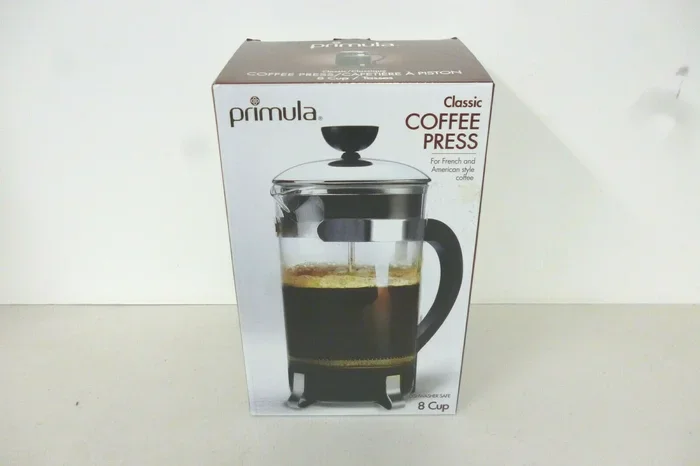
The Primula Coffee Press is a manual brewing device that uses pressure and steeping to extract flavor. It has a simple design with a carafe, a plunger, and a built-in filter. You do not need any electricity or special skills. Just add coffee, add hot water, wait, and press. This method brings out the natural oils and aromas that paper filters often remove. Whether you are a coffee beginner or a seasoned lover, this press fits right into your routine. It is durable, easy to clean, and perfect for making one or two cups at a time.
Once you try the Primula Coffee Press, you may never go back to regular drip coffee. The flavor is deeper, the body is fuller, and the experience feels more intentional. I will show you the exact steps, the best tips, and common mistakes to avoid. By the end of this article, you will feel confident brewing a perfect cup every single morning. Let us dive in.
Key Takeaways
- Use coarse grounds: A coarse grind prevents over-extraction and keeps your coffee smooth.
- Heat water to 200°F: The right temperature brings out the full flavor without burning the beans.
- Steep for 4 minutes: This timing balances strength and smoothness perfectly.
- Press gently: Slow, steady pressure gives you a clean cup with no grit.
- Clean after every use: Rinsing the press right away prevents oil buildup and stale tastes.
- Store with the plunger up: This keeps the seal ready for your next brew.
📑 Table of Contents
What Is the Primula Coffee Press?
The Primula Coffee Press is a type of immersion brewer. It works by soaking ground coffee in hot water for a set time. Then you push down a metal filter plunger to separate the grounds from the liquid. This process creates a strong, flavorful cup with a rich mouthfeel. Many people call it a French press, but the Primula brand has its own unique design. The carafe is usually made of heat-resistant glass or stainless steel. The plunger has a silicone seal that keeps grounds from passing through.
This press is popular because it is simple and affordable. You do not need to grind beans to a super fine size. A coarse grind works best, which is easy to achieve even with a basic grinder. The Primula Coffee Press also brews quickly. Most cups are ready in just a few minutes. It is a great option for people who want to enjoy café-quality coffee without the price tag. The device is also portable. You can bring it to a cabin, an office, or a camping trip.
How It Differs From Other Brew Methods
Not all coffee makers work the same way. Drip machines use paper filters that absorb some of the oils. Espresso machines force water through very fine grounds at high pressure. The Primula Coffee Press sits right in the middle. It uses gravity and a metal filter to let the natural oils stay in your cup. This gives you a fuller body and more aroma. It is also slower than espresso but faster than cold brew. If you want a clean, strong cup without a machine, this press is a top choice.
A Brief History of the French Press Design
The French press has been around since the 1800s. The original design was patented in France and Italy around the same time. Over the decades, the basic concept remained the same. The Primula Coffee Press updates this classic design with modern materials and a user-friendly plunger. Today, it is one of the most popular manual brewers in the world. Its simplicity and reliability have stood the test of time.
The Benefits of Manual Brewing
Manual brewing gives you complete control over every variable. You decide the grind size, the water temperature, the steep time, and the ratio. This level of control means you can tailor each cup to your exact preference. It also slows you down in a good way. The process becomes a mindful ritual rather than a rushed task. Many people find that manual brewing enhances their appreciation of coffee. The Primula Coffee Press makes this accessible to everyone.
The Science Behind the Brew
Understanding the science can help you brew better coffee every time. The Primula Coffee Press relies on immersion extraction. This means the grounds sit in the water for a set period. During that time, flavors, oils, and caffeine dissolve into the liquid. The key factors are time, temperature, grind size, and ratio.
What Is Extraction and Why Does It Matter?
Extraction is the process of pulling soluble compounds from coffee grounds. Under-extraction leads to sour, weak coffee. Over-extraction leads to bitter, harsh coffee. The Primula Coffee Press aims for balanced extraction. A coarse grind and 4-minute steep time are the sweet spots for most beans. When you get the balance right, the cup tastes sweet, smooth, and complex.
The Role of the Bloom
When hot water first hits the coffee grounds, they release carbon dioxide. This is called the bloom. You can see the grounds puff up and bubble. The bloom is important because it lets you know the coffee is fresh. Fresh beans release more gas, so a strong bloom is a good sign. After the bloom, the extraction continues evenly. Pouring water slowly during the bloom helps the grounds saturate uniformly.
How Water Temperature Affects Flavor
Water temperature is a critical variable. Too hot, and you extract bitter compounds. Too cool, and you under-extract, leaving sour notes. The ideal range is 195°F to 205°F. This range is hot enough to extract the good stuff but not so hot that it burns the grounds. If you boil water and wait 30 seconds, you will land right in the zone. Using a gooseneck kettle gives you more control over the pour.
What You Need to Brew the Perfect Cup
Before you start, gather a few simple items. Having everything ready makes the process smooth and fun.
The Right Coffee Beans
Freshly roasted whole beans are always best. Look for beans that were roasted within the last two weeks. Medium to dark roasts work wonderfully with the Primula Coffee Press. They bring out chocolatey, nutty, and caramel notes. You can also use lighter roasts if you prefer a brighter, fruitier taste. The key is to buy whole beans and grind them just before brewing. Pre-ground coffee loses flavor fast, so avoid it if possible.
The Perfect Grind Size
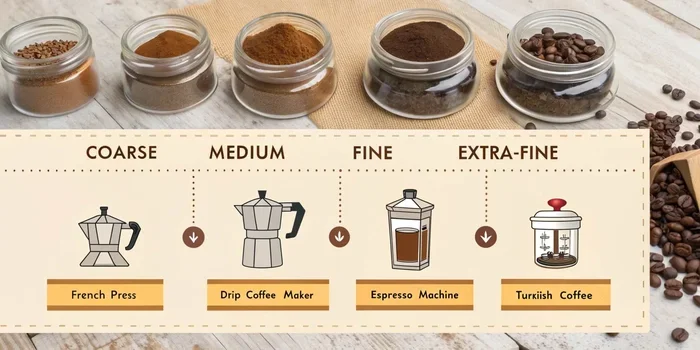
For the Primula Coffee Press, you need a coarse grind. Think of the texture of sea salt or breadcrumbs. If the grind is too fine, the coffee will be gritty and over-extracted. A coarse grind allows water to flow through easily and extracts the right flavors. Most burr grinders have a setting for French press or coarse grind. If you use a blade grinder, pulse the beans a few times and check the texture. A consistent coarse grind is the foundation of a great cup.
Water Temperature and Quality
Water temperature matters more than many people realize. The ideal range is between 195°F and 205°F. Boiling water (212°F) can scorch the grounds and make the coffee bitter. If you do not have a thermometer, boil the water and then let it sit for 30 seconds. Always use fresh, filtered water. Tap water with chlorine or minerals can alter the taste of your coffee. Good water makes a big difference in the final cup.
The Ratio of Coffee to Water
A standard ratio is 1:15. That means 1 gram of coffee for every 15 grams of water. For a single cup (about 8 ounces), use 2 tablespoons of coarse grounds and 8 ounces of hot water. You can adjust this ratio to suit your taste. If you like stronger coffee, add an extra half tablespoon. If you prefer a lighter cup, use a little less coffee. The Primula Coffee Press holds about 34 ounces, so you can scale up easily.
Helpful Tools for the Best Results
A kitchen scale is the most helpful tool for consistency. Measuring by weight is more accurate than using spoons. A gooseneck kettle lets you pour slowly and evenly. A timer ensures you do not forget the steep time. A good burr grinder gives you a uniform coarse grind. You do not need all of these to start, but they make a big difference. Even a simple setup with a kettle and a spoon can produce excellent coffee.
Step-by-Step: How To Use Primula Coffee Press
This is the core of the guide. Follow these steps closely for a perfect brew every time.
Step 1: Preheat the Press and Your Cup
Before adding any coffee, rinse the Primula Coffee Press with hot water. This warms the glass or stainless steel and helps maintain the brewing temperature. Pour hot water into the empty press and swirl it around. Then discard the water. You can also preheat your favorite mug while you do this. A warm press and cup keep the coffee hot longer after brewing.
Step 2: Add the Coffee Grounds
Place the press on a scale and add your coarse grounds. For a single cup, use about 15 grams of coffee (roughly 2 tablespoons). If you are making a full press, use 50 grams for 25 ounces of water. Make sure the grounds are evenly distributed at the bottom. This helps the water extract flavor uniformly.
Step 3: Pour the Hot Water
Start your timer as soon as you pour the water. Pour slowly and evenly over the grounds. Try to wet all the coffee evenly, especially the edges. The water should be just off the boil, around 200°F. Pour only enough to cover the grounds at first. Wait for 30 seconds. This lets the coffee “bloom,” releasing carbon dioxide and opening up the grounds for better extraction.
Step 4: Stir and Steep
After the bloom, pour the remaining hot water into the press. Place the lid on top but do not press the plunger yet. Let the coffee steep for 4 minutes. This is the sweet spot for most blends. If you like a stronger brew, steep for 5 minutes. For a lighter cup, try 3 minutes. During steeping, the flavors and aromas are drawing out into the water.
Step 5: Press the Plunger Slowly
After 4 minutes, it is time to press. Place the plunger on top and push down with gentle, steady pressure. Do not rush. A slow press keeps the grounds at the bottom and gives you a clean cup. If you press too fast, grounds may escape through the filter. If you press too hard, you might disturb the sediment. Aim for a smooth, even push that takes about 15 to 20 seconds.
Step 6: Pour and Enjoy Immediately
Once the plunger is down, pour the coffee into your cup right away. The Primula Coffee Press does not have a built-in stop valve, so the coffee will continue to extract if it sits on the grounds. Pouring immediately gives you the best flavor. You can add milk, cream, or sweetener if you like. Enjoy the rich, full body while it is hot.
Tips for the Best Flavor and Common Mistakes
Even with the right steps, small details can elevate your coffee. Here are some expert tips to help you get the most out of your Primula Coffee Press. I will also cover common mistakes that can ruin a good cup.
Use Fresh Coffee and Change Your Routine
Coffee is at its best within 15 minutes of grinding. So grind your beans right before you brew. If you brew the same way every day, your taste buds can get used to it. Try a new origin or roast every week. Ethiopian beans might give you fruity notes, while Colombian beans bring out caramel sweetness. Experimenting keeps your morning ritual exciting and helps you discover new flavors.
Keep Your Water Clean and Hot
Always start with fresh, cold filtered water. Reheating old water removes oxygen and makes flat-tasting coffee. Heat the water to the proper range and use it right away. If you are making multiple cups, keep extra hot water in a kettle or a thermal kettle. This ensures every brew starts at the right temperature.
Clean the Press Right After Use
After you pour your last cup, empty the grounds and rinse the press with warm water. Do not let coffee grounds sit in the carafe. They can turn bitter and stain the glass. A quick rinse removes most of the oils. For a deeper clean, you can use a mild dish soap once a week. I also recommend cleaning with a dishwasher tablet for tough stains on other kitchen gear, though the press itself just needs a gentle rinse.
Store the Press Properly
When you are not using the press, store it with the plunger pulled all the way up. This keeps the silicone seal relaxed and ready for the next use. Avoid storing it with the plunger pressed down for long periods. The seal can lose its shape over time. Also, keep the press in a dry place to prevent any musty smells from developing.
Common Mistakes to Avoid
One of the biggest mistakes is using too fine a grind. This clogs the filter and makes the coffee gritty. Another mistake is using boiling water, which scorches the grounds and creates bitterness. Some people forget to preheat the press, which drops the brewing temperature too quickly. Rushing the press is also common. A fast plunge stirs up the sediment and makes the cup cloudy. Finally, letting the coffee sit on the grounds for too long will over-extract it. Always pour your cup immediately after pressing.
How to Fix a Bitter or Sour Cup
If your coffee tastes bitter, the water was too hot or you steeped too long. Try lowering the temperature by 5 degrees or reducing the steep time to 3 minutes. If it tastes sour, the grind was too coarse or the water was too cool. Use a slightly finer grind or hotter water. Small adjustments make a big difference. Keep notes on what you change so you can replicate your perfect cup.
Cleaning and Caring for Your Primula Coffee Press
A well-maintained press lasts for years and brews better coffee. Cleaning is simple, but it does require a little attention.
Daily Cleaning Routine
After each brew, disassemble the plunger if possible. Remove the grounds and rinse them into the trash or compost. Rinse the carafe, the plunger, and the filter with warm water. Use a soft sponge if needed. Avoid abrasive scrubbers that can scratch the glass or damage the filter mesh. Dry all parts with a clean cloth before reassembling. This quick routine takes less than a minute and keeps your coffee tasting fresh.
Deep Cleaning Once a Week
Once a week, give your press a deeper clean. Soak the carafe and plunger in warm water with a drop of mild dish soap. For the filter, use a small brush to remove any trapped grounds. You can also use a mixture of baking soda and water to remove odors. If you notice any oil buildup, a thorough rinse with hot water and a little soap will take care of it. The Primula Coffee Press is designed to be easy to clean, so do not let it intimidate you.
What Not to Do
Never put the glass carafe in the dishwasher unless the manufacturer says it is safe. The high heat and harsh detergents can weaken the glass over time. Do not use steel wool or harsh chemicals on the plunger or filter. These can damage the seal and the mesh. Also, avoid leaving the press sitting with coffee grounds overnight. The acids can etch the glass and leave a stale taste. Treat your press with care, and it will reward you with great coffee every morning.
Replacing Parts Over Time
The silicone seal and the mesh filter are the most common wear items. Check the seal for cracks or stiffness every few months. If the seal is damaged, the grounds may leak into your cup. Replacement parts are usually easy to find online. Keeping a spare seal on hand means you will never have to skip your morning brew.
Conclusion
The Primula Coffee Press is one of the simplest and most rewarding ways to brew coffee at home. With just a few minutes of effort, you can enjoy a cup that is rich, aromatic, and full of character. Remember to use coarse grounds, heat your water to the right temperature, and steep for exactly 4 minutes. Press gently, pour immediately, and clean the press after each use. These small habits make a huge difference in flavor. Once you get the rhythm down, the Primula Coffee Press becomes a natural part of your day. It is more than a kitchen tool; it is a ritual that brings you a moment of calm and a burst of energy. Start using your press today, and taste the difference for yourself.
If you ever want to keep your coffee warm for later, look into how to use the Breville Smart Oven Air Fryer for crispy snacks that pair perfectly with your morning coffee.
Frequently Asked Questions
How long should I steep coffee in the Primula Coffee Press?
Steep your coffee for 4 minutes for the best balance of flavor and strength. If you prefer a bolder cup, you can extend the steep to 5 minutes, but avoid going beyond that as it can lead to over-extraction and bitterness.
Can I use pre-ground coffee in the Primula Coffee Press?
Yes, you can use pre-ground coffee, but freshly ground beans will give you a much richer flavor. If you must use pre-ground, look for a coarse grind specifically labeled for French press or immersion brewing.
Is the Primula Coffee Press dishwasher safe?
Most Primula Coffee Press models have a dishwasher-safe carafe, but the plunger and filter should be hand-washed to preserve the seal and mesh. Check the manufacturer’s instructions for your specific model.
What is the best water temperature for brewing with the Primula Coffee Press?
The ideal water temperature is between 195°F and 205°F. Water that is too hot will scorch the grounds and create a bitter taste, while water that is too cool will under-extract and produce a weak cup.
How do I prevent coffee grounds from getting into my cup?
Press the plunger slowly and steadily. Pour the coffee gently into your cup, stopping before the last sip to avoid any sediment. A coarse grind also helps minimize grit in your final brew.
Can I use the Primula Coffee Press for cold brew?
Yes, you can use the Primula Coffee Press for cold brew. Simply add coarse grounds and cold filtered water, steep in the refrigerator for 12 to 24 hours, then press and enjoy. It is a convenient way to make cold brew at home.