How To Make Your Own Coffee Table Book Step by Step
Creating your own coffee table book is easier than you think. This step-by-step guide walks you through every stage, from choosing a theme to printing and binding your finished piece. You will learn how to design beautiful layouts, select the right paper and cover materials, and bring your custom coffee table book to life without breaking the bank.
Key Takeaways
- Planning is everything: A clear theme and purpose guide your entire coffee table book project.
- Design matters: A thoughtful layout and consistent style make your book look professional and polished.
- Print quality counts: Choosing the right paper, binding, and printing method elevates your custom coffee table book.
- You do not need expensive tools: Many affordable options exist for DIY book creation.
- Display it proudly: Styling your finished book on a coffee table adds charm and conversation value to any room.
📑 Table of Contents
- What Is a Coffee Table Book and Why Make One?
- Planning Your Coffee Table Book
- Designing Your Coffee Table Book Layout
- Selecting Materials for Your Coffee Table Book
- Adding Special Touches to Your Coffee Table Book
- Common Mistakes to Avoid When Making a Coffee Table Book
- Displaying and Sharing Your Finished Coffee Table Book
- Final Thoughts on Creating Your Own Coffee Table Book
What Is a Coffee Table Book and Why Make One?
A coffee table book is a large, visually stunning book designed to be displayed on a living room table. People use them to showcase photography, artwork, recipes, travel memories, or any collection of images and stories. Unlike a regular book, a custom coffee table book focuses on beauty and conversation rather than just reading.
Making your own DIY coffee table book gives you full creative control. You pick the theme, choose the photos, and decide how the finished piece looks. Whether you love food, travel, nature, or family memories, a handmade book lets you share your passion in a tangible, beautiful way.
Many people assume creating a coffee table book requires a professional designer or a huge budget. That is simply not true. With a little planning and the right tools, anyone can produce a gorgeous book that looks expensive and feels personal. This guide breaks the entire process into simple, manageable steps.
The best part? You can create a coffee table book that reflects your unique style and interests. No two handmade books are ever the same, which is exactly what makes them so special. Let us dive into the planning stage.
Planning Your Coffee Table Book
Define Your Theme and Purpose
Before you open any design software, sit down and think about what your coffee table book is all about. A clear theme gives your project direction and keeps everything focused. Without a theme, you risk creating a scattered collection that feels disjointed.
Here are some popular coffee table book ideas to get you started:
- Food and recipes: A cookbook featuring your favorite dishes, like oven-baked bacon and sausage recipes.
- Travel photography: A visual journey through your favorite destinations.
- Family memories: A collection of photos and stories from holidays, birthdays, and everyday moments.
- Nature and crafts: A book featuring dried flowers, eggshell art, or seasonal decorations.
- Art and illustration: A showcase of your own drawings, paintings, or digital artwork.
Your theme also determines the coffee table book size and format. A food book might work well as a square hardcover, while a travel book could be a landscape-style landscape format. Think about how people will hold and browse your book when you decide on dimensions.
Gather Your Content
Once you have a theme, collect all the materials you need. This step is more important than most people realize. High-quality content makes or breaks a coffee table book.
If you are making a food-themed book, you might include photos of dishes you have cooked. For example, a picture of perfectly crispy bacon and sausage straight from the oven adds warmth and authenticity. You could also link a recipe page to a story about how you discovered that dish.
For a craft or nature book, consider incorporating items you have dried or created. Drying eggshells in the oven, for instance, is a simple technique that produces beautiful, delicate pieces perfect for a decor-themed book. These hands-on elements give readers a sense of connection to the process.
Write down everything you want to include before you start designing. This list becomes your roadmap and keeps you organized throughout the project.
Designing Your Coffee Table Book Layout
Choose the Right Tools
You do not need expensive software to design a beautiful coffee table book. Many free and affordable tools work perfectly well for beginners.
Popular options include:
- Canva: User-friendly and packed with templates for book layouts.
- Adobe InDesign: A professional-grade tool for precise design control.
- Adobe Photoshop: Great for editing photos and creating custom graphics.
- Google Slides or PowerPoint: Surprisingly effective for simple book layouts.
Choose the tool that fits your comfort level. If you are new to design, start with Canva or a similar platform. You can always upgrade to more advanced software as your skills grow.
Create a Consistent Visual Style
Consistency is what separates a homemade book from a polished, professional-looking coffee table book. Every page should feel like it belongs in the same collection.
Focus on these visual elements:
- Color palette: Pick two to four colors that appear throughout the book. Stick to them for backgrounds, text, and borders.
- Font choices: Use no more than two or three fonts. One for headings and one for body text works best.
- Photo style: Keep your images consistent in tone, lighting, and editing style.
- White space: Leave room on each page. Crowded layouts overwhelm the eye and cheapen the look.
Think about how you want readers to experience your book. A well-designed photo book layout guides the eye naturally from one element to the next. Start with a strong full-page image, then add smaller supporting photos and text blocks around it.
Plan Your Page Structure
Before you place a single image, sketch out your page structure. Decide how many pages your book will have and what content goes on each one.
A typical coffee table book follows this structure:
- Cover page: A striking image or illustration with the book title.
- Introduction page: A brief welcome that explains the theme and purpose.
- Content pages: The main body of images, stories, and recipes or instructions.
- Closing page: A final thought, thank you, or call to action.
Keep your page count in mind when choosing a printing service. Most services charge per page, so a tighter layout saves money. Aim for a page count that feels substantial without being wasteful.
Selecting Materials for Your Coffee Table Book
Paper Quality Makes a Difference
The paper you choose directly affects how your coffee table book looks and feels. Thin, low-quality paper makes photos appear washed out and gives the book a cheap feel. Thick, high-quality paper does the opposite.
For photo-heavy books, look for matte or glossy photo paper with a weight of at least 80 lb or 100 gsm. This weight prevents ink bleed-through and gives each page a premium feel. If your book includes text-heavy pages, a slightly lighter paper works well for readability.
Consider the finish too. Matte paper reduces glare and gives a sophisticated, modern look. Glossy paper makes colors pop and photographs shine. Both have their place, so choose based on your theme and the images you are using.
Cover Options That Impress
The cover is the first thing people notice about your coffee table book. It sets the tone for everything inside. A plain, flimsy cover undermines even the best content.
Your cover options include:
- Hardcover: The most popular choice for coffee table books. Durable, elegant, and professional-looking.
- Softcover: More affordable and lighter, but less protective.
- Layflat binding: Allows the book to open fully without the spine cracking. Perfect for photo-heavy layouts.
If you want a truly premium feel, consider a hardcover with a dust jacket. This gives your book a library-quality look that feels expensive and intentional.
Printing and Binding Methods
How you print and bind your coffee table book affects both the cost and the final quality. Several options work well for DIY projects.
Print-on-demand services like Blurb, Lulu, or Mixbook handle the printing and binding for you. You upload your digital file, choose your options, and they ship the finished book to your door. These services are ideal for beginners because they require no special equipment.
For those who prefer a hands-on approach, book binding at home is possible with a few basic tools. You will need a bone folder, binding glue, a ruler, and a heavy-duty stapler or needle and thread. Saddle-stitch binding works well for thinner books, while perfect binding suits thicker projects.
Whichever method you choose, always order a proof copy before producing multiple copies. This lets you catch any layout issues, color problems, or binding errors before your final print run.
Adding Special Touches to Your Coffee Table Book
Include Personal Stories and Captions
A beautiful coffee table book is more than just a collection of images. The stories and captions you add give it soul and depth. Readers connect with the people and experiences behind the photos.
Keep captions short and meaningful. A sentence or two that shares the backstory of a moment adds richness without cluttering the page. For a food book, include a short anecdote about the dish alongside the recipe. For a travel book, describe the smell of the air or the sound of the street.
Add Decorative Elements
Small decorative touches elevate your coffee table book from good to extraordinary. Consider adding:
- Hand-drawn borders or illustrations
- Patterned background papers
- Washi tape effects on page edges
- Color-coordinated page numbers
- Quote overlays in elegant fonts
These details show care and intention. They tell the reader that you put thought into every page, not just the main images.
Incorporate Interactive Features
Make your book interactive whenever possible. Include recipe cards that readers can tear out, fold-out pages for large images, or pockets that hold small printed memorabilia. These features create a tactile experience that readers love.
For a baking-themed book, you might include a printed card with a recipe for oven-baked bacon and sausage. The reader can take it into the kitchen and actually use it. This kind of practical element adds real value to your coffee table book.
Common Mistakes to Avoid When Making a Coffee Table Book
Even with the best intentions, mistakes happen. Here are the most common pitfalls and how to avoid them:
- Skipping the planning phase: Jumping straight into design leads to a messy, inconsistent book. Always plan first.
- Using low-resolution images: Blurry or pixelated photos ruin the professional look of any coffee table book. Use images that are at least 300 DPI.
- Overcrowding pages: Too many images and text blocks crammed together overwhelm the reader. Embrace white space.
- Ignoring the spine: The spine of your book is visible when it sits on a shelf. Make sure the title and author name look good there too.
- Choosing the wrong paper weight: Paper that is too thin shows ink bleed-through. Paper that is too thick makes the book bulky and hard to flip through.
Avoiding these mistakes saves you time, money, and frustration. Take your time at each stage, and do not rush the process.
Displaying and Sharing Your Finished Coffee Table Book
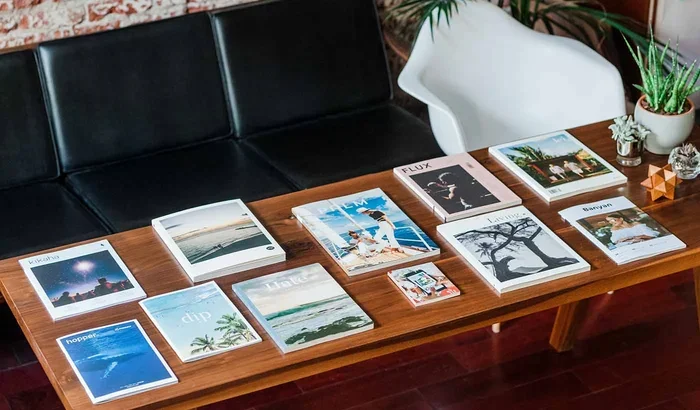
Once your coffee table book is complete, it is time to show it off. The best place to display it is, of course, on an actual coffee table. Position it face-up so the cover catches the eye. Pair it with a small vase of dried flowers or a candle for a styled look.
A handmade coffee table book also makes an incredible gift. Imagine surprising a friend or family member with a custom book filled with shared memories or their favorite recipes. It is personal, thoughtful, and something they will treasure for years.
You can also share your creation digitally. Take high-quality photos of each page and post them on social media. Many people love seeing the behind-the-scenes process of book creation, and your post might inspire others to try making their own.
If you plan to make multiple copies, consider using a professional book printing service for bulk orders. This ensures consistent quality across every copy and saves you time in the long run.
Final Thoughts on Creating Your Own Coffee Table Book
Making your own coffee table book is a rewarding creative project that anyone can enjoy. From choosing a theme and gathering content to designing layouts and selecting materials, each step brings you closer to a finished product you can be proud of. The process itself is just as fulfilling as the result.
Start small if you feel overwhelmed. Create a simple five-page book with your favorite photos and a short story. As you gain confidence, you can tackle larger, more complex projects. Every book you make teaches you something new about design, storytelling, and presentation.
The beauty of a DIY coffee table book lies in its uniqueness. No store-bought book can replicate the personal touch that comes from creating something with your own hands. Your book tells a story that only you can tell, and that is what makes it truly special.
So grab your photos, open your design tool, and start planning your custom coffee table book today. You will be amazed at what you can create when you put your heart into it. The finished product will not only decorate your table but also spark joy and conversation for everyone who picks it up.
Frequently Asked Questions
What size should a coffee table book be?
Most coffee table books range from 8×10 inches to 12×12 inches. The square format is the most popular because it accommodates full-page photos beautifully. Choose a size that suits your content and the space where the book will be displayed.
How much does it cost to make a coffee table book?
Costs vary widely depending on printing method and materials. A DIY coffee table book through a print-on-demand service can cost anywhere from $15 to $50 per copy. Buying paper and binding supplies for a handmade version might run $30 to $80 for materials, but you can produce multiple copies for the same price.
Can I make a coffee table book without design experience?
Absolutely. Many print-on-demand platforms offer built-in templates that guide you through the layout process. Tools like Canva make it easy to create a professional-looking coffee table book even if you have never designed anything before. Start with a template and customize it to match your theme.
What is the best paper for a coffee table book?
For photo-heavy books, matte or glossy photo paper with a weight of 80 lb or higher works best. This prevents ink bleed and gives your images sharp, vibrant results. For text-heavy sections, a slightly lighter paper improves readability while still feeling premium.
How many pages should a coffee table book have?
Most coffee table books contain between 20 and 80 pages. Shorter books work well for focused themes like a single recipe collection or a mini travel diary. Longer books are better for comprehensive topics like a full family history or a detailed photography project.
Can I sell a coffee table book I make at home?
Yes, you can sell handmade or self-published coffee table books. Print-on-demand services make it easy to produce copies as orders come in, which eliminates the need for upfront inventory. Just make sure any images or content you use are either your own or properly licensed.