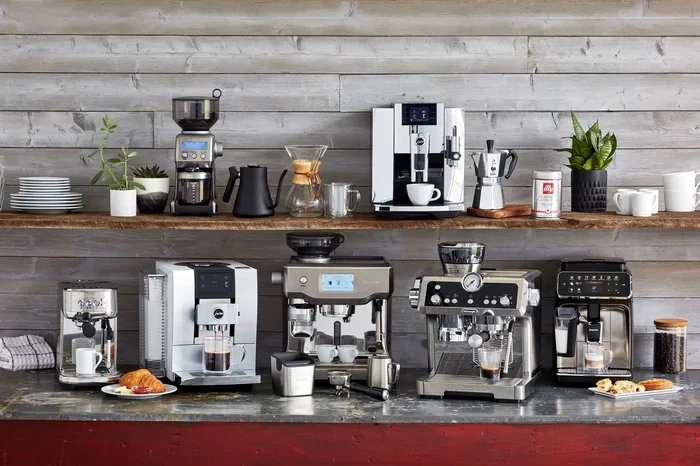
How To Make Restaurant Style Coffee At Home With These Tips
Want to know how to make restaurant style coffee at home? You can brew café quality drinks every morning with the right beans, technique, and simple tools. This guide covers everything from choosing the best coffee roast to mastering milk frothing like a pro home barista.
Want to know how to make restaurant style coffee at home? You are not alone. Millions of coffee lovers crave that rich, smooth cup they get at their favorite café but want to enjoy it without leaving the house. The good news is that how to make restaurant style coffee at home is far easier than most people think. With the right beans, a solid technique, and a few simple tools, you can brew café quality drinks every single morning. This guide walks you through everything you need to start making barista level coffee in your own kitchen.
Coffee is one of the most popular drinks in the world. Yet many people settle for weak or bland cups at home. The gap between your kitchen brew and a coffee shop drink usually comes down to a few simple factors. Once you understand these, you can close that gap fast. Let us dive in and explore what makes restaurant coffee so special.
Key Takeaways
- Pick fresh, quality beans: The right coffee roast and freshness make a huge difference in flavor.
- Grind matters: Invest in a good coffee grinder for consistent extraction and richer coffee flavor.
- Master your brewing ratio: Getting the water-to-coffee ratio right is the foundation of great coffee.
- Froth milk properly: Milk steam and creamy foam are what separate home coffee from café drinks.
- Avoid common mistakes: Wrong temperature and timing can ruin even the best beans.
- The right equipment helps: A quality coffee maker and a few tools elevate your brew instantly.
📑 Table of Contents
Why Restaurant Coffee Tastes So Much Better
Have you ever wondered why coffee at a restaurant or café always seems to taste better? There is a reason for that. Professional coffee shops use specific methods, high quality ingredients, and precise techniques that home brewers often skip. Understanding these differences is the first step toward making restaurant style coffee at home.
The Secret Behind Café Quality Brews
Every coffee shop focuses on a few key areas. They use freshly roasted beans. They grind coffee just before brewing. They pay close attention to water temperature and brewing time. These small details add up to a big difference in flavor. When you learn to control these variables, your home coffee improves dramatically.
The aroma alone sets restaurant coffee apart. A rich coffee aroma fills the room and prepares your senses for the first sip. At home, you can recreate this by storing your beans properly and grinding them right before you brew. Freshness is the single biggest game changer in coffee brewing.
Why Home Coffee Feels Different
Most home coffee makers use pre ground coffee that has been sitting on a shelf for weeks. That stale grounds loses its flavor fast. Restaurant style coffee uses beans that were roasted within the last two to four weeks. The difference in taste is obvious once you try it.
Another factor is the brewing equipment. Coffee shops use commercial machines that maintain precise coffee temperature and pressure. You do not need a $2,000 machine at home. But investing in a decent coffee maker and grinder will get you much closer to that café quality taste.
If you love pairing your morning brew with something warm and crispy, try learning how to make toast in oven without toaster for the perfect breakfast setup at home.
Choose the Right Coffee Beans
The foundation of any great cup of coffee starts with the beans. Choosing the right coffee beans is the most important decision you will make. Not all beans are created equal, and the type you pick directly shapes the flavor, aroma, and body of your drink.
Pick the Best Coffee Roast
Coffee roasts come in three main categories: light, medium, and dark. Each roast brings out different flavor notes and levels of richness.
- Light roast: Bright, fruity, and acidic. Great for pour over coffee where you want to taste the origin flavors.
- Medium roast: Balanced, smooth, and slightly sweet. This is the most popular choice for everyday drinking.
- Dark roast: Bold, smoky, and rich. Perfect for espresso based drinks and those who love strong coffee.
For restaurant style coffee, most cafés use medium to dark roasts. These roasts produce a fuller body and a more satisfying mouthfeel. If you want that deep, rich coffee flavor you get at your favorite café, start with a medium or dark roast.
Freshness Matters for Coffee Flavor
Freshness cannot be overlooked. Coffee beans start losing their flavor within two weeks of being roasted. The oils that give coffee its vibrant aroma begin to evaporate. This is why coffee shops buy beans in small batches and rotate them frequently.
At home, always check the roast date on the bag. Buy only what you will use within two to three weeks. Store your beans in an airtight container away from light and heat. Never keep beans in the fridge, as moisture and odors can damage the flavor.
The Role of Your Coffee Grinder
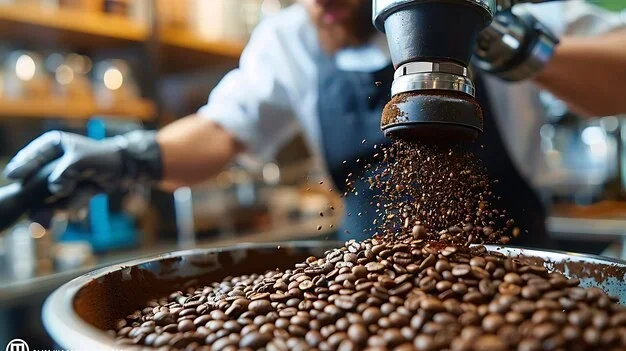
A good coffee grinder is just as important as the beans themselves. Pre ground coffee loses flavor quickly. Grinding your beans right before brewing locks in the aroma and oils that create that rich coffee taste you love.
There are two main types of grinders: blade and burr. Burr grinders are the clear winner for anyone serious about coffee brewing. They produce a consistent grind size, which leads to even extraction and a much better cup. Blade grinders chop beans unevenly, resulting in some bits being over extracted and others under extracted.
For the best results, match your grind size to your brewing method. A coarse grind works well for French press. A medium grind suits drip coffee makers. A fine grind is essential for espresso extraction.
Brewing Ratio Basics
The brewing ratio is the relationship between coffee grounds and water. Getting this ratio right is the foundation of consistent, great tasting coffee. Most coffee professionals use a ratio of about 1:15 to 1:17. This means one part coffee to 15 or 17 parts water.
If you are using a standard coffee maker, start with two tablespoons of ground coffee for every six ounces of water. Adjust from there based on your taste preferences. A stronger cup calls for a slightly higher ratio. A lighter cup needs a bit less coffee.
Using a kitchen scale to measure both your coffee and water takes the guesswork out of the process. This small change alone can transform your home brewing into something that rivals any coffee shop.
Master Your Brewing Technique
Now that you have great beans and the right grind, it is time to focus on the brewing process itself. Technique is what separates a good cup from a great one. Whether you prefer a simple drip machine or a more hands on approach, mastering your method makes all the difference.
Pour Over Coffee at Home
Pour over coffee is one of the most popular methods among home baristas. It gives you complete control over every aspect of the brewing process. The result is a clean, bright, and flavorful cup that highlights the unique notes of your beans.
To make pour over coffee, you will need a dripper, a filter, and hot water. Heat your water to between 195 and 205 degrees Fahrenheit. Place your filter in the dripper and add your ground coffee. Start with a small amount of water and let the grounds bloom for about 30 seconds. This releases carbon dioxide and helps the extraction process.
Then pour the remaining water slowly and steadily in circular motions. Aim for a total brew time of about three to four minutes. The key is patience. Pouring too fast leads to under extraction and a weak, sour taste. Pouring too slow can over extract and make the coffee bitter.
Using an Espresso Machine
If you want to make drinks like lattes, cappuccinos, and macchiatos at home, an espresso machine is essential. Espresso is the base for most restaurant style coffee drinks. Learning to pull a good shot takes practice, but the results are worth it.
Start with finely ground coffee and tamp it firmly into the portafilter. The goal is even extraction. A good espresso shot should take about 25 to 30 seconds to pull. If it comes out too fast, your grind is too coarse. If it drips slowly, grind it finer.
Espresso at home does not have to be expensive. There are many affordable machines that produce excellent shots. Even a basic model can deliver café quality results when you dial in the right settings.
Perfect Your Milk Frothing
If there is one thing that defines restaurant style coffee, it is the milk. Creamy foam and perfectly steamed milk turn a simple espresso into a latte, cappuccino, or flat white. Mastering milk frothing is the skill that will truly elevate your home coffee game.
Milk Steam Techniques
Steaming milk is all about texture and temperature. The goal is to create microfoam, which is tiny, silky bubbles that give your drink that smooth, velvety feel. You need a steam wand for this, which is found on most espresso machines.
Start with cold milk in a stainless steel pitcher. Insert the steam wand just below the surface of the milk and turn on the steam. You should hear a gentle hissing sound as air gets pulled into the milk. This is the stretching phase where you build volume.
Once the milk has expanded by about a third, submerge the wand deeper and tilt the pitcher. This creates a swirling motion that heats the milk and refines the foam. Stop steaming when the pitcher feels warm to the touch, around 150 to 155 degrees Fahrenheit.
Creating Creamy Foam
The difference between flat, boring foam and creamy, restaurant quality foam comes down to technique. After steaming, tap the pitcher gently on the counter and swirl the milk. This breaks up any large bubbles and creates a smooth, glossy texture.
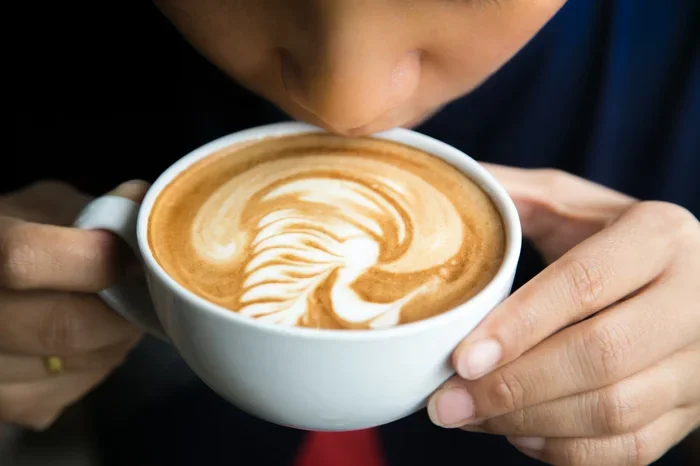
For latte art, pour the milk slowly into the espresso. Start from a higher position and bring the pitcher closer as the cup fills. A steady hand and practice will help you create simple hearts and rosettas. Even if your art is not perfect, the foam itself will taste and feel like a professional barista made it.
You do not need an expensive machine to get good foam. A simple milk frother or even a French press can produce decent results. The key is using fresh, cold milk and practicing your technique regularly.
Essential Equipment for Every Home Barista
You do not need a full commercial setup to make restaurant style coffee at home. But a few key pieces of equipment will take your brewing to the next level. Here is what every home barista should have in their kitchen.
Must Have Tools
- Coffee grinder: A burr grinder ensures consistent particle size for even extraction.
- Digital scale: Precise measurements of coffee and water lead to consistent results every time.
- Gooseneck kettle: This kettle gives you control over water flow, which is essential for pour over coffee.
- Thermometer: Monitoring water temperature helps you avoid burning your grounds.
- Fresh bean storage: An airtight container keeps your beans fresh longer.
Investing in a Quality Coffee Maker
Your coffee maker is the heart of your setup. There are many options available at different price points. Drip coffee makers are affordable and convenient. Pour over setups are simple and give you full control. Espresso machines offer the most versatility for making a wide range of drinks.
When choosing a coffee maker, look for one that lets you control brew temperature and time. Machines with thermal carafes keep coffee warm without burning it. A good coffee maker can last for years and will pay for itself in the cups of coffee you skip buying at shops.
For those who love a hearty breakfast with their morning brew, try how to cook bacon and sausage in the oven to complete your at home café experience.
Common Mistakes That Ruin Your Coffee
Even with great beans and the right equipment, small mistakes can ruin your coffee. Knowing what to avoid is just as important as knowing what to do right. Here are the most common pitfalls home brewers face.
Temperature Errors
Water that is too hot will scorch your coffee grounds and create a bitter, harsh taste. Water that is too cool will under extract and leave your coffee weak and sour. The sweet spot for brewing coffee is between 195 and 205 degrees Fahrenheit.
If you do not have a thermometer, bring your water to a boil and then let it sit for about 30 seconds. This brings it into the ideal range. Never use boiling water directly on your grounds.
Wrong Brewing Time
Time is a critical factor in coffee extraction. Brewing for too long pulls out bitter compounds. Brewing for too short leaves the coffee under developed and sour. Each brewing method has an ideal time range that you should follow.
For drip coffee, aim for a total brew time of about five minutes. Pour over coffee should take three to four minutes. Espresso shots should pull for 25 to 30 seconds. Using a timer helps you stay consistent and dial in the perfect extraction every time.
Ignoring Water Quality
Coffee is about 98 percent water. The quality of your water directly affects the taste of your brew. Hard water with high mineral content can make coffee taste flat or chalky. Soft water can make it taste thin.
Use filtered water for the best results. It removes impurities while retaining enough minerals to support proper extraction. Avoid distilled water, which is too pure and will produce a dull cup of coffee.
If you want to keep your coffee at the perfect temperature without reheating, learn how to keep food warm without oven for tips on maintaining ideal serving temperatures for your beverages.
Build Your Morning Coffee Routine
Making restaurant style coffee at home is not just about the brew itself. It is about building a routine that makes the experience enjoyable and consistent. The best coffee lovers treat their morning cup as a ritual, not just a task.
Start by preparing your workspace the night before. Measure out your beans, clean your equipment, and set up your grinder. When morning comes, you are ready to go. This simple habit removes friction and makes it easy to brew great coffee every day.
Take time to enjoy the process. Smell the grounds as you grind them. Watch the water bloom during pour over brewing. Savor the first sip slowly. Part of what makes restaurant coffee special is the experience. You can recreate that at home by being present and mindful during your morning routine.
Over time, you will develop your own preferences. You will know exactly how much coffee to use, how hot the water should be, and how long to brew. This personal touch is what turns a good home brew into something truly special. And there is real satisfaction in knowing you made a restaurant quality cup of coffee with your own hands.
The journey to mastering coffee brewing never really ends. There is always something new to learn, a new technique to try, or a new bean origin to explore. Embrace the process and enjoy every cup along the way.
Making restaurant style coffee at home saves money and gives you full control over every cup. With the right beans, proper technique, and a little practice, you will never want to go back to mediocre morning coffee again. Start today, and your taste buds will thank you.
Conclusion
How to make restaurant style coffee at home comes down to a few key principles. Choose fresh, quality beans and grind them right before brewing. Master your brewing ratio and technique. Perfect your milk frothing for those café style drinks. And avoid the common mistakes that undermine even the best efforts.
You do not need expensive equipment or years of experience. You just need the right knowledge and a willingness to practice. Every great home barista started exactly where you are now. With each cup you brew, you will refine your skills and develop your own style.
The difference between home coffee and restaurant coffee is no longer as wide as it once was. Armed with the tips in this guide, you can enjoy café quality drinks in the comfort of your own home. So go ahead, pull up a chair, and make yourself a cup of coffee that would make any barista proud.
Frequently Asked Questions
What beans are best for making restaurant style coffee at home?
Medium to dark roast beans from specialty roasters work best. Look for beans that were roasted within the last two to four weeks. Fresh beans give you the rich flavor and aroma that define restaurant quality coffee.
Do I need an expensive espresso machine to make café quality coffee?
No, you do not need an expensive machine. A quality drip coffee maker or pour over setup can produce excellent results. Even a basic espresso machine can deliver great shots when you use the right grind size and brewing ratio.
How can I improve the flavor of my home brewed coffee?
Focus on three things: freshness of your beans, consistency of your grind, and precision of your water temperature and ratio. These three factors make the biggest difference in flavor and are easy to control at home.
What is the best way to froth milk for coffee at home?
A steam wand on an espresso machine gives the best results. If you do not have one, a handheld milk frother or a French press can work well too. The key is using cold, fresh milk and creating small, even bubbles for a silky texture.
How long should I let my coffee brew for the best results?
Brew time depends on your method. Pour over coffee takes about three to four minutes. Drip coffee should brew for around five minutes. Espresso shots pull for 25 to 30 seconds. Sticking to these times helps you avoid over or under extraction.
Can I use tap water for brewing coffee at home?
Filtered water is always better than tap water for coffee brewing. Tap water can contain chlorine and minerals that affect the taste. Filtered water produces a cleaner, smoother cup that lets the true flavor of your beans shine through.