How To Make Grounded Coffee Without Machine At Home
You can easily make grounded coffee without a machine right in your kitchen. This guide walks you through simple, proven methods like using a mortar and pestle, a rolling pin, or a blender to crush whole beans into fresh grounds. You will learn the best tools, step-by-step techniques, and tips to get the perfect grind every time.
There is something deeply satisfying about making your own grounded coffee without machine. It connects you to a tradition that stretches back centuries. Whether you are camping, traveling, or simply do not own a coffee grinder, you can still enjoy a fresh cup of coffee. The process is simpler than most people think.
Making grounded coffee without machine at home gives you full control over your brew. You decide how coarse or fine your grounds should be. You choose the beans. You control the freshness. This guide covers every method you need, from basic kitchen tools to more advanced techniques. By the end, you will know exactly how to make great coffee without any fancy equipment.
Many people assume they need an expensive grinder or a coffee maker to get good coffee. That is simply not true. People have been crushing coffee beans by hand for hundreds of years. With a few simple tools and a little patience, you can achieve results that rival any electric grinder. Let us dive into the methods that work best.
Key Takeaways
- No machine needed: You can grind coffee beans using everyday kitchen tools like a mortar and pestle, rolling pin, or blender.
- Fresh flavor matters: Hand-ground coffee tastes better because you control the grind size and freshness.
- Multiple methods work: Each grinding method produces different textures, from coarse to fine, suited for different brewing styles.
- Simple tools are enough: You do not need expensive equipment to make great coffee at home.
- Avoid common mistakes: Grinding too fine or using the wrong method can ruin the taste of your coffee.
- Practice makes perfect: With a little patience, you can master manual coffee grinding and enjoy barista-quality cups at home.
📑 Table of Contents
Why Make Grounded Coffee Without a Machine?
There are many reasons to skip the electric grinder. Some people live in small spaces where a machine does not fit. Others want a slower, more mindful coffee routine. And some people just want to save money. Whatever your reason, manual coffee grinding has real benefits.
Freshness You Can Taste
When you grind beans right before brewing, the coffee extraction is far better. Oxygen starts to break down coffee grounds the moment they are exposed to air. Pre-ground coffee sits on shelves for weeks or even months. Hand-ground coffee is as fresh as it gets. The flavor difference is noticeable from the very first sip.
Control Over Grind Size
Different brewing methods need different coffee grind size. A French press coffee needs coarse grounds. Espresso needs fine grounds. When you grind by hand, you control the texture completely. You can make coarse coffee grounds for a clean cup or finer grounds for a stronger brew. This level of control is hard to get with pre-ground options.
Saving Money
Electric grinders can cost anywhere from 20 to 200 dollars. A simple mortar and pestle costs less than 15 dollars. You also save money by buying whole bean coffee instead of pre-ground bags. Whole beans last much longer and give you more cups per dollar.
Portability and Convenience
Need coffee while camping or traveling? A mortar and pestle fits in any bag. You do not need electricity or batteries. This makes rustic coffee making a great option for outdoor trips, dorm rooms, or any situation where machines are not available.
Tools You Can Use to Grind Coffee by Hand
You probably already have most of the tools needed for manual coffee grinding. Here are the best options, from simplest to most involved.
Mortar and Pestle
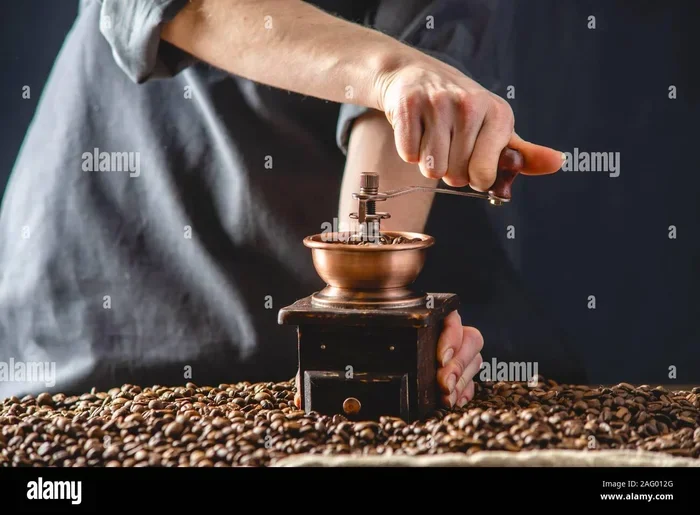
This is the oldest and most reliable method for hand grind coffee beans. A mortar and pestle gives you excellent control over the grind size. You can make both coarse and fine grounds depending on how long you grind. The key is to use a circular motion and press down firmly.
Use a ceramic or stone mortar if possible. These materials grip the beans better than glass or metal. Start with small batches of about two tablespoons of beans at a time. This gives you enough room to work without spilling.
Rolling Pin
A rolling pin works surprisingly well for crushing coffee beans. Place the beans in a zip-lock bag or between two sheets of parchment paper. Roll over them with steady pressure. This method produces a medium grind that works well for pour over coffee and drip machines.
The trick is to not rush it. Apply firm, even pressure and roll back and forth. You will get a more consistent texture than you might expect. Some people like to freeze the beans first. Cold beans are easier to crush and break down more evenly.
Blender or Food Processor
If you have a blender, you can use it for coffee bean crushing. Pulse the beans in short bursts. Do not run the blender continuously. The blades can generate heat, which can burn the coffee and affect the flavor.
This method works best for medium to coarse grinds. It is not ideal for very fine grounds because the texture tends to be uneven. But for everyday stovetop coffee or French press brewing, it gets the job done quickly.
Bag and Mallet Method
Place coffee beans inside a sturdy zip-lock bag. Use a meat mallet or the bottom of a heavy pan to crush them. This is a rustic but effective method. It produces a medium-coarse grind that is perfect for many brewing styles.
Wrap the bag in a kitchen towel to prevent beans from flying out. Press down firmly and repeat until you reach the desired texture. This method takes a little more effort but requires no special tools at all.
Step-by-Step: How To Make Grounded Coffee Without Machine
Now that you know which tools to use, here is a clear, step-by-step process for making grounded coffee without machine at home.
Step 1: Choose Your Beans
Start with high-quality whole bean coffee. Fresh beans make a huge difference in taste. Look for beans that have a roast date on the bag, not just an expiration date. Lighter roasts are easier to grind by hand because they are less oily and more brittle.
Store your beans in an airtight container away from heat and light. Do not keep them in the fridge, as moisture can affect the flavor. Room temperature storage works best for daily use.
Step 2: Measure Your Beans
A good starting point is two tablespoons of whole beans per six ounces of water. Adjust this ratio based on your taste preferences. If you like stronger coffee, add more beans. If you prefer a lighter cup, use fewer beans.
Measuring before you grind ensures consistency every time. It is much easier to grind a measured amount than to guess and end up with too much or too little.
Step 3: Grind Using Your Chosen Method
Follow the technique for your chosen tool. With a mortar and pestle, use a circular grinding motion. With a rolling pin, apply steady pressure. With a blender, use short pulses. The goal is to break the beans down into a consistent texture.
Take your time. Rushing the process leads to uneven grounds. Some pieces will be finer than others, and that is okay. You can always sift out the very fine particles if needed.
Step 4: Check the Grind Size
Compare your grounds to the ideal size for your brewing method. Coarse grounds look like sea salt and work best for French press coffee. Medium grounds resemble sand and are great for drip coffee. Fine grounds are closer to table salt and suit espresso-style brewing.
If your grounds are too fine, you can sift them through a fine mesh strainer. The larger pieces can go back through the grinding process again. This helps you achieve a more uniform texture.
Step 5: Brew and Enjoy
Use your freshly ground coffee right away for the best flavor. Brew using your preferred method. Whether you use a pour over coffee setup, a French press, or a simple stovetop method, fresh grounds will give you a far superior cup compared to pre-ground coffee.
Clean up your grinding tools right after use. Coffee oils can build up and affect the taste of your next batch. A quick rinse with warm water keeps everything fresh.
Best Brewing Methods for Hand-Ground Coffee
The way you brew your coffee matters just as much as how you grind it. Here are the best methods for fresh ground coffee made without a machine.
Pour Over Coffee
Pour over brewing is one of the simplest and most rewarding methods. You need a pour-over dripper, a filter, and hot water. Medium-ground coffee works best for this method. The slow pour allows the water to extract flavors evenly, producing a clean and bright cup.
This method is perfect for manual coffee grinding because it highlights the subtle flavors in your beans. You can really taste the differences between different roasts and origins when you brew this way.
French Press
A French press coffee maker is ideal for coarse hand-ground coffee. The steeping process extracts rich, full-bodied flavors. Coarse grounds prevent the coffee from becoming muddy or overly bitter.
Steep the coffee for about four minutes, then press the plunger down slowly. The result is a rich, robust cup that showcases the natural oils in the beans. This is one of the easiest methods for beginners.
Stovetop Brewing
You can brew coffee directly on the stovetop using a simple pot or moka pot. Medium-fine grounds work best for stovetop methods. Heat the water and grounds together, then let it simmer for a few minutes.
This method produces a strong, concentrated coffee that is similar to espresso. It is a great option if you want a bold cup without any electric equipment. Many people who love traditional coffee grinding prefer this method for its simplicity and rich flavor.
Cold Brew
Cold brew is another excellent option for hand-ground coffee. Coarse grounds steep in cold water for 12 to 24 hours. The result is a smooth, low-acidity coffee concentrate that tastes great over ice.
Cold brew brings out the sweet and chocolatey notes in coffee beans. It is very forgiving when it comes to grind size, making it a great choice for beginners learning coffee without machine techniques.
Tips for Perfect Grounded Coffee Every Time
Getting great coffee from hand grinding takes a little practice. Here are some tips that will help you get better results faster.
- Grind just before brewing. Freshly ground coffee loses its flavor within 15 to 30 minutes. Grind only what you need for each cup.
- Keep your tools clean. Residual oils from previous grinding sessions can go rancid and affect taste. Wash your mortar, pestle, or blender thoroughly after each use.
- Use consistent pressure. Whether you are using a mortar and pestle or a rolling pin, even pressure creates more uniform grounds.
- Experiment with bean types. Different roasts and origins taste different when hand-ground. Try Ethiopian, Colombian, or Brazilian beans to find your favorite.
- Store beans properly. Keep whole beans in an airtight container at room temperature. Avoid sunlight and moisture.
- Warm your water to the right temperature. Water that is too hot will burn the coffee. Aim for 195 to 205 degrees Fahrenheit for optimal extraction.
- Taste and adjust. If your coffee tastes too weak, use more grounds next time. If it tastes too strong, use fewer beans or steep for less time.
Common Mistakes to Avoid
Even with the best intentions, there are some common pitfalls when making grounded coffee without machine. Here are the mistakes to watch out for.
Grinding Too Much at Once
Overloading your grinding tool leads to uneven texture. Stick to small batches. Two to three tablespoons at a time is the sweet spot for most hand-grinding methods.
Using Pre-Ground Coffee as a Substitute
Some people think buying pre-ground coffee and then re-grinding it is a good shortcut. It is not. Pre-ground coffee has already lost much of its flavor. Always start with whole beans for the best results.
Ignoring Grind Size
Using the wrong grind size for your brewing method leads to bad coffee. Too fine and the coffee becomes bitter and over-extracted. Too coarse and it tastes weak and watery. Match your grind to your brewer for the best flavor.
Skipping the Cleaning Step
Old coffee oils build up in your grinding tools. This creates stale flavors that transfer to your fresh grounds. Always clean your tools after each session.
Remember, making coffee without machine is a skill that improves with practice. Do not get discouraged if your first few cups are not perfect. Keep experimenting with grind sizes, bean types, and brewing methods. You will find your sweet spot quickly.
Conclusion
Making grounded coffee without machine at home is easier and more rewarding than most people realize. You do not need expensive equipment or special skills. A simple mortar and pestle, a rolling pin, or even a blender can produce excellent results. The key is to use fresh whole beans, take your time, and enjoy the process.
Hand-ground coffee tastes better because it is fresher and you control every variable. From choosing the beans to selecting the grind size, every step matters. Once you start making your own fresh ground coffee, you will never want to go back to pre-ground bags.
Start with one method that appeals to you. Practice it until you feel confident. Then try another method. Before long, you will have a routine that fits your lifestyle and delivers a delicious cup of coffee every single morning. The satisfaction of making your own coffee from scratch is truly unbeatable.
Frequently Asked Questions
Can I use a blender instead of a coffee grinder to make grounded coffee?
Yes, a blender works well for grinding coffee beans. Use short pulses instead of running the blender continuously. This prevents heat buildup, which can damage the coffee flavor. A blender is one of the easiest ways to make coffee without machine at home.
How long does it take to grind coffee beans by hand?
It typically takes 3 to 5 minutes to grind enough coffee for one cup using a mortar and pestle. A rolling pin takes about the same amount of time. A blender is faster, usually under two minutes for a small batch. The time depends on the method you choose and how fine you want the grind.
Is hand-ground coffee as good as machine-ground coffee?
Hand-ground coffee can be just as good, and in many cases better, than machine-ground coffee. When you grind fresh by hand, you control the grind size and brew immediately. The coffee extraction is often more flavorful because the grounds are so fresh. Many coffee lovers prefer the taste of hand-ground coffee.
What is the best grind size for French press coffee?
French press coffee needs a coarse grind size, similar to sea salt. Coarse grounds prevent the coffee from becoming muddy and allow for a clean, rich brew. If your grounds are too fine, the coffee will be bitter and gritty. Experiment until you find the texture that works best for your taste.
Can I store hand-ground coffee for later use?
It is best to grind coffee just before brewing for the freshest flavor. However, if you need to store it, keep the grounds in an airtight container at room temperature. Use them within 24 hours for the best taste. Storing grounds for longer leads to flavor loss and stale coffee.
Why does instant coffee make some people have digestive issues?
Some people experience digestive discomfort from instant coffee because of its acidity and the additives used in processing. If you have ever wondered why does instant coffee make me poop, it is often due to the compounds in instant coffee that stimulate stomach acid production. Switching to freshly hand grind coffee beans can be a gentler alternative for sensitive stomachs.
=== CONCLUSION ===
Making grounded coffee without machine at home is a simple, rewarding skill anyone can learn. You now have all the tools, techniques, and tips you need to start. Pick your favorite method, grab some whole beans, and enjoy the process. Fresh, flavorful coffee is just a few minutes away.