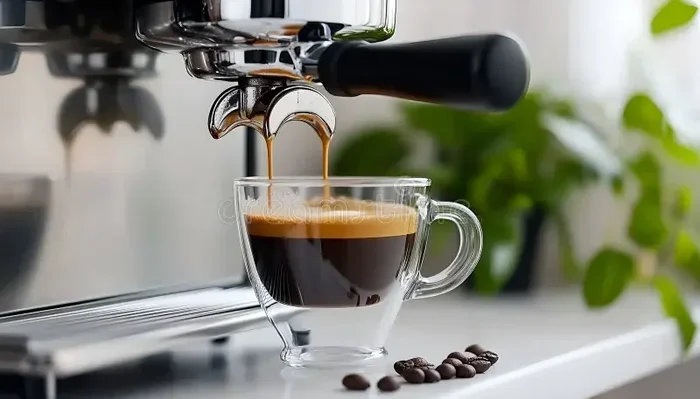
How To Make Fresh Coffee In 5 Simple Steps At Home
Making fresh coffee at home is easier than you think. This step-by-step guide walks you through how to make fresh coffee in just five simple steps, from choosing the right beans to pouring your first cup. You will learn about grind sizes, water temperatures, and brewing methods that bring out the best flavor. Whether you are a beginner or a coffee lover looking to upgrade your routine, these tips will help you brew rich, delicious coffee every single morning.
There is nothing quite like a fresh cup of coffee to start your day right. Whether you are a casual coffee drinker or someone who takes their morning brew very seriously, how to make fresh coffee at home is a skill worth mastering. Store-bought coffee can be convenient, but it often lacks the depth and richness that comes from brewing with care. The good news is that you do not need expensive equipment or years of experience. With just a few simple tools and the right approach, you can brew coffee that rivals your favorite café.
This guide breaks down the entire process into five clear, easy-to-follow steps. Each step builds on the last, so by the end you will understand exactly what goes into a perfect cup. We will cover everything from picking the right beans to serving your coffee just the way you like it. Let us get started.
Key Takeaways
- Start with quality beans: Fresh, whole coffee beans make a huge difference in flavor and aroma compared to pre-ground options.
- Grind matters: Matching your grind size to your brewing method is one of the most important steps for a great cup.
- Water temperature is key: Brewing between 195°F and 205°F extracts the best flavors without burning the grounds.
- Choose your method wisely: Pour over, French press, drip, and AeroPress each produce unique coffee flavors and strengths.
- Freshness counts: Store beans properly and grind just before brewing for the richest coffee taste.
📑 Table of Contents
- What You Need to Make Fresh Coffee at Home
- Step 1: Select the Best Coffee Beans for Fresh Brewing
- Step 2: Grind Your Beans to the Perfect Consistency
- Step 3: Heat Your Water to the Ideal Temperature
- Step 4: Brew Using the Right Method for Your Style
- Step 5: Serve, Taste, and Perfect Your Cup
- Common Mistakes to Avoid When Brewing Coffee
- Building the Perfect Morning Coffee Routine
- Conclusion
What You Need to Make Fresh Coffee at Home
Before you dive into the steps, it helps to know what tools and ingredients you will need. You do not need a fancy setup, but having the right gear makes a big difference. Here is a simple list to get you started:
- Fresh whole coffee beans – always buy whole beans for the best flavor
- A burr grinder or blade grinder – for grinding beans just before brewing
- Filtered water – clean water means clean coffee taste
- A kettle – a gooseneck kettle gives you more control over pouring
- A brewing device – such as a pour over dripper, French press, or drip coffee maker
- A kitchen scale – for measuring the right coffee-to-water ratio
- A mug or carafe – to catch your finished brew
You do not need every item on this list. Even a simple kettle and a French press can produce amazing results. The key is to focus on fresh ingredients and a method that fits your lifestyle.
Step 1: Select the Best Coffee Beans for Fresh Brewing
The foundation of great coffee starts with the beans. Choosing the right coffee beans is the single most important decision you will make. Pre-ground coffee loses its flavor quickly, so always buy whole beans. Look for beans that have a roast date printed on the bag, ideally within the last two to four weeks.
Understanding Coffee Roast Levels
Coffee beans come in different roast levels, and each one brings a unique flavor profile. Here is a quick breakdown:
- Light roast: Bright, acidic, and fruity. These beans preserve the original flavors of the coffee plant.
- Medium roast: Balanced and smooth with a slightly sweeter taste. This is a great starting point for most people.
- Dark roast: Bold, smoky, and low in acidity. Dark roasts have a richer, more intense flavor.
If you are new to home brewing, a medium roast is a safe bet. It works well with most brewing methods and offers a pleasant balance of flavor. For those who enjoy a stronger taste, a dark roast might be your go-to choice.
Where to Buy Fresh Beans
Local roasters and specialty coffee shops often have the freshest beans. You can also buy quality beans online from reputable roasters. Always check the roast date and buy in small quantities so you use them within a few weeks. Storing beans in an airtight container away from sunlight keeps them fresh longer.
One thing to keep in mind: if you ever wonder about the effects of instant coffee on your body, it is worth knowing that fresh brewed coffee is a completely different experience. Instant coffee can sometimes cause digestive discomfort, which is something many people notice but do not always connect to their coffee choice.
Step 2: Grind Your Beans to the Perfect Consistency
Grinding your beans just before brewing is a game-changer. Freshly ground coffee releases more oils and aromas, giving you a richer and more flavorful cup. The grind size you choose should match your brewing method. Using the wrong grind size can lead to over-extraction or under-extraction, both of which ruin the taste.
Choosing the Right Grind Size
Here is a simple guide to grind sizes and which methods they work best with:
- Extra coarse: Best for cold brew coffee
- Coarse: Ideal for French press brewing
- Medium-coarse: Works well for Chemex and similar pour over devices
- Medium: Perfect for drip coffee makers and flat bottom filters
- Fine: Great for espresso machines and AeroPress
- Extra fine: Used for Turkish coffee
If you do not have a grinder, many coffee shops will grind beans for you when you buy them. Just ask for the grind size that matches your brewing method. A burr grinder is the best option for consistent results, but even a basic blade grinder works in a pinch.
Quick Tips for Grinding
- Grind only what you need for one brew session
- Store unused whole beans in an airtight container
- Clean your grinder regularly to prevent stale coffee oils from building up
- Experiment with slightly finer or coarser grinds to find your preferred taste
Getting the grind right takes a little practice, but it makes a noticeable difference. Once you find the sweet spot for your preferred method, stick with it and enjoy the results.
Step 3: Heat Your Water to the Ideal Temperature
Water temperature plays a bigger role in coffee brewing than most people realize. Too hot, and you will burn the grounds, creating a bitter taste. Too cool, and you will under-extract, leaving your coffee weak and sour. The sweet spot for brewing coffee is between 195°F and 205°F (90°C to 96°C).
How to Get the Right Temperature
You do not need a thermometer to get this right. If you are using a kettle, bring the water to a full boil and then let it sit for about 30 seconds. This brings the temperature down into the ideal range. If you have an electric kettle with temperature settings, even better. Many modern kettles let you select the exact temperature you want.
Another important factor is the quality of your water. Tap water can contain chlorine and other chemicals that affect the taste of your coffee. Using filtered water removes these impurities and lets the true flavor of the beans shine through. Think of it this way: great coffee is about 98% water, so the water quality matters a lot.
The Ratio: Coffee to Water
A general rule of thumb is to use about 1 to 2 tablespoons of ground coffee for every 6 ounces of water. However, many coffee experts recommend using a scale for precision. A standard ratio is 1:16, meaning 1 gram of coffee for every 16 grams of water. This ratio produces a balanced cup that highlights the natural flavors of the beans.
| Brewing Method | Coffee (grams) | Water (ml) | Ratio |
|---|---|---|---|
| French Press | 30g | 480ml | 1:16 |
| Pour Over | 20g | 320ml | 1:16 |
| Drip Coffee Maker | 60g | 960ml | 1:16 |
| AeroPress | 15g | 240ml | 1:16 |
These numbers are a starting point. Feel free to adjust based on your personal taste. If you prefer stronger coffee, use more grounds. If you like it milder, use fewer.
Step 4: Brew Using the Right Method for Your Style
Now comes the fun part: actually brewing your coffee. There are many coffee brewing methods out there, and each one brings out different flavors and characteristics. The method you choose depends on your taste preferences, how much time you have, and what equipment you own.
Pour Over Method
The pour over method is one of the most popular ways to make fresh coffee at home. It gives you full control over the brewing process and produces a clean, bright cup. You need a pour over dripper, a paper filter, and a gooseneck kettle. Simply place the filter in the dripper, add your ground coffee, and slowly pour hot water over the grounds in a circular motion. The water drips through the coffee and filter into your mug below. This method takes about 3 to 4 minutes and is perfect for a slow, mindful morning routine.
French Press Method
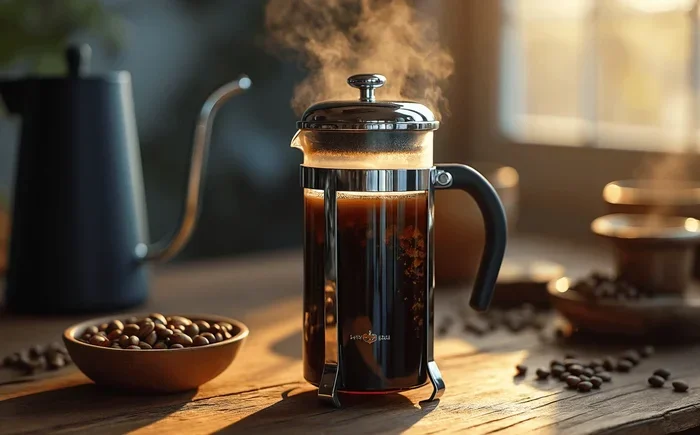
The French press is one of the easiest and most forgiving brewing methods. Add coarsely ground coffee to the press, pour in hot water, stir gently, and let it steep for about 4 minutes. Then press the plunger down slowly and pour your coffee. French press coffee is richer and fuller-bodied because the metal filter allows more oils to pass through. It is a great choice if you like a hearty, robust cup.
Drip Coffee Maker
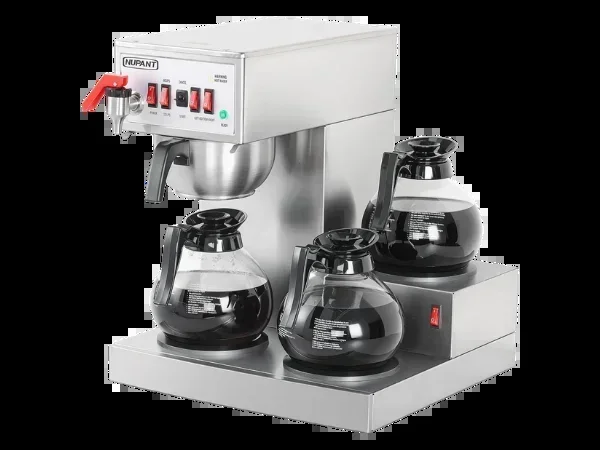
If you want convenience, a drip coffee maker is hard to beat. Add water to the reservoir, drop a filter in the basket, add your medium-ground coffee, and press start. The machine heats the water and drips it through the grounds automatically. Drip coffee makers are perfect for brewing multiple cups at once, making them ideal for families or busy mornings.
AeroPress Method
The AeroPress is a compact, versatile brewing tool that produces a smooth and clean cup. It uses air pressure to push water through the coffee grounds, resulting in a brew that is similar to espresso but lighter. The AeroPress is portable, easy to clean, and great for travel. It is also one of the fastest methods, taking only about 1 to 2 minutes from start to finish.
Expert Insight: Finding Your Signature Brew
Every coffee lover has their own preferred method, and that is perfectly fine. The best way to find your style is to try different methods and pay attention to how each one changes the flavor. Some people start with a drip machine for convenience and slowly work their way up to pour over or French press as they develop a deeper appreciation for the craft. There is no wrong answer here. The goal is to enjoy the process and drink coffee you love.
Step 5: Serve, Taste, and Perfect Your Cup
The final step is all about enjoying what you have created. Pour your freshly brewed coffee into a warm mug to keep it at the right temperature longer. Take a moment to smell the aroma before your first sip. The fragrance of fresh coffee is one of the simplest pleasures in life.
Customizing Your Coffee
Not everyone drinks their coffee black, and that is perfectly okay. Here are some popular ways to customize your cup:
- Milk or cream: Adds smoothness and mellows out bold flavors
- Sugar or sweetener: Balances bitterness and enhances sweetness
- Cinnamon or cocoa powder: Adds a warm, aromatic twist
- Vanilla extract: Gives a subtle, sweet flavor boost
- Oat milk or almond milk: Dairy-free alternatives that add creaminess
Experiment with different additions until you find your perfect combination. Some people prefer their coffee black to fully appreciate the origin flavors of the beans, while others enjoy a creamy, sweetened version. Both are completely valid.
How to Store Leftover Coffee
If you brewed more coffee than you can drink, store the leftovers in a thermal carafe rather than leaving them on the warmer. Coffee left on a hot plate for too long turns bitter and stale. A thermal carafe keeps coffee hot for hours without degrading the taste. Avoid putting brewed coffee in the refrigerator and reheating it later, as this changes the flavor significantly. It is always best to brew only what you will drink right away.
Common Mistakes to Avoid When Brewing Coffee
Even experienced coffee makers make mistakes from time to time. Here are some common errors that can ruin your cup, along with simple fixes:
- Using stale beans: Old beans lose their flavor and aroma. Always check the roast date and buy fresh beans regularly.
- Grinding too far in advance: Ground coffee starts to lose freshness within minutes. Grind right before you brew for the best results.
- Using boiling water: Water that is too hot burns the coffee grounds and creates a bitter taste. Let boiled water cool for 30 seconds before using.
- Ignoring the ratio: Too much coffee or too little water throws off the balance. Use a scale to get consistent results.
- Skipping the cleaning: Coffee oils build up in grinders and brewers over time, causing rancid flavors. Clean your equipment after every use.
Avoiding these mistakes alone can elevate your coffee from average to excellent. It is all about paying attention to the details.
Building the Perfect Morning Coffee Routine
Making fresh coffee at home is not just about the brew itself. It is about creating a ritual that sets the tone for your day. Many people find that their morning coffee routine becomes one of the most enjoyable parts of their day. Here are a few ideas to make your coffee time special:
- Prepare your beans and grinder the night before so your morning is smooth
- Play your favorite music or listen to a podcast while your coffee brews
- Pair your coffee with a simple breakfast like toast, fruit, or eggs cooked in the oven for a complete morning meal
- Take a few minutes to sit down and enjoy your coffee without rushing
- Try a new bean or brewing method once a week to keep things interesting
Building a routine around your coffee makes the whole experience more enjoyable. It turns a simple task into a moment of calm and creativity before the busyness of the day begins.
Conclusion
How to make fresh coffee at home does not have to be complicated. By following these five simple steps, you can brew a cup that is rich, flavorful, and tailored exactly to your taste. From selecting quality beans to mastering your grind size, water temperature, and brewing method, each step plays a vital role in the final result. The beauty of making coffee at home is that you are in complete control. You decide the strength, the flavor, and the style. So grab some fresh beans, fire up your grinder, and start brewing. Your perfect cup of coffee is waiting for you.
Remember, the best coffee is the one you enjoy drinking. Do not be afraid to experiment, adjust, and make the process your own. With a little practice and patience, you will be making café-quality coffee right in your own kitchen every single morning.
Frequently Asked Questions
What is the best way to make fresh coffee at home?
The best way depends on your personal taste and the equipment you have. Pour over and French press methods are popular choices for home brewing because they give you control over the process and produce rich, flavorful coffee. Start with fresh whole beans, grind them just before brewing, and use water between 195°F and 205°F for the best results.
How do I know if my coffee beans are fresh?
Check the roast date on the bag. Coffee beans are at their freshest within two to four weeks of roasting. Look for whole beans with a glossy appearance and a strong, pleasant aroma. If the beans look dull or smell flat, they are probably past their prime.
Can I use tap water to brew coffee?
You can, but filtered water is always better. Tap water often contains chlorine and minerals that can affect the taste of your coffee. Filtered water removes these impurities and lets the natural flavors of the beans come through more clearly.
How long should I brew coffee for?
Brewing time depends on your method. A French press takes about 4 minutes of steeping. Pour over coffee takes 3 to 4 minutes. A drip coffee maker runs its full cycle automatically, usually 5 to 8 minutes. AeroPress brewing takes just 1 to 2 minutes. Each method has its own ideal timing, so follow the guidelines for your specific brewer.
Why does my coffee taste bitter?
Bitter coffee is usually caused by over-extraction, which happens when the water is too hot, the grind is too fine, or the brewing time is too long. Try lowering the water temperature, using a coarser grind, or reducing the brew time. Fresh beans and clean equipment also help prevent bitterness.
Is it worth investing in a burr grinder for home brewing?
Yes, a burr grinder is one of the best investments you can make for home coffee brewing. It produces a consistent grind size, which is essential for even extraction and balanced flavor. Blade grinders chop the beans unevenly, leading to a mix of fine and coarse particles that can result in inconsistent taste.