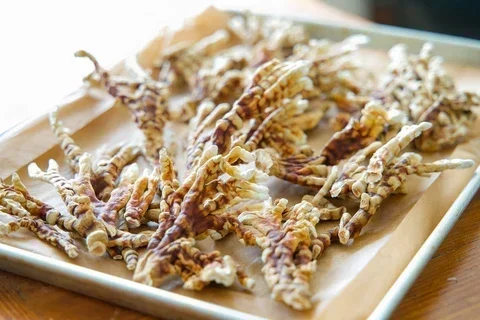
How To Dry Reishi Mushroom In Oven A Complete Guide
Drying reishi mushrooms in the oven is the fastest and most reliable method for preserving this powerful medicinal fungus at home. With the right temperature settings and a little patience, you can turn fresh reishi into perfectly dried slices or powder in just a few hours. This guide walks you through every step, from preparation to storage, so you can enjoy the benefits of dried reishi mushrooms all year round.
There is something deeply satisfying about turning a raw, earthy mushroom into a perfectly dried ingredient you can use for months. If you have ever grown or purchased fresh reishi mushrooms and wondered what to do with them, you are in the right place. Learning how to dry reishi mushroom in oven is one of the simplest and most effective preservation methods available.
Reishi mushrooms have been used in traditional medicine for thousands of years. People value them for their potential to support immunity, reduce stress, and promote overall wellness. But fresh reishi mushrooms are delicate and spoil quickly. Drying them locks in their beneficial properties and makes them easy to store, transport, and use in a variety of recipes and remedies. Whether you are a seasoned forager or a curious beginner, this guide will show you exactly how to dry reishi mushroom in oven at home with confidence.
The beauty of oven drying is that you do not need expensive equipment. Your kitchen oven can handle the job beautifully if you follow a few key principles. In this article, we will cover everything from preparing your mushrooms to storing the finished product. You will learn practical tips, avoid common pitfalls, and discover creative ways to use your dried reishi mushrooms. Let us get started.
Key Takeaways
- Oven drying is the most accessible method: You likely already own the equipment needed to dry reishi mushrooms at home.
- Low and slow is the golden rule: Keep your oven between 125°F and 150°F to preserve the beneficial compounds in reishi.
- Proper slicing matters: Thin, uniform slices dry evenly and reduce the risk of mold or uneven moisture.
- Storage determines shelf life: Airtight containers in a cool, dark place can keep dried reishi mushrooms fresh for up to a year.
- Dried reishi has many uses: From teas and tinctures to powders and soups, dried reishi mushroom opens up a world of applications.
- Avoid common mistakes: Too much heat, skipping the prep, and poor storage are the top pitfalls to watch out for.
📑 Table of Contents
- Understanding Reishi Mushrooms and Why People Dry Them
- Preparing Reishi Mushrooms for Oven Drying
- Step-by-Step Oven Drying Process
- How Long Does It Take to Dry Reishi in the Oven?
- Storing Your Dried Reishi Mushrooms Properly
- Best Uses for Dried Reishi Mushrooms
- Common Mistakes to Avoid When Drying Reishi in the Oven
- Expert Tips for Perfect Oven-Dried Reishi Every Time
- Frequently Asked Questions
- Conclusion
Understanding Reishi Mushrooms and Why People Dry Them
Before you turn on your oven, it helps to understand what makes reishi mushrooms special and why drying them is such a popular practice. Reishi, also known as Ganoderma lucidum, is a type of medicinal mushroom that grows in warm, humid climates across Asia. People have called it the “mushroom of immortality” in traditional Chinese medicine for centuries.
Fresh reishi mushrooms have a tough, woody texture and a bitter taste. You can not eat them raw the way you would eat a button mushroom. Instead, people typically extract their beneficial compounds through drying, simmering, or grinding into powder. Drying reishi mushrooms concentrates these compounds and makes them easier to work with.
Here are some reasons people dry reishi at home:
- Longer shelf life: Dried reishi can last for months or even years when stored properly.
- Convenience: Dried slices or powder are easy to add to teas, soups, and smoothies.
- Cost savings: Buying fresh reishi and drying it yourself is often cheaper than purchasing pre-dried products.
- Quality control: You know exactly where your mushrooms came from and how they were handled.
- Versatility: Dried reishi works in many recipes, from tinctures to broths to homemade supplements.
When you learn how to dry reishi mushroom in oven, you take control of the entire process. You decide the quality of the starting material, the drying method, and the final product. That sense of self-sufficiency is part of what makes this process so rewarding.
Preparing Reishi Mushrooms for Oven Drying
Proper preparation is the foundation of successful oven drying mushrooms. Skipping this step can lead to uneven drying, mold growth, or loss of beneficial compounds. The good news is that preparation is simple and does not require any special tools.
Cleaning the Mushrooms
Start by gently wiping your fresh reishi mushrooms with a damp cloth. Do not wash them under running water because reishi is porous and will absorb moisture. Extra moisture makes drying take much longer and increases the risk of mold. If you see any visible dirt or debris, carefully remove it with a soft brush or the edge of a damp towel.
Slicing the Mushrooms
Once your mushrooms are clean, it is time to slice them. Use a sharp knife and cut the mushrooms into thin, uniform pieces. Aim for slices that are about one-quarter inch thick. Consistent thickness ensures that all pieces dry at the same rate. If you are drying reishi mushroom slices for tea, thinner slices work even better because they release their flavors more easily.
Here are some slicing tips:
- Cut the mushroom into thin strips first, then slice those strips into small pieces.
- Use a mandoline slicer for ultra-thin, uniform slices if you have one.
- Keep the pieces roughly the same size to avoid some being over-dried while others remain damp.
- Do not make the slices too thin, or they may crumble during the drying process.
Optional: Blanching for Better Results
Some experienced growers recommend blanching reishi slices briefly before oven drying. Blanching involves dipping the slices in boiling water for 30 to 60 seconds, then immediately transferring them to ice water. This step can help preserve the color and reduce bitterness. However, blanching is optional, and many people skip it without any issues. If you are new to drying medicinal mushrooms, you can start without blanching and experiment later.
Step-by-Step Oven Drying Process
Now that your reishi mushrooms are prepared, it is time to dry them. The oven drying mushrooms process is straightforward, but paying attention to temperature and timing makes all the difference.
Setting the Right Temperature
The most important factor in oven drying mushrooms is temperature. Reishi mushrooms contain heat-sensitive compounds that provide many of their health benefits. Too much heat destroys these compounds and reduces the value of your dried product.
Set your oven to the lowest possible temperature setting. Ideally, this should be between 125°F and 150°F (52°C to 65°C). Most home ovens can go as low as 170°F, which still works but may require closer monitoring. If your oven does not go below 170°F, you can prop the door open slightly with a wooden spoon to allow moisture to escape and keep the temperature lower.
Here is a quick reference for oven temperature settings:
- 125°F to 150°F: Ideal range for preserving beneficial compounds.
- 170°F: Works well but requires more frequent monitoring.
- Above 200°F: Too hot. Avoid this range because it can degrade the quality of the reishi.
Arranging the Mushrooms on the Baking Sheet
Line a baking sheet with parchment paper or a silicone mat. Spread the reishi slices in a single layer, making sure they do not overlap. Overlapping creates pockets of moisture that can lead to uneven drying or mold. If you have a lot of mushrooms, use multiple baking sheets and rotate them during the drying process.
Place the baking sheet on the middle rack of your oven. Airflow in the center of the oven is the most consistent, which helps the mushrooms dry evenly.
Drying Time and Checking Progress
The drying time for reishi mushroom dehydration in an oven typically ranges from two to four hours. However, several factors influence how long it takes:
- Thickness of the slices: Thicker pieces take longer to dry.
- Moisture content of the fresh mushrooms: Wetter mushrooms need more time.
- Oven temperature: Lower temperatures take longer but preserve more nutrients.
- Humidity in your kitchen: Drier environments speed up the process.
Check the mushrooms every 30 minutes after the first two hours. The slices are done when they feel completely dry and snap easily when bent. They should not be flexible or leathery. If a piece still feels slightly soft, give it more time. Remember that drying time for reishi can vary, so trust your senses rather than the clock alone.
How Long Does It Take to Dry Reishi in the Oven?
One of the most common questions people ask is, “How long does it take to dry reishi in the oven?” The answer depends on several factors, but most people find that two to four hours is the sweet spot. Here is a more detailed breakdown:
- First hour: The mushrooms release a lot of moisture. You may notice the slices curling slightly.
- Second hour: The pieces begin to feel firmer and lighter in weight.
- Third hour: Most slices are close to done at this point. Check for any remaining moisture.
- Fourth hour and beyond: Only needed for thicker slices or higher-humidity environments.
If you are drying a large batch, consider using a fan to improve airflow around the oven. Better air circulation speeds up the process and promotes more even drying. This is especially helpful if you are trying to dehydrating reishi mushrooms for a big batch of reishi mushroom powder.
Keep in mind that over-drying is also a risk. Mushrooms that are dried too long become brittle and may lose some of their flavor and potency. The goal is a dry, crispy texture that still retains the natural color of the reishi.
Storing Your Dried Reishi Mushrooms Properly
Once your mushrooms are fully dried, proper storage is essential to maintain their quality. Even perfectly dried reishi mushrooms can lose their potency if stored incorrectly.
Here are the best practices for storing dried reishi:
- Airtight containers: Glass jars with tight-fitting lids work great. Mason jars are an affordable and readily available option.
- Cool, dark place: Store the containers away from direct sunlight and heat sources. A pantry or cupboard is ideal.
- Desiccant packets: Adding a small silica gel packet to the container helps absorb any remaining moisture and prevents mold.
- Label and date: Always label your containers with the date of drying. Dried reishi mushrooms typically last six months to a year when stored properly.
- Avoid the fridge: Refrigerators introduce moisture every time you open the door, which can rehydrate your dried mushrooms.
For longer-term storage, consider vacuum-sealing your dried reishi. Vacuum-sealed bags remove air and moisture, which can extend the shelf life to two years or more. This method works especially well if you dry a large quantity at once and want to enjoy your harvest throughout the year.
Best Uses for Dried Reishi Mushrooms
Now that you know how to dry reishi mushroom in oven, you might wonder what to do with all those beautiful dried slices. The possibilities are surprisingly wide-ranging. Here are some of the most popular and practical uses for your dried reishi mushrooms.
Reishi Tea
Reishi tea is one of the most traditional ways to consume dried reishi. Simply simmer a few dried slices in water for 30 to 60 minutes. The longer you simmer, the more beneficial compounds release into the water. You can add honey or lemon to improve the taste, as pure reishi tea has a naturally bitter flavor.
Reishi Mushroom Powder
Grinding dried reishi into powder is incredibly versatile. You can use a coffee grinder or high-speed blender to create fine reishi mushroom powder. Add the powder to smoothies, coffee, soups, or even baked goods. Powder form makes it easy to control your dosage and incorporate reishi into your daily routine.
Tinctures and Extracts
Many people use dried reishi to make alcohol-based tinctures or dual extracts. These concentrated forms capture the water-soluble and alcohol-soluble compounds found in reishi mushrooms. Tinctures offer a convenient way to get the benefits of reishi without the taste of the mushroom itself.
Soups and Broths
Dried reishi slices add depth and nutrition to soups and broths. Toss a few slices into your next bone broth or vegetable soup and let them simmer for an hour or more. The reishi will soften and release its earthy, slightly bitter flavor into the liquid.
Capsules and Supplements
If you prefer a no-fuss approach, you can fill empty gelatin capsules with your homemade reishi mushroom powder. This gives you a precise, tasteless way to consume reishi daily. Many people who grow their own mushrooms enjoy making their own supplements as a cost-effective alternative to store-bought options.
Common Mistakes to Avoid When Drying Reishi in the Oven
Even experienced home growers make mistakes when they first start drying reishi mushrooms. Learning from others’ errors can save you time, frustration, and wasted mushrooms. Here are the most common pitfalls to watch out for.
Using too high a temperature: This is the number one mistake people make. High heat may speed up the drying process, but it destroys the delicate compounds that make reishi valuable. Always use low heat and be patient.
Skipping the prep work: Some people toss whole mushrooms into the oven without cleaning or slicing them. This leads to uneven drying and a much longer process. Taking the time to clean and slice your mushrooms properly pays off in the end.
Overcrowding the baking sheet: Overlapping slices trap moisture and create pockets where mold can grow. Always spread the mushrooms in a single layer with space between each piece.
Not checking for doneness: Every oven is different, so relying solely on a timer is risky. Check the mushrooms regularly and test them by bending a piece. It should snap cleanly when fully dried.
Storing while still damp: If the mushrooms are not completely dry before storage, they will mold. Make sure every piece is fully dry before you put them away.
Ignoring humidity levels: If you live in a humid climate, your drying time will be longer than someone living in a dry environment. Adjust your expectations and monitor the mushrooms more frequently during humid weather.
Expert Tips for Perfect Oven-Dried Reishi Every Time
After years of experimenting with mushroom drying techniques, here are some expert-level tips that can elevate your results from good to excellent.
Use a dehydrator as a backup: If your oven cannot maintain a low enough temperature, consider using a food dehydrator. Dehydrators are designed for this exact purpose and offer more precise temperature control. They also use less energy than running your oven for several hours.
Rotate your trays: If you are using multiple baking sheets, rotate them from top to bottom every hour. This compensates for hot spots in most ovens and ensures even drying across all batches.
Save the stems: Do not throw away the stems of your reishi mushrooms. They dry just as well as the caps and contain many of the same beneficial compounds. Slice the stems thinly and include them in your drying batch.
Test for moisture content: A simple trick is to place a dried slice in a sealed bag with a small packet of rice. If the rice becomes damp after 24 hours, your mushrooms still contain moisture and need more drying time.
Keep notes: Every batch is slightly different depending on the moisture content of the fresh mushrooms and your oven’s performance. Keeping a simple log of drying times, temperatures, and results helps you refine your process over time.
Consider air drying as an alternative: While this guide focuses on how to dry reishi mushroom in oven, air drying is another option. Air drying takes longer (usually five to seven days) but requires no electricity. It works best in warm, dry climates with good air circulation.
Frequently Asked Questions
Can I dry reishi mushrooms in a regular home oven?
Yes, absolutely. A regular home oven works perfectly for drying reishi mushrooms as long as you can set it to a low temperature. Most ovens can maintain temperatures between 150°F and 170°F, which is suitable for this purpose. If your oven does not go below 170°F, simply prop the door open with a wooden spoon to release moisture and keep the temperature lower. The key is patience and consistent monitoring.
How do I know when my reishi mushrooms are fully dried?
Fully dried reishi mushrooms should feel completely hard and snap cleanly when you bend them. They should not be flexible, leathery, or soft in the center. The color will also lighten slightly as moisture leaves the mushroom. When in doubt, let them dry for an extra 30 minutes. It is much better to over-dry slightly than to store them while still damp.
Can I use dried reishi mushrooms to make tea?
Yes, dried reishi mushrooms are perfect for making tea. Simply add a few dried slices to boiling water and let them simmer for 30 to 60 minutes. The longer you simmer, the more beneficial compounds release into the tea. You can also reuse the same slices two or three times by adding fresh water each time. The flavor is earthy and slightly bitter, so many people add honey or lemon to improve the taste.
How long do dried reishi mushrooms last?
When stored properly in airtight containers in a cool, dark place, dried reishi mushrooms can last anywhere from six months to one year. If you vacuum-seal them, they can last even longer, up to two years. The key is keeping moisture out. Always make sure the mushrooms are completely dry before storing, and check them periodically for any signs of moisture or mold.
Is it better to dry reishi in an oven or a dehydrator?
Both methods work well, but they have different advantages. Ovens are more accessible since most people already own one, and they can dry mushrooms relatively quickly. Dehydrators offer more precise temperature control and use less energy, making them ideal for frequent drying projects. If you plan to dry mushrooms regularly, a dehydrator is a worthwhile investment. For occasional use, your oven handles the job perfectly.
Can I grind dried reishi mushrooms into powder?
Absolutely. Once your reishi mushrooms are fully dried, you can grind them into a fine powder using a coffee grinder, spice grinder, or high-speed blender. Reishi mushroom powder is incredibly versatile and can be added to smoothies, soups, capsules, or even baked goods. Store the powder in an airtight container away from heat and light to preserve its potency for several months.
Conclusion
Learning how to dry reishi mushroom in oven is a simple yet rewarding skill that opens the door to a world of natural wellness. From preparation to storage, every step is manageable and does not require specialized equipment or advanced knowledge. You now have all the tools you need to turn fresh reishi mushrooms into a pantry staple that serves you for months to come.
Remember the key principles: keep the temperature low, slice the mushrooms uniformly, check for doneness regularly, and store your finished product in airtight containers. Avoid the common mistakes we covered, and feel free to experiment with different uses for your dried reishi. Whether you make tea, powder, tinctures, or add them to your favorite recipes, the results are deeply satisfying.
The process of drying reishi mushrooms connects you to an ancient tradition of herbal wellness while giving you full control over the quality of what you consume. It is a small investment of time that pays dividends in health, savings, and self-reliance. So the next time you have fresh reishi mushrooms on hand, do not let them go to waste. Fire up your oven and start drying. Your future self will thank you every time you brew a cup of homemade reishi tea or add a spoonful of your own powder to a morning smoothie.