How To Cook Bruces Yams In Oven For Perfect Results
Learning how to cook Bruces Yams in the oven is easier than you think. With the right temperature, timing, and a few simple seasonings, you can achieve perfectly soft, caramelized yams every single time. This guide walks you through every step from prep to plating. Whether you are a beginner or a seasoned cook, these tips will elevate your yam game. Get ready to enjoy oven-baked yams that taste amazing.
There is something truly special about pulling a tray of oven-baked yams out of the oven. The kitchen fills with a warm, sweet aroma that makes everyone hungry. If you have been wondering how to cook Bruces Yams in the oven the right way, you are in the right place. This guide covers everything you need to know to get perfect results every time.
Bruces Yams are a popular choice for home cooks because they are versatile, nutritious, and incredibly delicious when baked properly. Unlike boiling or microwaving, using the oven brings out the natural sugars in yams. This creates a caramelized exterior and a fluffy, tender inside that is hard to beat. Whether you are cooking for a family dinner or a holiday feast, oven-baked yams always impress.
The beauty of this method is its simplicity. You do not need fancy equipment or complicated techniques. A few basic ingredients, a hot oven, and a little patience are all it takes. By the end of this article, you will feel confident enough to make oven-baked yams whenever the craving strikes. Let us dive into the details and get your yams cooking perfectly.
Key Takeaways
- Choose firm, unblemished Bruces Yams for the best oven-baked results and even cooking throughout.
- Bake at 400°F for 45 to 60 minutes depending on the size of your yams for a perfectly tender interior.
- Wrap yams in foil to trap moisture and create a soft, steamy texture inside.
- Season generously with butter, cinnamon, brown sugar, or savory herbs to enhance natural sweetness.
- Avoid common mistakes like skipping the fork poke test or cutting yams too small before baking.
- Store leftovers properly in the fridge for up to five days and reheat for best flavor.
- Pairs well with many dishes including roasted meats, steamed vegetables, and fresh salads.
📑 Table of Contents
- Why Oven-Baked Bruces Yams Are a Game-Changer
- Preparing Your Bruces Yams for the Oven
- The Best Oven Temperature and Time for Perfect Yams
- Seasoning and Flavor Variations for Oven-Baked Yams
- Common Mistakes to Avoid When Baking Yams
- Serving Suggestions and Pairings for Oven-Baked Yams
- Expert Tips for the Best Oven-Baked Yams
- Conclusion
Why Oven-Baked Bruces Yams Are a Game-Changer
When it comes to preparing yams, the oven method stands out from all other cooking techniques. It is simple, hands-off, and produces consistently excellent results. Many people prefer oven-baked yams because the slow, dry heat transforms the starch inside into natural sugars. This gives the yams a sweetness that is hard to achieve with other methods.
The Health Benefits of Yams
Yams are packed with nutrients that support overall health. They are a great source of fiber, vitamin C, potassium, and manganese. Unlike regular potatoes, yams have a lower glycemic index, which means they do not spike blood sugar as quickly. This makes them a smart choice for people watching their glucose levels.
Baking yams in the oven helps retain most of their nutrients. Boiling can leach water-soluble vitamins into the cooking water. But when you use the oven method, the yam stays whole and keeps its nutritional value intact. Adding a small amount of healthy fat like olive oil or butter helps your body absorb the fat-soluble vitamins found in yams.
Why the Oven Method Wins
The oven method gives you a hands-off cooking experience. Once your yams are prepped and in the oven, you can focus on other parts of your meal. There is no need to stir or monitor constantly. The oven does all the work for you.
Another advantage is the texture. Oven-baked yams develop a slightly crispy skin on the outside while staying soft and creamy inside. This contrast in texture is something you simply cannot get from boiling or steaming. The caramelization process also adds a depth of flavor that makes every bite enjoyable.
Preparing Your Bruces Yams for the Oven
Proper preparation is the foundation of great oven-baked yams. Taking a few extra minutes at this stage will make a big difference in the final result. Follow these steps to get your yams ready for the oven.
Selecting the Best Yams
When shopping for Bruces Yams, look for ones that feel firm and heavy for their size. Avoid any yams with soft spots, cracks, or wrinkled skin. Fresh yams with smooth, unblemished skin will cook more evenly and taste better. Choose yams that are roughly similar in size so they cook at the same rate.
If you can find Bruces Yams that are medium-sized, around six to eight inches long, they are ideal for oven baking. Very large yams may need extra time, while very small ones can dry out quickly. The goal is to find yams that are uniform in size for the most consistent results.
Washing and Prepping Steps
Start by rinsing each yam under cool running water. Use a vegetable brush to gently scrub away any dirt from the skin. You do not need to peel the yams before baking. The skin actually helps hold the yam together during cooking and adds a nice texture when eaten.
Next, pat the yams dry with a clean towel. Use a fork to poke several holes into each yam. This step is very important because it allows steam to escape during baking. Without these holes, the yams can burst open in the oven, making a mess and wasting your hard work.
Some people like to rub a thin layer of olive oil or melted butter on the skin at this stage. This helps the skin crisp up slightly and adds flavor. Keep the yams whole for the best results. Cutting them too early can cause them to dry out before they are fully cooked inside.
The Best Oven Temperature and Time for Perfect Yams
Getting the temperature and timing right is the key to perfectly baked Bruces Yams. Too low and they will take forever. Too high and the outside will burn before the inside is soft. Here is exactly what you need to know.
Temperature Settings Explained
The ideal oven temperature for baking yams is 400 degrees Fahrenheit. This high heat helps the natural sugars in the yam caramelize on the outside. At the same time, the heat penetrates slowly to cook the inside evenly. The result is a yam with a slightly crispy skin and a fluffy, sweet interior.
If you prefer a softer skin and a more uniform texture, you can lower the temperature to 375 degrees Fahrenheit. This will add about ten to fifteen minutes to the cooking time. Some cooks also like to start at 400 degrees and then reduce to 375 halfway through for the best of both worlds.
Timing Based on Yam Size
Cooking time depends largely on the size of your Bruces Yams. Here is a general guide to help you plan:
- Small yams (under five inches): 35 to 45 minutes at 400 degrees Fahrenheit.
- Medium yams (five to eight inches): 45 to 55 minutes at 400 degrees Fahrenheit.
- Large yams (over eight inches): 55 to 70 minutes at 400 degrees Fahrenheit.
The best way to check if your yams are done is to insert a fork or knife into the thickest part. It should slide in with very little resistance. If the fork meets firm resistance, give the yam a few more minutes. When the yam feels completely soft throughout, it is ready to come out of the oven.
Seasoning and Flavor Variations for Oven-Baked Yams
One of the best things about oven-baked yams is how easy they are to customize. You can keep it simple or get creative with flavors. The natural sweetness of Bruces Yams pairs wonderfully with both sweet and savory seasonings.
Classic Savory Options
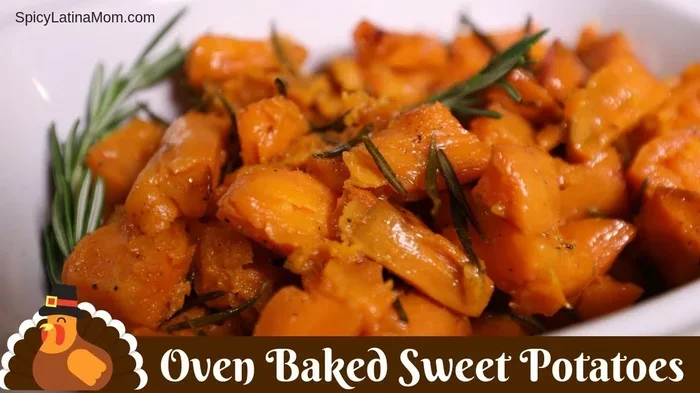
For a simple savory yam, rub the skin with olive oil and sprinkle with sea salt and black pepper before baking. After the yams come out of the oven, split them open and add a pat of butter. A sprinkle of fresh herbs like rosemary or thyme adds a lovely earthy flavor that complements the natural sweetness.
Another popular savory option is to top baked yams with a dollop of sour cream and chopped chives. This gives the yam a creamy, tangy contrast that many people love. Some cooks also enjoy adding a drizzle of hot sauce or a sprinkle of smoked paprika for a little kick.
Sweet and Dessert-Style Flavors
If you have a sweet tooth, oven-baked yams are a perfect canvas for dessert-style toppings. After baking, split the yams open and add a generous knob of butter. Drizzle with brown sugar or maple syrup and sprinkle with cinnamon and a pinch of nutmeg.
For an extra indulgent treat, add a small marshmallow on top during the last five minutes of baking. The marshmallow will melt and turn golden brown, creating a delicious contrast with the warm, soft yam underneath. Some people also enjoy adding a splash of vanilla extract or a drizzle of honey for added sweetness.
Another favorite combination is coconut oil, a sprinkle of cinnamon, and a handful of chopped pecans. This gives the yam a tropical twist that is absolutely delicious. Feel free to experiment with different flavor combinations until you find your personal favorite.
Common Mistakes to Avoid When Baking Yams
Even though baking yams is straightforward, there are a few common mistakes that can ruin the results. Knowing what to avoid will save you time and frustration.
Overcooking and Undercooking
Overcooking is one of the most common mistakes people make with oven-baked yams. When yams cook too long, they become mushy and lose their shape. The sugars can also burn, giving them a bitter taste. To avoid this, set a timer and check the yams a few minutes before the expected finish time.
Undercooking is the opposite problem. An undercooked yam will be hard and starchy in the center. This usually happens when the yams are too large or the oven temperature is too low. Always use the fork test to check for doneness. If the fork does not slide in easily, give the yam more time.
Skipping the Foil Step
Some recipes call for wrapping yams in aluminum foil before baking. This is a debated topic among cooks. Foil traps moisture and creates a steaming effect that makes the yam very soft inside. It also helps the skin stay tender rather than becoming too crispy.
However, if you prefer a crispier skin, skip the foil and place the yams directly on the oven rack or baking sheet. The trade-off is that the yam may cook slightly faster without the foil, so keep an eye on it. Both methods produce delicious results, so choose based on your personal preference.
Cutting Yams Too Small
Another mistake is cutting the yams into pieces before baking. While this works for some root vegetables, it is not ideal for yams. Cutting them too small causes them to dry out before the inside is fully cooked. Keeping the yams whole ensures even cooking and retains moisture throughout the baking process.
Serving Suggestions and Pairings for Oven-Baked Yams
Oven-baked Bruces Yams pair beautifully with a wide variety of dishes. Their natural sweetness and creamy texture make them a versatile side dish that complements many main courses.
Side Dishes That Complement Yams
For a classic comfort meal, serve baked yams alongside roasted chicken or grilled steak. The sweetness of the yam balances the savory flavors of the meat perfectly. A simple green salad with a light vinaigrette also makes an excellent pairing. The freshness of the salad cuts through the richness of the yam.
During the holiday season, baked yams are a staple on many tables. They pair wonderfully with turkey, ham, and roasted vegetables. You can also serve them alongside steamed broccoli or green beans for a colorful and nutritious plate. For a Southern-style meal, try serving yams with collard greens and cornbread.
Storing and Reheating Leftovers
If you have leftover yams, do not worry. They store well and taste great when reheated. Let the yams cool completely before storing them in an airtight container. Place them in the refrigerator, where they will keep for up to five days.
To reheat, wrap the yam in foil and place it in the oven at 350 degrees Fahrenheit for about ten to fifteen minutes. You can also microwave a yam for two to three minutes, but the oven method gives better texture. Avoid reheating yams more than once, as this can affect both safety and quality.
Expert Tips for the Best Oven-Baked Yams
Here are some pro tips from experienced cooks that will take your oven-baked yams to the next level. These small tweaks can make a big difference in flavor and texture.
First, always let your yams come to room temperature before placing them in the oven. Cold yams straight from the fridge will take longer to cook and may cook unevenly. Taking them out about thirty minutes before baking helps them cook more consistently.
Second, rotate the baking tray halfway through cooking. Ovens often have hot spots that can cause uneven browning. A simple turn of the tray ensures all sides of the yam get equal exposure to heat. This small step takes just a few seconds but makes a noticeable difference.
Third, do not skip the resting time after baking. Let the yams sit for five to ten minutes after coming out of the oven. This allows the interior to set slightly and makes them easier to handle. It also gives the flavors time to develop and settle.
Finally, experiment with different toppings and seasonings each time you bake. Part of the joy of cooking yams is finding your perfect flavor combination. Keep notes on what you like best so you can recreate your favorite version every time.
Conclusion
Learning how to cook Bruces Yams in the oven is one of the simplest and most rewarding cooking skills you can develop. With the right temperature, proper preparation, and a little creativity with seasonings, you can enjoy perfectly baked yams any night of the week. The oven method brings out the best in every yam, creating a sweet, tender, and satisfying dish that the whole family will love.
Remember to select firm, high-quality yams, prep them with care, and follow the temperature and timing guidelines in this article. Avoid the common mistakes that can ruin your results, and do not be afraid to experiment with different flavors and pairings. Whether you keep it simple with just butter and salt or go all out with cinnamon and brown sugar, oven-baked yams never disappoint.
So the next time you are looking for an easy, healthy, and delicious side dish, give oven-baked Bruces Yams a try. Your taste buds will thank you. Happy cooking.
Frequently Asked Questions
Can I bake Bruces Yams without foil?
Yes, you absolutely can. Skipping the foil will give you a crispier skin on the outside. The yam may cook slightly faster, so check it a few minutes earlier than the recommended time. Both methods produce delicious results, so choose whichever you prefer.
How do I know if my yam is fully cooked?
The easiest way is the fork test. Insert a fork into the thickest part of the yam. If it slides in smoothly with no resistance, the yam is done. If you feel firmness, give it a few more minutes. A fully cooked yam should feel soft and creamy all the way through.
Can I freeze leftover baked yams?
Yes, you can freeze baked yams for up to three months. Let them cool completely, wrap each one tightly in plastic wrap or foil, and place them in a freezer-safe bag. To reheat, unwrap and bake at 350 degrees Fahrenheit for about fifteen to twenty minutes until heated through.
What is the difference between yams and sweet potatoes?
Many people use the terms yam and sweet potato interchangeably, but they are actually different vegetables. True yams have rough, bark-like skin and starchy, dry flesh. Sweet potatoes have smooth skin and a moist, sweet texture. Most Bruces Yams sold in stores are actually soft-flesh sweet potatoes labeled as yams.
Can I add oil before baking Bruces Yams?
Yes, adding a thin layer of olive oil or melted butter to the skin helps it crisp up and adds flavor. Use just a small amount, about a teaspoon per yam. Too much oil can make the skin greasy. Rub the oil on lightly and evenly before baking.
How long do baked yams last in the refrigerator?
Properly stored baked yams last up to five days in the refrigerator. Let them cool completely before placing them in an airtight container. Reheat using the oven for the best texture. Avoid storing yams at room temperature for more than two hours to maintain food safety.