Learn How To Build Pizza Oven Fireplace Step By Step
Building a pizza oven fireplace at home is easier than you think. This step-by-step guide walks you through every stage of the pizza oven fireplace build, from planning and materials to firing up your first pizza. Whether you are a beginner or a seasoned DIYer, you will find practical tips and clear instructions to create a stunning backyard pizza oven fireplace that delivers authentic wood-fired flavor.
There is something magical about pulling a perfectly bubbly pizza out of your own pizza oven fireplace. The smell of wood smoke, the crispy crust, and the warm glow of the fire all come together to create an experience no regular kitchen oven can match. If you have ever dreamed of having a backyard pizza oven fireplace in your outdoor space, this guide is for you.
We will walk you through every single step of the pizza oven fireplace build process. From choosing the right spot in your yard to lighting your first fire, you will find everything you need here. Whether you want a simple DIY pizza oven or a more elaborate outdoor kitchen setup, this guide breaks it all down into easy-to-follow steps.
Let us be honest. Building a wood-fired pizza oven might sound intimidating at first. But when you see the finished result and taste that first homemade pizza oven fireplace pizza, you will know every hour was worth it. So grab a notebook, roll up your sleeves, and let us get started on your pizza oven fireplace project.
Key Takeaways
- A pizza oven fireplace adds value: It creates an outdoor cooking centerpiece that elevates your backyard experience.
- Planning matters most: Choosing the right location and design saves time and money during construction.
- Quality materials are essential: Firebrick, refractory cement, and proper insulation ensure your pizza oven fireplace lasts for years.
- Step-by-step building is manageable: You do not need professional skills to complete a DIY pizza oven fireplace project.
- Avoid common mistakes: Skipping insulation, ignoring the chimney, and choosing the wrong base cause problems down the road.
- Maintenance keeps it running: Regular cleaning and seasonal care protect your outdoor pizza oven fireplace investment.
📑 Table of Contents
- What Is a Pizza Oven Fireplace?
- Planning Your Pizza Oven Fireplace Build
- Materials and Tools You Will Need
- Step-by-Step Pizza Oven Fireplace Construction
- Common Mistakes to Avoid When Building a Pizza Oven Fireplace
- Expert Tips for the Perfect Pizza Oven Fireplace
- Key Takeaways
- Frequently Asked Questions
- Conclusion
What Is a Pizza Oven Fireplace?
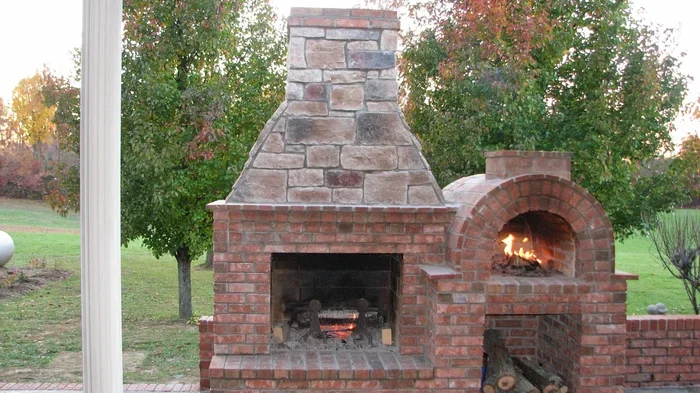
A pizza oven fireplace is a specialized outdoor oven designed to cook pizza and other foods using wood fire. Unlike a regular fireplace that focuses on heating a room, a pizza oven fireplace is built for cooking. It uses a dome-shaped design that reflects heat evenly onto the cooking surface.
The concept of outdoor pizza oven cooking goes back thousands of years. Ancient cultures built stone ovens to bake bread and cook meals over open flames. Today, a modern pizza oven fireplace combines those ancient principles with better materials and smarter design. The result is a cooking appliance that reaches temperatures of 800 degrees Fahrenheit or higher.
There are several types of pizza oven fireplace designs you can choose from:
- Brick pizza oven fireplace: Built from individual bricks and mortar. Offers classic charm and excellent heat retention.
- Cement pizza oven fireplace: Uses reinforced concrete for a durable and affordable base structure.
- Modular pizza oven fireplace kit: Pre-made sections that snap together for easier pizza oven construction.
- Portable outdoor pizza oven fireplace: Smaller units you can move around your patio or backyard.
Each type has its advantages. The key is choosing the one that fits your space, budget, and cooking goals. A well-built pizza oven fireplace becomes the centerpiece of any outdoor kitchen and a gathering spot for family and friends.
Planning Your Pizza Oven Fireplace Build
Before you buy a single brick, proper planning makes or breaks your pizza oven fireplace project. Taking time to plan saves money, prevents mistakes, and ensures your build goes smoothly from start to finish.
Choosing the Right Location
The location of your pizza oven fireplace matters more than most people realize. You want a spot that is:
- Away from structures: Keep your outdoor pizza oven at least 10 feet from your house, fences, and trees.
- On level ground: A flat surface ensures stability and even heat distribution across your pizza oven fireplace base.
- Downwind from seating areas: Position the wood-fired pizza oven so smoke blows away from where people sit and eat.
- Close to a workspace: Having your pizza oven fireplace near your kitchen makes moving ingredients and tools easier.
Think about how you will use the pizza oven fireplace during different seasons. A location with some natural wind protection helps maintain consistent temperatures during pizza oven fireplace cooking sessions in cooler months.
Design Considerations for Your Pizza Oven Fireplace
Your pizza oven fireplace design should match your cooking style and available space. Consider these factors when planning:
- Oven size: A 42-inch diameter dome works well for most families. It fits multiple pizzas at once.
- Fireplace opening width: The opening should be about 60 percent of the dome diameter for optimal airflow.
- Chimney height: A chimney that extends at least 3 feet above the dome improves draft and smoke control.
- Base height: A cooking surface height of about 42 inches keeps pizza making comfortable without bending over.
Sketch your pizza oven fireplace design on paper before you start. Include measurements for the base, dome, chimney, and opening. This simple step prevents costly changes later in the build process.
Materials and Tools You Will Need
Gathering all your materials before you start building a pizza oven fireplace keeps the process moving without delays. Here is a comprehensive list of what you need.
Essential Materials for Pizza Oven Fireplace Construction
Your pizza oven fireplace requires specific materials that can handle extreme heat. Regular bricks and standard mortar will crack and crumble under high temperatures. Use these heat-rated materials instead:
- Firebrick: These refractory bricks line the inside of your pizza oven fireplace and withstand temperatures above 1,000 degrees Fahrenheit.
- Refractory cement: This special mortar bonds firebrick together and handles thermal expansion without cracking.
- Insulation material: Ceramic fiber blanket or vermiculite mix insulates the dome and retains heat for better cooking.
- Portland cement and sand: Used for the base and foundation of your pizza oven fireplace structure.
- Steel lintel or bar: Supports the opening of your pizza oven fireplace and prevents cracking.
- Stainless steel chimney pipe: Creates proper ventilation for your outdoor pizza oven fireplace setup.
- Dome form or template: Helps shape the curved interior of your pizza oven fireplace during construction.
- Door and damper: Controls airflow into your pizza oven fireplace for better temperature management.
Tools Required for the Build
You do not need every fancy tool on the market. Here are the essentials for building your pizza oven fireplace:
- Trowel and pointing trowel
- Level and measuring tape
- Wheelbarrow for mixing mortar
- Hawk and bucket
- Angle grinder with masonry blade
- Wire brush for cleaning firebrick
- Safety glasses and gloves
- String line and stakes for layout
Having all your tools ready before day one of your pizza oven fireplace build keeps frustration to a minimum and momentum high.
Step-by-Step Pizza Oven Fireplace Construction
Now comes the exciting part. This section covers the actual pizza oven fireplace build process in detail. Follow each step carefully for the best results.
Step 1: Build the Foundation and Base
Every great pizza oven fireplace starts with a solid foundation. Pour a concrete slab that measures at least 5 feet by 5 feet and 4 inches thick. Let it cure for at least 48 hours before proceeding.
Once the slab is set, build the base of your pizza oven fireplace using cinder blocks or poured concrete walls. The base should be sturdy enough to support the weight of firebrick, insulation, and the dome. Aim for a height that brings the cooking surface to waist level, typically around 42 inches from the ground.
Inside the base, create a small firebox opening where you will place your wood. This area should be about 18 inches wide and 12 inches deep. The firebox is where the pizza oven fireplace fire actually burns before heat radiates into the dome.
Step 2: Install the Archway and Opening
The opening of your pizza oven fireplace is where you slide pizzas in and out. Build an arch using firebrick and refractory cement. Use a steel lintel underneath for added support.
The arch should be about 30 inches wide and 16 inches tall. This size works well for standard-sized pizzas and allows good heat circulation inside the dome. Make sure the opening is perfectly level on both sides for smooth pizza sliding.
Step 3: Construct the Dome
The dome is the heart of your pizza oven fireplace. It reflects heat evenly across the cooking surface and creates the signature wood-fired flavor. Start by building a temporary form using sand or a foam dome shape.
Layer firebrick around the form using refractory cement. Start at the bottom and work your way up, overlapping the bricks like scales on a fish. This overlapping pattern creates strength and prevents heat from escaping through the joints.
Once the dome is complete, let the refractory cement cure for at least 72 hours. Then carefully remove the temporary form from inside the pizza oven fireplace. Your dome should now be a hollow, heat-resistant shell ready for insulation.
Step 4: Add Insulation Layer
Do not skip this step. Insulation keeps your pizza oven fireplace hot for hours and dramatically improves cooking performance. Apply a 2-inch layer of ceramic fiber blanket over the entire dome.
Next, add a 3-inch layer of vermiculite cement mix over the fiber blanket. This outer insulation layer protects the dome from weather and locks in heat. The combined insulation system allows your pizza oven fireplace to reach cooking temperatures faster and hold them longer.
Step 5: Install the Chimney
A proper chimney is essential for any pizza oven fireplace. It creates the draft that pulls smoke out and feeds oxygen to the fire. Install a stainless steel chimney pipe through the top of the dome.
The chimney should extend at least 3 feet above the dome. Position it slightly off-center toward the back of the oven. This placement creates a circular airflow pattern inside the dome that distributes heat evenly across the cooking surface.
Step 6: Apply the Finish and Curing Process
Once your pizza oven fireplace is assembled, apply a final layer of exterior finish. Stucco, natural stone veneer, or even decorative tile all work well. This layer protects the insulation and gives your outdoor pizza oven fireplace a polished look.
Now comes the curing process, which is critical for a long-lasting pizza oven fireplace. Start with a small fire and gradually increase the size over five days. This slow process drives out all remaining moisture from the cement and insulation materials.
After curing, your pizza oven fireplace is ready for its first cooking session. Light a small fire and let the dome heat up to 800 degrees Fahrenheit before sliding your first pizza inside.
Common Mistakes to Avoid When Building a Pizza Oven Fireplace
Even the best DIY builders make mistakes. Knowing what to avoid saves time, money, and frustration during your pizza oven fireplace project.
Skipping Insulation
The most common mistake is building a pizza oven fireplace without proper insulation. Without insulation, your oven loses heat too quickly. Pizzas take longer to cook, and you waste fuel. Always use both ceramic fiber blanket and vermiculite cement for the best results.
Using Regular Bricks Instead of Firebrick
Standard bricks crack and crumble when exposed to the extreme heat inside a pizza oven fireplace. Always use proper firebrick rated for high temperatures. This single material choice determines the lifespan of your entire build.
Building the Base Too Short
Many beginners make the base of their pizza oven fireplace too small. The base needs to support the full weight of the dome, insulation, and finishing materials. A base that is too narrow leads to cracking and structural failure over time.
Ignoring the Chimney Draft
A poor chimney setup causes smoke to billow into your face instead of rising away from the pizza oven fireplace. Make sure your chimney is tall enough and positioned correctly. Test the draft before you start cooking regularly.
Rushing the Curing Process
Patience is essential for a pizza oven fireplace that lasts. Skipping or rushing the curing process leaves moisture trapped inside the materials. This moisture causes cracks when you first use the oven at high temperatures. Always cure your pizza oven fireplace slowly over at least five days.
Expert Tips for the Perfect Pizza Oven Fireplace
Once your pizza oven fireplace is built and cured, these expert tips help you get the most out of every cooking session.
Master the Fire Management
The secret to great pizza oven fireplace cooking is managing your fire correctly. Build a hot fire in the firebox at least 30 minutes before cooking. Push the coals to the back of the dome when the internal temperature reaches 800 degrees Fahrenheit. Then slide your pizza in and cook for just 60 to 90 seconds.
Use the Right Dough
A wood-fired pizza oven works best with thin, stretchy dough. Use a high-hydration dough with bread flour for the best results. The extreme heat of your pizza oven fireplace creates a crispy bottom and bubbly top that regular ovens simply cannot replicate.
Maintain Your Pizza Oven Fireplace Regularly
Keep your pizza oven fireplace in top shape with regular maintenance. After each use, brush out the ash while it is still warm. Once a month, check the refractory cement for cracks and repair them promptly. Cover your outdoor pizza oven fireplace with a weatherproof cover when not in use.
Experiment with Different Foods
Your pizza oven fireplace is not just for pizza. Try baking bread, roasting vegetables, cooking steak, or even making desserts like fruit crisps. The even heat distribution of a well-built pizza oven fireplace makes it one of the most versatile outdoor cooking tools you can own.
Key Takeaways
- A pizza oven fireplace adds value: It creates an outdoor cooking centerpiece that elevates your backyard experience.
- Planning matters most: Choosing the right location and design saves time and money during construction.
- Quality materials are essential: Firebrick, refractory cement, and proper insulation ensure your outdoor pizza oven fireplace lasts for years.
- Step-by-step building is manageable: You do not need professional skills to complete a DIY pizza oven fireplace project.
- Avoid common mistakes: Skipping insulation, ignoring the chimney, and choosing the wrong base cause problems down the road.
- Maintenance keeps it running: Regular cleaning and seasonal care protect your outdoor pizza oven fireplace investment.
Frequently Asked Questions
How long does it take to build a pizza oven fireplace?
A typical pizza oven fireplace build takes about one to two weekends for experienced DIYers. Beginners should plan for two to three weekends. Remember to factor in curing time, which adds another five to seven days before you can start cooking.
What is the best base material for a pizza oven fireplace?
Cinder blocks and poured concrete are the most popular base materials for a pizza oven fireplace. Both are affordable, durable, and provide excellent support. Some builders also use stacked stone or brick for a more decorative look, but the base must always be strong enough to handle the weight.
Can I build a pizza oven fireplace on a wooden deck?
It is not recommended to place a pizza oven fireplace directly on a wooden deck. The extreme heat from the firebox and dome can ignite nearby wood. Instead, build your pizza oven fireplace on a concrete slab or stone pavers placed on a non-flammable surface away from wooden structures.
How much does it cost to build a pizza oven fireplace?
A DIY pizza oven fireplace costs between 500 and 2,000 dollars depending on materials and size. Firebrick and refractory cement make up the biggest expense. Using a modular pizza oven kit can reduce costs and simplify the build for beginners.
What temperature should a pizza oven fireplace reach for cooking?
A well-built pizza oven fireplace should reach 800 to 900 degrees Fahrenheit for Neapolitan-style pizza. For thicker crusts or other foods, temperatures of 500 to 700 degrees work well. Use an infrared thermometer to monitor your pizza oven fireplace temperature accurately.
Do I need a chimney on my pizza oven fireplace?
Yes, a chimney is essential for any pizza oven fireplace. It creates the draft needed to pull smoke out and feed oxygen to the fire. Without a proper chimney, smoke fills the dome and makes cooking uncomfortable. A stainless steel chimney pipe is the easiest and most effective option for your outdoor pizza oven fireplace.
Conclusion
Building a pizza oven fireplace is one of the most rewarding DIY projects you can take on. It combines practical craftsmanship with the joy of cooking delicious food outdoors. From choosing the perfect location to curing your finished pizza oven fireplace, every step brings you closer to creating mouthwatering wood-fired pizza in your own backyard.
The process might seem complex at first, but breaking it into manageable steps makes it achievable for anyone. You do not need to be a master mason or a professional builder. With the right materials, a solid plan, and a bit of patience, your pizza oven fireplace will be ready to cook in just a few weekends.
Start planning your pizza oven fireplace today. Gather your materials, clear your space, and picture the smiles on your family and friends’ faces when you serve them the first pizza fresh from your own outdoor oven. The pizza oven fireplace you build now will bring joy, flavor, and connection for years to come. Happy building, and happy cooking.