How Much Caffeine Is In 24 Oz Of Regular Brewed Coffee
A 24 oz cup of regular brewed coffee contains approximately 300 to 400 milligrams of caffeine, depending on the brand, roast, and brewing method. This amount falls within the safe daily limit for most healthy adults but can cause side effects in sensitive individuals. Keep reading to learn exactly what affects caffeine levels and how to manage your intake.
This is a comprehensive guide about How Much Caffeine Is In 24 Oz Of Coffee.
Key Takeaways
- Standard caffeine amount: A 24 oz cup of brewed coffee has 300 to 400 mg of caffeine on average.
- Brewing method matters: Drip and pour-over methods extract more caffeine than cold brew in some cases.
- Roast level plays a role: Light roast beans contain slightly more caffeine per bean than dark roast.
- Daily safe limit: The FDA recommends no more than 400 mg of caffeine per day for healthy adults.
- Watch for side effects: Too much caffeine can cause jitters, insomnia, rapid heartbeat, and stomach issues.
- Individual sensitivity varies: Your body weight, tolerance, and genetics all affect how caffeine impacts you.
[FEATURED_IMAGE_PLACEHOLDER]
How Much Caffeine Is Actually In A 24 Oz Cup Of Coffee
Let us get straight to the point. When you grab a 24 oz cup of regular brewed coffee, you are consuming a serious amount of caffeine content. Most standard drip coffee makers produce a brew with about 12 to 16 milligrams of caffeine per fluid ounce. That means a 24 oz mug delivers roughly 288 to 384 milligrams of caffeine.
But here is the thing. Not all 24 oz cups are created equal. The caffeine levels in your coffee depend on several factors. The type of coffee beans, the grind size, the brewing time, and even the water temperature all play a role. A cup from a fast food restaurant might have a different amount than what you brew at home. And a caffeine in large coffee serving from a specialty café can vary even more.
So if you have been wondering whether your morning mug is giving you too much or too little, you are in the right place. This guide breaks down everything you need to know about the caffeine per cup in a 24 oz serving. We will look at the numbers, the factors that change them, and what it all means for your daily habits.
What Does The Caffeine Chart Look Like For Common 24 Oz Coffees
Different brands and brewing styles produce different results. Here is a general caffeine chart for a standard 24 oz cup of brewed coffee:
- Standard drip coffee (home brewed): Around 300 to 360 mg of caffeine
- Fast food coffee (like McDonald’s or Dunkin): Around 280 to 340 mg
- Specialty café drip coffee: Around 320 to 400 mg
- Gas station coffee: Around 250 to 350 mg (varies widely)
As you can see, the range is fairly broad. The biggest variable is the coffee-to-water ratio used during brewing. Some places use more coffee grounds per cup, which naturally increases the brewed coffee caffeine levels. Others might dilute their brew more, leading to a milder cup.
How Does The Brewing Method Affect Caffeine Levels
The way you brew your coffee has a huge impact on how much caffeine ends up in your cup. Not all coffee brewing methods extract caffeine at the same rate. Let us break this down.
Drip Brewing
Drip coffee makers are the most common way people brew coffee at home. Hot water drips through a filter filled with ground coffee. This method extracts a good amount of caffeine because the water stays in contact with the grounds for several minutes. A 24 oz drip brew typically lands in the 300 to 360 mg range. This is the standard most people think of when they picture regular brewed coffee.
Pour Over
Pour over coffee, like what you make with a Chemex or Hario V60, gives you more control over the process. The water temperature, pour speed, and grind size all affect the extraction. Because pour over coffee often uses a slightly finer grind and longer brew time, it can extract a bit more caffeine. A 24 oz pour over might contain 340 to 400 mg of caffeine.
French Press
A French press steeps coffee grounds in hot water for about four minutes. The longer steeping time means more caffeine gets pulled from the beans. However, the metal filter does not trap as many fine particles, which can slightly reduce the total extraction. A 24 oz French press coffee usually has around 300 to 380 mg of caffeine.
Cold Brew
Cold brew coffee is made by steeping grounds in cold water for 12 to 24 hours. This long extraction process pulls out a lot of caffeine. However, cold brew is often served as a concentrate that gets diluted with water or milk. If you drink a full 24 oz of cold brew concentrate, the caffeine levels could be extremely high. A diluted 24 oz cold brew typically has 200 to 300 mg, but the concentrate version can go well above 400 mg.
Does Roast Level Change The Caffeine Content
This is one of the most common myths about coffee. Many people believe dark roast coffee has more caffeine because it tastes stronger. That is not really true. Let us clear this up.
Light Roast vs Dark Roast
Light roast coffee beans actually retain slightly more caffeine per bean than dark roast beans. The roasting process breaks down some of the caffeine over time. So a light roast bean has a tiny bit more caffeine than a dark roast bean.
But here is the catch. Dark roast beans are lighter in weight because they have lost more moisture during roasting. This means you need more dark roast beans by weight to make the same amount of coffee. If you measure your coffee by scoops, a light roast scoop has more beans (and therefore more caffeine) than a dark roast scoop. If you measure by weight, the difference is very small.
In practical terms, the dark roast caffeine difference is negligible for most people. Whether you drink light or dark, a 24 oz cup will have a similar amount of caffeine. The roast flavor profile matters more for taste than for caffeine content.
Is 24 Oz Of Coffee Too Much Caffeine For One Sitting
This is a great question, and the answer depends on a few things. The FDA recommends a safe caffeine intake of up to 400 milligrams per day for most healthy adults. That is roughly the amount in four 8 oz cups of brewed coffee. So a single 24 oz cup puts you right at or slightly above that limit.
For some people, 300 to 400 mg of caffeine in one sitting is perfectly fine. They drink coffee every day and their bodies have built up a tolerance. But for others, especially those with caffeine sensitivity, that amount can cause uncomfortable side effects.
Signs You Have Had Too Much Caffeine
It is important to know when your caffeine intake has crossed the line. Watch out for these warning signs:
- Jitters and anxiety: Feeling shaky or restless after drinking coffee
- Rapid heartbeat: A noticeable racing heart or palpitations
- Insomnia: Difficulty falling asleep even hours later
- Stomach problems: Nausea, acid reflux, or digestive discomfort
- Headaches: Especially if you skip your usual cup
- Dizziness: Feeling lightheaded or unfocused
If you experience any of these symptoms, it might be time to cut back. The good news is that caffeine is not dangerous for most people at moderate levels. But consuming too much at once can definitely put you over the edge.
What Factors Change The Caffeine In Your 24 Oz Coffee
The caffeine per cup in your 24 oz coffee is not a fixed number. Several factors can push it up or pull it down. Understanding these variables helps you make informed choices about your daily caffeine limit.
The Type Of Coffee Bean
Not all coffee beans are the same. Robusta beans contain nearly double the caffeine of Arabica beans. If your coffee uses Robusta beans, your 24 oz cup will have a higher caffeine content. Most specialty coffees use Arabica beans because they taste better, but some budget brands and espresso blends mix in Robusta for extra punch.
The Coffee-to-Water Ratio
This is one of the biggest factors. If a coffee shop uses two tablespoons of grounds per six ounces of water, the brew will be stronger and have more caffeine than a shop that uses one tablespoon per six ounces. When you order a large 24 oz drink, ask how they brew it. The ratio matters more than you might think.
Grind Size
A finer grind exposes more surface area of the coffee bean to water. This means more caffeine gets extracted during brewing. A coarse grind extracts less caffeine. So if you brew with a fine grind, expect a slightly higher caffeine content in your cup.
Brewing Time
The longer the water stays in contact with the coffee grounds, the more caffeine is extracted. Drip coffee takes about five minutes. A French press takes about four minutes. Espresso shots are very short but use high pressure, which extracts caffeine differently. Each method gives you a different caffeine in large coffee result.
Water Temperature
Hotter water extracts caffeine more efficiently than lukewarm water. This is why hot brewed coffee generally has more caffeine per ounce than cold brew (when comparing the same concentration). The temperature of your brewing water directly affects the caffeine levels in the final cup.
How To Manage Your Daily Caffeine Intake
Drinking a 24 oz cup of coffee is not a problem for most people. But if you are drinking more than one large cup a day, or if you add energy drinks or soda to the mix, you might be exceeding the safe caffeine intake guidelines. Here are some practical tips to keep your caffeine effects positive and avoid negative side effects.
Track Your Total Caffeine
It is not just coffee you need to worry about. Tea, soda, energy drinks, chocolate, and even some medications contain caffeine. A 24 oz coffee alone can take up most of your daily allowance. Add a can of soda or an energy drink, and you might be way over the 400 mg daily caffeine limit without realizing it.
Pace Yourself Throughout The Day
Instead of chugging a 24 oz coffee all at once, try spreading it out over a few hours. This gives your body time to process the caffeine and helps you avoid the jittery peaks and crashes. Sipping slowly also keeps you hydrated, which is important since coffee is a mild diuretic.
Know Your Personal Tolerance
Everyone processes caffeine differently. Your body weight, age, genetics, and how often you drink coffee all play a role. Some people can drink a 24 oz coffee before bed and sleep fine. Others get jittery from a single small cup at noon. Pay attention to how your body reacts and adjust accordingly.
Consider Half-Caff Or Decaf Options
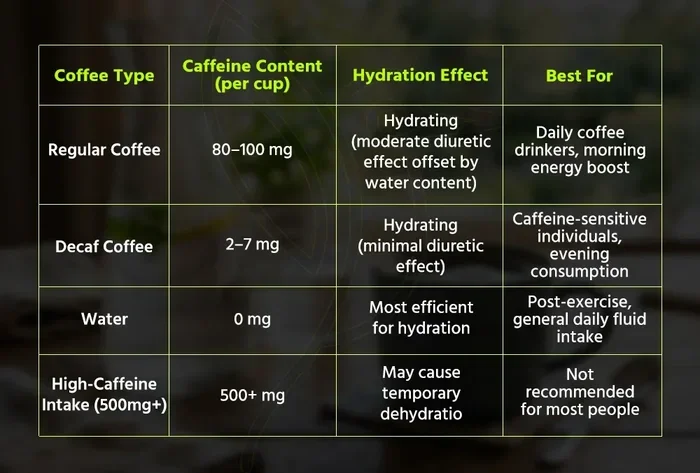
If you love the taste of coffee but want to cut back on caffeine, try half-caff blends or decaf. A 24 oz half-caff cup gives you about half the caffeine of regular brewed coffee. Decaf still has a tiny amount of caffeine (about 2 to 5 mg per cup), but it is negligible for most people.
Pair Coffee With Food
Drinking coffee on an empty stomach can amplify the caffeine effects and cause stomach irritation. Eating a meal or snack before your coffee helps slow the absorption and keeps you feeling steady. If you are looking for a great snack to pair with your morning brew, try warming up some fresh dinner rolls. You can learn how to heat dinner rolls in the oven for a warm, comforting pairing that balances your caffeine intake perfectly.
How Coffee Fits Into A Balanced Lifestyle
Coffee is one of the most popular drinks in the world, and for good reason. It tastes great, it smells amazing, and it gives you a reliable energy boost. A 24 oz cup of regular brewed coffee can power you through a busy morning or give you the focus you need for an afternoon project.
The key is moderation. Most healthy adults can safely enjoy a large 24 oz cup of coffee without any problems. Just be mindful of your total caffeine intake from all sources throughout the day. If you start feeling jittery or have trouble sleeping, it might be a sign to cut back.
Remember that coffee is more than just caffeine. It contains antioxidants and other beneficial compounds that support your health. So enjoy your cup without guilt, as long as you keep it within reasonable limits.
And if you are planning a coffee-and-food pairing session, you might also want to check out how to reheat baked chicken in oven for a hearty meal that pairs wonderfully with a strong cup of coffee. Or if you are in the mood for something quick and savory, learn how to heat up sliders in the oven for a satisfying lunch that goes great with your favorite brew.
The Bottom Line On Caffeine In 24 Oz Coffee
A 24 oz cup of regular brewed coffee contains roughly 300 to 400 milligrams of caffeine. This puts it right at the upper edge of the recommended daily safe limit for most adults. The exact amount depends on the brand, the beans, the roast, and the brewing method you use.
If you drink one 24 oz cup a day and do not experience negative side effects, you are likely fine. But if you are sensitive to caffeine or you drink multiple large cups, it is worth keeping a closer eye on your total intake. The caffeine content in coffee can add up fast, especially when you factor in other caffeinated drinks and foods throughout the day.
Enjoy your coffee. Know what you are consuming. And make choices that keep you feeling your best. A well-informed coffee drinker is a happy coffee drinker.
Frequently Asked Questions
How much caffeine is in a 24 oz Starbucks coffee?
A 24 oz Starbucks drip coffee (their Grande size is 16 oz and Trenta is 31 oz, but a 24 oz size falls in between) typically contains around 300 to 400 mg of caffeine. The exact amount depends on the drink type and the specific Starbucks location.
Can I drink 24 oz of coffee every day?
For most healthy adults, drinking one 24 oz cup of coffee per day is within the safe caffeine limit of 400 mg. However, individual tolerance varies, so pay attention to how your body responds and adjust if needed.
Does adding milk or cream change the caffeine content?
No. Adding milk, cream, sugar, or flavored syrups does not change the amount of caffeine in your coffee. The caffeine content stays the same regardless of what you mix in.
Is 400 mg of caffeine a lot?
400 mg is the upper safe limit recommended by the FDA for most healthy adults. It is not considered dangerous, but consuming caffeine at or above this level regularly may lead to side effects like anxiety, insomnia, or digestive issues in some people.
How long does caffeine from 24 oz of coffee last in your system?
Caffeine has a half-life of about 5 to 6 hours. This means that after 5 to 6 hours, your body has processed roughly half of the caffeine. So if you drink 350 mg at 8 AM, you will still have about 175 mg in your system by early afternoon.
What is the safest way to consume caffeine?
The safest way is to stay under 400 mg per day, drink plenty of water, eat food before or with your coffee, and avoid caffeine late in the day to protect your sleep quality.