Does Coffee Make You Grow Facial Hair Surprising Truth
Many people wonder if their daily coffee habit can trigger facial hair growth. The truth is more nuanced than you might think. While caffeine does interact with hormones like testosterone and DHT, drinking coffee alone will not magically grow a beard. However, there is some interesting science behind how caffeine may influence hair growth both when consumed and when applied topically.
You have probably heard the rumor. Someone at the office swears that their daily espresso habit gave them a thick, full beard. Maybe you have been drinking coffee every morning and wondering if it is doing anything for your facial hair. The question is simple: does coffee make you grow facial hair?
The short answer is no, not directly. But the full story is more interesting than a simple yes or no. Caffeine, the main active ingredient in coffee, does interact with your body in ways that could theoretically support hair growth. There is research, some fascinating science, and a few myths that all mix together in this topic. Let us break it all down.
If you have ever sipped your morning brew and wished for a fuller beard, this article is for you. We will look at what the science actually says, separate fact from fiction, and give you practical insights you can use. No fluff, no hype, just honest information about coffee and facial hair growth.
Key Takeaways
- Caffeine may support hair growth: Studies suggest caffeine can stimulate hair follicles and extend the growth phase.
- Drinking coffee won’t grow your beard: There is no solid evidence that simply drinking coffee causes facial hair to sprout.
- Topical caffeine shows more promise: Applying caffeine directly to the skin may have a stronger effect on hair follicles than drinking it.
- Genetics play the biggest role: Your genes determine how and where facial hair grows, not your coffee intake.
- Hormones matter most: Testosterone and DHT are the primary drivers of facial hair, and coffee has only a minor influence on these.
- Moderation is key: Too much coffee can cause side effects without adding any beard-growing benefits.
📑 Table of Contents
What Science Says About Coffee and Hair Growth
The idea that coffee can affect hair growth is not completely made up. There is real research on caffeine and hair follicles. But the results are more complicated than a viral TikTok video might suggest.
How Caffeine Affects Hair Follicles
Caffeine is a stimulant. It wakes up your central nervous system, and it can also wake up certain cells in your body. Research has shown that caffeine can extend the anagen phase of hair growth. That is the active growing phase. When hair follicles stay in this phase longer, hair can grow thicker and faster.
A study published in the International Journal of Dermatology found that caffeine can stimulate hair shaft elongation. This happened both in lab settings and on human skin samples. The caffeine appeared to counteract the effects of a hormone called DHT, which we will talk about more soon.
However, most of these studies used caffeine applied directly to the skin. They did not just give people coffee to drink and measure their beard growth. That is an important distinction.
Also, if you are curious about how coffee affects your body in other ways, you might want to read about why instant coffee can affect your digestion. Coffee has wide-ranging effects on the body beyond just giving you energy.
Caffeine and DHT: The Hormone Connection
DHT stands for dihydrotestosterone. It is a powerful hormone that plays a big role in facial hair growth. DHT binds to receptors in hair follicles on your face and tells them to produce thicker, darker hair. This is the same hormone responsible for body hair and other masculine physical traits.
Here is where caffeine gets interesting. Some studies suggest that caffeine can block the effects of DHT on hair follicles. Wait, does that mean caffeine could reduce hair growth? Not exactly. In the scalp, blocking DHT is often a good thing (it helps with baldness). But on your face, DHT is what you want working in your favor for beard growth.
The relationship between caffeine and DHT is complex. It depends on where the caffeine is applied, how much is used, and your individual hormone levels. Drinking a cup of joe will not flood your face with enough caffeine to make a real difference in DHT activity.
Coffee’s Impact on Testosterone and Other Hormones
Testosterone is another key player in facial hair growth. Higher testosterone levels generally mean more facial hair for men. So the question becomes: does coffee raise testosterone?
What the Research Shows
The evidence is mixed. Some short-term studies suggest that caffeine can temporarily boost testosterone levels slightly. A study in the journal Hormones and Behavior found that caffeine intake was linked to a small increase in testosterone in some men. But the increase was modest and temporary.
Other studies have found no significant effect of coffee on testosterone at all. The amount of caffeine matters too. A moderate cup of coffee is not going to transform your hormone levels overnight.
Here are some quick facts about coffee and hormones:
- Moderate coffee intake (1 to 3 cups per day) has minimal impact on testosterone.
- Very high caffeine intake may cause hormonal fluctuations, but not necessarily in a helpful way.
- Individual response varies based on genetics, age, and overall health.
- Coffee does not create testosterone from nothing. It can only influence levels that are already being produced by your body.
If you want to understand more about how coffee interacts with your body’s systems, check out our article on how instant coffee affects your body for a broader look at caffeine’s effects.
Can Coffee Actually Help You Grow a Beard?
This is the question everyone wants answered. And honestly, the answer is not a clear yes. Let us look at both sides.
Drinking Coffee for Beard Growth
When you drink coffee, the caffeine enters your bloodstream and travels throughout your body. It does not target your face specifically. By the time it reaches your facial hair follicles, the concentration is very low.
There is no strong clinical evidence that drinking coffee daily will give you a thicker beard. Men who drink a lot of coffee do not automatically have better beards than men who do not drink coffee. Genetics still rule the roost when it comes to facial hair.
Some people claim they grew a fuller beard after increasing their coffee intake. But this is likely a coincidence or a placebo effect. Beard growth cycles operate on their own timeline, often spanning months and years.
Topical Caffeine: The More Promising Approach
Here is where things get more exciting. Some skincare and beard products now include caffeine as an active ingredient. The idea is that applying caffeine directly to the skin can stimulate the hair follicles right where you want it.
Topical caffeine products include:
- Caffeine-based beard oils that claim to stimulate growth
- Facial serums with caffeine for hair follicle activation
- DIY coffee scrubs made from ground coffee and carrier oils
While the research on topical caffeine is more promising than oral consumption, results still vary from person to person. A caffeine scrub will not turn a patchy beard into a lumberjack’s mane overnight. But it may help improve circulation to the skin and support healthier hair growth over time.
Quick Tip: If you want to try a DIY caffeine scrub, mix finely ground coffee with coconut oil and massage it into your face for 2 to 3 minutes. Do this 2 to 3 times per week. It will not replace good genetics, but it can exfoliate and stimulate the skin.
Other Factors That Actually Influence Facial Hair Growth
Coffee gets a lot of attention, but there are other factors that matter much more when it comes to growing facial hair. Understanding these can help you set realistic expectations.
Genetics: The Biggest Factor
Your DNA is the single most important factor in how your facial hair grows. Some men start growing full beards at 16. Others struggle to grow a mustache at 30. Both are completely normal.
If your father or grandfather had a thick beard, you are more likely to have one too. But even then, genetics can skip generations. You might inherit beard-growing genes from a great uncle you have never met.
Age and Hormonal Changes
Facial hair growth tends to increase with age. Many men notice their beards filling in significantly between their mid-20s and early 30s. This is because testosterone and DHT levels stabilize and hair follicles become more responsive over time.
Patience is a real virtue when it comes to beard growth. A lot of younger men give up too early, thinking they will never grow a full beard.
Nutrition and Lifestyle
What you eat and how you live also matter. A balanced diet with enough protein, vitamins, and minerals supports healthy hair growth. Key nutrients include:
- Biotin (Vitamin B7) – supports keratin production
- Zinc – helps with testosterone production
- Vitamin D – activates hair follicles
- Protein – the building block of hair
Sleep, exercise, and stress management also play a role. High stress raises cortisol, which can suppress testosterone and slow hair growth. So taking care of your overall health is one of the best things you can do for your beard.
Common Myths About Coffee and Facial Hair
There are a lot of claims floating around about coffee and beards. Let us clear up some of the most common ones.
Myth 1: Coffee Makes Your Beard Grow Faster
This is the most popular myth. There is no proof that drinking coffee speeds up beard growth. The caffeine from a cup of coffee does not concentrate in your facial hair follicles in any meaningful way.
Myth 2: Coffee Scrubs Can Give You a Full Beard
A coffee scrub can exfoliate your skin and maybe support healthier follicles, but it cannot create hair where your genetics do not allow it. If you have sparse facial hair, a coffee scrub will not change that fundamentally.
Myth 3: More Coffee Equals More Facial Hair
Drinking ten cups of coffee a day will not give you a thick beard. In fact, excessive coffee can cause side effects like anxiety, insomnia, and digestive issues. There is no benefit to overdoing it.
Myth 4: Women Should Avoid Coffee to Prevent Facial Hair
This is completely false. Normal coffee consumption does not cause unwanted facial hair growth in women. Hormonal conditions like PCOS are the real culprits for excessive hair growth in women, and coffee has nothing to do with it.
Final Verdict: Does Coffee Make You Grow Facial Hair?
So where does all of this leave us? The truth about coffee and facial hair growth is that coffee is not a magic beard-growing solution. Drinking your morning cup of joe will not suddenly give you a thick, full beard.
That said, caffeine does have some interesting properties that could support hair health when used correctly. Topical application shows more promise than oral consumption. And caffeine’s interaction with hormones like DHT and testosterone adds a layer of complexity to the story.
The bottom line is this: enjoy your coffee for the taste, the energy, and the ritual. Do not count on it to transform your facial hair. Focus on the things that really matter: genetics, nutrition, patience, and overall health. If you want to support your beard, eat well, sleep enough, manage stress, and consider a caffeine-based topical product if you are curious.
Coffee is a wonderful part of many people’s daily routines. It warms you up, sharpens your focus, and can be a comforting ritual. Just do not let it be the reason you expect a Hollywood-worthy beard. Your genes hold the real blueprint.
And if you are interested in exploring other ways to care for your body and your coffee routine, check out our guide on how to make toast in the oven without a toaster for more practical kitchen tips that pair perfectly with your morning coffee.
Frequently Asked Questions
Can drinking coffee increase facial hair growth?
There is no strong scientific evidence that drinking coffee increases facial hair growth. While caffeine can stimulate hair follicles in lab settings, the amount you consume in a cup of coffee is not concentrated enough to target your face. Genetics and hormones are the primary drivers of beard growth.
Does caffeine affect beard growth hormones?
Caffeine may have a minor, temporary effect on testosterone levels, but it does not significantly change the hormones responsible for beard growth. Testosterone and DHT are the main hormones that control facial hair, and coffee does not substantially alter their production.
Can I use coffee on my face to grow a beard?
Topical caffeine products show some promise in stimulating hair follicles, but results are modest and vary by person. A coffee scrub or caffeine-based beard oil may support skin health and circulation, but it cannot override your genetic blueprint for facial hair growth.
How long does it take for coffee to affect hair growth?
If topical caffeine has any effect on hair growth, it would take months of consistent use to see even minor changes. Hair growth cycles are slow, and any impact from caffeine would be subtle at best. There is no quick fix for beard growth.
Is coffee bad for facial skin or hair?
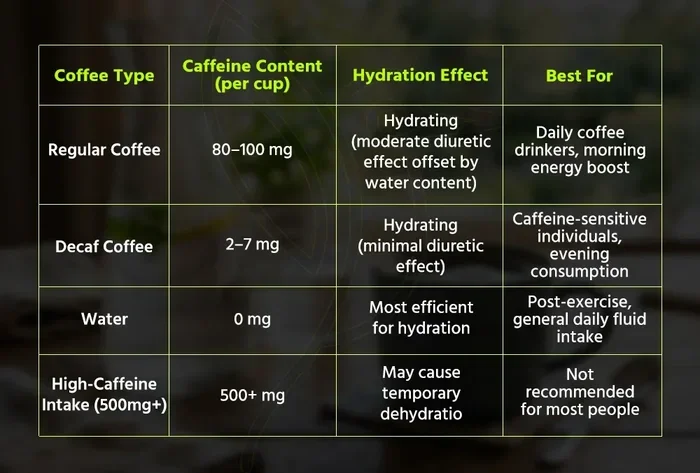
Moderate coffee consumption is generally safe for most people. Excessive coffee, however, can lead to dehydration and increased cortisol, which may indirectly affect skin and hair health. Drinking plenty of water alongside your coffee helps maintain balance.
What really helps grow facial hair faster?
Genetics is the biggest factor. Beyond that, maintaining healthy testosterone levels through exercise, proper nutrition, good sleep, and stress management can support natural beard growth. There are no proven shortcuts, despite what marketing claims might suggest.
=== CONCLUSION ===
The surprising truth about coffee and facial hair is that coffee is not the beard-growing miracle some people claim. Caffeine has real effects on the body, and some research suggests it can support hair follicle health. But drinking coffee alone will not give you the thick, full beard you might be dreaming of.
Your genes set the foundation. Your hormones drive the process. And your overall health supports it along the way. Coffee can be a pleasant part of your morning routine, but it should not be your go-to solution for beard growth.
Stay informed, stay patient, and enjoy your coffee for what it actually is a delicious, energizing drink that brings people together. If you ever want to dive deeper into coffee-related topics, explore our other articles for more insights and practical tips.