Do Air Fryer Liners Defeat The Purpose Of Healthy Cooking
Do air fryer liners defeat the purpose of healthy cooking? The short answer is no. Air fryer liners can actually make cleanup easier without removing the health benefits of oil-free cooking. However, using the wrong liner or the wrong technique can reduce crispiness and even introduce unwanted chemicals. This guide explains how to keep your meals healthy while enjoying the convenience of a liner.
Key Takeaways
- Liners do not defeat the purpose: They can make cleanup easier and still support healthy, oil-free cooking.
- Perforated parchment is the best choice: It allows hot air to circulate, preserving the crispiness you love.
- Always choose food-grade, toxin-free materials: This ensures no harmful chemicals leach into your food at high temperatures.
- Reusable silicone mats are a sustainable option: They last for hundreds of uses and reduce waste.
- Never preheat with a liner in the basket: It can fly into the heating element and create a fire hazard.
- Match the liner to your air fryer model: Just like do all coffee pods fit Nespresso machines, liners must fit properly to work safely.
- Avoid overfilling the liner: Leave space for air to flow around every piece of food.
📑 Table of Contents
- Do Air Fryer Liners Defeat The Purpose Of Healthy Cooking?
- How Do Air Fryer Liners Affect Cooking Performance?
- Health Risks And Chemical Concerns
- Liners Versus No Liners: A Side-By-Side Comparison
- How To Use Liners Without Defeating The Purpose
- Common Mistakes That Undermine Healthy Cooking
- Expert Insights On Air Fryer Liners
- Conclusion
Do Air Fryer Liners Defeat The Purpose Of Healthy Cooking?
Air fryers have changed the way we cook at home. They promise crispy fries, crunchy chicken, and delicious snacks with a fraction of the oil. That promise is what draws so many people to these countertop ovens. But then comes the question that splits the community. Do air fryer liners defeat the purpose of healthy cooking? Some folks swear by them. Others toss them in the trash the moment they open the box. The truth sits somewhere in the middle, and it is simpler than you think.
A healthy cooking routine is not just about the machine you use. It is also about the tools you add to it. Liners can help with mess, but they can also affect how your food cooks. Think of it like asking how do coffee makers work. The machine does the heavy lifting, but the filter or basket matters just as much. An air fryer works by blasting hot air around food. Anything that blocks that airflow changes the result. So, the goal is to find a liner that helps without hurting.
This article breaks down everything you need to know. We will look at the different types of liners, their impact on cooking performance, and any health concerns. By the end, you will know exactly whether a liner belongs in your air fryer. You will also learn the best practices for using one safely. Let us dive in.
What Exactly Are Air Fryer Liners?
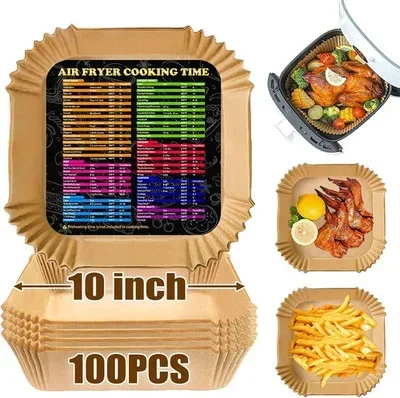
An air fryer liner is a disposable or reusable sheet you place inside the basket or tray. It creates a barrier between the food and the metal surface. The most common types are parchment paper liners and silicone baking mats. Parchment paper is thin, lightweight, and often comes pre-cut to fit specific models. Silicone mats are thicker, flexible, and designed to last for months or even years. Both promise one big benefit: easy cleanup. Instead of scrubbing baked-on grease, you simply lift out the liner and toss it.
Not all liners are created equal, though. Some have tiny holes punched into them. These perforations are critical because they let the hot air reach the food. Solid liners without holes can trap steam and make your food soggy. When shopping, look for perforated parchment paper liners or reusable liners with a mesh design. They mimic the bare basket experience much more closely. The right liner should feel almost invisible during cooking. It should not change the way your food looks or tastes.
How Do Air Fryer Liners Affect Cooking Performance?
The main job of an air fryer is to circulate hot air rapidly around the food. This is what creates the crispy exterior without submerging anything in oil. When you drop a liner into the basket, you are adding a layer between the heating element and your meal. That layer can restrict the hot air circulation that makes air frying so effective. The result can be uneven cooking, longer cook times, and a loss of that signature crunch.
Think of it this way. Making iced coffee like Starbucks at home requires the right ratio of ice to coffee and the right brewing method. If you block the flow, you get a weak, watery drink. The same principle applies to your air fryer. If the liner blocks too much air, your fries come out soft instead of crispy. The key is to choose a liner that works with the airflow, not against it.
When Liners Work Well
Liners shine in situations where cleanup would otherwise be a nightmare. Think of sticky barbecue sauce, glazed salmon, or greasy sausage. Without a liner, those messes baked onto the basket can take serious scrubbing. With a liner, the mess stays on the paper or mat, and your basket stays clean. In these cases, a liner does not defeat the purpose of healthy cooking. It simply supports it by making the healthy choice easier to stick with. After all, if cleanup is a chore, you might use your air fryer less often.
Another time liners work well is when you are cooking small or delicate items. Mini quiches, individual fish fillets, or sliced vegetables can stick to the basket bottom. A liner provides a non-stick surface that helps the food release cleanly. This is especially helpful with reusable liners that have a smooth, food-safe coating. Just make sure the liner is anchored down with a few holes poked through, so the hot air can still do its job.
Health Risks And Chemical Concerns
For many people, the whole point of an air fryer is to cook healthier. So the idea of introducing a chemical-lined sheet into that process feels wrong. This concern is valid and worth exploring. Not all parchment papers or silicone mats are created equal. Some contain coatings, dyes, or treatments that can release fumes when heated to high temperatures.
Parchment Paper Safety
Most parchment paper is treated with silicone to make it heat-resistant. In its natural state, parchment is safe for cooking. However, bleached parchment paper may contain chlorine or other whitening agents. Unbleached, oxygen-bleached parchment is the safer choice. It avoids those extra chemicals and can handle temperatures up to 450 degrees Fahrenheit. Always check the label. Look for terms like food-grade, non-toxic, and oven-safe. If a liner does not list its heat tolerance, skip it.
Silicone Liner Concerns
Silicone is generally considered inert and stable at high heat. High-quality, toxin-free silicone mats will not leach chemicals into your food. Cheap silicone, on the other hand, may contain fillers that break down over time. If your silicone liner starts to smell like burning plastic or shows signs of discoloration, it is time to replace it. Stick to reputable brands that test their products for food safety. Just as you would worry about what to do when coffee makes you sick from a contaminated cup, you should care about what touches your food at high heat.
Liners Versus No Liners: A Side-By-Side Comparison
To really answer whether air fryer liners defeat the purpose of healthy cooking, it helps to see them side by side. The table below compares the experience of cooking with and without a liner. It focuses on the factors that matter most for health and performance.
| Factor | With Liner | Without Liner |
|---|---|---|
| Cleanup Ease | Very easy. Lift out and toss. | Requires scrubbing baked-on grease. |
| Airflow and Crispiness | Slightly reduced unless liner is perforated. | Maximum airflow. Best crispiness. |
| Health Safety | Safe if using food-grade, unbleached materials. | No added materials. Purely bare metal. |
| Food Release | Non-stick surface prevents sticking. | Food can stick, especially with sugary glazes. |
| Cost | Disposable liners add recurring cost. Reusable mats cost more upfront. | No extra cost. |
| Fire Risk | Low if used correctly. Never preheat with a liner. | No added fire risk. |
The comparison shows that liners do not inherently ruin healthy cooking. They trade a tiny bit of airflow for a lot of convenience. As long as you pick the right liner and use it correctly, the health benefits of air frying remain intact.
How To Use Liners Without Defeating The Purpose
The secret to keeping your air fryer healthy and effective lies in how you use the liner. A liner is a tool, and like any tool, it works best when you follow the instructions. Here is how to make sure your liner supports your healthy goals instead of undermining them.
Choose The Right Liner
Start with a liner that matches your air fryer model. Many brands sell pre-cut rounds or squares designed for specific machines. These fit snugly and leave room for air to escape around the edges. If you buy a generic liner, trim it to fit the basket. Never let the liner touch the heating element at the top. That is a fire hazard. When in doubt, measure your basket and cut the liner slightly smaller. Think of it like asking who invented the coffee machine—invention always comes back to solving a specific problem. The liner solves the mess problem, but it must fit the machine to do its job safely.
Proper Placement
Place the liner flat at the bottom of the basket. Do not fold it or crumple it. If your liner does not have pre-cut holes, use a fork to poke several small holes across the surface. This restores some of the airflow that the liner blocks. The holes let hot air push up through the food, helping it cook evenly and stay crispy. Without holes, steam gets trapped, and your food ends up steamed instead of air-fried.
Do Not Overfill
It is tempting to load the basket to the brim, especially when cooking for a crowd. But overfilling is the fastest way to ruin your results with a liner. When food piles on top of the liner, it blocks the air vents around the edges. The hot air cannot circulate properly, and the bottom layer of food gets soggy. Leave at least half an inch of space around the edges. This allows the grease containment to work and the air to flow freely. Your food will cook more evenly, and you will avoid that frustrating sogginess.
Avoid Preheating With A Liner
This is a rule that surprises many people. Never place a liner in the air fryer basket while it is preheating. The basket gets extremely hot, and a loose liner can lift off and touch the heating element. In seconds, it can ignite. Always add the food first, then place the liner on top, or wait until the air fryer has finished preheating before inserting the lined basket. This simple step keeps you safe and protects the non-stick surface of your liner from premature burning.
Common Mistakes That Undermine Healthy Cooking
Even with the best intentions, it is easy to make mistakes that turn a healthy air fryer meal into something less nutritious. Here are the most common errors people make with liners, and how to avoid them.
- Using non-perforated liners for everything. Solid liners trap steam and make food soggy. Reserve them for very sticky or saucy items, and always poke holes first.
- Blocking the air vents. If your air fryer has vents on the sides or bottom, do not let the liner cover them. The vents are essential for the air fryer cooking time and temperature to work correctly.
- Using the wrong size liner. A liner that is too big can bunch up and touch the heating element. One that is too small leaves food exposed to the bare basket. Always measure and cut to fit.
- Reusing disposable liners. Parchment paper liners are designed for single use. Reusing them can cause them to break down, stick to the food, or even catch fire at high temperatures. This is a false economy that hurts both your meal and your safety.
- Ignoring the liner’s heat limit. Every liner has a maximum temperature. Exceeding it can release harmful fumes. Check the packaging and stay within the safe range.
Avoiding these mistakes keeps your air fryer accessories working as intended. You get the convenience of easy cleanup without sacrificing the crispiness or safety of your food.
Expert Insights On Air Fryer Liners
Nutritionists and air fryer experts generally agree on one thing. A liner does not change the fundamental nature of air frying. The food is still cooking with hot air, not submerged in oil. That is the core of healthy cooking. A liner simply adds a layer of convenience on top of that process. Culinary experts often recommend using a liner for messy recipes but going liner-free for simple tasks like roasting vegetables or reheating leftovers. This way, you get the best of both worlds. The food gets maximum airflow when it does not need the extra protection, and you get the easy cleanup when the mess is inevitable.
Some experts also suggest owning both a pack of disposable parchment liners and a reusable silicone mat. Use the disposables for sticky or saucy dishes. Use the silicone mat for everyday cooking where you want a bit of non-stick help without creating waste. This balanced approach keeps your healthy cooking routine sustainable and enjoyable.
Quick Tips For Daily Use
- Always poke holes in solid liners before cooking.
- Use unbleached parchment for the safest option.
- Store reusable silicone mats flat to prevent warping.
- Clean your silicone mat with mild soap and let it dry completely before storing.
- Never use a liner with loose, flapping edges near the heating element.
- Match the liner size to your specific air fryer model.
These small habits make a big difference over time. They ensure that every meal you cook is as healthy and delicious as the first one. The purpose of your air fryer remains intact. You are still using hot air to create crispy, satisfying food with minimal oil. The liner is just there to help you do it with less mess.
Conclusion
So, do air fryer liners defeat the purpose of healthy cooking? The answer is a clear no. A liner is a tool, and like any tool, it works best when you use it correctly. It can protect your food from sticking, make cleanup a breeze, and even help you stick to your healthy routine because the process feels easier. The key is choosing the right liner, using perforated options when possible, and never blocking the airflow that makes air frying special. When you follow these simple rules, you keep all the health benefits of air frying intact. You also add a layer of convenience that makes cooking at home more enjoyable. Do air fryer liners defeat the purpose? Not when you treat them as a helpful helper rather than a replacement for good cooking practices.
Start experimenting with a liner in your next batch of crispy vegetables or lean proteins. Pay attention to how the food cooks and how easy cleanup becomes. You will quickly find the balance that works for your kitchen. Healthy eating should feel simple, not complicated. And with the right approach, your air fryer liner can support that goal every single day.
Frequently Asked Questions
Do air fryer liners affect the nutritional value of food?
No, a liner does not change the nutrients in your food. The food still cooks with hot air, not oil. The liner simply touches the surface of the basket. As long as you use a food-grade, toxin-free liner, there is no impact on the nutritional profile of your meal. The health benefits of air frying remain fully intact.
Can I use aluminum foil instead of an air fryer liner?
Yes, you can use aluminum foil, but it comes with trade-offs. Foil blocks airflow more than perforated parchment, which can reduce crispiness. It also does not have holes to let steam escape. If you use foil, poke several holes in it to restore some air circulation. Avoid covering the air vents completely, as this can lead to uneven cooking and longer air fryer cooking time.
Are air fryer liners safe for high-heat cooking above 400°F?
Most parchment paper liners are safe up to 425–450°F. Silicone mats can handle even higher temperatures, often up to 480°F or more. Always check the manufacturer’s heat limit before using a liner at very high temperatures. Exceeding the limit can cause the liner to burn, release smoke, or emit unpleasant fumes. Stick to the recommended temperature range for safe, worry-free cooking.
How often should I replace my reusable silicone liner?
A high-quality silicone liner can last for hundreds of uses, often a year or more with regular use. Replace it if you notice warping, discoloration, or a sticky surface that no longer releases food easily. If the liner starts to smell like burning plastic after cleaning, it is time for a new one. Regular inspection keeps your air fryer accessories working safely and effectively.
Do liners make air-fried food less crispy?
They can, if you use the wrong type or block the airflow. Solid liners without holes trap steam and soften the food. Perforated parchment liners and mesh-style reusable liners allow hot air to reach the food, preserving the crispiness. The key is choosing a liner with enough openings and not overfilling the basket. When used correctly, the difference in crispiness is minimal.
Is it better to use a liner or just clean the basket by hand?
It depends on your cooking habits and how much you value convenience. If you cook sticky or saucy foods often, a liner saves significant scrubbing time. If you mostly cook simple, low-fat meals, going liner-free is perfectly fine and keeps your air fryer cleaning routine quick. Many people find a balance: they use a liner for messy recipes and cook without one for simple tasks. This approach gives you the best of both worlds.