Who Invented The Coffee Machine And Why It Matters
Who invented the coffee machine? The answer spans over a century of innovation, starting with Angelo Moriondo in 1884 and continuing through Luigi Bezzera and Desiderio Pavoni. Their inventions shaped modern coffee culture and gave us the coffee appliances we rely on every morning.
The smell of fresh brewed coffee fills kitchens around the world every single morning. But have you ever stopped to think about who invented the coffee machine and how this everyday device came to be? The story behind the coffee machine history is full of surprises, creative inventors, and a whole lot of caffeine-fueled determination. From the first espresso machine inventor in nineteenth-century Italy to the sleek single-serve brewers sitting on countertops today, the coffee maker invention has changed the way we start our days. Understanding who invented the coffee machine gives us a deeper appreciation for the coffee brewing history that shaped modern coffee culture.
Most people grab their morning cup without a second thought. Yet behind every machine brewed coffee is a long line of innovation and experimentation. The journey from hand-ground beans boiled in water to automated drip coffee maker systems took over a century of hard work. In this article, we will walk through the full coffee machine history, meet the inventors who made it all possible, and explore why their work still matters to your morning routine today.
Whether you are a casual coffee drinker or a true coffee enthusiast, knowing the story of the coffee appliance industry makes your daily brew feel a little more special. So let us dive into the fascinating tale of innovation, patents, and perfect cups of coffee.
Key Takeaways
- Angelo Moriondo filed the first coffee machine patent in 1884, making him the true pioneer of automated coffee brewing.
- Luigi Bezzera and Desiderio Pavoni turned the early prototype into a commercial success and launched the espresso revolution.
- The coffee machine history includes major milestones like the percolator, the drip coffee maker, and single-serve pod machines.
- Understanding who invented the coffee machine helps us appreciate the coffee brewing history behind every cup we brew.
- Modern coffee appliances range from manual French presses to fully automatic espresso machines, fitting every lifestyle and budget.
- The espresso history is built on decades of coffee innovation by inventors who cared about speed, consistency, and taste.
- Your daily morning coffee is the result of over a century of creative problem-solving and dedicated coffee machine patents.
📑 Table of Contents
- Angelo Moriondo — The True Pioneer Of Coffee Automation
- Luigi Bezzera And Desiderio Pavoni — The Espresso Revolution
- How The Coffee Machine Evolved Through The Decades
- Why Understanding Who Invented The Coffee Machine Matters
- Types Of Coffee Machines You Can Use Today
- Tips For Choosing The Right Coffee Machine For Your Home
- Quick Tips For Better Coffee At Home
- Conclusion
Angelo Moriondo — The True Pioneer Of Coffee Automation
When most people think about who invented the coffee machine, they picture a single genius moment. But the truth is that Angelo Moriondo deserves the spotlight as the first real pioneer of coffee automation. Born in Turin, Italy, in 1851, Moriondo was a businessman and inventor who saw a problem. Coffee houses in his hometown were serving slow, inconsistent brews to hungry customers. He knew there had to be a better way.
In 1884, Moriondo filed a coffee machine patent at the General Exposition of Turin. His design was groundbreaking for its time. He created a large machine that used both steam and water to brew coffee quickly. The machine forced hot water through coffee grounds at high pressure, producing a faster and more consistent cup than anything available before. This was the first first coffee machine that could brew multiple servings in minutes rather than the long wait times people were used to.
However, Moriondo never mass-produced his invention. He built a few machines and installed them in hotels and cafes across Turin. He did not seek fame or fortune from his coffee innovation. Instead, he quietly improved his design over the years and let others build on his work. Many historians now agree that Moriondo was the true father of automated coffee brewing, even though his name is often left out of the espresso history books.
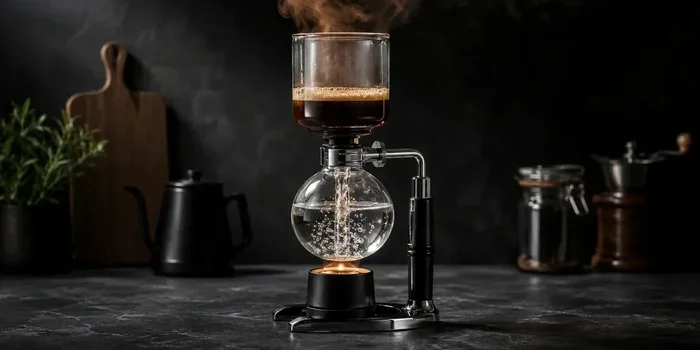
His early coffee machine patents laid the foundation for everything that came next. Without his bold idea to combine steam and water pressure, the modern espresso machine might never have been born. Moriondo proved that speed and consistency could go hand in hand with great taste. Other early designs also included the vacuum coffee maker, which used vapor pressure to create a clean, flavorful brew. These early experiments set the stage for the coffee appliance industry we know today.
Luigi Bezzera And Desiderio Pavoni — The Espresso Revolution
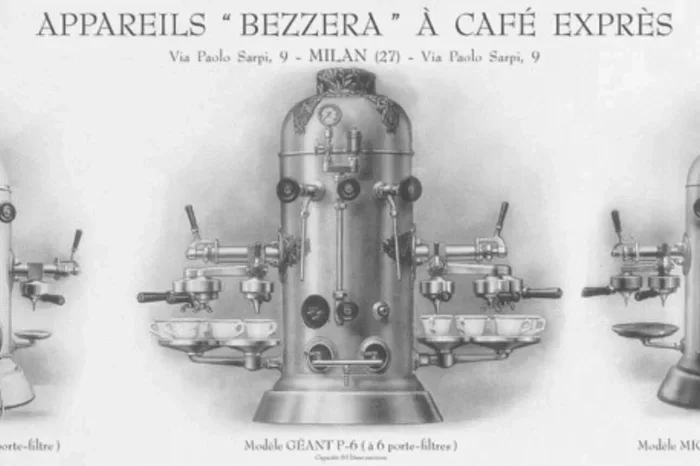
The next big chapter in who invented the coffee machine belongs to two Italian inventors who turned Moriondo’s idea into a commercial success. Luigi Bezzera, a Milanese inventor, filed his own patent in 1901. He improved on Moriondo’s design by adding multiple group heads. This meant several cups could be brewed at the same time, making the machine practical for busy coffee houses that served dozens of customers every hour.
Bezzera called his invention the “Tipo Gigante,” which means “Giant Type” in Italian. It was the first machine to use the term espresso, referring to the fast, pressurized brewing process. The word espresso itself means “pressed out,” which perfectly describes how the machine worked. However, Bezzera struggled to fund production on his own. That is where Desiderio Pavoni entered the picture.
Pavoni, a businessman and inventor, bought the rights to Bezzera’s patent in 1903. He refined the design and began manufacturing the machine on a larger scale. In 1905, Pavoni showcased the La Pavoni machine at the Milan Fair. It was a huge success. Coffee lovers across Italy fell in love with the rich, concentrated espresso that this machine could produce. The espresso machine inventor partnership between Bezzera and Pavoni marked the real beginning of the modern espresso era.
Their work took a prototype and turned it into a product that people could actually buy and use. This is an important lesson in coffee innovation. Creativity alone is not enough. You also need business sense and the willingness to share your ideas with the world. The espresso history we know today simply would not exist without the contributions of these two pioneers to coffee machine history.
Today, when you pull a shot of espresso at your local cafe, you are tasting the result of over a hundred years of work by these pioneering inventors. Their coffee machine patents opened the door for every coffee appliance that followed, from drip makers to pod machines.
How The Coffee Machine Evolved Through The Decades
The story of who invented the coffee machine does not end in the early 1900s. The decades that followed brought wave after wave of coffee innovation. Each new generation of inventors built on what came before, making coffee faster, tastier, and more convenient for everyday users.
The Percolator Era
Before electric machines took over, the coffee percolator ruled American kitchens. Invented in the early 1800s and popularized by James Nason in 1865, the percolator sent boiling water up through a tube and over coffee grounds. This cycle repeated until the brew reached the desired strength. Many American families relied on percolators for decades. They were simple, reliable, and did not need electricity to work on a stove. The coffee brewing history of the percolator era shows how people adapted to make great coffee with the tools they had.
The Drip Coffee Maker Revolution
The drip coffee maker changed everything in the mid-twentieth century. In 1954, Gottlob Widmann, a German inventor, created one of the first electric drip machines. The design allowed water to heat gradually and drip evenly through a filter filled with ground coffee. The result was a cleaner, smoother cup compared to percolators. Drip brewing became the preferred method for millions of households because it was simple and consistent.
By the 1970s, companies like Mr. Coffee brought drip brewing into millions of American homes. The drip coffee maker became the most popular coffee appliance in the country. People could now brew a full pot with just the push of a button. This convenience helped fuel the growth of coffee culture in homes across America. If you love a good morning routine, you might also enjoy learning how to heat dinner rolls in the oven for the perfect breakfast pairing alongside your fresh brew.
Single-Serve and Pod Machines
The late 1990s and early 2000s brought the single-serve revolution. Machines like the Keurig and Nespresso let you brew one perfect cup at a time. These coffee appliances used pre-packed pods or capsules filled with ground coffee. You simply inserted a pod, pressed a button, and had a fresh cup in under a minute. Machine brewed coffee reached a new level of convenience with these innovations.
Single-serve machines changed coffee culture forever. They eliminated waste from brewing a full pot when you only wanted one cup. They also made it easy to try different flavors and roasts without buying a whole bag. Today, millions of households rely on pod machines for their daily caffeine fix. For those who love a hearty breakfast alongside their coffee, many people enjoy bacon in the oven as a classic morning meal that pairs perfectly with a hot cup of coffee.
Why Understanding Who Invented The Coffee Machine Matters
You might wonder why the story of who invented the coffee machine is worth knowing. After all, you just want your morning cup, right? But understanding the coffee machine history gives you a richer perspective on the drink you love every day.
Innovation And Cultural Impact
The coffee machine invention did more than just make brewing faster. It changed the way societies socialize and work. Coffee house history shows that cafes have been gathering places for thinkers, artists, and politicians for centuries. When machines made coffee faster and more consistent, coffee houses became even more popular. They turned into hubs for conversation, creativity, and commerce that still exist today.
Today, the coffee culture around the world is worth billions of dollars. From tiny espresso bars in Rome to massive chains in every city, the coffee appliance industry drives economies and brings people together. Knowing the inventors behind this revolution helps us see how one machine can shape an entire global industry. It also reminds us that every great coffee brewing history milestone started with someone who dared to try something new.
The Science Behind Perfect Coffee
Each generation of inventors brought new coffee innovation to the brewing process. They figured out how water temperature, pressure, and grind size affect flavor. Modern machine brewed coffee is the result of decades of scientific experimentation. The espresso machine inventor pioneers understood that precision matters. Too much heat burns the grounds. Too little pressure produces weak coffee. Getting the balance right is an art backed by science.
When you understand this coffee brewing history, you start to appreciate the technology sitting on your countertop. Every cup you brew is the product of generations of trial and error, patents, and passion. For those who also enjoy baking treats to go with their coffee, learning how to brown flour in the oven can take your coffee cake recipes to the next level with a richer, nuttier flavor.
Types Of Coffee Machines You Can Use Today
The modern market offers a wide range of coffee appliances designed for every taste and budget. Understanding the options helps you choose the right machine for your home.
| Type | Brew Method | Best For | Average Price Range |
|---|---|---|---|
| Espresso Machine | Pressurized water through fine grounds | Espresso lovers, latte drinkers | $150 to $2,000+ |
| Drip Coffee Maker | Hot water drips through a filter | Families, full pots | $30 to $200 |
| French Press | Steeping with a metal filter | Manual brewing fans | $20 to $80 |
| Single-Serve Pod Machine | Pressurized hot water through a pod | Quick single cups | $50 to $200 |
Espresso Machines
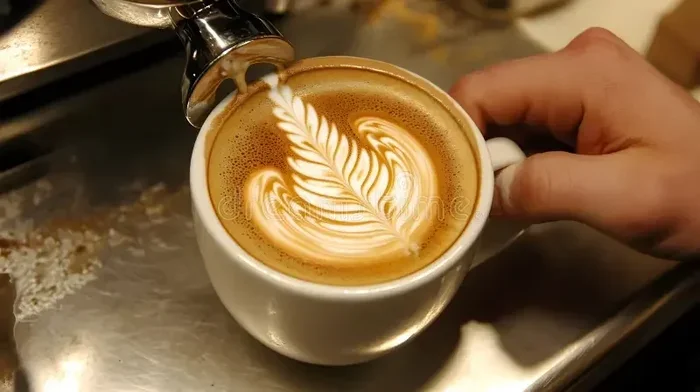
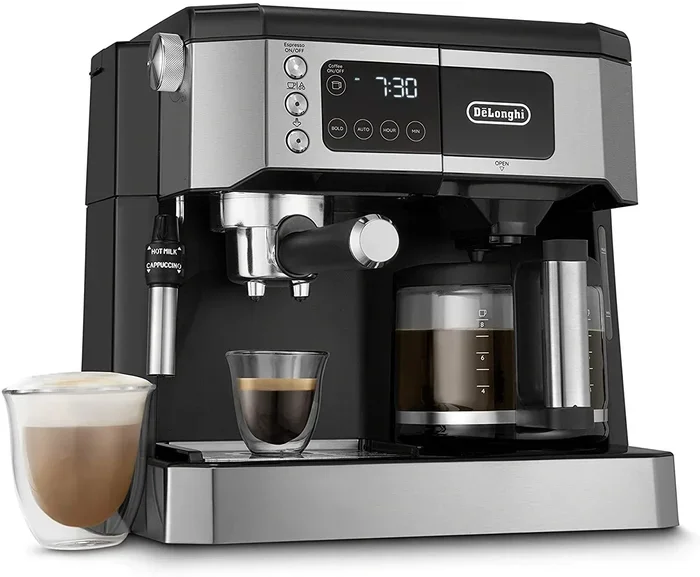
Espresso machines use pressurized water to force through finely ground coffee. The result is a rich, concentrated shot with a layer of crema on top. These machines come in three main types:
- Manual machines — You control every step, from grinding to tamping to brewing. These are ideal for true coffee enthusiasts who want full control over every cup.
- Semi-automatic machines — The machine handles water pressure and temperature, but you grind and tamp the coffee yourself for a hands-on experience.
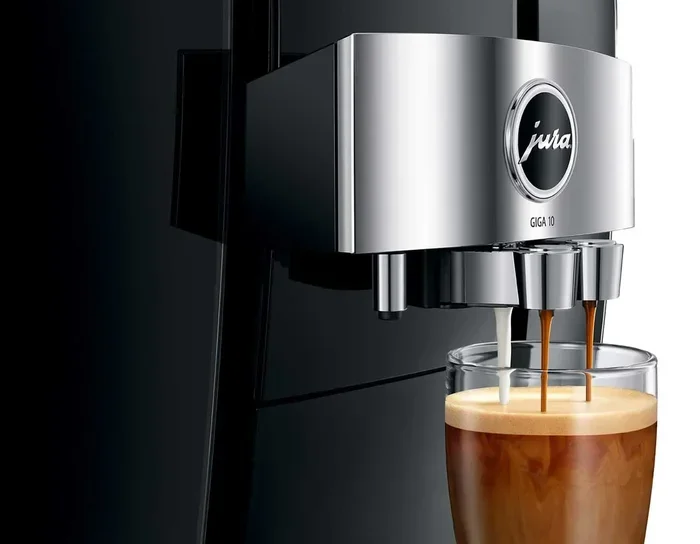
- Fully automatic machines — These handle everything from grinding to brewing at the push of a button. They are perfect for busy mornings when you want speed and convenience.
Drip Coffee Makers
The drip coffee maker remains the most popular coffee appliance in homes worldwide. These machines heat water and drip it through a paper or reusable filter filled with ground coffee. The brewed coffee collects in a carafe below. Drip machines are simple to use, easy to clean, and great for brewing multiple cups at once. They are the workhorse of the coffee brewing history and still go strong after decades of use.
French Press And Manual Brewers
Not everyone wants an electric machine. Manual brewers like the French press and pour-over devices give you full control over the brewing process. The French press steeps coarse grounds in hot water and then uses a metal filter to separate the grounds from the liquid. The result is a rich, full-bodied cup with natural oils intact. Pour-over methods like the Hario V60 allow you to control water flow and temperature for a clean, bright cup. These manual options connect you directly to the coffee brewing history that predates electric machines.
For those who enjoy both coffee and healthy baking, you can also explore whether you can bake yogurt in the oven to create delicious yogurt-based coffee cakes and desserts that pair beautifully with your morning brew.
Tips For Choosing The Right Coffee Machine For Your Home
With so many options available, picking the right coffee appliance can feel overwhelming. Here are some practical tips to help you decide.
Consider Your Daily Habits
Think about how you drink coffee. Do you brew a full pot every morning, or do you prefer one cup at a time? If you brew multiple cups daily, a drip coffee maker is a smart choice. If you love espresso drinks or only want one cup, a single-serve pod machine or a manual espresso maker might be a better fit.
Consider how much time you are willing to spend on your morning routine. Some machines require grinding, tamping, and careful temperature control. Others let you brew with minimal effort. Choose a machine that fits your lifestyle, not your ideal lifestyle. The best coffee machine is the one you will actually use every day.
Budget And Quality
Coffee machines range from under thirty dollars to over two thousand dollars. Set a realistic budget before you shop. Remember that a higher price does not always mean better coffee. Some affordable drip machines brew excellent cups, while some expensive models add features you may never use.
Look for machines with good warranty coverage and easy-to-find replacement parts. Read reviews from other coffee enthusiasts to get real-world feedback. A well-made machine should last five to ten years with proper care. Think of it as an investment in your daily coffee culture ritual.
Many people also enjoy pairing their morning coffee with a warm breakfast. If you love fresh bread, check out how to heat dinner rolls in the oven for a quick and easy way to enjoy bakery-fresh rolls any time of day.
Quick Tips For Better Coffee At Home
Here are some fast tips to get the most out of your coffee machine:
- Use fresh, cold water — The quality of water directly affects the taste of your brew. Always start with clean, filtered water when possible.
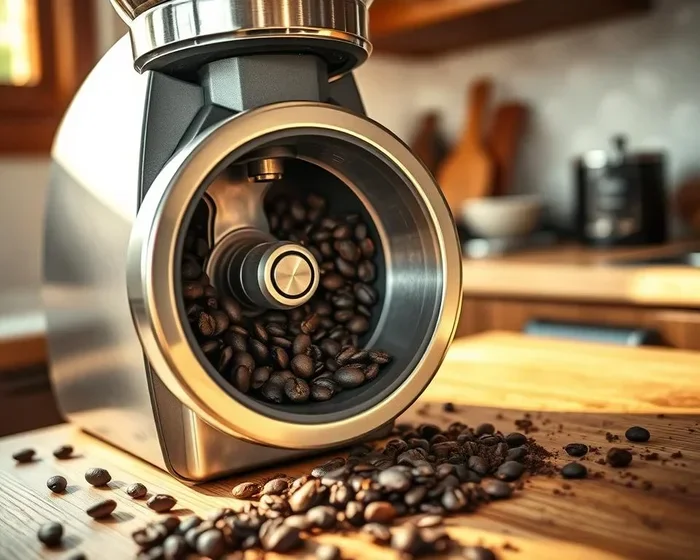
- Grind beans just before brewing — Pre-ground coffee loses flavor quickly. A burr grinder gives you the most consistent results for drip brewing and espresso.
- Clean your machine regularly — Mineral buildup can affect taste and machine performance. Run a vinegar cycle monthly to keep things running smoothly.
- Store beans properly — Keep coffee beans in an airtight container away from light and heat to preserve freshness.
- Use the right water temperature — The ideal brewing temperature is between 195 and 205 degrees Fahrenheit for the best extraction.
These simple steps make a noticeable difference in every cup you brew. A little care goes a long way toward perfect machine brewed coffee. When you treat your coffee appliance well, it rewards you with better flavor and a longer lifespan.
Conclusion
The story of who invented the coffee machine is a story of creativity, persistence, and a shared love for a perfect cup of coffee. From Angelo Moriondo first combining steam and water pressure in 1884, to Luigi Bezzera and Desiderio Pavoni bringing espresso to the masses, to the modern drip coffee maker and single-serve revolution, each inventor built on the work of those before them.
The coffee machine history reminds us that great ideas often start small. A patent filed at a fair, a prototype built in a workshop, a design refined over years — these are the building blocks of the coffee culture we enjoy today. Whether you use a high-end espresso machine or a simple drip brewer, your morning cup carries the legacy of inventors who dared to improve something so many of us take for granted.
Next time you brew a cup, take a moment to appreciate the journey that made it possible. The coffee appliance on your counter is the result of over a century of coffee innovation. And that makes every sip a little more meaningful. Understanding who invented the coffee machine connects you to a rich tradition of inventors who believed that better coffee could change the way people live, work, and connect with each other.
Frequently Asked Questions
When was the first coffee machine invented?
The first coffee machine patent was filed in 1884 by Angelo Moriondo in Turin, Italy. His design used steam and water pressure to brew coffee faster than traditional methods. This marked the true beginning of automated coffee brewing history.
Who is considered the father of the espresso machine?
Angelo Moriondo is widely regarded as the father of the espresso machine because he filed the first patent for a machine that used steam and water pressure to brew coffee. However, Luigi Bezzera and Desiderio Pavoni later refined and commercialized the design, bringing espresso to the mainstream market.
How has the coffee machine changed over time?
Coffee machines have evolved from large steam-powered units in the 1800s to electric drip makers in the mid-1900s and single-serve pod machines today. Each era of coffee innovation focused on making brewing faster, more consistent, and more convenient for everyday users.
What was the first type of automatic coffee maker?
The first automatic coffee maker was the steam-powered machine designed by Angelo Moriondo in 1884. It used both steam and water pressure to push hot water through coffee grounds automatically, eliminating the slow and inconsistent methods that were common at the time.
Can I use a vintage coffee machine today?
Yes, many vintage coffee machines can still be used today with proper care and maintenance. However, you should have them inspected by a professional to ensure they are safe and functioning correctly. Vintage machines can add a charming touch to your coffee culture while still producing great cups.
Why did coffee machines become so popular?
Coffee machines became popular because they made brewing faster, more consistent, and more accessible to everyday people. Before machines, brewing coffee was a slow and often inconsistent process. The coffee maker invention removed those barriers and helped fuel the growth of coffee culture around the world.