Can You Put a Meat Thermometer in Your Air Fryer Safely
Yes, you can put a meat thermometer in your air fryer, but not all thermometers are safe for this purpose. Using the right meat thermometer in air fryer setup ensures accurate cooking temperature readings while keeping your food safe. This guide covers which thermometers work, how to place them correctly, and essential food safety tips every home cook should know.
Key Takeaways
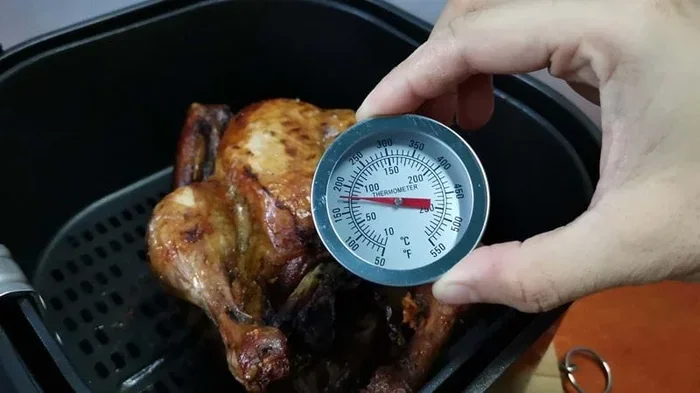
- Not all thermometers are air fryer safe: Dial thermometers with metal casings can melt or damage your appliance.
- Digital instant-read thermometers work best: They give fast, accurate readings without needing to leave the fryer during cooking.
- Proper placement matters: Insert the probe into the thickest part of the meat, avoiding bones and the fryer basket.
- Check your air fryer manual: Manufacturers often specify which air fryer accessories are safe to use.
- Food safety is key: Using a thermometer helps you hit the right internal temperature and avoid undercooked meat.
- Clean your thermometer after every use: This prevents cross-contamination and keeps your readings accurate.
- Wireless thermometers offer convenience: Some models let you monitor cooking accuracy from your phone.
📑 Table of Contents
- Can You Put a Meat Thermometer in an Air Fryer?
- Types of Meat Thermometers That Work in Air Fryers
- How to Properly Place a Meat Thermometer in Your Air Fryer
- Benefits of Using a Meat Thermometer in an Air Fryer
- Common Mistakes People Make with Meat Thermometers in Air Fryers
- Cleaning and Maintaining Your Meat Thermometer and Air Fryer
- Recommended Meat Thermometers for Air Fryer Users
- Final Thoughts
Can You Put a Meat Thermometer in an Air Fryer?
If you love cooking with an air fryer, you probably want perfectly cooked meat every single time. The question is simple but important: can you put a meat thermometer in an air fryer? The short answer is yes, but there are some important rules to follow.
Using a meat thermometer in your air fryer is one of the best ways to make sure your food is cooked safely and tastes great. Many people skip this step and end up with dry chicken or undercooked pork. A good thermometer takes the guesswork out of cooking temperature and helps you hit the sweet spot every time.
However, not every thermometer is safe to use inside an air fryer. Some models are not designed to handle the high heat or the tight space inside the basket. In this guide, we will walk you through everything you need to know about using a meat thermometer in air fryer cooking safely and effectively.
Why Using a Thermometer in an Air Fryer Matters
Air fryers cook food fast and with hot circulating air. This means temperatures can spike quickly. Without a temperature probe, you are essentially guessing whether your meat is done. That is a risk nobody should take when it comes to food safety.
The United States Department of Agriculture recommends checking the internal temperature of meats to prevent foodborne illness. A digital thermometer gives you a precise reading in seconds. It takes just a moment to insert the probe and get your result. This small step can make a huge difference in the quality and safety of your meals.
Think about it this way. You would not bake a cake without checking if it is done. The same logic applies to meat. A meat thermometer is your best tool for knowing exactly when your food is ready.
Types of Meat Thermometers That Work in Air Fryers
Not all kitchen thermometers are created equal. Some work beautifully inside an air fryer, while others can cause problems. Let us look at the types that are safe and the ones you should avoid.
Digital Instant-Read Thermometers
A digital instant-read thermometer is the most popular choice for air fryer users. These thermometers give you a reading in just a few seconds. You insert the probe, wait for the beep, and pull it out. They are compact, easy to read, and handle high heat well.
Most instant-read models can withstand temperatures up to 500 degrees Fahrenheit. That is well above the maximum heat of most air fryers, which typically run between 400 and 450 degrees. This makes them a safe and reliable option.
Brands like ThermoWorks, Lavatools, and ThermoPro make excellent instant-read models. They are affordable and last for years with proper care. If you are buying your first meat thermometer, start with a digital instant-read version.
Leave-In Probe Thermometers
A leave-in probe thermometer stays inside the meat throughout the entire cooking process. The wire connects to a display unit outside the air fryer. This type is great for long cooks like roasts or whole chickens.
However, you need to be careful with the wire. Make sure it is rated for high heat. Some wires can melt if they touch the hot air fryer walls or basket. Always check the air fryer manual before using a leave-in probe.
Wireless Smart Thermometers
Wireless meat thermometers are the latest innovation in cooking accuracy. These connect to your phone via Bluetooth or Wi-Fi. You can monitor the internal temperature from across the room. Some models even send alerts when your meat reaches the target safe temperature.
These thermometers are convenient but come at a higher price point. If you cook meat in your air fryer often, a wireless model can be a worthwhile investment. Just make sure the probe and receiver are rated for the temperatures your air fryer reaches.
Thermometers to Avoid
Not every thermometer belongs in an air fryer. Here are the types you should skip:
- Glass thermometers: These can shatter under high heat and cause serious damage.
- Dial thermometers with plastic parts: The plastic can melt and release harmful chemicals.
- Sticker-style thermometers: These are not designed for air fryer use and give inaccurate readings.
- Low-quality cheap thermometers: They may not handle the heat and can break inside your appliance.
Just as you need to know the right tools for each appliance, it is also worth understanding what goes into cleaning products. For instance, if you ever wonder what is in coffee machine cleaning tablets, you will see that knowing what touches your appliance matters just as much for kitchen hygiene.
How to Properly Place a Meat Thermometer in Your Air Fryer
Getting the right thermometer placement is just as important as choosing the right type. A poorly placed probe can give false readings or even damage your food and your appliance.
Step-by-Step Placement Guide
- Preheat your air fryer: Start by preheating to your desired cooking temperature. This ensures the meat starts cooking immediately.
- Insert the probe into the thickest part: Find the thickest section of the meat. This is where the last part to cook will be.
- Avoid touching bone: Bone conducts heat differently than meat. A probe touching bone will give a false high reading.
- Do not let the probe touch the basket: The metal basket is very hot. If the probe touches it, you will get an inaccurate temperature reading.
- Keep the probe centered: Place it in the middle of the meat piece for the most accurate result.
- Close the drawer gently: Make sure the wire or probe does not get pinched by the basket.
Where NOT to Insert the Probe
There are a few spots where you should never place your probe. Avoid the edges of the meat where it is thinnest. Do not insert the probe near the air fryer wall or heating element. And never let the probe sit directly on the bottom of the basket. These mistakes can lead to thermometer damage and unsafe cooking accuracy.
Benefits of Using a Meat Thermometer in an Air Fryer
Using a meat thermometer with your air fryer offers many advantages. Let us look at why this simple tool can transform your cooking.
Perfectly Cooked Meat Every Time
The biggest benefit is consistency. When you know the exact internal temperature, you can cook meat to your preferred level of doneness. Medium-rare steak? No problem. Well-done chicken breast? Easy. A digital thermometer takes the guesswork out of every cook.
Improved Food Safety
Undercooked meat is a serious health risk. Bacteria like salmonella and E. coli thrive in meat that is not cooked to the right safe temperature. A thermometer gives you peace of mind. You will know for certain that your food has reached a temperature that kills harmful germs.
Better Texture and Juiciness
Overcooked meat is dry and tough. With a temperature probe, you pull your meat off at exactly the right moment. This keeps your chicken breast juicy and your steak tender. The difference in quality is noticeable every single time.
Time Savings
You might think checking temperature slows you down. In reality, it saves time. Instead of cutting into the meat to check, you get a fast reading with a probe. No more guessing, no more cutting, no more dry meat from overcooking.
Using the right air fryer accessories is all about making your cooking experience better. Think of a thermometer as an essential tool, just like the air fryer basket itself. Many people also ask about adapting tools for different kitchen setups. For example, some wonder if they can use a coffee machine in a hotel room – the idea of adapting your tools to different environments is similar to knowing which accessories work in your air fryer.
Common Mistakes People Make with Meat Thermometers in Air Fryers
Even experienced cooks make mistakes when using thermometers in air fryers. Here are the most common errors and how to avoid them.
Using the Wrong Thermometer Type
The most common mistake is using a thermometer that is not rated for air fryer temperatures. Always check the maximum temperature rating before you insert any probe. If the thermometer cannot handle the heat, it will break and potentially damage your appliance.
Inserting the Probe Too Shallow
A probe that is not deep enough will touch the surface of the meat and give a false reading. The tip of the probe should be in the center of the meat, surrounded by meat on all sides. A good rule of thumb is to insert the probe at least halfway into the meat piece.
Opening the Air Fryer Too Often
Every time you open the air fryer to check the temperature, you lose heat. This can increase cooking time and affect your results. Use a fast-reading instant-read thermometer so you spend as little time with the drawer open as possible.
Not Calibrating Your Thermometer
Over time, thermometers can drift out of calibration. This means they give slightly wrong readings. Test your thermometer periodically by inserting it into a glass of ice water. It should read 32 degrees Fahrenheit. If it does not, adjust it or replace it.
Ignoring the Air Fryer Manual
Your air fryer manual is your best resource. It tells you exactly what accessories are safe and what temperatures to use. If the manual says not to use a certain type of thermometer, trust it. Manufacturers design these appliances with specific safety guidelines in mind.
Just as understanding temperature limits matters for cooking, it also matters for other kitchen processes. For example, you might ask yourself, can you boil coffee grounds to make coffee? The answer involves understanding heat thresholds, much like knowing what your air fryer and its accessories can safely handle.
Cleaning and Maintaining Your Meat Thermometer and Air Fryer
Proper maintenance keeps both your thermometer and air fryer working at their best. A clean thermometer gives accurate readings and lasts longer. A clean air fryer cooks better and lasts for years.
Cleaning Your Meat Thermometer
After every use, wash the probe with warm soapy water. Do not submerge the entire thermometer if it is not waterproof. Wipe it down gently with a damp cloth. Store it in a protective case to prevent damage to the probe.
Never put a meat thermometer in the dishwasher unless the manufacturer says it is safe. The harsh detergents and high heat can damage the sensor and give you inaccurate readings over time.
For deep cleaning, you can soak the probe in a mild sanitizing solution. This removes any bacteria and keeps your food safety standards high. A clean thermometer is a reliable thermometer.
Cleaning Your Air Fryer
Regular cleaning of your air fryer is just as important. Remove the basket after every use and wash it with warm soapy water. Wipe down the interior with a damp cloth. Never use metal utensils on the non-stick surfaces.
Taking care of your appliances is important, whether it is an air fryer or any other kitchen tool. Just like you would get your coffee machine serviced regularly to keep it in top shape, your air fryer also benefits from routine maintenance and proper care.
Storing Your Thermometer Properly
Store your thermometer in a cool, dry place. Keep it in a protective sleeve or case. Avoid tossing it into a drawer where it can get bumped or damaged. Proper storage extends the life of your probe and keeps your cooking accuracy consistent.
Recommended Meat Thermometers for Air Fryer Users
Not sure which thermometer to buy? Here are some top picks that work great with air fryers.
- ThermoWorks Thermapen ONE: Fast, accurate, and built to last. The gold standard for instant-read thermometers.
- Lavatools Javelin PRO Duo: A great mid-range option with a large display and fast readings.
- ThermoPro TP19: Affordable and reliable. Perfect for beginners who want a simple digital thermometer.
- MEATER+ Wireless Thermometer: A premium wireless option with app connectivity and long-range monitoring.
- InkBird IT015S: A budget-friendly leave-in probe that works well for longer air fryer cooks.
Each of these thermometers is rated for the high temperatures that air fryers produce. They give accurate internal temperature readings and are built to withstand regular use. Choose one that fits your budget and cooking style.
When selecting air fryer accessories, always check the temperature rating and read user reviews. A good thermometer is an investment in better cooking and safer meals.
Final Thoughts
Can you put a meat thermometer in an air fryer? Absolutely yes, as long as you use the right type and follow proper safety guidelines. A digital instant-read thermometer is the best choice for most air fryer cooks. It is fast, accurate, and easy to use.
Remember to place the probe in the thickest part of the meat, avoid touching bone or the basket, and always check your air fryer manual for guidance. Clean your thermometer after every use and store it properly to keep it working well.
Using a meat thermometer is one of the simplest ways to improve your air fryer cooking. It boosts food safety, improves cooking accuracy, and helps you serve perfectly cooked meals every time. Whether you are cooking chicken, steak, pork, or roast, a good thermometer is an essential tool in your kitchen.
Take the guesswork out of your next air fryer cook. Grab a reliable thermometer, follow the tips in this guide, and enjoy restaurant-quality results from the comfort of your home. Your taste buds and your health will thank you.
Frequently Asked Questions
Can I leave a meat thermometer in the air fryer while it cooks?
It depends on the type of thermometer. Instant-read thermometers should be inserted, read, and removed quickly. Leave-in probe thermometers can stay in during cooking, but make sure the wire is heat-resistant and does not touch the hot basket walls.
What is the safest internal temperature for chicken in an air fryer?
The USDA recommends cooking chicken to an internal temperature of 165 degrees Fahrenheit. Use a digital thermometer inserted into the thickest part of the meat to confirm it has reached this safe temperature.
Will a meat thermometer damage my air fryer?
A properly rated thermometer will not damage your air fryer. However, thermometers with plastic parts or glass components can melt or break at high temperatures. Always check that your thermometer probe is rated for temperatures above 450 degrees Fahrenheit.
How often should I calibrate my meat thermometer?
You should calibrate your thermometer every few months or whenever you notice inconsistent readings. The ice water test is the easiest way to check. Simply insert the probe into a glass of ice water and verify it reads 32 degrees Fahrenheit.
Can I use a meat thermometer in an air fryer for vegetables too?
Yes, you can use a thermometer for vegetables if you want to check their internal temperature. However, vegetables are typically cooked by texture rather than a specific temperature. A thermometer can still help you ensure roasted vegetables are tender and cooked through.
What is the difference between a meat thermometer and an oven-safe thermometer?
An oven-safe thermometer is designed to stay in the food throughout the entire cooking process at high temperatures. A standard instant-read thermometer is meant for quick readings and should be removed promptly. For air fryer use, both types can work if they are rated for the appropriate heat range.