Can You Microwave Polystyrene Cups Yes or No Explained
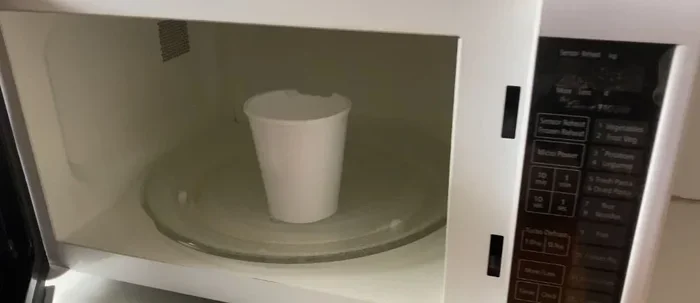
Can you microwave polystyrene cups? The short answer is no for most types. Polystyrene foam cups can release harmful chemicals and melt when exposed to high heat, posing serious food safety risks. Only cups labeled microwave safe should ever go in the microwave. This guide breaks down the science, risks, and safest alternatives so you can protect yourself and your family.
Have you ever been in a rush and thought about tossing a polystyrene cup in the microwave? Maybe you had leftover coffee or a quick soup and the cup seemed like the easiest option. It is a common scenario in kitchens around the world. But the real question is, can you microwave polystyrene cups without putting your health at risk?
The answer might surprise you. While some people do it every day without any immediate problems, the truth is that microwave polystyrene cups can be dangerous. Most standard foam cups are not designed to handle the heat inside a microwave. Understanding why matters for your food safety and your well-being.
Key Takeaways
- Standard polystyrene cups are not microwave safe: Regular styrofoam cups can melt and leach toxins into your food or drink.
- Look for the microwave-safe label: Only use polystyrene containers that specifically say they are safe for microwave use.
- High heat causes chemical leaching: Microwave radiation heats the cup unevenly, which can cause harmful chemicals to seep into your beverages.
- Safer alternatives exist: Glass, ceramic, and microwave-safe paper cups are much better options for reheating drinks.
- Recycling polystyrene is tricky: Not all recycling programs accept polystyrene, so check your local guidelines before tossing it.
- Even short bursts of heat are risky: Don’t assume a few seconds in the microwave makes polystyrene cups safe.
- Check for BPA and other harmful additives: Some polystyrene products contain chemicals that are especially dangerous when heated.
📑 Table of Contents
- What Is Polystyrene and Why Is It Used for Cups?
- Can You Microwave Polystyrene Cups? The Short Answer
- The Risks of Microwaving Polystyrene Cups
- How to Tell If a Polystyrene Cup Is Microwave Safe
- Safe Alternatives to Polystyrene Cups for the Microwave
- Expert Tips for Microwave Safety
- The Science of Microwave Heating and Plastic
- Environmental Impact of Polystyrene Cups
- Conclusion
What Is Polystyrene and Why Is It Used for Cups?
Polystyrene is a type of plastic that has been around for decades. It is lightweight, inexpensive, and a great insulator. That is why you see it everywhere in disposable cups, takeout containers, and packaging materials.
The Science Behind Polystyrene
Polystyrene is made from petroleum-based products. When expanded with air, it becomes what most people know as styrofoam. This expanded form is incredibly light and holds heat well, which is why coffee shops love using it. The material also keeps cold drinks cold, making it a versatile choice for single-use items.
However, polystyrene has a low melting point compared to other plastics. It starts to soften at around 212 degrees Fahrenheit (100 degrees Celsius). Since microwaves heat food and drinks to very high temperatures quickly, this creates a real problem. The cup may not just get warm, it can actually deform, warp, or partially melt.
Common Uses of Polystyrene Cups
You will find polystyrene cups at almost every office, diner, and fast-food restaurant. They are popular because they are cheap to produce and easy to throw away. Here are some common situations where you might encounter them:
- Coffee shops: Hot coffee and latte cups often use polystyrene foam.
- Soda fountains: Large cups for cold drinks are frequently made from this material.
- Food courts: Noodle soup and hot chocolate cups are often polystyrene.
- Party supplies: Disposable cups for large gatherings are commonly polystyrene.
- Hospital and cafeteria settings: Single-use cups for cost efficiency.
Despite their convenience, these cups were never really designed to be reheated. Their primary job is to hold a drink, not to survive the intense heat of a microwave oven.
Can You Microwave Polystyrene Cups? The Short Answer
Let us get straight to the point. Can you microwave polystyrene cups? For the vast majority of polystyrene cups, the answer is a firm no. Standard polystyrene foam cups are not microwave safe. Putting them in a microwave can lead to melting, chemical leaching, and potential health hazards.
However, there is a small exception. Some polystyrene containers are specifically manufactured to be microwave safe. These products go through additional testing and are labeled accordingly. If you see a “microwave safe” symbol or label on the cup, it has been approved for short-term microwave use. But even then, you should follow the guidelines carefully.
Why Most Polystyrene Cups Fail in the Microwave
Microwaves work by exciting water molecules in food and drink. This creates heat from the inside out. When a polystyrene cup is placed inside, the microwave radiation heats the contents, and that heat transfers to the cup. Since polystyrene is a poor heat conductor, the heat builds up unevenly. This uneven heating causes several problems:
- The cup warps or melts: The sides of the cup may droop, lean, or collapse into your drink.
- Chemicals leach into your beverage: Heat causes the polystyrene to break down and release styrene, a chemical that health experts consider potentially harmful.
- Burn risk increases: A melted or deformed cup can spill hot liquid, causing burns.
- Taste and odor change: Chemicals from the cup can give your drink a plastic taste or smell.
The microwave safety of any container depends on its material composition and the temperature it can withstand. Polystyrene generally does not measure up to the demands of microwave heating.
The Risks of Microwaving Polystyrene Cups
Understanding the risks helps you make informed decisions about what goes into your microwave. Let us break down the main concerns when you microwave polystyrene cups.
Chemical Leaching and Toxic Exposure
This is the biggest concern. Polystyrene contains a chemical called styrene. When heated, styrene can migrate from the cup into your food or drink. Studies have shown that exposure to styrene may cause health problems, including irritation of the skin, eyes, and upper respiratory tract. Some research also links long-term exposure to more serious health effects.
Even if the cup looks fine on the outside, invisible chemicals can be seeping into your morning coffee or afternoon soup. The hotter the liquid, the more leaching occurs. This is why food safety experts strongly advise against microwaving any unapproved polystyrene container.
Melting and Structural Failure
Polystyrene foam has a relatively low melting point. When exposed to the high temperatures inside a microwave, the cup can start to lose its shape. You might notice the edges curling or the bottom sagging. In worse cases, the cup collapses entirely, spilling hot liquid everywhere.
This is not just a mess, it is a burn hazard. Hot coffee or soup spilling from a melted polystyrene cup can cause serious skin injuries. The risk is real, especially when you are in a hurry and not paying close attention.
Uneven Heating and Hot Spots
Microwaves are known for creating hot spots, which are areas of intense heat within the food or drink. Polystyrene cups do not distribute heat evenly. This means one part of the cup might be extremely hot while another part feels cool. The result is a cup that could burn your hands or lips unexpectedly.
Unlike glass or ceramic, polystyrene does not absorb and distribute heat in a balanced way. It acts as an insulator, trapping heat in certain areas and creating unpredictable temperature zones.
Environmental and Recycling Concerns
Beyond health risks, there are environmental concerns. Polystyrene is notoriously difficult to recycle. Many recycling programs do not accept it because it is lightweight and contaminated easily. When people microwave polystyrene cups, the cups become even harder to recycle since they are now food-contaminated.
Styrene also does not biodegrade easily. It can sit in landfills for hundreds of years. Choosing microwave safe alternatives helps reduce your environmental footprint as well.
How to Tell If a Polystyrene Cup Is Microwave Safe
Not all polystyrene products are created equal. Some are designed to handle microwave heat, while others are not. Here is how you can tell the difference.
Check the Label and Symbols
The easiest way to find out if a cup is microwave safe is to look for a label or symbol on the bottom. Manufacturers are required to include clear instructions. Look for:
- A microwave icon that looks like a microwave oven with wavy lines inside.
- Text that says “Microwave Safe” or “Microwavable.”
- A symbol showing a cup with wavy lines above it.
- A number inside a recycling triangle (though this is less reliable for microwave safety).
If you cannot find any label or symbol, do not put it in the microwave. When in doubt, throw it out or use a different container.
Read the Manufacturer Instructions
Some polystyrene cups come with printed instructions on the packaging or the cup itself. These instructions will explicitly state whether the cup can be used in a microwave. Always follow these guidelines carefully.
If the instructions say “not for use in microwave ovens,” then that is a clear answer. Do not test it. The manufacturer knows the material best and has tested it for safety under various conditions.
The Water Test (Use With Caution)
There is a common trick people use to test if a container is microwave safe. You place the empty cup in the microwave alongside a separate cup of water. You microwave both for one minute. If the cup stays cool while the water gets hot, the cup is likely microwave safe. If the cup gets hot, it is absorbing microwave radiation and is not safe.
However, this test is not foolproof, especially with polystyrene. The cup might not get hot immediately but could still leach chemicals. Use this test only as a rough guide, not as definitive proof.
Safe Alternatives to Polystyrene Cups for the Microwave
If you want to reheat your drinks or food safely, there are plenty of better options. These alternatives are designed to handle microwave heat without releasing harmful chemicals.
Glass Containers
Glass is one of the safest materials for microwave use. It does not leach chemicals, it heats evenly, and it is reusable. You can find glass measuring cups and microwave-safe glass mugs at any kitchen store. They are a great long-term investment for your kitchen.
When choosing glass, make sure it is labeled as microwave safe. Some decorative glass or glass with metallic paint should never go in the microwave.
Ceramic Mugs and Bowls
Ceramic is another excellent option. Most ceramic mugs and bowls are safe for microwave use. They are durable, heat-resistant, and come in all sorts of styles. Just make sure there is no metallic glaze or decoration on the ceramic, as metal in a microwave can cause sparks.
Microwave-Safe Paper Cups
If you need a disposable option, microwave-safe paper cups are available. These are coated with a food-safe material that can handle microwave heat. They are not as common as polystyrene cups, but many brands now offer them. Look for the microwave-safe label to be sure.
Silicone Cups and Containers
Silicone is a flexible, heat-resistant material that works well in microwaves. Silicone cups are reusable, easy to clean, and come in fun colors. They are a great eco-friendly alternative to single-use polystyrene cups.
Stainless Steel Travel Mugs (For Non-Microwave Use)
While stainless steel is not microwave safe, it is worth mentioning for reheating purposes. You can pour your drink into a microwave-safe container, heat it, and then transfer it to a stainless steel travel mug to keep it warm on the go.
Comparison Table: Polystyrene vs. Microwave-Safe Alternatives
| Feature | Polystyrene Cups | Glass | Ceramic | Microwave-Safe Paper | Silicone |
|---|---|---|---|---|---|
| Microwave Safe | Usually No | Yes | Yes | Yes (if labeled) | Yes |
| Heat Resistance | Low | High | High | Medium | High |
| Chemical Leaching Risk | High | None | None | Low | None |
| Reusable | No | Yes | Yes | No | Yes |
| Cost | Very Low | Medium | Medium | Low | Medium |
| Eco-Friendly | Poor | Good | Good | Fair | Very Good |
| Melting Risk | High | None | None | Low | None |
As you can see from the table, polystyrene cups fall short in almost every category when it comes to microwave use. The safer alternatives may cost a bit more, but they are worth it for your health and peace of mind.
Expert Tips for Microwave Safety
Even if you use the right containers, it helps to follow a few expert tips to keep your microwave experience safe and efficient.
Quick Tips for Safe Microwave Use
- Always check the label: Before microwaving any container, look for the microwave-safe symbol.
- Avoid heating empty containers: An empty polystyrene cup can still warp or release chemicals from the heat of the microwave alone.
- Use short heating intervals: Heat in 30-second bursts and stir in between to avoid hot spots.
- Never microwave damaged containers: Cracked, scratched, or warped containers can leach more chemicals.
- Vent the container: Leave the lid slightly open or use a microwave-safe cover to allow steam to escape.
- Let food rest after heating: Give your food a minute or two to distribute the heat evenly before consuming.
- Keep a microwave-safe plate underneath: This catches any drips or spills and protects the microwave turntable.
Common Mistakes People Make
Even careful people make mistakes in the kitchen. Here are some common errors to avoid:
- Assuming all foam cups are the same: Not all foam is polystyrene. Some foam cups are made from different materials that may be microwave safe. Always check the label.
- Thinking a few seconds will not hurt: Even brief microwave exposure can cause polystyrene to leach chemicals. There is no safe amount of time for standard polystyrene cups.
- Reusing disposable polystyrene cups: These cups are designed for single use. Reusing them, especially in the microwave, increases the risk of chemical leaching and structural breakdown.
- Ignoring the recycling number: Polystyrene is often marked with recycling number 6. This does not mean it is microwave safe, and it is rarely accepted by curbside recycling programs.
What to Do If You Accidentally Microwaved a Polystyrene Cup
Accidents happen. If you realize you microwaved a regular polystyrene cup, do not panic. Here is what you should do:
- Stop the microwave immediately if the cup has melted or deformed.
- Do not drink the contents. The liquid may be contaminated with chemicals.
- Let the cup cool before handling. Melted polystyrene can be very hot.
- Dispose of the cup properly. Do not reuse it for any purpose.
- Inspect your microwave for any melted residue. Clean it thoroughly with a damp cloth.
If you only microwaved the cup for a few seconds and it shows no visible damage, the risk is lower. But it is still best to err on the side of caution and avoid drinking from it.
The Science of Microwave Heating and Plastic
To really understand why can you microwave polystyrene cups is such a debated topic, it helps to understand how microwaves interact with plastic. Microwaves use a type of electromagnetic radiation to vibrate water molecules. This vibration creates heat. Plastics respond to this radiation differently depending on their chemical structure.
Polystyrene is a polymer made of long chains of styrene monomers. When heated rapidly by microwave radiation, these chains can break down. This breakdown releases styrene monomer, which is the same chemical that raises health concerns. The process accelerates at higher temperatures, which is why microwaving is especially risky.
In contrast, microwave-safe plastics are engineered with additives that make them more stable at high temperatures. They have higher heat resistance and are tested to ensure they do not release harmful substances. This is why the microwave safe label matters so much. It means the product has been tested and approved for this specific use.
It is also worth noting that the FDA regulates microwave-safe food containers. Products that carry the microwave-safe label have been evaluated for chemical migration and structural integrity under microwave conditions. This regulatory oversight gives consumers some confidence, but it only applies to products that have been properly labeled.
Environmental Impact of Polystyrene Cups
The environmental impact of polystyrene is another important reason to avoid microwaving these cups and to reduce their use overall. Polystyrene cups are used for an average of 20 minutes but can persist in the environment for over 500 years.
When polystyrene is microwaved and then discarded, it becomes even more problematic. The heat can cause the material to break into smaller particles, making it harder to collect and recycle. Many municipalities have banned or restricted polystyrene foam precisely because of these environmental concerns.
Switching to reusable or microwave-safe alternatives not only protects your health but also reduces the amount of waste that ends up in landfills and oceans. It is a small change that makes a big difference over time.
Conclusion
So, can you microwave polystyrene cups? The answer is clear: do not microwave standard polystyrene cups. The risks of chemical leaching, melting, and structural failure are too significant to ignore. Your health and safety should always come first in the kitchen.
If you need to reheat a drink or meal, take a few extra seconds to transfer it to a microwave safe glass, ceramic, or silicone container. These alternatives are safer, more durable, and better for the environment too.
Always check for the microwave-safe label before putting any container in the microwave. When it comes to polystyrene cups, the safest choice is simply to avoid microwaving them altogether. Make this a habit in your kitchen, and you will protect yourself and your loved ones from unnecessary risks.
Small changes in how you handle your food and drinks can lead to big improvements in your health. Start today by swapping out those polystyrene cups for safer, microwave-friendly options. Your body will thank you.
Frequently Asked Questions
Can you microwave a polystyrene cup for just 10 seconds?
Even a short time in the microwave can cause polystyrene to leach chemicals. There is no safe duration for microwaving standard polystyrene cups. Always use a microwave-safe container instead, regardless of the heating time.
What happens if you accidentally microwave a polystyrene cup?
If you accidentally microwave a polystyrene cup, stop the microwave right away. Do not drink the contents if the cup has melted or deformed. Let it cool, dispose of it properly, and inspect your microwave for any residue. If the cup looks intact after just a few seconds, the risk is lower, but it is still best to avoid drinking from it.
Are all foam cups made of polystyrene?
No, not all foam cups are polystyrene. Some foam cups are made from other materials like polyethylene or bio-based foams. However, you should always check the label or packaging to confirm whether a foam cup is microwave safe before putting it in the microwave.
Can you put a Starbucks polystyrene cup in the microwave?
Most Starbucks cups, including their hot coffee cups, are made of polystyrene foam and are not microwave safe. Starbucks recommends transferring your drink to a microwave-safe mug or cup before reheating. Always check the cup for any microwave-safe labeling before use.
Is polystyrene toxic when heated?
Yes, heating polystyrene can cause it to release styrene, a chemical that health experts consider potentially toxic. The risk increases with higher temperatures and longer heating times. This is why it is important to never microwave polystyrene cups or containers that are not specifically labeled as microwave safe.
What is the safest cup to use in the microwave?
The safest cups for microwave use are glass, ceramic, and silicone containers that are labeled microwave safe. These materials do not leach chemicals, handle heat evenly, and are reusable. Avoid using any unlabeled plastic or foam containers in the microwave.