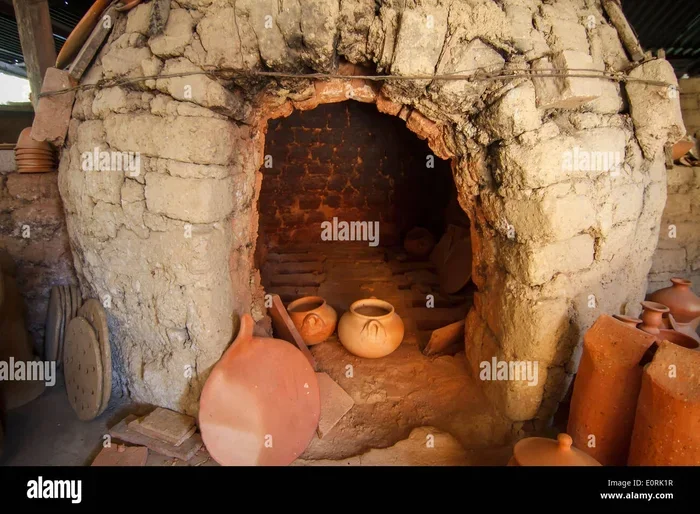
Can You Bake Ceramic Clay In The Oven Without Breaking It
Yes, you can bake ceramic clay in the oven safely if you follow the right temperature, timing, and preparation steps. Many crafters use a home oven as a kiln alternative for small ceramic projects. This guide walks you through everything you need to know about oven-baked ceramic without cracking or breaking your finished piece.
There is something truly satisfying about creating something with your own hands. Whether you are a seasoned ceramic artist or just starting out with DIY pottery, the question of how to cure your work safely at home comes up often. Many people assume you need a expensive kiln to harden ceramic clay properly. But what if you could use something you already own? Your kitchen oven might just be the answer.
Can you bake ceramic clay in the oven without breaking it? The short answer is yes. The longer answer depends on a few important factors like clay type, temperature, and timing. In this guide, we will walk you through every step so your clay projects come out perfect every single time. No guesswork. No wasted materials. Just clear, practical advice you can use right away.
We have all been there. You spend hours shaping a beautiful piece, carefully smoothing every edge, and then — disaster. It cracks in the oven or breaks right after you take it out. That frustration is real, and it is completely avoidable. This article will show you exactly how to prevent it. We will cover oven baking basics, the best ceramic temperature settings, common pitfalls, and expert tips that make a huge difference. By the end, you will feel confident enough to start your next ceramic craft project at home.
Key Takeaways
- Oven baking works: You can cure ceramic clay in a standard home oven with the right settings and precautions.
- Temperature control is critical: Most ceramic clays need a slow, steady heat between 250°F and 300°F to avoid cracking.
- Prep matters: Drying your piece slowly before baking prevents moisture-related breakage.
- Not all clays are equal: Polymer clay and certain low-fire ceramic clays respond best to oven baking.
- Kiln vs. oven: An oven can substitute for a kiln for small projects, but results differ in durability and finish.
- Patience pays off: Rushing the baking process is the number one cause of cracked or broken ceramic pieces.
📑 Table of Contents
- What Is Ceramic Clay and Why Does It Matter?
- Can You Bake Ceramic Clay In The Oven?
- The Right Temperature and Time for Baking Ceramic Clay
- Common Mistakes That Cause Cracking and Breakage
- Oven-Baked Ceramic vs. Kiln-Fired Ceramic
- Tips for Perfect Results Every Time
- Best Types of Clay for Oven Baking
- How to Troubleshoot Common Oven-Baking Problems
- Final Thoughts on Baking Ceramic Clay in the Oven
What Is Ceramic Clay and Why Does It Matter?
Before we dive into oven baking, let us quickly understand what we are working with. Ceramic clay is a natural material made from minerals and earth elements. When wet, it is soft and moldable. When heated to high temperatures, it hardens permanently through a process called firing. This is what turns soft mud into durable pottery, tiles, and sculptures.
Not all clays are the same, though. Different types of ceramic clay have different properties. Some need extremely high kiln temperatures above 2000 degrees Fahrenheit to fully harden. Others are designed specifically for lower heat and can be cured in a standard home oven. Understanding your clay type is the first step toward success.
Types of Ceramic Clay
Here are the most common types of ceramic clay you will encounter:
- Earthenware clay: A low-fire clay that hardens at around 1800 to 2100 degrees Fahrenheit. It is porous and often used for decorative pieces.
- Stoneware clay: A mid-to-high fire clay that needs temperatures around 2200 to 2400 degrees Fahrenheit. Very durable and ideal for functional pottery.
- Porcelain clay: A high-fire clay requiring temperatures above 2400 degrees Fahrenheit. Known for its smooth, white finish and strength.
- Polymer clay: Not technically ceramic clay but often grouped with it. It cures at much lower temperatures, around 265 to 300 degrees Fahrenheit, making it perfect for oven use.
- Air-dry clay: Does not need any heat at all. It hardens naturally at room temperature but is less durable than fired clay.
For the purpose of this article, we are focusing on traditional ceramic clay that can be baked in an oven. This mainly includes certain low-fire earthenware clays and polymer clays. If you are using standard stoneware or porcelain, an oven alone will not fully cure the material.
Can You Bake Ceramic Clay In The Oven?
Can you bake ceramic clay in the oven? Absolutely. Many crafters and hobbyists successfully use home ovens to cure small ceramic pieces. It is one of the most accessible kiln alternatives available. However, there are important limitations and precautions you must understand before you start.
A standard kitchen oven can reach temperatures up to 500 or 550 degrees Fahrenheit. Most ceramic clays need temperatures well below that range for safe oven curing. This means your oven has plenty of capability — but you need to control it carefully. The biggest risks are thermal shock, uneven heating, and temperature spikes. All of these can cause your piece to crack or shatter.
When Oven Baking Works Best
Oven baking is ideal for specific situations:
- Small decorative pieces: Figurines, ornaments, jewelry, and small sculptures work very well.
- Polymer clay projects: Polymer clay is specifically designed for oven curing and produces excellent results at home.
- Low-fire earthenware: Certain low-fire ceramic clays can be partially cured in an oven for decorative use.
- Test pieces and prototypes: If you are experimenting with a new design, an oven lets you test without committing to a full kiln firing.
- Beginner projects: If you are new to ceramic crafts, oven baking removes the barrier of needing a kiln.
When Oven Baking Is Not Enough
It is equally important to know when an oven will not do the job. Large pottery pieces, functional dishes, and high-fire ceramics need the intense and consistent heat of a proper kiln. An oven cannot reach or maintain the temperatures required for these projects. Trying to force the process will only lead to disappointment and broken pieces.
Also, oven-baked ceramic is generally less durable than kiln-fired ceramic. The clay durability will not match what you get from a professional firing. For decorative items and crafts, this is perfectly fine. For items that need to hold weight or withstand daily use, kiln firing is the better choice.
The Right Temperature and Time for Baking Ceramic Clay
Getting the baking temperature and time right is the most important part of the entire process. Too hot, too fast, or too long — any of these mistakes can ruin your piece. Let us break down exactly what you need to know.
Recommended Temperature Range
For most oven-baked ceramic and polymer clay projects, the ideal temperature range is between 250 and 300 degrees Fahrenheit. Here is a general guideline:
- Polymer clay: 265 to 275 degrees Fahrenheit for 15 to 30 minutes per quarter inch of thickness.
- Low-fire ceramic clay: 250 to 275 degrees Fahrenheit for 1 to 2 hours, depending on the size of the piece.
- Mixed media projects: Start at 250 degrees and increase slowly if needed.
Always check the manufacturer’s instructions on your clay packaging. Different brands and types have slightly different requirements. Following those guidelines closely will give you the best results.
Why Slow and Steady Wins the Race
The key to successful oven baking is gradual heating. Your oven should warm up slowly and maintain a consistent temperature throughout the process. Sudden temperature changes cause the moisture inside the clay to evaporate too quickly. This creates steam pockets that expand and crack the clay from the inside out.
Here is a simple approach that works well:
- Place your oven on a warm setting rather than a high bake setting.
- Let the oven reach the target temperature slowly over 20 to 30 minutes.
- Once at temperature, set a timer for the recommended duration.
- Turn off the oven and let the piece cool down inside with the door slightly ajar.
- Do not remove the piece until it is completely cool.
This slow approach mimics what a kiln does but on a smaller scale. It gives the clay time to cure evenly without building up internal pressure. The result is a stronger, less cracked finished piece.
Common Mistakes That Cause Cracking and Breakage
Even with the best intentions, many people make avoidable mistakes that lead to cracked or broken ceramic pieces. Let us look at the most common ones and how to prevent them.
Mistake 1: Skipping the Drying Phase
One of the biggest errors is placing wet or damp clay directly into the oven. The moisture trapped inside turns to steam rapidly, and that steam has nowhere to go. The pressure builds up and splits the clay apart. Always let your piece air dry completely before baking. This can take anywhere from 24 to 48 hours depending on the size and thickness.
Mistake 2: Setting the Temperature Too High
It is tempting to crank up the heat to speed things along. Resist that urge. High temperatures cause the outer surface of the clay to harden too quickly while the inside is still wet. This uneven curing creates stress fractures that lead to cracking. Patience is your best friend here.
Mistake 3: Opening the Oven Door Too Often
Every time you open the oven door, you release heat and create a temperature drop. These fluctuations are harmful to curing clay. Try not to open the door during the baking process. Use the oven light to check on your piece if needed.
Mistake 4: Placing Thick Pieces Directly on a Hot Pan
Thick pieces of clay need special attention. Placing them directly on a hot metal surface causes the bottom to heat much faster than the top. This uneven expansion leads to warping and cracking. Use a ceramic tile or a piece of cardboard on the baking sheet to create a buffer.
Mistake 5: Cooling Too Quickly
Removing your piece from the oven and placing it on a cold countertop is a recipe for disaster. The sudden temperature change causes thermal shock. Let your piece cool down gradually inside the oven with the door propped open. This simple step makes a massive difference.
Quick Tip: If you are worried about cracking, place a small dish of water in the oven alongside your clay piece. This adds moisture to the oven environment and helps prevent the clay from drying out too fast on the surface.
Oven-Baked Ceramic vs. Kiln-Fired Ceramic
If you are serious about ceramic art, you might wonder how oven-baked pieces compare to kiln-fired ones. Both have their place, but they are not the same. Understanding the differences helps you choose the right method for each project.
Durability and Strength
Kiln-fired ceramic is significantly stronger and more durable. The intense heat fuses the clay particles together at a molecular level, creating a dense, hard material. Oven-baked ceramic is cured but not fully vitrified. It is harder than air-dry clay but will not match the strength of kiln-fired work.
For decorative pieces, oven-baked ceramic is perfectly strong. For functional items like plates, bowls, or mugs that will hold food or withstand regular handling, kiln firing is strongly recommended.
Finish and Appearance
Kiln-fired pieces can be glazed and fired again at high temperatures, creating a glass-like, waterproof surface. Oven-baked ceramic cannot be glazed in the same way. However, you can apply acrylic sealers, varnishes, or ceramic coatings to achieve a finished look. The appearance will be different, but it can still be beautiful and professional.
Porosity and Water Resistance
Oven-baked ceramic tends to be more porous than kiln-fired ceramic. This means it absorbs more water and is less waterproof. If you are making items that need to hold liquid, kiln firing is the way to go. For decorative figurines or display pieces, porosity is not a concern.
| Feature | Oven-Baked Ceramic | Kiln-Fired Ceramic |
|---|---|---|
| Temperature Range | 250 to 300 degrees F | 1800 to 2400 degrees F |
| Equipment Needed | Home oven | Kiln |
| Cost | Low | High |
| Durability | Moderate | Very high |
| Water Resistance | Low to moderate | High (with glaze) |
| Best For | Decorative pieces, crafts | Functional pottery, art |
| Glazing Options | Sealants and varnishes | Full ceramic glaze |
Tips for Perfect Results Every Time
Now that you understand the basics, let us look at practical tips that will elevate your oven-baked ceramic game. These are the small details that separate a good result from a great one.
Use a Thermometer
Most home ovens are not perfectly accurate. The temperature dial might say 275 degrees, but the actual temperature inside could be 250 or 300 degrees. Invest in a simple oven thermometer and place it inside to monitor the real temperature. This one adjustment can dramatically improve your results.
Preheat and Then Reduce
Some experts recommend preheating your oven to the target temperature and then reducing it by 25 degrees before placing your piece inside. This ensures the oven is at the right temperature without the initial heat spike that can shock the clay.
Support Your Pieces Properly
Use a ceramic tile, a piece of ceramic fiber board, or even a thick layer of cardboard on your baking sheet. This provides a flat, even surface and prevents the bottom of your piece from overheating. For round or uneven pieces, use a bed of dry sand or vermiculite to support them gently.
Flip Halfway Through
If your piece is more than a quarter inch thick, consider flipping it halfway through the baking time. This helps both sides cure more evenly and reduces the risk of one side hardening faster than the other.
Let It Cool Completely
Do not rush the cooling process. Once the baking time is complete, turn off the oven and leave the door slightly open. Allow the piece to cool down to room temperature inside the oven. This gradual cooling prevents thermal shock and is one of the easiest ways to avoid cracks.
Seal Your Finished Piece
After your piece has cooled completely, consider sealing it with a clear acrylic sealer or ceramic varnish. This adds a layer of protection, enhances the color, and makes the surface more resistant to moisture. It is a simple step that extends the life of your ceramic finished piece significantly.
Expert Insight: Professional ceramic artists often recommend doing a test bake with scrap clay before committing your main piece. This lets you dial in the exact temperature and timing for your specific oven and clay combination. It takes ten minutes and saves hours of frustration.
Best Types of Clay for Oven Baking
Not every clay is created equal when it comes to oven curing. Some brands and types are specifically formulated for home oven use. Here are the best options to consider for your next project.
- Sculpey Original Polymer Clay: One of the most popular brands. Cures at 275 degrees Fahrenheit and is available in dozens of colors. Great for beginners.
- FIMO Professional Polymer Clay: A slightly firmer clay that holds fine details well. Cures at 230 degrees Fahrenheit and produces a durable finish.
- Premo Sculpey: A versatile polymer clay with a smooth texture. Bakes at 275 degrees Fahrenheit and is strong enough for jewelry and decorative pieces.
- Low-fire earthenware clay: Some ceramic potters use specially formulated low-fire clays that can be partially cured in an oven for decorative items.
When shopping for clay, look for packaging that explicitly states it is safe for oven curing. If the instructions say “kiln only” or specify temperatures above what your oven can safely reach, it is not the right clay for home baking.
Also, keep in mind that air dry clay is not meant for oven baking. It cures through evaporation at room temperature. Putting air dry clay in the oven can cause it to crack, warp, or even scorch. Always double-check the type of clay you are using before turning on the heat.
How to Troubleshoot Common Oven-Baking Problems
Even when you follow all the instructions, things can go wrong. Here is how to handle the most common issues.
If Your Piece Cracked During Baking
Cracks usually mean the temperature was too high or the heating was too fast. The clay dried unevenly, creating stress points. Unfortunately, cracked pieces cannot be un-baked and re-cured easily. You can fill small cracks with epoxy or clay filler after baking, but prevention is always better.
If Your Piece Is Still Soft After Baking
This means it did not bake long enough or at a high enough temperature. You can put it back in the oven for additional time at the correct temperature. Add 10 to 15 minutes and check again. Repeat if necessary until the piece is firm throughout.
If Your Piece Warped or Bent
Warping happens when the bottom of the piece heats faster than the top. This is usually caused by placing the piece directly on a metal baking sheet. Use a ceramic tile or insulating layer next time to prevent this.
If Your Piece Smells Bad
A strong chemical smell during baking is normal for polymer clays, especially at the beginning. It should dissipate within a few minutes. If the smell persists or is unusually harsh, your oven temperature may be too high. Lower it by 10 to 15 degrees and try again.
Final Thoughts on Baking Ceramic Clay in the Oven
Can you bake ceramic clay in the oven without breaking it? Yes, you absolutely can. With the right clay, the right temperature, and the right patience, your home oven becomes a powerful tool for creating beautiful ceramic crafts. The key is to go slow, stay consistent, and never rush the process.
Remember that oven baking is best suited for small to medium decorative pieces and polymer clay projects. For large functional pottery, a kiln remains the gold standard. But for hobbyists, crafters, and anyone exploring DIY pottery at home, your kitchen oven opens up a world of creative possibilities.
Start with simple projects. Practice your technique. Learn how your specific oven behaves. Every piece you bake teaches you something new. Soon enough, you will be creating stunning ceramic art right in your own home, no expensive equipment required. The satisfaction of holding a finished piece you made with your own hands — and cured in your own oven — is truly unbeatable.
So go ahead. Gather your materials, preheat that oven, and start creating. Your next masterpiece is waiting. Just remember to be patient, follow the guidelines, and enjoy the process. Happy crafting!
Frequently Asked Questions
What temperature do you bake ceramic clay in the oven?
Most ceramic and polymer clays bake between 250 and 300 degrees Fahrenheit. Always check the manufacturer’s instructions on your specific clay package. Polymer clays like Sculpey and FIMO typically cure at 265 to 275 degrees Fahrenheit for 15 to 30 minutes per quarter inch of thickness.
Can you use a regular kitchen oven for ceramic clay?
Yes, a regular kitchen oven works well for small ceramic and polymer clay projects. Just make sure your oven can maintain a steady temperature in the 250 to 300 degree range. Use an oven thermometer to verify accuracy, since many home ovens have temperature fluctuations.
How long should you bake ceramic clay in the oven?
Baking time depends on the thickness of your piece. A general rule is 15 to 30 minutes per quarter inch of thickness at 275 degrees Fahrenheit. Thicker pieces may need longer baking times. Always let the piece cool completely inside the oven before removing it.
Will oven-baked ceramic crack or break easily?
If you follow the proper steps — slow heating, correct temperature, and gradual cooling — oven-baked ceramic should not crack or break easily. The most common causes of cracking are rushing the process, setting the temperature too high, or cooling the piece too quickly after baking.
Can you glaze oven-baked ceramic?
Traditional ceramic glazes require kiln firing temperatures that a home oven cannot reach. However, you can use acrylic sealers, varnishes, or ceramic coatings to finish and protect oven-baked pieces. These provide a nice sheen and some water resistance.
Is oven-baked ceramic safe for food use?
Most oven-baked ceramic is not recommended for food contact. The curing process does not create the same non-porous, food-safe surface as kiln firing. If you want to make functional dishes or mugs, kiln firing is the safer and more durable option.
=== CONCLUSION ===
Can you bake ceramic clay in the oven without breaking it? The answer is a confident yes. With the right approach, the correct temperature, and a little patience, you can create beautiful ceramic pieces right at home. Remember to dry your clay thoroughly before baking, keep the temperature between 250 and 300 degrees Fahrenheit, and always let your piece cool down slowly. Avoid the common pitfalls we covered, and your oven-baked ceramic projects will turn out wonderfully. Whether you are making decorative figurines, jewelry, or small sculptures, your home oven is a reliable and accessible kiln alternative for ceramic crafts. Start experimenting today and enjoy the creative journey!