Beef Done Medium
Beef done medium is the sweet spot between undercooked and overdone — delivering a warm pink center, maximum juiciness, and rich flavor. Whether you are grilling a steak or pan-searing a roast, knowing how to achieve this doneness level transforms your cooking. This guide covers temperatures, timing, techniques, and common mistakes so you can serve perfect medium beef every single time.
There is something magical about a steak cooked to beef done medium. The outside is caramelized and slightly crispy, while the inside holds that perfect warm pink color. Every bite is juicy, tender, and full of beefy flavor. If you have ever wondered how to get that restaurant-quality result at home, you are in the right place.
Beef done medium is widely considered the ideal doneness level by chefs and home cooks alike. It strikes the perfect balance between safety, flavor, and texture. Unlike rare beef, which can feel too cool in the center, or well-done beef, which tends to dry out, medium beef hits a sweet spot that most people love. In this guide, we will walk you through everything you need to know — from temperatures and timing to the best cuts and cooking methods.
Whether you are grilling outdoors, pan-searing on the stovetop, or using a sous vide setup, this article has you covered. We will share practical tips, common mistakes to avoid, and expert insights that will level up your beef cooking skills immediately. Let us dive in.
Key Takeaways
- Target Temperature: Beef done medium should reach an internal temperature of 135–145°F (57–63°C) for safe, juicy results.
- Resting Matters: Always rest your beef for 5–10 minutes after cooking to lock in juices and allow carryover cooking.
- Best Cuts: Ribeye, strip steak, and filet mignon are ideal cuts for achieving beef done medium.
- Use a Thermometer: A reliable meat thermometer is the single most important tool for consistent doneness.
- Avoid Overcooking: Even a few extra minutes can push beef past medium into well-done territory.
- Searing Is Key: A hot sear creates a flavorful crust while keeping the inside perfectly medium.
📑 Table of Contents
- What Does Beef Done Medium Look Like?
- The Perfect Internal Temperature for Medium Beef
- How to Cook Beef Done Medium on the Stovetop
- Grilling Beef Done Medium: Tips and Techniques
- Best Cuts of Beef for Medium Doneness
- Common Mistakes to Avoid When Cooking Medium Beef
- Expert Tips for Perfect Medium Beef Every Time
- How to Tell If Your Beef Is Actually Medium
- Conclusion
What Does Beef Done Medium Look Like?
Before we talk about how to cook it, let us talk about what beef done medium actually looks and feels like. Understanding the visual and tactile cues helps you judge doneness without relying solely on a thermometer — though we still strongly recommend using one.
The Color Clue
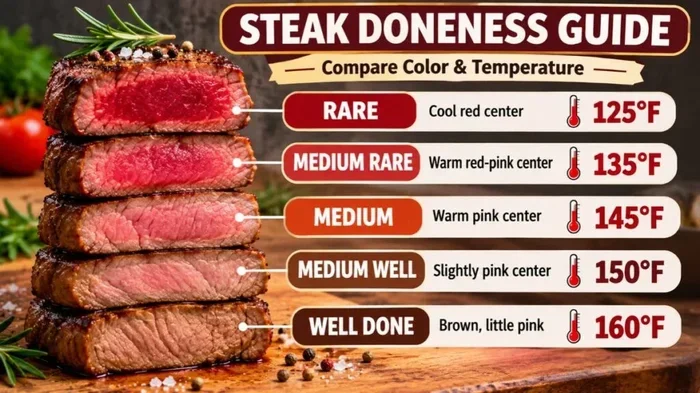
When you cut into a steak cooked to beef done medium, the center should be warm pink. Not red like rare beef, and not gray like well-done beef. The pink should be uniform and slightly firm to the touch but still yielding. The outer crust, from searing, will be a deep brown or caramelized brown. That contrast between the dark crust and the pink center is what makes medium beef so visually appealing on the plate.
The Touch Test
Experienced cooks often use the touch test to gauge doneness. For beef done medium, press the center of the steak with your finger or tongs. It should feel firm but still have a slight give — like the fleshy part of your palm when you touch your thumb to your middle finger. If it feels very soft and squishy, it is likely undercooked. If it feels very firm, it is probably overcooked.
The Juice Test
Another visual indicator is the juice color. When you poke or cut into medium beef, the juices should be pink, not clear (which indicates well-done) and not bright red (which indicates rare). This is a simple but effective way to check your progress while cooking.
The Perfect Internal Temperature for Medium Beef
Temperature is the most reliable way to ensure your beef done medium turns out perfectly every time. The USDA recommends cooking ground beef to 160°F for safety, but for whole-muscle cuts like steaks and roasts, the guidelines are different and more nuanced.
Recommended Temperatures
For beef done medium, aim for an internal temperature of 135°F to 145°F (57°C to 63°C) as measured by a meat thermometer inserted into the thickest part of the cut. Here is a quick reference:
- 135°F (57°C): Medium-rare — more red and cool in the center.
- 140°F (60°C): Medium — warm pink center, ideal for most steaks.
- 145°F (63°C): Medium-well — slight pink hint, firmer texture.
Most people consider 140°F the sweet spot for beef done medium. At this temperature, the meat is safe to eat (since whole-muscle beef is typically seared on the outside), juicy, and full of flavor.
Why Carryover Cooking Matters
Here is something many beginners miss: beef continues to cook after you remove it from the heat source. This is called carryover cooking. The internal temperature can rise by 5°F to 10°F during resting. So if you pull your steak off the heat at 135°F, it will reach around 140–145°F by the time it rests. This means you should pull your beef slightly below your target temperature to account for this rise.
How to Cook Beef Done Medium on the Stovetop
Pan-searing is one of the most popular methods for achieving beef done medium. It gives you excellent control over the cooking process and produces a beautiful crust. Here is how to do it right.
Step-by-Step Stovetop Method
- Choose the right cut: Thick steaks (at least 1 inch) work best for medium doneness because they have enough mass to cook evenly without drying out.
- Pat the beef dry: Use paper towels to remove surface moisture. Dry meat sears better and develops a superior crust.
- Season generously: Use salt and pepper at least 40 minutes before cooking, or right before. Seasoning draws out moisture, and if you do it early, the salt helps create a better crust through a process called osmosis.
- Heat your pan: Use a cast-iron skillet or stainless steel pan. Heat it over medium-high heat until it is very hot. Add a high-smoke-point oil like avocado oil or grapeseed oil.
- Sear the steak: Place the beef in the pan and do not move it for 3–4 minutes. Let the Maillard reaction — the chemical reaction between amino acids and sugars — create that deep, flavorful crust.
- Flip and finish: Turn the steak and cook for another 3–4 minutes for medium doneness. Add butter, garlic, and fresh herbs (like thyme or rosemary) during the last minute for extra flavor. Baste the steak with the melted butter using a spoon.
- Check the temperature: Insert your meat thermometer into the thickest part. Pull the steak off when it reaches 135°F for medium.
- Rest the beef: Transfer the steak to a cutting board and let it rest for 5–10 minutes. This allows the juices to redistribute throughout the meat.
Quick Tips for Stovetop Success
- Do not crowd the pan. Cook one steak at a time for even browning.
- Let the steak come to room temperature before cooking — about 30 minutes out of the fridge.
- Use tongs to flip the steak, not a fork, to avoid losing juices.
Grilling Beef Done Medium: Tips and Techniques
Grilling is a fantastic way to cook beef done medium, especially during warmer months. The open flame and smoke add a layer of flavor that is hard to replicate indoors. But grilling requires a slightly different approach than stovetop cooking.
The Two-Zone Grilling Method
The two-zone method is the secret to perfectly grilled medium beef. Here is how it works:
- Zone 1 (Direct heat): This is where the coals or burners are concentrated. You use this zone for searing the steak quickly on both sides.
- Zone 2 (Indirect heat): This is the cooler side of the grill. After searing, you move the steak here to finish cooking gently without burning the outside.
This method gives you full control. You get a great sear from direct heat and a gentle, even cook from indirect heat, which is exactly what you need for beef done medium.
Grilling Times for Medium Doneness
Grilling times vary based on steak thickness, grill temperature, and the type of beef. Here is a general guide for a 1-inch thick steak over medium-high heat:
- First side (searing): 3–4 minutes with the lid open.
- Second side (finishing): 3–4 minutes with the lid closed.
- Total time: Approximately 6–8 minutes for medium doneness.
Always verify with a meat thermometer. Grill marks are great for presentation, but temperature is what determines the actual doneness of your beef done medium.
Reverse Sear for Thick Steaks
If you are cooking a thick cut (2 inches or more), the reverse sear method works beautifully. Start by cooking the steak low and slow in the oven at 250°F until it reaches about 125°F internally. Then sear it on a hot grill or cast-iron skillet for 1–2 minutes per side. This technique produces an incredibly even medium doneness from edge to edge, with a stunning crust.
Best Cuts of Beef for Medium Doneness
Not all cuts of beef are created equal when it comes to cooking to medium. Some cuts shine at this doneness level, while others are better suited for different levels. Here are the best options for beef done medium.
Ribeye Steak
The ribeye is arguably the most popular cut for medium doneness. Its generous marbling — the intramuscular fat — keeps the steak juicy and flavorful even at medium temperatures. The fat melts during cooking, basting the meat from within and creating a rich, buttery texture that is hard to beat.
Strip Steak (New York Strip)
The strip steak offers a great balance of tenderness and beefy flavor. It has less marbling than a ribeye but more than a filet. Cooked to beef done medium, it has a firm yet tender bite with a clean, robust beef taste. It is also one of the most versatile cuts for grilling, pan-searing, or broiling.
Filet Mignon
The filet mignon is the most tender cut of beef, but it has less marbling than the ribeye or strip. This means it can dry out faster when cooked to medium. If you choose filet for beef done medium, be extra careful with timing and always use a meat thermometer. Basting with butter during cooking helps keep it moist.
Sirloin Steak
Sirloin is a leaner cut that is more affordable than ribeye or strip. It works well at medium doneness because the moderate fat content prevents it from becoming too dry. Sirloin has a slightly firmer texture but delivers great beef flavor, especially when seasoned well and seared hot.
Comparison Table: Best Cuts for Medium Beef
| Cut | Marbling | Tenderness | Best Cooking Method | Flavor Profile |
|---|---|---|---|---|
| Ribeye | High | Very tender | Grilling, pan-searing | Rich, buttery |
| Strip Steak | Moderate | Tender | Grilling, pan-searing | Beefy, robust |
| Filet Mignon | Low | Very tender | Pan-searing, sous vide | Mild, delicate |
| Sirloin | Low to moderate | Moderate | Grilling, broiling | Bold, classic |
Common Mistakes to Avoid When Cooking Medium Beef
Even experienced cooks make mistakes when aiming for beef done medium. Knowing what to avoid saves you from dry, overcooked, or undercooked results.
Starting with Cold Beef
One of the most common errors is cooking beef straight from the refrigerator. Cold meat cooks unevenly — the outside can burn before the inside reaches the right temperature. Always let your steak sit at room temperature for 30–45 minutes before cooking. This small step makes a huge difference in achieving even beef done medium.
Skipping the Rest
Cutting into your steak immediately after cooking is tempting, but it is a mistake. The juices inside the meat are under pressure during cooking. When you cut too soon, those juices run out onto the cutting board instead of staying in the steak. Resting for 5–10 minutes allows the juices to redistribute, resulting in a juicier, more flavorful bite.
Using the Wrong Heat Level
Cooking beef at too low a heat for too long dries it out, even if the internal temperature is correct. You need high, direct heat for searing to create the crust. Then moderate heat or indirect heat to finish cooking to medium. Finding the right balance is key.
Not Using a Thermometer
Relying on time alone is unreliable. Every steak is different in thickness, starting temperature, and fat content. A meat thermometer removes the guesswork and takes the guesswork out of achieving perfect beef done medium every time.
Over-seasoning or Under-seasoning
Salt is essential for flavor, but too much too early can draw out moisture and create a wet surface that won’t sear properly. Conversely, under-seasoning leaves the beef bland. A generous coating of kosher salt and freshly cracked black pepper is the classic approach that works beautifully for medium beef.
Expert Tips for Perfect Medium Beef Every Time
Want to take your beef done medium game to the next level? Here are some expert tips that professional chefs use to consistently deliver outstanding results.
Dry Brine for Better Texture
Dry brining means salting the beef and letting it rest uncovered in the refrigerator for several hours or overnight. The salt draws out moisture, which then gets reabsorbed into the meat. This process seasons the beef deeply and improves the texture, making the exterior crust even better when you sear it.
Baste with Butter and Herbs
During the last minute of cooking, add butter, crushed garlic cloves, and fresh thyme or rosemary to the pan. Tilt the pan slightly and use a spoon to baste the steak with the flavored melted butter. This adds richness, aroma, and a beautiful golden color to the surface of your beef done medium.
Try Sous Vide for Precision
If you want absolute precision, sous vide cooking is a game-changer. You seal the steak in a vacuum bag and cook it in a water bath set to exactly 140°F for several hours. This guarantees a perfect edge-to-edge medium doneness with no risk of overcooking. Finish with a quick, hard sear on a hot skillet for 30 seconds per side.
Slice Against the Grain
When serving your medium beef, always slice against the grain. The grain refers to the direction of the muscle fibers. Cutting against them shortens the fibers, making each bite more tender and easier to chew. This is especially important for cuts like sirloin and flank steak.
Experiment with Different Beef Quality Grades
The quality grade of your beef affects the final result significantly. USDA Prime beef has the most marbling and produces the juiciest, most flavorful medium steak. USDA Choice is a great middle ground that is widely available and still delivers excellent results. USDA Select is leaner and more affordable but requires more careful cooking to stay moist at medium doneness.
How to Tell If Your Beef Is Actually Medium
Sometimes, despite your best efforts, you are not sure if the beef is truly medium. Here are a few reliable methods to double-check.
The meat thermometer is your best friend. Insert it horizontally into the thickest part of the steak, avoiding bone or fat pockets. At 140°F, you are right in the sweet spot for medium.
The finger test is another useful tool. Touch the tip of your thumb to your middle finger and press the fleshy base of your palm. That firmness level closely matches medium beef. Compare this feel to the steak as you cook it.
Finally, the visual press test uses tongs or your finger to press the center of the steak. Medium beef will feel like the base of your thumb when you touch your thumb to your ring finger — firm but still slightly springy.
Conclusion
Beef done medium is more than just a doneness level — it is a cooking philosophy that prioritizes flavor, juiciness, and texture. By understanding the right temperatures, choosing the best cuts, and using proper techniques, you can consistently serve medium beef that rivals any restaurant. Remember to use a meat thermometer, let your beef rest, and avoid the common pitfalls that lead to dry or overcooked results.
Whether you are searing a ribeye in a cast-iron skillet, grilling a strip steak over open flame, or using the reverse sear method for a thick filet, the principles remain the same. High heat for searing, careful monitoring of internal temperature, and adequate resting time. Master these fundamentals and beef done medium will become second nature in your kitchen.
So next time you fire up the grill or heat your skillet, keep this guide handy. Your steak will thank you, and everyone at the table will notice the difference. Happy cooking!
Frequently Asked Questions
Is beef done medium safe to eat?
Yes, for whole-muscle cuts like steaks and roasts, beef done medium is considered safe when the exterior is properly seared. The high heat kills surface bacteria, and the internal temperature of 135–145°F is safe for whole cuts. However, ground beef should always be cooked to at least 160°F for safety.
What is the difference between medium and medium-rare beef?
The main difference is internal temperature and color. Medium-rare beef has an internal temperature of 130–135°F with a red center, while medium beef reaches 135–145°F with a warm pink center. Medium beef is slightly firmer and has less red juice than medium-rare.
How long should I rest beef cooked to medium doneness?
Rest your beef for at least 5–10 minutes after cooking. This allows the juices to redistribute throughout the meat, resulting in a juicier and more flavorful bite. For thicker cuts, 10 minutes is ideal. Use a cutting board and loosely tent with foil to keep the meat warm.
Can I use a meat thermometer for beef done medium?
Absolutely. A meat thermometer is the most reliable tool for achieving medium doneness. Insert it into the thickest part of the steak, away from bone or fat. Pull the beef off the heat at 135°F for medium, as carryover cooking will raise the temperature by 5–10°F during resting.
What is the best steak for medium doneness?
The ribeye steak is widely considered the best cut for medium doneness due to its high marbling, which keeps it juicy and flavorful. The strip steak and filet mignon are also excellent choices. Each cut offers a unique texture and flavor profile at medium temperatures.
Does beef done medium have more juice than other doneness levels?
Yes, generally speaking. Medium beef retains more internal moisture than medium-well or well-done beef because it has not been cooked as long. The fat and juices stay inside the meat, giving you a more succulent and flavorful eating experience compared to drier doneness levels.