The Optimal Bread Baking Temperature for Perfect Loaves
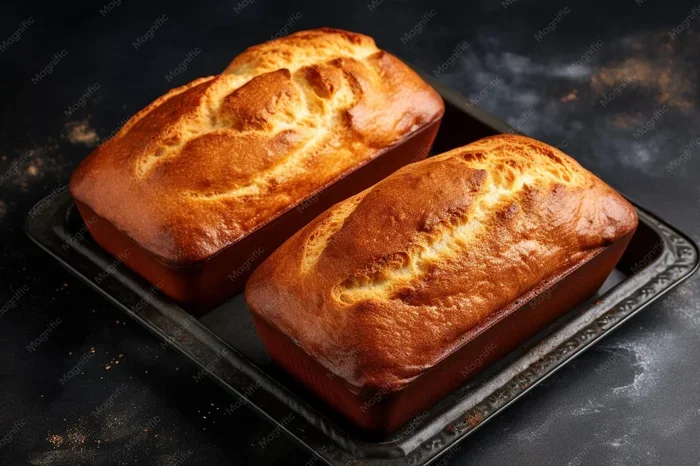
The optimal bread baking temperature typically falls between 375°F and 475°F, depending on your bread type, and nailing this range is the single biggest factor in achieving a golden crust and perfectly airy crumb. Whether you’re baking sourdough, sandwich loaves, or artisan boules, understanding how heat affects rise, crust formation, and flavor will completely transform your results. Master the right bread baking temperature, and you’ll never settle for a flat, undercooked loaf again.
The Optimal Bread Baking Temperature for Perfect Loaves
Finding the optimal bread baking temperature is the single biggest secret to pulling beautiful, golden loaves out of your oven every single time. Whether you bake sourdough, sandwich bread, or rustic artisan loaves, temperature makes or breaks your results. Many home bakers struggle with pale crusts, gummy interiors, or collapsed loaves, and the root cause is almost always oven temperature. In this guide, you will learn exactly what temperature to bake bread at, why it matters so much, and how to adjust for different bread types. We will also cover essential tools like bread thermometers, baking stones, and simple tricks that take your loaves from average to outstanding.
If you have ever wondered why your neighbor’s bread looks bakery-quality while yours falls flat, the answer likely comes down to heat management. Baking bread at the right temperature ensures proper oven spring, a crisp bread crust, and a soft, airy crumb inside. This article breaks everything down in plain language so you can start baking better bread today. And if you ever need to reheat leftover bread, a quick session in an air fryer can work wonders for bringing back that fresh-baked crunch.
Baking bread at home should feel rewarding, not stressful. With the right knowledge about optimal bread baking temperature, you will gain confidence and consistency in every loaf you make. Let us dive into the details.
Key Takeaways
- Most loaves bake best between 350°F and 450°F, depending on the type and size.
- Always preheat your oven for at least 20 minutes before placing bread inside.
- Internal temperature of 190°F to 210°F signals a fully baked loaf.
- Use steam in the first 15 minutes for a crispier, well-developed crust.
- Dark crust means high heat; lower the temperature by 25°F if needed.
- Rotate your loaf halfway through baking to ensure even heat distribution.
- Different bread types need different temperatures; sourdough loves higher heat than enriched loaves.
📑 Table of Contents
- Why Baking Temperature Matters So Much
- Optimal Temperatures for Different Bread Types
- Essential Tools for Temperature Control
- Step-by-Step Guide to Baking Bread at the Right Temperature
- Common Mistakes That Ruin Bread Baking Temperature
- Quick Reference: Bread Baking Temperature Chart
- Pro Tips for Consistently Great Bread
Why Baking Temperature Matters So Much
Temperature is the engine behind every great loaf of bread. When you place dough into a hot oven, several critical reactions happen almost simultaneously. Understanding these reactions helps you see why getting the bread baking temperature right is so important.
The Science Behind Bread Baking
When bread dough hits a hot oven, the yeast inside gets a final burst of energy before dying off. This creates oven spring, which is the last major rise your loaf undergoes. The optimal bread baking temperature allows enough time for this spring to happen without burning the outside.
At the same time, the Maillard reaction begins. This is the chemical process that turns your bread crust golden brown and develops complex flavors. The Maillard reaction kicks in around 285°F (140°C), which is why most bread recipes start with a hot oven. Without sufficient heat, you get a pale, bland crust instead of that beautiful, crackly exterior.
Starch gelatinization also plays a big role. As the interior of the loaf reaches about 180°F to 200°F (82°C to 93°C), the starch granules absorb water and set. This is what gives your bread its soft, pillowy bread texture on the inside. If your oven runs too cool, the interior never fully sets, leaving you with a dense, gummy crumb.
What Happens at the Wrong Temperature
Baking at too low a temperature causes a host of problems. Your bread rises slowly, the crust never develops properly, and the interior can turn out gummy. On the other hand, baking at too high a temperature burns the exterior before the inside has time to cook through. Finding the sweet spot for baking bread is truly the key to success.
Optimal Temperatures for Different Bread Types
Not all bread is created equal, and neither are their ideal baking temperatures. Different bread dough recipes call for different heat levels based on the ingredients, hydration, and shape of the loaf. Here is a breakdown of what works best for the most common types of bread.
Lean Dough Breads
Lean doughs, which include classic sandwich bread and French baguettes, contain minimal fat and sugar. These loaves do best at 375°F to 425°F (190°C to 220°C). The moderate-to-high heat allows the crust to form quickly while the interior bakes evenly. For a classic French baguette, aim for 425°F with steam in the first part of baking to develop that thin, shattering crust.
Rich Dough Breads
Rich doughs contain butter, eggs, and sugar, which change how heat interacts with the bread loaf. These ingredients brown faster, so you should bake rich breads like brioche and challah at a slightly lower temperature, around 350°F to 375°F (175°C to 190°C). The lower heat prevents the crust from burning before the enriched interior finishes cooking through.
Sourdough and Artisan Breads
Sourdough baking requires a slightly different approach. The optimal bread baking temperature for most sourdough loaves falls between 450°F and 500°F (230°C to 260°C). Many sourdough bakers start with a very hot oven and then reduce the temperature partway through. This high-heat start creates maximum oven spring and an incredibly crisp crust. A baking stone or Dutch oven helps retain that intense heat and mimics the environment of a professional bread oven.
Whole Wheat and Dense Breads
Whole wheat bread and other dense loaves benefit from a moderate temperature around 375°F to 400°F (190°C to 200°C). The higher bran content in whole wheat flour absorbs more water, so these loaves need a bit more time and gentler heat to bake through without drying out. The bread crust on whole wheat loaves tends to be darker naturally, so watch carefully to avoid over-browning.
Essential Tools for Temperature Control
Getting the optimal bread baking temperature right requires more than just setting your oven dial. A few key tools make a massive difference in your results.
Invest in an Oven Thermometer
Most home ovens lie about their actual temperature. Your oven might say it is at 400°F but actually be running 25 degrees cool or hot. An oven thermometer takes the guesswork out of the equation. Place it on the middle rack and give it a few minutes to stabilize before loading your bread. This simple tool is the cheapest upgrade you can make for better baking bread results.
Use a Bread Thermometer
A bread thermometer inserted into the center of the loaf tells you when the interior has reached the right temperature. Most breads are done when the internal temperature hits 190°F to 210°F (88°C to 99°C). Lean doughs are done at the lower end, while rich and dense breads need to reach closer to 210°F. This tool removes all doubt and takes the mystery out of knowing when your loaf is ready.
The Role of Baking Stones and Dutch Ovens
A baking stone or a Dutch oven can dramatically improve your bread’s crust and oven spring. These tools store intense heat and deliver it directly to the bottom and sides of your loaf. Preheating your stone or Dutch oven for at least 30 to 45 minutes ensures you are starting with maximum heat. This approach is especially powerful when baking sourdough and artisan-style bread dough at high temperatures.
Step-by-Step Guide to Baking Bread at the Right Temperature
Now that you understand the optimal bread baking temperature ranges and the tools you need, let us walk through the actual process. Following these steps will give you consistent, bakery-quality results every time.
Step 1: Preheat Your Oven Fully
Always preheat your oven for at least 20 to 30 minutes before baking. This is especially critical if you are using a baking stone or Dutch oven. The stone needs time to absorb and store heat so it can deliver a burst of energy to the bottom of your loaf the moment it goes in.
Step 2: Score Your Dough
Use a sharp blade or bread lame to score the top of your loaf before placing it in the oven. Scoring gives the bread a controlled place to expand during oven spring. Without scores, the bread may burst unpredictably along weak spots in the dough.
Step 3: Add Steam for the First Few Minutes
Steam in the early stages of baking keeps the bread crust soft and flexible, allowing maximum oven spring. You can add steam by placing a pan of hot water on the bottom rack, spraying water into the oven, or using a Dutch oven that traps moisture. After the first 10 to 15 minutes, remove the steam source so the crust can crisp up and turn golden brown.
Step 4: Monitor and Adjust
Set a timer and check your bread toward the end of the suggested baking time. Look for a deep golden color on top and use the bread thermometer to check the internal temperature. If the top is browning too fast, tent a piece of foil over the loaf loosely. This simple trick prevents burning while the interior finishes baking.
Step 5: Cool Completely Before Slicing
Let your loaf rest on a wire rack for at least one hour before cutting. The interior continues to set as it cools, and slicing too early releases steam that would otherwise keep the crumb soft and airy. Patience here makes a real difference in your final bread texture.
Common Mistakes That Ruin Bread Baking Temperature
Even experienced bakers make mistakes with their oven temperature from time to time. Here are the most common errors and how to avoid them.
- Skipping the oven preheat. Putting bread into a cold or lukewarm oven leads to poor rise and a dense crumb. Always give your oven a full preheat.
- Relying on the oven dial alone. Most ovens are inaccurate. Use an oven thermometer to know the real temperature inside.
- Opening the oven door too often. Every time you open the door, you lose heat and steam. Both of these are essential for good oven spring. Resist the urge to peek.
- Using the wrong pan. Dark metal pans absorb more heat and can cause the bottom of your bread to over-brown. Light-colored pans or a baking stone distribute heat more evenly.
- Ignoring the internal temperature. The color of the crust can be misleading. Always verify doneness with a bread thermometer for the most reliable results.
Quick Reference: Bread Baking Temperature Chart
Use this chart as a quick guide when planning your next bake. Keep it handy near your oven for easy reference.
| Bread Type | Oven Temperature | Internal Done Temp | Baking Time |
|---|---|---|---|
| French Baguette | 425°F (220°C) | 205°F to 210°F (96°C to 99°C) | 20 to 25 min |
| Classic Sandwich Bread | 375°F (190°C) | 190°F to 195°F (88°C to 90°C) | 30 to 35 min |
| Brioche and Challah | 350°F to 375°F (175°C to 190°C) | 190°F to 195°F (88°C to 90°C) | 30 to 40 min |
| Sourdough (Artisan) | 450°F to 500°F (230°C to 260°C) | 205°F to 210°F (96°C to 99°C) | 30 to 45 min |
| Whole Wheat Loaf | 375°F to 400°F (190°C to 200°C) | 195°F to 205°F (90°C to 96°C) | 35 to 45 min |
| Focaccia | 400°F to 425°F (200°C to 220°C) | 200°F to 205°F (93°C to 96°C) | 20 to 25 min |
Keep in mind that these are starting points. Every oven is different, and factors like altitude, humidity, and dough hydration all affect the final result. Use this chart as a guide and adjust based on your specific setup and the optimal bread baking temperature that works best for your kitchen.
Pro Tips for Consistently Great Bread
Once you understand the optimal bread baking temperature for your favorite recipes, a few pro tips will take your results to the next level.
- Rotate your loaf halfway through baking. Most home ovens have hot spots. Rotating the pan or Dutch oven ensures even browning on all sides.
- Let your dough come to room temperature before baking. Cold dough from the fridge reacts differently in a hot oven compared to room-temperature dough. Give it 30 to 60 minutes to warm up for more predictable oven spring.
- Use a spray bottle for steam. A quick burst of water into the oven right after loading your bread creates temporary steam that improves crust development. Just be careful not to spray the oven light or heating elements directly.
- Experiment with different temperatures. Once you master the basics, try baking the same recipe at slightly different temperatures and compare the results. This is one of the best ways to learn how temperature affects bread texture and crust color.
- Store leftover bread properly. If you have any extra slices, you can bring back the crust by warming it briefly in an air fryer for a few minutes. This works beautifully for reviving day-old baking bread without drying it out.
Baking bread is one of the most satisfying things you can do in the kitchen. When you nail the optimal bread baking temperature, every loaf turns out better than the last. The process becomes second nature, and you will start experimenting with new shapes, flavors, and techniques with confidence. Remember that even professional bakers adjust their temperatures and times based on how each batch of bread dough feels and looks. Trust your senses, use your tools, and enjoy the journey.
The optimal bread baking temperature is not just a number on a dial. It is the foundation of every great loaf. With the right heat, the right tools, and a little practice, you will pull golden brown, perfectly baked bread from your oven week after week. Start with the temperature ranges in this guide, fine-tune as you go, and savor every warm, fresh slice along the way.
Frequently Asked Questions
What Is the Optimal Bread Baking Temperature for Most Loaves?
The optimal bread baking temperature for most standard loaves falls between 350°F and 475°F (175°C to 245°C). This range works well for sandwich bread, artisan loaves, and enriched doughs alike. The exact temperature depends on the type of bread you are making and the crust you want to achieve.
Can You Bake Bread at 350°F and Still Get a Great Crust?
Yes, baking bread at 350°F produces a soft, evenly baked loaf with a gentle crust. This lower temperature is ideal for enriched breads like brioche or banana bread. For a thicker, crunchier crust, you will want to increase the heat or add steam during the first part of baking.
How Does the Optimal Bread Baking Temperature Affect Crust and Crumb?
A higher baking temperature, around 425°F to 475°F, creates a dark, crispy crust through rapid caramelization. Lower temperatures around 350°F yield a softer crumb and a lighter golden crust. The right bread oven temperature also affects how the inside steams and sets, which determines the final texture of the crumb.
Should You Start Bread at a High Temperature and Then Lower It?
Many bakers start at a high temperature, around 450°F, and then reduce it to 375°F after the first 10 to 15 minutes. This technique gives you the best of both worlds, a strong initial rise and a beautifully browned crust. It is a popular method for artisan sourdough and crusty French bread.
What Is the Best Bread Baking Temperature for Sourdough?
The optimal bread baking temperature for sourdough is typically 450°F to 500°F with steam for the first 20 minutes. Steam keeps the crust soft so the loaf can expand fully during oven spring. After steaming, you remove the moisture and let the bread bake at a slightly lower temperature to develop color and flavor.
Why Does the Internal Temperature of Bread Matter More Than Oven Settings?
The internal temperature tells you whether the bread is fully baked through, regardless of the oven setting. Most breads are done when the center reaches 190°F to 210°F. Using a quick-read thermometer takes the guesswork out of baking and ensures every loaf comes out perfectly baked.