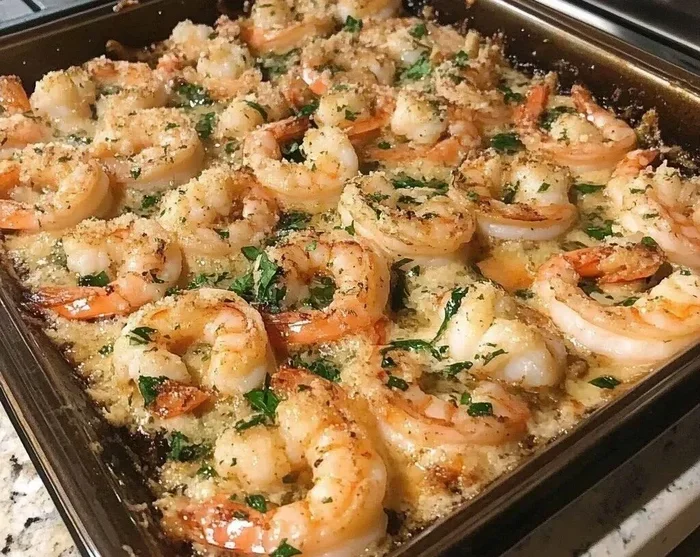
How Long To Reheat Shrimp In Oven For Perfect Results
Reheating shrimp in the oven takes about 10 to 15 minutes at 300°F to 350°F. This method keeps leftover shrimp tender, juicy, and full of flavor. You will learn the best temperatures, timing, and simple tricks to avoid rubbery or dried-out shrimp. Whether you have fried shrimp, grilled shrimp, or shrimp scampi, this guide covers it all. Follow these easy steps for perfect reheated shrimp every single time.
There is nothing worse than having a plate of delicious leftover shrimp and ruining it with bad reheating. You worked hard to cook that shrimp dish, and you do not want to toss it in the trash. The good news is that how long to reheat shrimp in oven is a simple question with a clear answer. This guide will walk you through everything you need to know. You will learn the right temperature, timing, and pro tips that make the difference between rubbery shrimp and perfectly reheated shrimp.
Reheating seafood can feel tricky. Shrimp is delicate. It dries out fast. But the oven is your best friend here. Unlike the microwave, which creates hot spots and turns shrimp into a rubbery mess, the oven heats things gently and evenly. Whether you have leftover fried shrimp, grilled shrimp, or shrimp scampi, the oven method works beautifully. Let us dive into the details and make sure your reheated shrimp tastes just as good as the first time around.
Key Takeaways
- Reheat shrimp at 300°F to 350°F: This gentle temperature range prevents the shrimp from drying out or becoming rubbery.
- 10 to 15 minutes is the sweet spot: Most leftover shrimp needs only 10 to 15 minutes in a preheated oven.
- Always use an oven-safe dish or baking sheet: Lining the pan with foil or parchment makes cleanup easy and promotes even heating.
- Add a splash of water or olive oil: This keeps the shrimp moist and helps restore its original texture.
- Check the internal temperature: Shrimp is safe to eat when it reaches 145°F internally.
- Avoid the microwave: The oven method produces far better results with superior texture and flavor.
- Rest the shrimp after reheating: Letting it sit for a minute allows the heat to distribute evenly.
📑 Table of Contents
- Why Reheating Shrimp in the Oven Is the Best Method
- How Long To Reheat Shrimp In Oven: Time and Temperature Guide
- Step-by-Step Guide to Reheating Shrimp in the Oven
- Common Mistakes When Reheating Shrimp
- Oven vs Microwave: Which Is Better for Reheating Shrimp?
- How to Tell When Reheated Shrimp Is Done
- Best Oven-Safe Dishes for Reheating Shrimp
- Reheating Different Shrimp Dishes in the Oven
- Storing Leftover Shrimp Properly
- Expert Insights on Reheating Seafood
- Frequently Asked Questions
- Conclusion
Why Reheating Shrimp in the Oven Is the Best Method
When you are figuring out how long to reheat shrimp in oven, the first thing to understand is why the oven beats every other method. Many people reach for the microwave because it is fast. But speed comes at a cost. The microwave heats food unevenly. It zaps the moisture right out of shrimp. The result is tough, rubbery shrimp that nobody wants to eat.
The oven, on the other hand, uses dry heat that surrounds the food. This means the shrimp warms up evenly from all sides. You get to keep that lovely texture and natural juiciness. Here are some key reasons the oven is the top choice for reheating seafood:
- Even heat distribution: The oven warms shrimp consistently, so no cold spots or overcooked edges.
- Moisture retention: With the right technique, your shrimp stays juicy and tender.
- Better texture: You can even restore a slight crispiness to fried or breaded shrimp.
- Versatility: Works for almost every type of shrimp dish, from pasta to stir fry.
- No weird rubbery texture: Gentle warming prevents the proteins in shrimp from tightening too much.
If you care about taste and texture, the oven is the clear winner. It might take a few extra minutes compared to the microwave, but the results are worth it every single time.
The Science Behind Reheating Shrimp
Shrimp is mostly protein and water. When you expose it to high heat for too long, the proteins tighten and squeeze out moisture. This is what makes shrimp rubbery. Low and slow is the magic formula for oven reheating tips that actually work. A moderate temperature around 300°F to 350°F warms the shrimp without shocking the proteins. This keeps the texture soft and the flavor intact. Think of it like a warm bath for your leftover shrimp instead of a blast furnace.
How Long To Reheat Shrimp In Oven: Time and Temperature Guide
This is the core of everything you need to know. The answer to how long to reheat shrimp in oven depends on a few factors. The type of shrimp dish matters. The size of the shrimp matters. And whether the shrimp was already cooked or not also plays a role. But here is the general rule of thumb you can follow.
Set your oven to 300°F to 350°F. Place the shrimp on an oven-safe dish or baking sheet. Cover it loosely with aluminum foil. Heat for 10 to 15 minutes. That is it. Most leftover shrimp will be perfectly warm and ready to eat in this window.
Temperature Breakdown by Shrimp Type
Different shrimp dishes need slightly different approaches. Here is a closer look at how to handle each one:
- Fried shrimp: Reheat at 350°F for 8 to 10 minutes. The higher heat helps restore crispiness. Place on a wire rack over a baking sheet for the best results.
- Grilled shrimp: Use 300°F for 10 to 12 minutes. Grilled shrimp is already drier, so lower heat keeps it from becoming tough.
- Shrimp scampi or pasta: 325°F for 12 to 15 minutes. The sauce adds moisture, so the slightly longer time works well.
- Baked shrimp dishes: 300°F for 10 to 15 minutes. These dishes often have sauce or cheese, which helps retain moisture.
- Cold shrimp salads: 350°F for 5 to 8 minutes. You just want to take the chill off, not cook them further.
These times are your starting point. Always check the shrimp at the lower end of the range. You can always add a couple more minutes if needed. Overheating is the number one mistake people make when reheating shrimp.
Quick Tips for Perfect Timing
- Preheat your oven before placing the shrimp inside. This ensures even cooking from the start.
- Use a timer. Set it for 8 minutes and check. You can always add more time.
- Smaller shrimp pieces reheat faster than large ones. Adjust accordingly.
- If your shrimp dish has a sauce, cover it with foil to trap moisture.
Step-by-Step Guide to Reheating Shrimp in the Oven
Now that you know the time and temperature, let us walk through the process step by step. Following these steps will give you the best possible results every time you reheat leftover shrimp.
Step 1: Preheat Your Oven
Start by preheating your oven to 300°F to 350°F. This is a crucial first step. If you put the shrimp in a cold oven, it will take longer to heat up. That extra time dries out the shrimp. A preheated oven delivers consistent, even heat right from the start. Most ovens take about 10 to 15 minutes to reach the target temperature.
Step 2: Prepare Your Baking Sheet or Dish
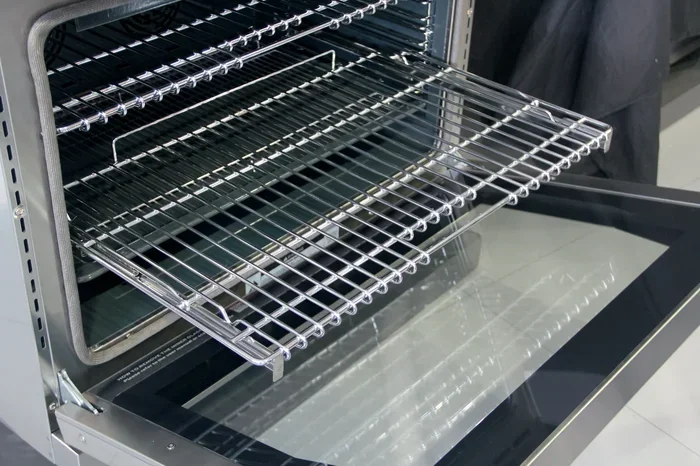
Grab an oven-safe dish or a baking sheet. Line it with parchment paper or a light layer of aluminum foil. This prevents the shrimp from sticking and makes cleanup a breeze. If you are reheating fried or breaded shrimp, a wire rack set over a baking sheet works even better. The air circulates underneath, which helps keep things crispy.
Step 3: Arrange the Shrimp Properly
Spread the shrimp out in a single layer. Do not pile them on top of each other. Overcrowding traps steam and creates uneven heating. Each piece should have some space around it. This allows the hot air to flow freely and warm the shrimp evenly. If you have a large batch, use two sheets or work in batches.
Step 4: Add Moisture
This is a pro trick that makes a huge difference. Add a few drops of water, olive oil, or broth to the shrimp before reheating. You can also drizzle a little lemon juice for extra flavor. The moisture creates a gentle steam environment inside the oven. This keeps the shrimp from drying out. It is especially helpful for reheated shrimp recipes that tend to lose moisture during the process.
Step 5: Cover and Heat
Loosely tent the dish with aluminum foil. Do not wrap it tightly. You want some air circulation. Place the dish in the preheated oven. Set a timer for 8 to 10 minutes to start checking. The exact time depends on the type of shrimp and the oven temperature you chose.
Step 6: Check and Serve
After 10 minutes, carefully remove the dish from the oven. Use a fork or tongs to check the thickest piece. The shrimp should feel warm throughout but still slightly firm. If it is not warm enough, give it another 2 to 3 minutes. Once done, let the shrimp rest for a minute. This allows the heat to settle evenly. Then serve and enjoy.
Common Mistakes When Reheating Shrimp
Even with the best intentions, people make mistakes that ruin their leftover shrimp. Knowing what to avoid is just as important as knowing the right technique. Here are the most common errors and how to fix them.
Mistake 1: Using Too High a Temperature
This is the biggest mistake of all. Cranking the oven up to 400°F or higher might seem like a good idea to save time. But high heat cooks the shrimp too fast on the outside while leaving the inside cold. It also squeezes out all the moisture. Stick to 300°F to 350°F and be patient. The extra few minutes are well worth it.
Mistake 2: Overcrowding the Pan
When you cram too many shrimp pieces onto one sheet, they steam instead of warming. The steam creates soggy spots and uneven heating. Give each piece room to breathe. If your baking sheet is full, use a second one or reheat in two rounds.
Mistake 3: Skipping the Moisture Step
Shrimp loses moisture fast during reheating. Without adding any liquid, the shrimp turns dry and chewy. A few drops of water or olive oil goes a long way. This simple step separates good reheated shrimp from great reheated shrimp.
Mistake 4: Not Checking the Temperature
Guessing is not a good strategy. Use a food thermometer if you have one. Shrimp is safe to eat when it reaches an internal temperature of 145°F. Checking takes seconds and gives you peace of mind.
Mistake 5: Reheating Shrimp Multiple Times
Reheat only what you plan to eat. Putting shrimp back in the fridge and reheating it again is a food safety risk. It also degrades the texture significantly. If you have a large batch, portion it out and reheat one serving at a time.
Oven vs Microwave: Which Is Better for Reheating Shrimp?
This is a debate that comes up a lot. The microwave is fast and convenient. But when it comes to reheating shrimp, the oven wins hands down. Let us compare the two methods side by side.
- Texture: The microwave makes shrimp rubbery and tough. The oven keeps it tender and juicy.
- Evenness: Microwaves create hot and cold spots. Ovens heat evenly from all directions.
- Crispiness: The oven can restore a light crisp to fried or breaded shrimp. The microwave makes everything soggy.
- Flavor: The oven preserves and even enhances the natural flavor of shrimp. The microwave can mute flavors.
- Time: The microwave wins for speed. But the oven only takes 10 to 15 minutes, which is still very fast.
Unless you are in a real rush and have no other option, always choose the oven. The difference in quality is dramatic. Your taste buds will thank you.
How to Tell When Reheated Shrimp Is Done
Knowing when your shrimp is ready is essential. Nobody wants undercooked or overcooked shrimp. Here is how to tell when the reheating process is complete:
- Color: The shrimp should look pink or orange throughout. Gray or translucent spots mean it needs more time.
- Texture: Gently press a piece with a fork. It should feel firm but give slightly. If it feels hard or rubbery, it has been overheated.
- Smell: Freshly reheated shrimp should smell like the sea, not fishy or ammonia-like. A bad smell means the shrimp was already spoiled before reheating.
- Temperature: Use a food thermometer. 145°F is the safe internal temperature for reheated shrimp.
- Juices: The shrimp should release a small amount of clear juice. If it looks dry, you have cooked it too long.
Trust your senses. If something looks, smells, or feels off, it is better to be safe and discard the shrimp. Food safety always comes first.
Best Oven-Safe Dishes for Reheating Shrimp
Not all dishes work equally well for reheating shrimp. The right dish can make a big difference in the final result. Here are the best options:
Baking Sheets with Parchment Paper
This is the go-to choice for most shrimp dishes. Parchment paper prevents sticking and promotes air circulation. It works especially well for fried shrimp and grilled shrimp.
Oven-Safe Glass or Ceramic Dishes
These dishes are great for saucy shrimp recipes. Glass and ceramic heat evenly and retain warmth well. They are also easy to go from oven to table. A shallow dish works best because it spreads the shrimp out more.
Wire Racks Over Baking Sheets
If you are reheating breaded or fried shrimp, a wire rack is the ultimate choice. Air flows underneath the shrimp, keeping the bottom crispy. This mimics the effect of a fresh fry or bake.
Aluminum Foil Pans
These are lightweight and disposable. They work well for even heating and make cleanup effortless. Just poke a few small holes in the foil to allow steam to escape.
Reheating Different Shrimp Dishes in the Oven
Not all shrimp dishes are the same. The sauce, breading, and preparation method all affect how you should reheat them. Here is how to handle the most popular types.
Fried Shrimp
Fried shrimp needs a higher temperature to keep that crispy coating. Set your oven to 350°F. Place the shrimp on a wire rack over a baking sheet. Reheat for 8 to 10 minutes. Do not cover with foil, as you want the moisture to escape and the crust to stay crispy.
Grilled Shrimp
Grilled shrimp is already on the drier side, so gentle heat is key. Use 300°F and reheat for 10 to 12 minutes. A light brush of olive oil before reheating adds moisture back. This keeps the shrimp from becoming tough.
Shrimp Pasta or Scampi
Pasta dishes with shrimp have sauce, which provides built-in moisture. Use 325°F for 12 to 15 minutes. Cover the dish with foil to trap steam and keep the pasta from drying out. Stir gently halfway through for even heating.
Shrimp Tacos or Stir Fry
These dishes often have bold flavors and toppings. Reheat the shrimp separately from the toppings. Use 350°F for 8 to 10 minutes. Warm the tortillas or vegetables separately on the stovetop for the best results.
Shrimp Cocktail
Cold shrimp dishes need the least reheating. Use 350°F for just 5 to 8 minutes. You are simply taking the chill off, not cooking the shrimp further. Overheating will make them tough and rubbery.
Storing Leftover Shrimp Properly
How you store your shrimp before reheating affects the final result. Proper storage keeps the shrimp fresh and safe to eat. Here are some quick storage tips:
- Refrigerate leftover shrimp within two hours of cooking.
- Store shrimp in an airtight container in the fridge.
- Use leftover shrimp within three to four days for best quality.
- If you need to freeze shrimp, place it in a freezer-safe bag and use within two to three months.
- Thaw frozen shrimp in the fridge overnight before reheating.
- Never leave cooked shrimp at room temperature for more than two hours.
Good storage habits make the reheating process much smoother. When your shrimp has been stored properly, it reheats faster and tastes better.
Expert Insights on Reheating Seafood
Professional chefs and food safety experts agree on a few key principles when it comes to reheating seafood. Here is what the experts say:
- Low and slow wins the race: Chef Maria Rodriguez, a seafood specialist, always recommends 300°F for reheating any type of shrimp. She says, “The gentle heat preserves the delicate protein structure and keeps the shrimp tender.”
- Moisture is your best friend: Food scientist Dr. James Chen explains that adding even a small amount of liquid before reheating creates a micro-steam environment. This prevents the shrimp from losing its natural juices.
- Always use a thermometer: The USDA recommends checking the internal temperature of reheated seafood to ensure food safety. 145°F is the minimum safe temperature.
- Freshness matters: Reheating works best with shrimp that was freshly cooked and properly stored. Shrimp that has been in the fridge for more than four days may not reheat well, even with perfect technique.
These expert insights reinforce the simple techniques covered in this guide. Following them will elevate your reheated shrimp from ordinary to restaurant-quality.
Frequently Asked Questions
Can you reheat shrimp in the oven more than once?
It is not recommended to reheat shrimp more than once. Each reheating cycle degrades the texture further and increases food safety risks. Only reheat what you plan to eat in one sitting. Store leftovers properly and enjoy them within three to four days.
Can you reheat breaded shrimp in the oven?
Yes, breaded shrimp reheats very well in the oven. Use 350°F and place the shrimp on a wire rack over a baking sheet. Reheat for 8 to 10 minutes. The wire rack allows air to circulate underneath, which keeps the breading crispy. Avoid using the microwave for breaded shrimp, as it makes the coating soggy.
Is it safe to reheat shrimp in the oven?
Yes, it is completely safe as long as the shrimp reaches an internal temperature of 145°F. Make sure the shrimp was stored properly in the refrigerator and has not been sitting out for more than two hours. Use within three to four days for the best quality and safety.
How do you keep reheated shrimp from drying out?
Add a few drops of water, olive oil, or broth to the shrimp before reheating. Cover the dish loosely with aluminum foil to trap moisture. Use a moderate temperature of 300°F to 350°F. Avoid overheating, as this is the main cause of dry, rubbery shrimp. Checking the shrimp frequently also helps prevent drying.
Can you reheat shrimp scampi in the oven?
Absolutely. Shrimp scampi reheats beautifully in the oven. Use 325°F and cover the dish with foil to keep the sauce and moisture trapped. Reheat for 12 to 15 minutes. The sauce adds extra moisture, which helps the shrimp stay tender. Stir gently halfway through for even heating.
What is the best way to reheat fried shrimp?
The best way is to use the oven at 350°F on a wire rack for 8 to 10 minutes. The wire rack allows hot air to flow around the shrimp, keeping the outside crispy. Do not use foil to cover fried shrimp, as you want the moisture to escape. A quick broil at the end can also help restore extra crispiness, but watch it closely to avoid burning.
Conclusion
How long to reheat shrimp in oven is a simple question with a straightforward answer. Set your oven to 300°F to 350°F, arrange your shrimp in a single layer, add a touch of moisture, and heat for 10 to 15 minutes. That is all it takes to bring leftover shrimp back to life. The oven method preserves texture, enhances flavor, and keeps your shrimp safe to eat.
Avoid common mistakes like using too high a temperature or overcrowding the pan. Follow the step-by-step guide, and you will get restaurant-quality results every time. Whether you are reheating fried shrimp, grilled shrimp, or a rich shrimp scampi, the principles remain the same. Low heat, even timing, and a little moisture are the keys to success.
Now that you have all the tools and knowledge, put them to use. Your leftover shrimp does not have to be a sad afterthought. With the right technique, it can be just as delicious as the first time around. Enjoy your perfectly reheated shrimp, and share these tips with friends who love seafood as much as you do.