How To Take Coffee From Coffee Machine The Easy Way
Taking coffee from a coffee machine is simpler than you think. This guide walks you through every step, from setting up your machine to pulling the perfect cup. You will learn the best techniques, common mistakes, and pro tips for a richer morning routine.
There is nothing quite like a fresh cup of coffee to start your day. Whether you are a early riser or a slow morning person, taking coffee from a coffee machine is one of the easiest ways to get your daily caffeine fix. You do not need to be a barista or a coffee expert. With the right steps and a little practice, you can make a great cup right at home.
This guide is here to help you get the most out of your coffee machine. We will walk you through everything from the basics to pro tips that will level up your morning routine. By the end, you will know exactly how to brew coffee that tastes amazing every single time. Let us get started.
Key Takeaways
- Know Your Machine: Understanding your coffee machine type is the first step to great coffee every morning.
- Prep Matters: Clean setup and fresh water make a huge difference in taste and aroma.
- Follow the Steps: A simple process of adding grounds, water, and pressing brew gives you consistent results.
- Avoid Common Mistakes: Skipping cleaning, using wrong grind size, and ignoring water temperature hurt your brew.
- Maintain Regularly: Descaling and routine care keep your coffee machine running smoothly for years.
📑 Table of Contents
Understanding Your Coffee Machine
Before you start brewing, it helps to know what kind of machine you have. Different machines work in different ways, and each one brings out unique flavors in your coffee. Knowing your machine is the foundation of a great cup.
Types of Coffee Machines
Most homes have one of a few common types. Drip coffee makers are the most popular. They heat water and drip it through a filter full of grounds. The coffee then drips into a pot below. These machines are simple and reliable.
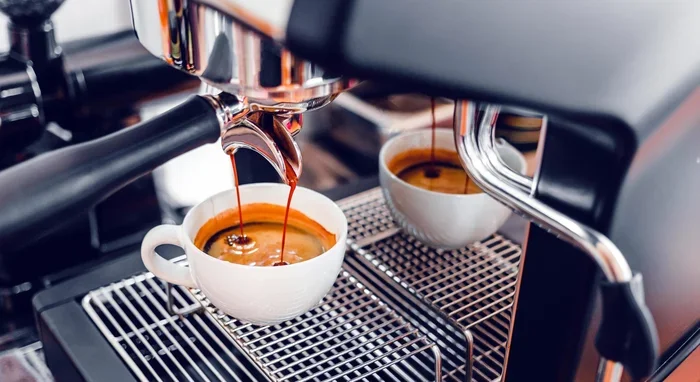
Espresso machines use pressure to force hot water through finely ground coffee. They make concentrated shots of coffee that form the base for lattes and cappuccinos. If you love milky coffee drinks, an espresso machine might be your best friend.
Single-serve machines like pod or capsule systems are super convenient. You just pop in a pod, press a button, and your coffee is ready. These are great for people who want speed and variety without any fuss.
French presses are technically not machines, but many people group them together. They steep coarse grounds in hot water and then use a plunger to separate the liquid from the grounds. The result is a rich and full-bodied cup.
If you are curious about making espresso specifically, you can check out our guide on how to make espresso using a coffee maker for more detailed steps.
Preparing Your Coffee Machine for Brewing
A clean machine makes better coffee. This might sound obvious, but many people skip this step. Taking a few minutes to prep your machine before each brew can seriously improve the taste of your coffee.
Clean Your Machine First
Start by checking that your coffee machine is clean. Old coffee oils can build up inside and affect the flavor of your fresh brew. If you have not cleaned your machine in a while, run a cycle with just plain water. This rinses out any leftover residue.
For a deeper clean, you can use a mixture of water and white vinegar. Run it through the machine halfway, let it sit for a few minutes, and then finish the cycle. Follow up with two or three plain water cycles to remove any vinegar taste.
Check the Water Supply
Fresh cold water is the most important ingredient in your coffee. Always start with clean, fresh water. If your machine has a water filter, make sure it is not expired or clogged. Bad water leads to bad coffee, no matter how good your grounds are.
Fill the reservoir to the level you need for your cup count. Do not overfill it. Most machines have a maximum line you should not exceed. Using the right amount of water ensures the right strength in your final cup.
Step-by-Step Guide to Taking Coffee From Your Machine
Now that your machine is clean and ready, let us walk through the actual process. These steps work for most standard drip coffee makers and are easy enough for anyone to follow.
Step One: Add Your Filter
Place a paper or reusable filter in the filter basket. Paper filters are the most common choice. They catch the grounds and let the liquid coffee pass through. Reusable metal or cloth filters are also a great eco-friendly option.
If you use a reusable filter, make sure it is clean and dry before you start. Any leftover moisture or old grounds can affect the taste of your fresh coffee.
Step Two: Measure Your Coffee Grounds
Adding the right amount of coffee grounds is key to getting the perfect coffee strength. A good rule of thumb is two tablespoons of grounds for every six ounces of water. Adjust this ratio to match your personal taste.
If you like stronger coffee, add a little more grounds. If you prefer a milder taste, use a bit less. It is all about finding what works best for you. Using a kitchen scale can help you get consistent measurements every time.
Step Three: Add Water
Pour the fresh cold water into the reservoir. Match the water level to the number of cups you want to brew. Most coffee machines have markings on the side of the pot or on the reservoir itself to guide you.
Make sure the water is cold. Hot water from the tap can sometimes taste flat or contain minerals that affect flavor. Cold, filtered water gives you the cleanest taste possible.
Step Four: Start Brewing
Place the carafe or mug on the warming plate. Close the lid if your machine has one. Press the start button and let the machine do its work.
Most drip machines take between four and eight minutes to brew a full pot. You will hear the water gurgling and dripping through the grounds. This is a good sign that everything is working correctly.
Step Five: Serve and Enjoy
Once the brewing cycle is complete, pour your coffee into a warm mug. A warm mug keeps your coffee at the right temperature longer. You can add milk, cream, sugar, or any sweetener you like.
For those who enjoy a breakfast spread alongside their morning brew, many people like to pair their coffee with something like cooking bacon and sausage in the oven for a complete and satisfying start to the day.
Tips for the Perfect Cup of Coffee
Getting great coffee from your machine is not just about following steps. Small details make a big difference. Here are some tips that will help you brew coffee like a pro.
Use Fresh Coffee Grounds
Freshness matters a lot when it comes to coffee flavor. Pre-ground coffee loses its aroma over time. If possible, grind your beans right before you brew them. This gives you the richest and most flavorful cup.
Store your coffee beans in an airtight container away from light and heat. A cool, dark pantry is the best spot. Avoid keeping them in the fridge, as moisture can ruin the beans.
Pay Attention to Water Temperature
The water temperature affects how your coffee extracts. The ideal range is between 195 and 205 degrees Fahrenheit. Most coffee machines heat water to this range automatically, but not all of them do.
If your machine does not heat water hot enough, your coffee will taste weak and sour. If it gets too hot, it can burn the grounds and create a bitter taste. Knowing your machine’s temperature range helps you troubleshoot any flavor issues.
Grind Size Matters
The size of your coffee grounds affects how water flows through them. For drip machines, a medium grind works best. It is not too fine and not too coarse. Fine grinds can clog filters and cause overflow, while coarse grinds can lead to weak and watery coffee.
If you use a blade grinder, pulse it instead of running it continuously. This gives you a more even grind. A burr grinder is even better because it produces consistent particle sizes.
Clean Your Machine After Every Use
Make it a habit to clean your machine after each brew. Remove the used grounds and rinse the filter basket. Wipe down the carafe and the warming plate. This simple routine prevents buildup and keeps your coffee tasting fresh.
Once a month, do a deeper clean with vinegar and water. This removes mineral deposits and oils that build up over time. A well-maintained machine lasts longer and brews better coffee.
Try Different Coffee Beans
Not all coffee beans are the same. Light roasts have more acidity and fruity notes. Medium roasts offer a balanced flavor. Dark roasts are bold and smoky. Experimenting with different beans helps you find your perfect match.
You can also try beans from different regions. Ethiopian beans have floral and citrus notes. Colombian beans are smooth and nutty. Sumatran beans are earthy and heavy. Each one brings something unique to your cup.
Use the Right Ratio
The coffee-to-water ratio is one of the most important factors in brewing. The standard ratio is one to two tablespoons of grounds per six ounces of water. But this is just a starting point.
Some people prefer a stronger brew and use more grounds. Others like it lighter and use less. Adjust the ratio until you find your sweet spot. Keeping notes of what works helps you replicate your perfect cup every time.
If you are baking something to go with your coffee, such as a cake, you might be interested in how to brown flour in the oven for adding a nutty depth to your baked goods.
Common Mistakes People Make When Using a Coffee Machine
Even experienced coffee drinkers make mistakes. Knowing what to avoid saves you from bad-tasting coffee and keeps your machine in good shape.
Using Stale or Old Grounds
This is the number one mistake people make. Stale grounds have lost their oils and aroma. The result is flat, lifeless coffee that tastes like nothing. Always check the roast date on your coffee bag and use grounds within two to four weeks of opening.
Skipping the Cleaning Routine
A dirty machine builds up mineral deposits and old coffee oils. These contaminants make their way into every cup you brew. Over time, this leads to a bitter or metallic taste. Stick to a regular cleaning schedule to keep your machine in top shape.
Using the Wrong Grind Size
Using a grind that is too fine or too coarse ruins the extraction. Too fine means the water cannot flow through properly, leading to over-extraction and bitterness. Too coarse means the water rushes through without extracting enough flavor, resulting in weak coffee.
Overfilling the Machine
It is tempting to fill the water reservoir to the top, especially when you need a large batch. But overfilling can cause the machine to work harder than it should. It can also lead to uneven extraction and overflow.
Ignoring the Warm Plate
Leaving your carafe on the warming plate for too long can burn your coffee. The heat breaks down the flavors and creates a bitter aftertaste. Pour your coffee into a thermal carafe if you are not going to drink it right away.
Maintaining Your Coffee Machine for Long-Term Use
A good coffee machine is an investment. Proper maintenance keeps it running smoothly and ensures your coffee tastes great for years to come.
Descaling should be done every one to three months, depending on how often you use the machine and the hardness of your water. Hard water builds up mineral deposits faster, so you may need to descale more frequently.
Replace your water filter regularly. Most filters last about two months or 60 brews, whichever comes first. A clogged filter reduces water flow and affects brewing temperature.
Wash removable parts like the carafe, filter basket, and lid with warm soapy water after each use. Do not put glass carafes in the dishwasher unless the manufacturer says it is safe. Hand washing preserves the glass and prevents clouding.
Store your machine properly when not in use. Keep it in a dry place away from direct sunlight. If you are going on vacation, empty the water reservoir and give the machine a thorough clean before storing it.
Regular maintenance might seem like a hassle, but it pays off. A well-cared-for machine brews better coffee and lasts much longer. Think of it as part of your morning coffee ritual.
Key Takeaways
- Know Your Machine Type: Whether you have a drip machine, espresso machine, or single-serve system, understanding how it works is the first step to great coffee.
- Always Start Clean: A clean machine and fresh water are the foundation of a good cup of coffee.
- Measure Carefully: Use the right ratio of coffee grounds to water for the strength you prefer.
- Fresh Beans and Grounds Matter: Grind your own beans when possible and use fresh grounds for the best flavor.
- Mind the Details: Water temperature, grind size, and cleaning routine all play a role in the final taste.
- Avoid Common Mistakes: Stale grounds, skipped cleaning, wrong grind size, and overfilling can all ruin your brew.
- Maintain Your Machine: Regular descaling, filter replacement, and proper storage keep your coffee machine performing at its best.
Frequently Asked Questions
What is the best coffee-to-water ratio for a coffee machine?
The standard ratio is two tablespoons of coffee grounds for every six ounces of water. This gives you a balanced and flavorful cup. You can adjust the ratio based on your personal taste preference. Some people prefer more grounds for a stronger brew, while others like it milder.
How often should I clean my coffee machine?
You should rinse your coffee machine after every use. A deeper clean with vinegar and water should be done once a month. This removes mineral deposits and coffee oils that build up over time. Regular cleaning keeps your coffee tasting fresh and your machine running smoothly.
Can I use tap water in my coffee machine?
You can, but filtered water is always better. Tap water can contain chlorine and minerals that affect the taste of your coffee. Filtered water produces a cleaner and more flavorful cup. It also helps prevent mineral buildup inside your machine.
Why does my coffee taste bitter?
Bitter coffee is usually caused by over-extraction. This happens when the water is too hot or when the brew time is too long. Using stale or too-fine grounds can also cause bitterness. Try adjusting your grind size, water temperature, or brewing time to fix the issue.
Can I reuse coffee grounds in my coffee machine?
While it is technically possible, reusing grounds produces a much weaker and less flavorful cup. The first brew extracts most of the flavor and oils from the grounds. For the best taste, always use fresh grounds for each brew.
What type of coffee grind should I use for a drip coffee machine?
A medium grind is the best choice for drip coffee machines. It allows water to flow through the grounds at the right speed for proper extraction. Too fine a grind can clog the filter, while too coarse a grind can result in weak coffee. If you buy pre-ground coffee, look for the medium grind setting on the label.
=== CONCLUSION ===
Taking coffee from a coffee machine does not have to be complicated. With the right steps, a little preparation, and some basic knowledge, you can enjoy a delicious cup every single morning. The key is to understand your machine, use fresh ingredients, and follow a consistent process.
Remember to clean your machine regularly, use the right grind size, and pay attention to water temperature. These small habits make a huge difference in the taste and quality of your coffee. Over time, brewing coffee will become second nature to you.
Start with the basics and experiment from there. Try different beans, adjust your ratios, and find what works best for your taste. The perfect cup of coffee is out there waiting for you, and your coffee machine is the tool to make it happen. Happy brewing!