How To Make The Strongest Coffee Without Bitterness
Making the strongest coffee without bitterness starts with choosing the right beans, nailing the coffee-to-water ratio, and controlling your brew time. This guide walks you through proven methods like French press, Moka pot, and cold brew to extract maximum flavor and caffeine without the harsh, bitter taste. You will learn how to adjust grind size, water temperature, and steeping time for a bold cup every time.
There is nothing quite like a cup of strong coffee that wakes you up and satisfies your soul. But let us be honest — too often, chasing that bold flavor leads straight to bitterness. That burnt, harsh taste can ruin even the best beans. The good news is that you do not have to choose between strength and smoothness. You can have both. This guide shows you exactly how to make the strongest coffee without bitterness using simple techniques anyone can master at home.
Whether you are a French press fan, a Moka pot enthusiast, or someone who just wants a better cup from their drip machine, this article covers it all. We will walk through bean selection, brewing ratios, water temperature, and grind size step by step. By the end, you will know exactly how to brew coffee that is bold, rich, and perfectly smooth every single time.
Key Takeaways
- Use dark roast beans for the boldest flavor: Dark roasts extract more oils and deliver a richer, stronger cup.
- The coffee-to-water ratio is everything: A ratio of 1:15 or even 1:12 gives you concentrated, powerful coffee.
- French press and Moka pot make the strongest brews: These methods extract more caffeine and flavor than drip coffee makers.
- Grind size and brew time control bitterness: Coarse grinds and shorter brew times keep your coffee smooth and balanced.
- Water temperature matters more than you think: Brewing between 195°F and 205°F prevents over-extraction and sourness.
- Cold brew is the ultimate low-bitterness method: It produces naturally sweet, smooth, and incredibly strong coffee concentrate.
- Fresh beans and clean equipment make a difference: Always use freshly roasted beans and rinse your brewer before each use.
📑 Table of Contents
What Makes Coffee Strong
Before we dive into recipes and methods, let us clear up something important. When people say they want strong coffee, they usually mean one of two things. They might mean a coffee that tastes bold and intense. Or they might mean coffee with more caffeine. These are not the same thing, and understanding the difference changes everything.
Strength vs. Caffeine Content
Coffee strength refers to the concentration of dissolved solids in your cup. This includes oils, flavors, and compounds extracted from the grounds. A strong coffee tastes thick, rich, and full-bodied. Caffeine content, on the other hand, depends on the type of bean, the roast level, and the brewing method.
Here is a common misconception. Many people think dark roast coffee has more caffeine. In reality, light roast beans contain slightly more caffeine per gram. But because dark roasts are often brewed with more grounds, the final cup can taste stronger and deliver a bigger caffeine kick.
If your goal is maximum caffeine content, focus on using more coffee grounds and choosing a brewing method that extracts efficiently. If your goal is bold flavor, then roast level, grind size, and brew time matter more.
Why Most Coffee Tastes Bitter
Bitterness in coffee happens when you over-extract the grounds. Over-extraction pulls out too many compounds, including tannins and other harsh substances. This is the number one reason people think strong coffee must be bitter. It does not have to be that way.
Several factors cause over-extraction:
- Brewing with water that is too hot
- Grinding the beans too fine
- Steeping or brewing for too long
- Using too much coffee relative to water
The fix is straightforward. You control these variables. Once you understand how each one affects your cup, you can dial in the perfect balance between strength and smoothness.
Choosing the Best Beans for Strong Coffee
The foundation of any great cup starts before you even turn on the kettle. Your bean choice sets the stage for everything that follows. Not all coffee beans are created equal when it comes to making strong, bold coffee.
Dark Roast vs. Light Roast
For the strongest flavor profile, dark roast beans are your best friend. Dark roasts have been roasted longer, which breaks down more of the acidic compounds and brings out deeper, more intense flavors. The result is a cup that tastes smoky, chocolatey, and full-bodied.
Light roast beans are not bad. They actually retain more of the original flavor of the coffee cherry and contain slightly more caffeine. But if you want that classic bold, robust taste, dark roast is the way to go.
Here is a quick comparison:
- Dark roast: Bold, smoky, low acidity, rich oils
- Medium roast: Balanced, slightly sweet, moderate strength
- Light roast: Bright, fruity, higher caffeine, more acidic
Freshness Matters More Than You Think
Always use freshly roasted beans. Coffee starts losing its flavor and aromatic oils within two weeks of roasting. If you buy pre-ground coffee from the grocery store, you are already losing flavor before you even brew.
Buy whole beans and grind them right before brewing. This single change will transform your coffee more than any other tip in this guide. Look for a roast date on the bag, not just an expiration date. The closer to roast date, the better your coffee flavor intensity will be.
Also, if you ever wonder why instant coffee sometimes causes digestive issues, check out why instant coffee makes you poop to understand what is happening in your body.
Brewing Methods for the Strongest Coffee
The method you choose has a huge impact on the strength and flavor of your coffee. Some brewing methods extract more from the grounds than others. Here are the top methods for making strong brewed coffee without bitterness.
French Press: The Classic Bold Brew
The French press is one of the best ways to make strong coffee at home. It uses immersion brewing, which means the grounds steep in hot water for several minutes. This extended contact time pulls out more oils, flavors, and caffeine than most other methods.
Here is how to do it right:
- Add coarse ground coffee to the French press
- Pour hot water (around 200°F) over the grounds
- Stir gently and let it steep for 4 minutes
- Press the plunger down slowly and evenly
- Pour immediately to avoid over-extraction
The key to avoiding bitterness with a French press is the steeping time. Do not let the coffee sit for more than 4 minutes. Also, use a coarse grind. Fine grounds will slip through the filter and create a gritty, over-extracted cup.
Moka Pot: Italian Strength in Every Cup
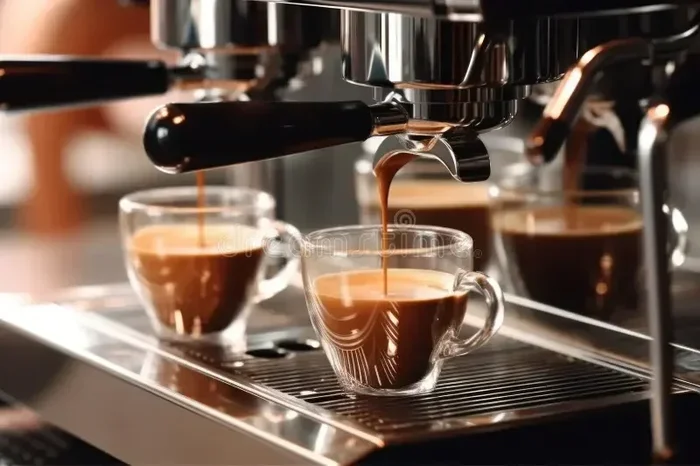
The Moka pot is a stovetop espresso maker that produces a concentrated, strong cup of coffee. It uses steam pressure to push water through the grounds, extracting a rich, bold flavor that is closer to espresso than drip coffee.
Moka pot coffee is naturally strong because of the high pressure and small water-to-coffee ratio. It delivers a concentrated bold coffee taste that is hard to beat. Just be careful not to let it brew too long on the heat, or it will turn bitter.
Pro tip: Remove the Moka pot from the stove as soon as you hear a hissing sound. This means the brewing cycle is complete. Letting it sit on the heat will scorch the coffee and add unwanted bitterness.
Cold Brew: Smooth and Naturally Sweet
If you want the strongest coffee with the least amount of bitterness, cold brew is your winner. Cold brew uses room temperature or cold water and a long steeping time of 12 to 24 hours. This slow extraction pulls out the sweet, smooth compounds while leaving behind the harsh, bitter ones.
The result is a naturally sweet, incredibly smooth coffee concentrate. You can dilute it with water or milk, or drink it straight for maximum caffeine content. Cold brew typically has a higher caffeine concentration than hot brewed coffee because of the long extraction time and high grounds-to-water ratio.
Cold brew is also incredibly easy to make. Just add coarse grounds to water, wait, strain, and enjoy. It is one of the best methods for people who want coffee without bitterness.
The Perfect Coffee-to-Water Ratio
The ratio of coffee grounds to water is the single most important variable in making strong coffee. Get this wrong, and no amount of bean quality or technique will save your cup.
Standard Ratios for Strong Coffee
For a regular cup of coffee, the standard ratio is about 1:15 — one part coffee to fifteen parts water. But if you want a stronger brew, you need to adjust this ratio. Here are some guidelines:
- 1:15 ratio: Standard strong coffee, balanced flavor
- 1:12 ratio: Very strong and concentrated, ideal for espresso-style drinks
- 1:10 ratio: Extremely bold, best for cold brew concentrate
Using more coffee grounds does not automatically mean a better cup. You need to pair a higher ratio with the right grind size and brew time. Otherwise, you risk over-extraction and that unpleasant bitter taste.
Measuring Your Grounds Accurately
Do not scoop coffee with a random spoon. Use a kitchen scale to measure your grounds by weight. A tablespoon of coffee weighs about 5 to 7 grams depending on the grind size. For a 12-ounce cup using a 1:15 ratio, you would need about 24 grams of coffee and 360 grams of water.
Consistency is key. If you want to reproduce your perfect cup every time, weighing your ingredients is the only reliable way to do it.
Water Temperature and Extraction
Water temperature plays a huge role in how your coffee tastes. Too hot, and you over-extract. Too cool, and you under-extract. Both lead to a bad cup of coffee.
The Ideal Brewing Temperature
The sweet spot for brewing coffee is between 195°F and 205°F. This range is hot enough to extract the desirable flavors and oils from the grounds but not so hot that it pulls out the bitter compounds.
If you do not have a thermometer, just bring your water to a boil and then let it sit for 30 to 45 seconds. This brings it right into the ideal range. Never pour boiling water directly onto your coffee grounds.
Common Extraction Mistakes
Here are the most common mistakes people make with water temperature and extraction:
- Using boiling water (212°F) — this scorches the grounds and adds bitterness
- Using water that is too cool (below 190°F) — this leads to sour, weak coffee
- Not pre-wetting the grounds — this causes uneven extraction
- Pouring water all at once instead of in stages — this floods the grounds and creates channels
For pour-over and drip methods, pour the water in slow, circular motions. This ensures all the grounds are evenly saturated and extracted. Uneven extraction is one of the hidden causes of bitter coffee.
How to Avoid Bitterness While Keeping It Strong
This is where everything comes together. Making strong coffee without bitterness is all about balancing your variables. Here are the most effective ways to keep your cup bold but smooth.
Grind Size Matters Enormously
Grind size affects how fast the water extracts flavor from the grounds. A finer grind exposes more surface area, which speeds up extraction. A coarser grind slows it down.
For strong coffee without bitterness, match your grind size to your brewing method:
- French press: Coarse grind, like sea salt
- Moka pot: Medium-fine grind, slightly finer than table salt
- Cold brew: Extra coarse grind, like rough breadcrumbs
- Pour over: Medium grind, like sand
If your coffee tastes bitter, try using a coarser grind. This reduces the surface area and slows extraction, which removes harsh compounds while keeping the bold flavor.
Control Your Brew Time
Brew time is just as important as grind size. The longer coffee sits in water, the more compounds get extracted. After a certain point, you start pulling out the bitter stuff.
Here are ideal brew times for each method:
- French press: 4 minutes
- Moka pot: 3 to 5 minutes total
- Cold brew: 12 to 24 hours
- Pour over: 3 to 4 minutes
Set a timer and stick to it. Do not let your French press coffee sit on the plunger for an extra 10 minutes. That extra time will turn a smooth, bold cup into something harsh and unpleasant.
Quick Tips to Reduce Bitterness
Here are some fast, easy tips to keep your coffee smooth and strong:
- Always use filtered water. Tap water contains minerals and chlorine that can affect flavor.
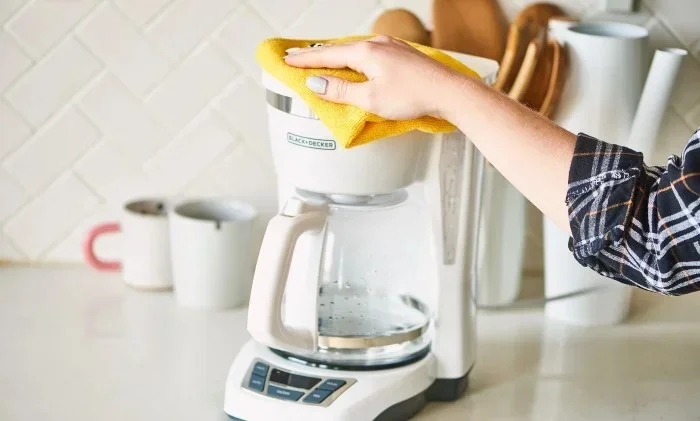
- Clean your coffee maker regularly. Old oils build up and turn rancid, adding bitterness.
- Do not reuse coffee grounds. The second brew is weak and often bitter.
- Add a tiny pinch of salt to your grounds before brewing. It neutralizes bitterness naturally.
- Use slightly cooler water if your coffee always tastes bitter.
Pairing your coffee with something warm and fresh makes the experience even better. If you enjoy breakfast with your coffee, try making toast in the oven without a toaster for a simple, satisfying start to your morning.
Putting It All Together: Your Daily Strong Coffee Routine
Now that you know all the pieces, let us put them together into a simple routine you can follow every morning.
Start with freshly roasted dark roast beans. Grind them to the right size for your brewing method. Measure your coffee using a scale — aim for a 1:12 to 1:15 ratio. Heat your water to between 195°F and 205°F. Brew for the recommended time. Pour and enjoy immediately.
It sounds like a lot of steps, but once you do it a few times, it becomes second nature. The difference in flavor compared to your old routine will be dramatic. You will never go back to weak, bitter coffee again.
For a complete breakfast pairing, warm up some fresh bread. If you do not have a toaster, you can learn how to heat dinner rolls in the oven for a warm, fluffy side that pairs perfectly with your bold morning brew.
Conclusion
Making the strongest coffee without bitterness is not about using more beans or turning up the heat. It is about understanding the science of extraction and controlling each variable with care. Choose the right beans, use the correct ratio, match your grind size to your method, control your water temperature, and watch your brew time closely.
These steps work whether you prefer a French press, a Moka pot, or a cold brew concentrate. The principles stay the same. Once you master them, you will never settle for a weak or bitter cup again.
Start with one change today. Maybe it is buying whole beans. Maybe it is investing in a kitchen scale. Whatever you do, take that first step. Your taste buds will thank you. Strong, smooth, bold coffee is waiting for you — and now you have everything you need to make it.
Frequently Asked Questions
What is the strongest coffee brewing method?
The Moka pot and French press are widely considered the strongest home brewing methods. The Moka pot uses steam pressure to extract a concentrated, espresso-like shot, while the French press uses full immersion to pull out maximum oils and flavor. For the absolute strongest caffeine content, cold brew concentrate wins because of its high grounds-to-water ratio.
Can you make strong coffee without a French press or Moka pot?
Yes, you can. A simple drip coffee maker works well if you use a higher coffee-to-water ratio and a medium-fine grind. You can also make strong coffee using a pour-over method. The key is using more grounds and brewing at the right temperature for the correct amount of time.
Why does my coffee taste bitter even when I use good beans?
Bitterness usually comes from over-extraction, not the beans themselves. Check your water temperature, grind size, and brew time. If your water is too hot, your grind is too fine, or you are brewing too long, you will pull out bitter compounds. Lower the temperature, use a coarser grind, or shorten the brew time to fix it.
Does coffee strength decrease over time?
Yes, it does. Coffee starts losing its flavor and aromatic compounds within minutes of brewing. The oils that give coffee its bold taste begin to oxidize and break down. For the strongest and best-tasting coffee, always drink it within 10 to 15 minutes of brewing.
How much caffeine is in the strongest coffee?
A standard cup of strong brewed coffee contains about 150 to 200 milligrams of caffeine. Cold brew concentrate can have 200 to 300 milligrams per serving because of the high concentration of grounds and long extraction time. A Moka pot shot typically contains around 100 to 150 milligrams per small cup.
Is dark roast coffee always stronger than light roast?
Not necessarily. Light roast beans actually contain slightly more caffeine per gram. However, dark roast coffee tastes stronger and bolder because the roasting process breaks down acidic compounds and brings out deeper, more intense flavors. The perceived strength of dark roast comes from its rich, full-bodied taste rather than higher caffeine levels.