How To Use Andis Commercial Coffee Maker Like A Pro
Using an Andis commercial coffee maker is easier than you think once you understand the basics. This guide walks you through every step, from setup and brewing to cleaning and troubleshooting. You will learn the exact settings, ratios, and techniques that produce barista-quality coffee every single time.
Running a busy coffee shop or office kitchen means you need equipment that delivers. The Andis commercial coffee maker is built for exactly that kind of heavy daily use. But even the best machine will let you down if you do not know how to use it properly.
Whether you just unboxed your new Andis commercial coffee maker or you have been using one for a while but want to improve your results, this guide has you covered. We will walk you through every step, from the first setup to brewing your perfect cup. You will also learn cleaning routines, common mistakes to avoid, and pro tips that make a real difference.
The goal here is simple. You should walk away feeling confident and ready to brew great coffee every single time. No guesswork. No frustration. Just clear, practical advice that works.
Key Takeaways
- Proper setup matters: Take time to understand each part of your Andis commercial coffee maker before brewing your first cup.
- Water temperature and ratio are key: Getting these two factors right dramatically improves your coffee flavor.
- Clean regularly: A clean machine brews better coffee and lasts much longer.
- Use the right grind: Different brew methods need different grind sizes for the best extraction.
- Program your machine: Use timer and strength settings to save time and get consistent results.
- Avoid common mistakes: Overfilling, using stale grounds, and skipping maintenance are the top culprits of bad coffee.
📑 Table of Contents
What Is an Andis Commercial Coffee Maker?
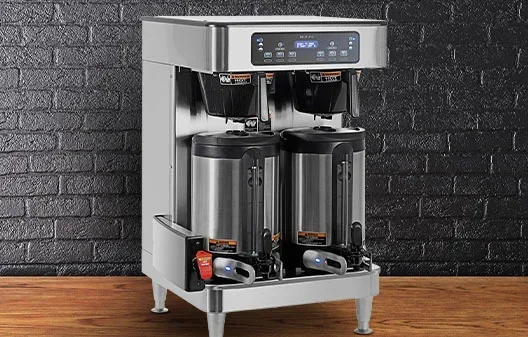
The Andis commercial coffee maker is a heavy-duty brewing machine designed for high-volume environments. You will find these machines in coffee shops, restaurants, offices, and catering setups. Unlike home coffee makers, the Andis line is built to handle constant use throughout the day without slowing down.
These machines come with larger water reservoirs, more powerful heating elements, and sturdier components. The result is consistent coffee brewing even during peak hours. If you have ever dealt with a home machine that struggles when you make multiple cups back to back, you will notice the difference right away.
The Andis commercial coffee maker also features more control options. You can adjust brew strength, temperature, and timing to match your preferences. This level of control is what separates a good cup from a great one.
Getting Started With Your Andis Commercial Coffee Maker
Unboxing and Initial Setup
Before you brew anything, take a few minutes to go through the setup process carefully. Unbox your Andis commercial coffee maker and remove all packaging materials. Check that every part is included, including the water reservoir, filter basket, carafe, and power cord.
Place the machine on a flat, stable surface near a power outlet. Make sure there is enough space around the unit for ventilation. Commercial coffee machines generate heat, so giving them room to breathe prevents overheating and extends the machine’s lifespan.
Next, rinse the water reservoir and carafe with warm water. This removes any dust or residue from shipping. You do not need soap for this first rinse. Just plain warm water will do the job.
Understanding the Key Parts
Familiarizing yourself with the parts of your Andis commercial coffee maker makes the whole process smoother. Here are the main components you should know:
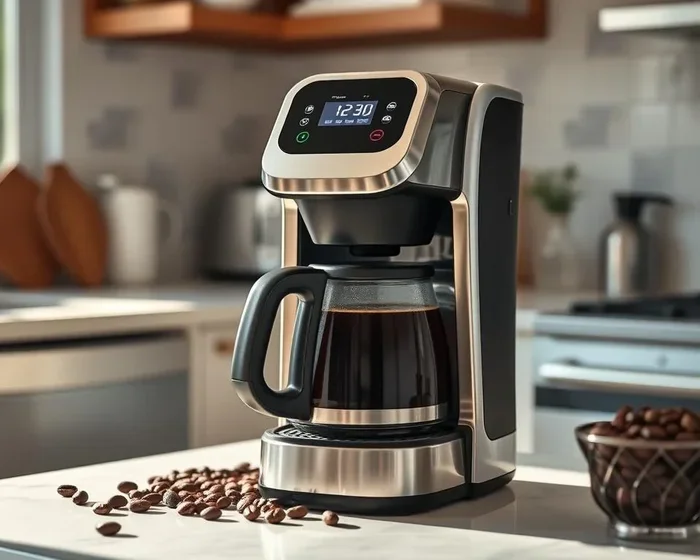
- Water Reservoir: This holds the water that gets heated and pushed through the coffee grounds. The size varies by model, but most Andis commercial units hold enough water for multiple full batches.
- Filter Basket: This is where you place your coffee grounds. The basket holds a paper or reusable filter that keeps the grounds separate from the brewed coffee.
- Carafe or Thermal Pot: This collects the brewed coffee. Many Andis commercial coffee maker models come with a thermal carafe that keeps coffee hot without a heating plate.
- Control Panel: This is where you set your brew strength, temperature, and timer. The layout depends on your specific model.
- Hot Water Tank: This heats the water to the right brewing temperature before it passes through the grounds.
Take a moment to locate each of these parts on your machine. Knowing where everything is saves time and prevents confusion when you are in the middle of a busy rush.
How To Brew the Perfect Cup
Water Temperature and Ratio
The brewing temperature is one of the most important factors in making great coffee. The ideal range is between 195 and 205 degrees Fahrenheit. Water that is too hot will over-extract the grounds and make your coffee bitter. Water that is too cool will under-extract and leave it weak and sour.
Most Andis commercial coffee maker models heat water to the optimal range automatically. You still want to verify this in your user manual. If your machine has a temperature setting, start at the midpoint and adjust from there based on your taste.
The coffee brewing ratio is equally important. A good starting point is two tablespoons of coffee grounds for every six ounces of water. This is the standard ratio recommended by most coffee professionals. You can adjust it up or down depending on how strong you like your coffee.
Choosing the Right Coffee Grounds
The coffee bean grind you use matters a lot. For a commercial drip coffee maker, a medium grind works best. It is fine enough to extract good flavor but not so fine that it clogs the filter.
Here are some quick tips for choosing and storing your grounds:
- Buy whole beans and grind them just before brewing for the freshest flavor.
- Store your coffee grounds in an airtight container away from light and heat.
- Use high-quality beans for the best coffee flavor.
- Avoid using the same grounds for more than one brew. Reusing grounds leads to weak, flat-tasting coffee.
The coffee extraction process happens when hot water passes through the grounds and pulls out the oils and flavors. Getting the grind size right ensures this process happens evenly and produces a balanced cup.
Step-by-Step Brewing Process
Follow these steps each time you brew with your Andis commercial coffee maker:
- Fill the water reservoir with fresh, cold water. Do not overfill past the maximum line.
- Place a clean filter in the filter basket.
- Add the correct amount of coffee grounds based on your desired ratio.
- Position the carafe or thermal pot on the warming plate or service area.
- Select your preferred brew strength on the control panel.
- Press the start button and let the machine do its work.
- Once brewing is complete, serve immediately for the best flavor.
Keep in mind that coffee brewing time varies by model and batch size. A full commercial batch typically takes between three and five minutes. If your machine is taking significantly longer, there may be a clog or buildup that needs attention.
Settings and Features Explained
Brew Strength Controls
The brew strength control is one of the most useful features on the Andis commercial coffee maker. This setting adjusts how much water passes through the grounds and how long the coffee extraction process takes. A stronger setting uses less water or slows the flow, resulting in a bolder cup.
Most machines offer at least three strength levels. Here is a quick comparison:
- Mild: Lighter flavor, good for people who add cream or sugar.
- Medium: Balanced flavor that suits most drinkers.
- Strong: Bold and rich, ideal for black coffee lovers.
Start with the medium setting and adjust from there. Once you find your preferred strength, stick with it for consistency across every batch.
Timer and Programming Functions
Many Andis commercial coffee maker models include programmable timers. This lets you set the machine to start brewing at a specific time. It is a great feature for coffee shops that need fresh coffee ready before the morning rush.
Programming the timer is straightforward, but the exact steps vary by model. Generally, you press and hold the timer button, use the arrow keys to set the time, and then confirm your selection. Setting the clock on your appliance is similar to learning how to set the clock on a Krups toaster oven, where you hold a button and adjust with directional controls.
Always double-check that the timer is set correctly before leaving the machine overnight. A misprogrammed timer can lead to wasted coffee grounds or an empty carafe when staff arrive in the morning.
Cleaning and Maintenance
Keeping your Andis commercial coffee maker clean is non-negotiable. A dirty machine brews bad-tasting coffee and can develop mold or mineral buildup over time. Regular cleaning also prevents breakdowns and keeps the machine running smoothly for years.
Here is a simple cleaning routine you should follow daily:
- Empty and rinse the carafe or thermal pot after every use.
- Remove and rinse the filter basket thoroughly.
- Wipe down the exterior with a damp cloth.
- Check the water reservoir for any debris or old water.
- Run a plain water cycle (no grounds) once a week to flush the internal lines.
For deeper cleaning, you will want to descale the machine every one to three months, depending on how hard your water is. Mineral deposits build up inside the hot water tank and can reduce heating efficiency. Use a descaling solution or a mix of white vinegar and water to break down these deposits.
Keeping your equipment clean goes beyond just the coffee maker. For more deep cleaning methods on other kitchen equipment, check out our guide on how to clean an oven with a dishwasher tablet without scrubbing for additional tips on tackling tough buildup without harsh scrubbing.
Also make sure to replace filters regularly. A clogged filter slows down the brewing process and affects the taste. Most Andis commercial coffee maker models use standard filters that are easy to find and affordable to replace.
Common Mistakes to Avoid
Even experienced coffee makers make mistakes. Here are the most common ones and how to avoid them:
- Using the wrong grind size: Too fine and the coffee gets bitter and clogged. Too coarse and it tastes weak and watery. Match the grind to your machine type.
- Overfilling the water reservoir: This can cause water to leak into the machine or produce inconsistent brews. Always stay below the max fill line.
- Using old or stale grounds: Coffee loses its flavor within 15 to 30 minutes of grinding. Fresh grounds make a noticeable difference.
- Skipping the warm-up: Let the machine run a cycle with just water before brewing your first batch of the day. This ensures the brewing temperature is stable.
- Ignoring the cleaning schedule: A machine that is not cleaned regularly builds up oils and mineral deposits that ruin the flavor of every cup.
- Not preheating the carafe: If your carafe is cold, it can drop the temperature of the coffee quickly. Rinse it with hot water before brewing.
Avoiding these simple mistakes will immediately improve the quality of your coffee. It is amazing how much difference a few small changes can make.
Expert Tips for Pro-Level Results
Keep Your Coffee at the Right Temperature
One of the biggest challenges in a busy coffee service environment is keeping brewed coffee at the right temperature without burning it. The Andis commercial coffee maker with a thermal carafe handles this better than machines with warming plates. Thermal carafes trap heat without applying direct heat to the coffee, which prevents that burnt, bitter taste.
If you need to keep coffee warm for extended periods, you want to avoid overheating. Maintaining warmth without direct heat is a common challenge in commercial kitchens. For more on this topic, our guide on how to keep food warm without an oven offers helpful insights that apply to beverages as well.
A good rule of thumb is to only brew what you will serve within 20 to 30 minutes. Anything sitting longer starts to lose its fresh flavor and aromatic quality.
Use Filtered Water
The water you use directly affects the taste of your coffee. Tap water contains chlorine, minerals, and other impurities that can alter the flavor. Using filtered water produces a cleaner, crisper cup that lets the true coffee flavor shine through.
Many commercial coffee makers already include water filtration systems. Check if your Andis commercial coffee maker has one and replace the filter according to the manufacturer’s recommendations.
Dial In Your Recipe
Every coffee shop has a “recipe” they follow. This is the exact ratio of coffee to water, the grind size, and the brew time that produces their signature cup. You can create your own recipe by experimenting with small changes and noting what you like best.
Start with the standard ratio of two tablespoons per six ounces of water. Brew a cup and taste it. If it is too weak, add more grounds. If it is too strong, use less. Keep adjusting until you find your sweet spot.
Once you have your recipe locked in, write it down. Consistency is what separates a good home setup from a professional coffee service. When every cup tastes the same, your customers or coworkers will notice the difference.
Train Your Team
If you are using the Andis commercial coffee maker in a business setting, make sure everyone on your team knows how to operate it correctly. Create a simple one-page guide that covers the brewing steps, cleaning routine, and troubleshooting basics.
Consistent training prevents mistakes and ensures that every batch of coffee meets your standards. It also reduces the wear and tear on the machine, since proper use is the best form of maintenance.
Troubleshooting Common Issues
Even with the best care, you may run into occasional issues with your Andis commercial coffee maker. Here are some common problems and their solutions:
- Machine not turning on: Check the power cord and outlet. Make sure the water reservoir is properly seated. Many machines have a safety switch that prevents brewing if the reservoir is not in place.
- Coffee tastes weak: This usually means the grounds are too coarse, too little coffee was used, or the water temperature is too low. Adjust one variable at a time and taste-test.
- Coffee tastes bitter: The grind is likely too fine, the water is too hot, or the brew time is too long. Try a coarser grind or a shorter brewing cycle.
- Slow brewing: Mineral buildup in the hot water tank or a clogged filter are the most common causes. Run a descaling cycle and check the filter.
- Leaking water: Check the water reservoir seal and make sure the carafe is properly positioned. A cracked reservoir or faulty seal will need replacement.
Most issues with the Andis commercial coffee maker can be resolved with basic troubleshooting. Keep your user manual handy for model-specific guidance. When in doubt, contact Andis customer support for professional assistance.
Conclusion
The Andis commercial coffee maker is a powerful tool that delivers excellent results when you use it correctly. From the initial setup and understanding the parts to mastering the brew ratio and cleaning routine, every step matters. The difference between an average cup and a great cup often comes down to the small details.
Remember to use fresh, quality grounds, maintain the right brewing temperature, and keep your machine clean. These three habits alone will transform your coffee experience. Add the programmable timer and strength controls, and you have everything you need for consistent, professional-quality coffee brewing every single day.
Take what you have learned here and put it into practice. Your Andis commercial coffee maker is ready to deliver. All you need to do is give it the right ingredients and a little attention. The perfect cup of coffee is just a brew cycle away.
Frequently Asked Questions
How long does the Andis commercial coffee maker take to brew a full batch?
A full commercial batch typically takes between three and five minutes, depending on the model and batch size. Smaller batches may brew faster. If your machine is taking significantly longer than this, check for clogs or mineral buildup in the system.
What type of coffee grounds work best with the Andis commercial coffee maker?
A medium grind works best for most Andis commercial drip models. It is fine enough to extract good flavor but not so fine that it clogs the filter. Always use fresh grounds for the best coffee flavor and avoid reusing grounds from a previous brew.
How often should I clean my Andis commercial coffee maker?
You should rinse the carafe, filter basket, and reservoir after every use. Perform a deeper cleaning and descaling cycle every one to three months, depending on your water hardness. Regular coffee maker maintenance prevents buildup and keeps the machine running smoothly.
Can I use the Andis commercial coffee maker to make hot water for tea or other beverages?
Yes, most Andis commercial models can dispense hot water for tea or other beverages. Simply run a cycle with clean water and no coffee grounds. This is a convenient feature for offices or shops that serve multiple types of hot drinks.
Why does my coffee taste bitter even when I use good beans?
Bitter coffee is usually caused by water that is too hot, a grind that is too fine, or a brew time that is too long. Try adjusting the brewing temperature down slightly, using a coarser grind, or shortening the extraction time to fix the issue.
Does the Andis commercial coffee maker come with a warranty?
Yes, most Andis commercial coffee makers come with a manufacturer’s warranty that covers parts and labor for a specified period. Check your user manual or contact Andis directly for warranty details specific to your model. Registering your product can help streamline any future service claims.
=== INTERNAL LINKS USED ===
Internal links used: 3