How Big Is A Pizza Oven Everything You Need To Know
How Big Is A Pizza Oven depends on your space, cooking needs, and the type of oven you choose. From compact countertop models to large wood-fired outdoor ovens, pizza oven sizes vary widely in height, width, and cooking area. This guide covers every size option so you can pick the right fit for your kitchen or backyard.
Have you ever stood in front of a pizza oven and wondered, how big is a pizza oven really? The answer might surprise you. Pizza ovens come in all shapes and sizes, from tiny countertop units that fit on your kitchen counter to massive outdoor setups that can cook dozens of pizzas at once.
Knowing the right pizza oven size is more important than most people think. A too-small oven limits how much you can cook. A too-big oven wastes space and money. Whether you are a home cook who loves weekend pizza nights or someone planning a backyard pizza party, this guide has you covered.
We will walk you through every size category, explain pizza oven dimensions, and help you pick the perfect fit. By the end, you will know exactly what pizza oven size works best for your home, your kitchen, and your cooking goals.
Key Takeaways
- Pizza oven sizes range from small portable units (12 inches wide) to large commercial ovens (over 6 feet tall).
- Your available space and cooking goals should always drive your decision on pizza oven size.
- Wood-fired pizza ovens need more room for venting, chimney clearance, and heat management.
- Countertop pizza ovens are ideal for small kitchens and families who want convenience.
- Outdoor pizza ovens offer the best cooking experience but require a solid foundation and patio space.
- Measuring your space before buying prevents costly mistakes and ensures proper ventilation.
- Cooking area dimensions matter more than the overall oven footprint when making pizzas.
📑 Table of Contents
What Size Pizza Oven Do You Actually Need
The question of how big is a pizza oven starts with your needs. Not everyone needs a massive wood-fired oven in the backyard. Some people just want to bake a personal-sized pizza in minutes. Others want to cook for a crowd.
Before you shop, ask yourself these simple questions:
- How many people will you cook for at once?
- Do you have indoor or outdoor space available?
- What type of pizza do you like to make?
- How often will you use the oven each week?
- What is your budget for the oven setup?
The answers to these questions will narrow down your pizza oven options quickly. A family of four who loves pizza once a week needs a very different oven than a restaurant owner serving hundreds of customers daily.
Small Pizza Ovens for Home Cooks
Small pizza ovens are perfect for everyday home use. These units typically have a cooking area between 10 and 16 inches wide. They fit on kitchen counters, small patios, or even balconies.
Most small pizza ovens reach temperatures between 700 and 900 degrees Fahrenheit. That is hot enough to bake a Neapolitan-style pizza in about 60 to 90 seconds. You can find compact electric models and small gas ovens in this category.
Portable pizza ovens also fall into this size range. They are lightweight, easy to move, and great for camping trips or small gatherings. Brands like Ooni and Roccbox make popular small ovens that many home cooks love.
Medium Pizza Ovens for Serious Home Chefs
Medium-sized pizza ovens offer a nice balance between cooking capacity and footprint. The cooking area on these models usually ranges from 16 to 30 inches wide.
These ovens can handle 2 to 4 pizzas at a time. They work great for families who entertain often or for couples who want to explore different pizza styles. Many outdoor pizza ovens in this category use wood or gas fuel and can reach temperatures above 800 degrees.
A medium oven takes up more space, so you will need a dedicated patio area or a sturdy outdoor table. The good news is that these ovens still fit in most residential backyards without any structural changes.
Large and Commercial Pizza Ovens
Large pizza ovens are built for high-volume cooking. These are the ovens you see in pizzerias, restaurants, and pizzeria chains. The cooking area on a commercial oven can exceed 40 inches in width.
Some large brick pizza ovens stand over 6 feet tall and require a concrete foundation. They can bake 10 or more pizzas per hour. The interior space allows for even heat distribution across multiple pizzas at once.
These ovens are not practical for most homes. But if you have a large outdoor kitchen or are opening a restaurant, a large pizza oven delivers incredible cooking performance and authentic results.
Pizza Oven Sizes Explained by Type
Not all pizza ovens are built the same way. The type of oven you choose directly affects its size. Let us break down the most common types and their typical dimensions.
Countertop Electric Pizza Ovens
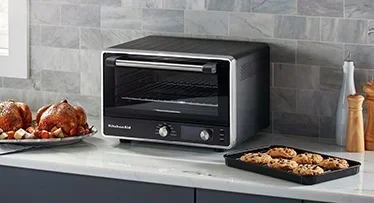
Countertop models are the smallest pizza ovens available. Most are about 18 to 24 inches wide, 14 to 18 inches deep, and 10 to 14 inches tall. They plug into a standard wall outlet and need no special installation.
These ovens are ideal for small kitchens, dorm rooms, or office break rooms. The cooking area is usually 12 to 16 inches in diameter. They preheat in about 10 to 15 minutes and can reach temperatures up to 700 degrees.
Pros: Compact, easy to use, no installation needed, affordable price range. Cons: Limited cooking capacity, lower max temperature than wood-fired options.
Wood-Fired Outdoor Pizza Ovens
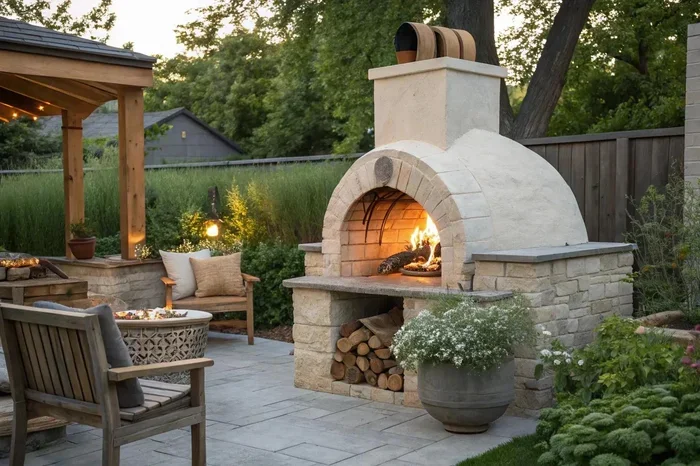
Wood-fired pizza ovens are the gold standard for authentic pizza making. These ovens range from 30 inches to over 60 inches in diameter for the cooking dome.
A typical home-sized wood-fired oven stands about 40 to 48 inches tall and 36 to 44 inches wide. The pizza oven footprint includes the base, which can be 5 feet by 5 feet or larger. You also need clearance space for the chimney and safe heat dissipation.
The interior cooking floor of a wood-fired oven is usually between 30 and 42 inches wide. This is enough space for 2 to 6 pizzas depending on size. The dome shape traps heat efficiently and creates the signature crispy yet chewy pizza crust.
Gas Pizza Ovens
Gas pizza ovens offer convenience without the hassle of firewood. They come in both small countertop and larger outdoor models.
Small gas ovens are similar in size to countertop electric models. Larger outdoor gas ovens can match the dimensions of wood-fired options. Most gas ovens have a cooking area between 14 and 30 inches wide.
One advantage of gas ovens is temperature control. You can adjust the flame to maintain a consistent pizza oven temperature throughout your cooking session. This makes gas ovens great for beginners who are still learning to manage wood-fired heat.
Pellet Pizza Ovens
Pellet pizza ovens use compressed wood pellets as fuel. They are becoming increasingly popular among home cooks. These ovens typically fall between the size of countertop models and small outdoor wood-fired ovens.
Most pellet ovens have a cooking area of 14 to 20 inches. They stand about 20 to 30 inches tall and weigh between 30 and 60 pounds. The compact pizza oven design makes them easy to store and transport.
Pellet ovens offer excellent temperature control through a digital auger system. They can reach 800 to 900 degrees Fahrenheit, which is perfect for making high-quality pizza at home.
How to Measure Your Pizza Oven Space
Before you buy any oven, you need to measure your available space carefully. How big is a pizza oven in your specific setting depends on more than just the oven itself.
Measuring Your Indoor Kitchen Space
If you plan to place a pizza oven indoors, start by measuring your counter or floor space. Use a tape measure and record the width, depth, and height of the available area.
Leave at least 4 to 6 inches of clearance on all sides for ventilation. The oven should also be away from any flammable materials. Check that your kitchen counter can support the weight of the oven when loaded with food.
For countertop models, the oven should fit within your available surface without blocking other appliances. A good rule of thumb is to leave at least 12 inches of counter space on each side of the oven for prep work.
Measuring Your Outdoor Patio or Backyard
Outdoor pizza ovens need more space than you might expect. Start by measuring the area where you plan to place the oven.
Consider these factors:
- Chimney clearance: Allow at least 24 inches of vertical clearance above the chimney cap.
- Heat safety zone: Keep the oven at least 10 feet from any wooden structures or fences.
- Working space: Leave room for a pizza peel, prep surface, and seating area around the oven.
- Wind protection: Position the oven away from strong wind paths to maintain consistent heat.
The total outdoor footprint for a medium pizza oven setup can be 8 feet by 8 feet or larger. This includes the oven, the base, and your workspace.
Understanding Pizza Oven Interior Dimensions
The interior dimensions of a pizza oven matter just as much as the exterior size. The pizza oven cooking area determines how many pizzas you can bake and how large they can be.
Most pizza ovens are measured by the diameter of the cooking floor inside the dome. A 30-inch interior cooking area can comfortably fit two 12-inch pizzas or one large 16-inch pizza. A 40-inch cooking area can handle three to four standard pizzas at once.
The dome height also affects cooking performance. Taller domes allow for better heat circulation, which is important for baking larger pizzas evenly. Look for a dome height that is at least 70 percent of the cooking floor diameter for optimal results.
Indoor vs Outdoor Pizza Oven Size
Where you plan to use your pizza oven has a big impact on the size you should choose. Indoor and outdoor ovens serve different purposes and come in very different dimensions.
Indoor Pizza Oven Options
Indoor pizza ovens are designed to fit within the constraints of a home kitchen. They are smaller, lighter, and simpler to install than outdoor models.
Most indoor pizza ovens have a cooking area between 10 and 16 inches. They are compact enough to sit on a standard kitchen counter. Electric and small gas models dominate this category.
The trade-off is cooking capacity. You can typically bake only one or two pizzas at a time in an indoor oven. But for most families, this is more than enough. Plus, indoor ovens preheat faster and are easier to use on a daily basis.
Outdoor Pizza Oven Options
Outdoor pizza ovens are where things get exciting. These ovens can be much larger and deliver a more authentic pizza-making experience.
Outdoor pizza ovens range from small portable units to permanent brick installations. The size you choose depends on your patio space and how often you plan to cook.
A small outdoor oven (30 to 36 inches wide) fits in a tight backyard. A medium oven (36 to 48 inches wide) works well for regular entertaining. A large outdoor oven (over 48 inches) is best suited for spacious patios and serious pizza enthusiasts.
Outdoor ovens also allow you to use wood as fuel, which adds incredible flavor to your pizza. The open-air setup means you do not have to worry about ventilation inside your home.
Common Pizza Oven Size Mistakes to Avoid
Many people make mistakes when choosing a pizza oven size. Avoid these common pitfalls to ensure a smooth and satisfying experience.
Buying Too Big Without Enough Space
The most common mistake is buying an oven that is too large for your available space. A huge wood-fired oven looks amazing in photos, but it will not work if you do not have room for it.
Always measure your space first. Then subtract clearance requirements from those measurements. Only then should you start shopping for ovens that fit within your actual footprint.
Underestimating the Weight
Pizza ovens are heavy. A small countertop oven might weigh 30 to 50 pounds. A medium outdoor oven can weigh 200 to 400 pounds. Large brick ovens can weigh over 1,000 pounds.
Make sure your counter, patio, or foundation can support the weight. A pizza oven base or stand is often necessary for outdoor models. Do not skip this step or you risk damage to your floor or patio.
Ignoring Ventilation Needs
Every pizza oven needs proper ventilation, especially wood-fired models. The chimney needs clearance, and the oven needs space for airflow around the dome.
Indoor ovens should ideally vent through a wall or ceiling using a proper chimney pipe. Outdoor ovens need to be positioned so smoke blows away from seating areas. Ignoring ventilation leads to smoke buildup and poor cooking results.
Choosing the Wrong Cooking Size for Your Pizzas
Think about the size of pizza you and your family prefer. If you love large 16-inch pizzas, you need an oven with a cooking floor of at least 30 inches. If you prefer personal 10-inch pizzas, a smaller oven works fine.
The pizza oven interior size should match your preferred pizza size, not the other way around. Measure your favorite pizza stone or pizza peel to get a sense of what fits best.
How to Choose the Right Pizza Oven Size for You
Now that you understand the different sizes and types, here is how to make your final decision.
Step 1: Define Your Cooking Goals
Write down what you want to achieve with your pizza oven. Are you baking one pizza for your family on a Friday night? Or are you hosting weekly pizza parties for 15 friends?
Your cooking goals determine the oven size. A small electric oven works perfectly for casual family dinners. A large wood-fired oven makes sense if you plan to cook frequently and for groups.
Step 2: Set a Budget
Pizza oven prices vary widely based on size. Small countertop models start around 200 to 400 dollars. Medium outdoor ovens range from 500 to 2,000 dollars. Large commercial-style ovens can cost 3,000 dollars or more.
Set a realistic budget before shopping. Remember to factor in the cost of the base, chimney, and any installation work. A pizza oven kit often includes the base and dome, which can save you money compared to building from scratch.
Step 3: Test Before You Buy
If possible, visit a store or a friend who has a pizza oven. Seeing and feeling the oven in person gives you a better sense of size than looking at dimensions on a website.
Ask about the cooking experience. How easy is it to slide a pizza in and out? Is the oven height comfortable for standing and cooking? These practical details matter as much as the measurements.
Step 4: Plan Your Installation
Before your oven arrives, plan where it will go and how it will be set up. For outdoor ovens, build or purchase the base in advance. Make sure the surface is level and stable.
For indoor ovens, clear the counter space and check the electrical outlet capacity. Some countertop ovens need a dedicated circuit to operate safely.
Planning ahead saves time, money, and frustration. A little preparation goes a long way toward enjoying your new pizza oven from day one.
Final Thoughts on Pizza Oven Size
So, how big is a pizza oven really? The answer is that it depends entirely on you. Your space, your cooking habits, your budget, and your pizza preferences all play a role in finding the right size.
Small countertop ovens bring pizza-making into your kitchen with ease. Medium outdoor ovens offer the perfect balance of capacity and convenience. Large commercial ovens deliver professional results for serious enthusiasts and business owners.
The most important thing is to choose an oven that fits your life. A perfect-sized oven will get used more often, bring more joy to your cooking, and help you make better pizza at home. Take your time, measure your space, and enjoy the journey to finding your ideal pizza oven size.
Whether you are baking your first pizza or your hundredth, the right oven size makes all the difference. Start with what you need, plan for what you want, and soon you will be pulling hot, crispy, delicious pizzas out of your very own oven.
Frequently Asked Questions
What is the standard size for a home pizza oven?
A standard home pizza oven has a cooking area between 16 and 30 inches wide. This size fits most families comfortably and can bake 2 to 4 pizzas at a time. Both countertop and outdoor models fall into this range.
How much space do I need around a pizza oven?
You should leave at least 4 to 6 inches of clearance on all sides of the oven for ventilation. For outdoor wood-fired ovens, maintain at least 10 feet from wooden structures. A safe working area of 8 feet by 8 feet around the oven is ideal.
Can a small pizza oven make restaurant-quality pizza?
Yes, a small pizza oven can make excellent pizza if it reaches high enough temperatures. Look for ovens that heat to at least 700 degrees Fahrenheit. The key is the cooking temperature, not just the oven size.
What is the best pizza oven size for a family of four?
A medium-sized pizza oven with a 20 to 24-inch cooking area works great for a family of four. This size bakes 2 pizzas at a time, which is plenty for a family dinner or small gathering.
How tall should a pizza oven be for comfortable cooking?
The oven opening should be at a comfortable standing height, typically 36 to 42 inches from the ground. The dome height should be at least 70 percent of the cooking floor diameter for proper heat circulation and even cooking.
Do I need a special foundation for a large outdoor pizza oven?
Yes, large outdoor pizza ovens need a solid concrete or stone foundation. The foundation should be at least 2 inches wider than the oven base on all sides. Always check the manufacturer’s weight specifications before building your base.
=== CONCLUSION ===
How Big Is A Pizza Oven is a question with many answers, and now you have them all. From compact countertop models to sprawling outdoor brick ovens, the right pizza oven size depends on your space, your cooking style, and your pizza goals.
Remember to measure your available area first, choose a type that matches your fuel preference, and always leave room for safe ventilation and comfortable use. Whether you pick a small portable oven for quick weeknight pizzas or invest in a large wood-fired setup for weekend entertaining, the perfect pizza oven is out there waiting for you.
Start planning today, and soon you will be enjoying homemade pizza that rivals your favorite pizzeria. The journey to better pizza begins with choosing the right size.