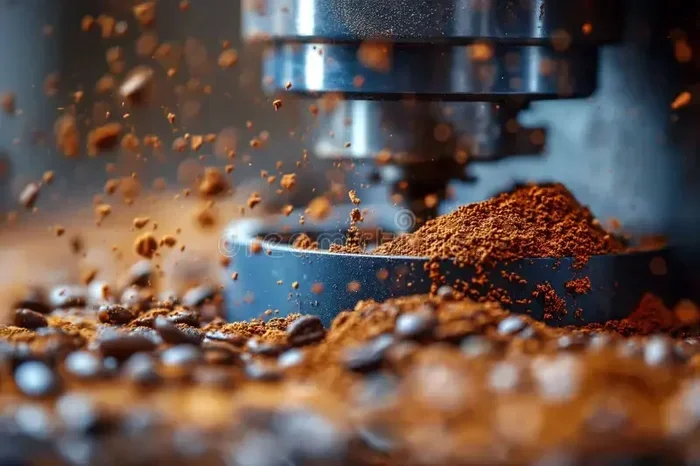
What Number Should I Grind My Coffee Beans Correctly
Finding the right grind size is the single most important step you can take to improve your daily cup of coffee. Whether you prefer a bold espresso or a smooth French press, the number on your grinder matters more than you think. This guide shows you exactly what number to grind your coffee beans for every brewing method, with simple tips and clear explanations.
There is a number on your coffee grinder that changes everything. That number controls how big or small your coffee particles are. And the size of those particles decides how your coffee tastes. If you have ever wondered what number should I grind my coffee, you are not alone. This is one of the most common questions home brewers ask, and the answer is simpler than you think.
Grinding coffee beans at home is one of the best ways to get a better cup. But grinding is not just about crushing beans. It is about control. The coffee grind size you choose affects extraction, flavor, and mouthfeel. Too fine, and your coffee turns bitter. Too coarse, and it tastes weak and sour. Getting the right grind consistency is the key to unlocking the full potential of your beans.
In this guide, we will walk you through every grind size, every brew method, and every setting you need to know. We will also cover how to pick the right grinder, avoid common mistakes, and make small adjustments that lead to big improvements. By the end, you will know exactly what number to set your grinder for any type of coffee you want to make.
Key Takeaways
- Grind size controls flavor: Too fine or too coarse leads to bitter or weak coffee every time.
- Different brew methods need different sizes: Espresso needs a fine grind, while French press demands a coarse grind.
- Burr grinders are more consistent: They produce even particles, which means better extraction and better taste.
- Freshly ground coffee tastes better: Pre-ground coffee loses flavor fast, so grind just before brewing.
- Adjusting your grinder is simple: Small changes make a big difference in your cup.
- Clean your grinder regularly: Residual oils and particles affect the flavor of your next brew.
📑 Table of Contents
Why Grind Size Matters So Much
Think of grind coffee beans like cutting vegetables for a soup. If you chop them into tiny pieces, they cook fast and release a lot of flavor. If you leave them big, they take longer and release less. Coffee works the same way. The surface area of your grounds determines how much flavor pulls out during brewing.
When water touches coffee grounds, it extracts oils, acids, and sugars. This process is called coffee extraction. A finer grind has more surface area, so extraction happens faster. A coarser grind has less surface area, so extraction takes longer. If you match the grind size to your brew time, you get a balanced cup. If you do not, you end up with over-extracted or under-extracted coffee.
What Happens When You Grind Too Fine
Fine grind coffee particles extract quickly. If your brew time is short, this can work well. But if the water sits with too-fine grounds for too long, you get over-extraction. Over-extracted coffee tastes bitter, harsh, and dry. It can also feel astringent on your tongue. Nobody wants that in their morning cup.
What Happens When You Grind Too Coarse
Coarse grounds extract slowly. If your brew time is long enough, you might still get a decent cup. But usually, coarse grounds lead to under-extraction. Under-extracted coffee tastes sour, thin, and lifeless. It lacks the sweetness and depth that make a great cup of coffee. You might also notice floating grounds in your mug, which is never pleasant.
The Coffee Grind Size Scale Explained
Most electric and manual grinders use a numbering system from 1 to 10 or 1 to 40. The lower the number, the finer the grind. The higher the number, the coarser the grind. This grind size chart is the foundation of good brewing. Once you understand it, you can adjust your settings with confidence.
| Grind Number | Grind Size | Best For |
|---|---|---|
| 1 – 3 | Extra Fine | Turkish coffee |
| 4 – 6 | Fine | Espresso |
| 7 – 10 | Medium-Fine | Pour over, AeroPress |
| 11 – 14 | Medium | Drip coffee makers |
| 15 – 18 | Medium-Coarse | Chemex, vacuum brewers |
| 19 – 22 | Coarse | French press |
| 23+ | Extra Coarse | Cold brew |
These numbers are general guides. Every grinder brand uses a slightly different scale. The important thing is to learn what each setting tastes like in your own cup. Start in the middle and adjust from there. Small turns make a big difference.
Extra Fine Grind (Numbers 1 to 3)
An extra fine grind looks and feels like powdered sugar. It is used for Turkish coffee, which brews slowly in a small pot called a cezve. This grind size needs a specialized grinder, because most home grinders cannot go this fine. If you have ever had Turkish coffee, you know how thick and rich it is. That texture comes from the ultra-fine particles.
Fine Grind (Numbers 4 to 6)
A fine grind is the standard for espresso. It feels like table salt or slightly finer. Espresso machines push water through the grounds at high pressure, so the fine particles create resistance and slow the water down. This contact time is what gives espresso its bold, concentrated flavor. If your espresso tastes sour, try going a number finer. If it tastes bitter, go a number coarser.
Medium-Fine Grind (Numbers 7 to 10)
This is a versatile range that works well for pour-over coffee and AeroPress. The grounds feel like beach sand. They allow water to flow through at a steady pace, extracting a balanced mix of flavors. Many coffee lovers consider this the sweet spot for manual brewing. If you are just starting to explore grind sizes, this is a great place to begin.
Medium Grind (Numbers 11 to 14)
A medium grind works best for standard drip coffee makers and basket-style pour-over devices. The texture is similar to coarse sand. It lets water flow through the grounds at a natural pace without clogging or rushing. Most pre-ground coffee you buy at the store is a medium grind, which is why it works so well with automatic machines.
Medium-Coarse Grind (Numbers 15 to 18)
This grind size is slightly chunky and works great for Chemex and vacuum brewers. The particles are bigger, so they need more time to extract. Chemex filters are thicker than standard filters, which slows the flow even more. The result is a clean, bright, and smooth cup of coffee.
Coarse Grind (Numbers 19 to 22)
A coarse grind looks like sea salt or rough breadcrumbs. It is the standard for French press brewing. Because the French press steeps coffee for four minutes or more, the large particles do not over-extract. They also make it easy to press the plunger down without clogging. If your French press coffee tastes muddy or bitter, your grind is probably too fine.
Extra Coarse Grind (Numbers 23 and Above)
Extra coarse grounds are the biggest particles you will use. They are ideal for cold brew, which steeps for 12 to 24 hours in room-temperature or cold water. The large particles release flavor slowly and steadily, creating a smooth and low-acid concentrate. You can dilute cold brew with water or milk to make a refreshing iced coffee drink.
Best Grind Sizes for Different Brew Methods
Every brewing method has a sweet spot. Matching your grind size to your method is the fastest way to improve your coffee. Here is a quick breakdown of the best settings for popular brew methods.
Espresso
Espresso needs a fine grind, usually around numbers 4 to 6 on most grinders. The short brew time (25 to 30 seconds) requires small particles for fast extraction. A good espresso shot should flow like warm honey and produce a rich crema on top. If the shot runs too fast, go finer. If it drips slowly, go coarser.
French Press
For French press, go with a coarse grind around numbers 19 to 22. The four-minute steep time gives the water plenty of time to pull flavor from the large particles. Use a 1:15 ratio of coffee to water for the best results. After steeping, press the plunger slowly and serve right away. Coffee left sitting in a French press will continue to extract and turn bitter.
Pour Over
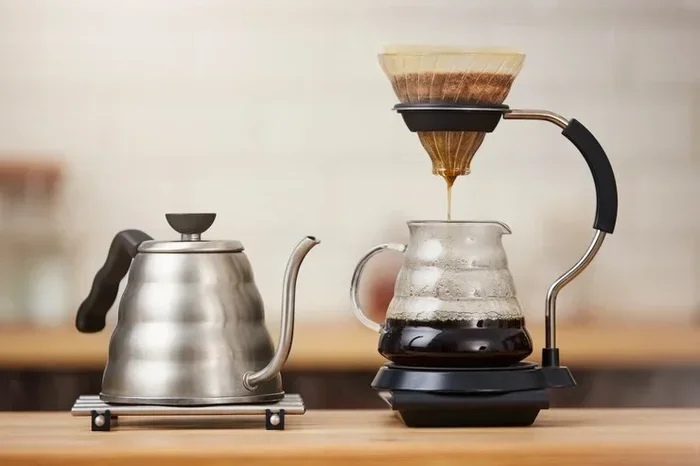
Pour-over coffee shines with a medium-fine grind, around numbers 7 to 10. This works for devices like the Hario V60, Kalita Wave, and Chemex. The slow pour gives you control over the extraction. Try pouring in stages, letting the coffee bloom for 30 seconds before adding more water. This releases gases and helps the grounds extract evenly.
AeroPress
The AeroPress is flexible and works with a range of grind sizes. Start with a medium-fine setting around numbers 7 to 9. Because the AeroPress uses pressure and short brew times, you can experiment freely. Try a fine grind for a concentrated shot or a medium grind for a longer, milder cup. The AeroPress manual includes several recipes to try.
Drip Coffee Maker
Standard drip machines work best with a medium grind around numbers 11 to 14. The machine controls the water flow and brew time, so you just need to match the grind to the machine’s pace. Use two tablespoons of coffee per six ounces of water. If your coffee tastes weak, try grinding a little finer next time.
Cold Brew
Cold brew needs an extra coarse grind, around numbers 23 and above. The long steeping time (12 to 24 hours) means the water extracts flavor slowly. Coarse particles prevent the coffee from becoming over-extracted and muddy. Strain the concentrate through a fine mesh sieve or cheesecloth, then dilute with water or milk to taste.
How to Choose the Right Grinder
The grinder you use matters just as much as the settings. There are two main types: blade grinders and burr grinders. They produce very different results, and your choice will affect every cup you make.
Blade Grinders
A blade grinder spins a sharp blade at high speed to chop the beans. It is affordable and widely available. But it does not produce a consistent grind consistency. Some particles are powder-fine, while others are chunky. This uneven size leads to uneven extraction, which means some parts of your coffee taste bitter and others taste sour. A blade grinder works in a pinch, but it is not ideal for serious coffee brewing.
Burr Grinders
A burr grinder uses two abrasive surfaces (burrs) that crush beans into uniform particles. This creates a much more even grind size, which leads to better extraction and a cleaner cup. Burr grinders come in both electric and manual versions. They are the preferred choice for coffee enthusiasts and professionals alike. If you want to seriously improve your coffee, a burr grinder is the first upgrade you should make.
Electric vs. Manual Burr Grinders
Electric burr grinders are fast and convenient. They handle large batches with ease and offer precise adjustments. Manual grinders are quieter, more portable, and often less expensive. Many manual grinders produce results that rival electric models. The best choice depends on your budget, your kitchen space, and how much coffee you drink each day.
If you are new to grinding at home, start with a basic burr grinder. You do not need to spend a fortune to get great results. Even a mid-range electric burr grinder will transform your daily cup compared to pre-ground coffee or a blade grinder.
Common Grind Size Mistakes (and How to Fix Them)
Even experienced coffee drinkers make grind size mistakes. The good news is that most problems are easy to fix once you know what to look for.
Using Pre-Ground Coffee for Everything
Pre-ground coffee sits on a shelf for weeks or months. During that time, it loses aromatic oils and flavor compounds. The grind size is already set, so you cannot adjust it for your brew method. Freshly ground coffee tastes noticeably better. If you have been using pre-ground, try grinding your own beans and see the difference.
Some people wonder if switching from pre-ground to fresh grounds changes their digestion. For example, why does instant coffee make me poop is a common concern, and freshly ground coffee can sometimes be easier on the stomach because it lacks the additives found in instant varieties.
Not Cleaning Your Grinder
Coffee oils build up inside your grinder over time. These stale oils go rancid and taint the flavor of your fresh grounds. Clean your grinder at least once a month. For electric grinders, use a brush to remove loose grounds from the burrs. For removable parts, wash them with warm water and let them dry completely before reassembling.
If you need to clean other kitchen surfaces around your coffee station, products like Easy-Off are popular choices, but always check if Easy-Off is safe for the specific surfaces you are cleaning to avoid damage.
Ignoring the Roast Level
Dark roast beans are more brittle and extract faster than light roast beans. If you use the same grind size for both, you will get different results. Dark roasts generally work better with a slightly coarser grind, while light roasts benefit from a slightly finer setting. Pay attention to the roast level when you adjust your grinder.
Grinding Too Far in Advance
Coffee starts to lose flavor within minutes of grinding. The volatile aromatic compounds evaporate quickly. For the best taste, grind your beans right before brewing. If you must grind ahead, store the grounds in an airtight container at room temperature. But even then, the flavor will not match freshly ground coffee.
Quick Tips for Perfect Coffee Every Time
Here are some fast, actionable tips to help you get the most out of your coffee grinder and brew method.
- Weigh your beans: Use a kitchen scale for consistent results. Two tablespoons is a rough guide, but weighing gives you precision.
- Use fresh, quality beans: Look for roast dates on the bag. Beans taste best within two to four weeks of roasting.
- Adjust one variable at a time: Change only the grind size or the brew time. Changing both at once makes it hard to know what fixed the problem.
- Keep a coffee journal: Write down your settings, brew time, and how the coffee tasted. This helps you repeat good results and avoid bad ones.
- Store beans properly: Keep them in an airtight container away from light and heat. Do not store them in the freezer unless you buy in bulk.
- Clean your equipment: A clean grinder and brewer make a noticeable difference in taste. Make cleaning part of your routine.
- Serve hot coffee on safe dishware: If you are pouring coffee into porcelain plates or bowls as a serving style, make sure they are oven-safe first, as some porcelain is not designed for high heat, so check if porcelain plates can go in the oven before using them near heat sources.
These small habits add up over time. They turn a good cup of coffee into a great one. You do not need expensive equipment or years of experience. You just need the right grind size and a little attention to detail.
The Science Behind the Perfect Grind
Coffee extraction is a science, but it does not have to feel complicated. The goal is to pull out about 18 to 22 percent of the soluble compounds in the grounds. This range is called the “golden extraction zone.” When you hit it, your coffee tastes balanced, sweet, and flavorful.
Over-extraction happens when too many compounds are pulled out. This makes coffee taste bitter and dry. It usually occurs when the grind is too fine, the water is too hot, or the brew time is too long. Under-extraction happens when too few compounds are extracted. This makes coffee taste sour and thin. It usually happens when the grind is too coarse or the brew time is too short.
The coffee particle size directly controls the speed of extraction. Smaller particles extract faster because more surface area touches the water. Larger particles extract slower because less surface area is exposed. By adjusting your grind adjustment, you control the speed and completeness of extraction. This is why the number on your grinder is so important.
Temperature also plays a role. Hotter water extracts faster and more completely. Most brew methods work best between 195 and 205 degrees Fahrenheit. If your water is boiling, let it sit for 30 seconds before pouring it over the grounds. This simple step can improve your coffee noticeably.
Water quality matters too. Hard water with high mineral content can interfere with extraction and leave a chalky taste. Filtered water is the best choice for most brewers. It removes impurities while keeping the minerals that help bring out coffee flavor.
Key Takeaways
- Match your grind to your brew method: Espresso needs fine, French press needs coarse, and everything else falls somewhere in between.
- Invest in a burr grinder: Consistent particle size leads to consistent, better-tasting coffee every single time.
- Grind just before brewing: Fresh grounds retain more flavor and aroma than pre-ground coffee stored in a pantry.
- Start in the middle and adjust: Begin with a medium setting and nudge up or down based on taste. Small changes matter.
- Clean your grinder regularly: Fresh grounds taste best when your equipment is free of old oils and residue.
- Keep notes on your settings: A simple log helps you replicate great cups and troubleshoot bad ones.
Understanding what number to grind your coffee beans is one of the most valuable skills you can develop as a home brewer. It gives you control over flavor, strength, and texture. Once you grasp the basics, you can experiment with confidence and discover new favorites in your daily routine.
The right grind transforms ordinary beans into an extraordinary cup. It does not matter if you are a beginner or a seasoned coffee drinker. There is always room to refine your technique and enjoy better coffee. Start with the guidelines in this article, trust your taste buds, and adjust from there. Your perfect cup is waiting for you.
Remember, great coffee is not about expensive equipment or complicated techniques. It is about the right grind size, fresh beans, clean water, and a little patience. Master these basics, and you will never need to settle for a mediocre cup again. So go ahead, set your grinder to the right number, and enjoy the process of making something truly delicious.
Frequently Asked Questions
What is the best grind size for a beginner?
Start with a medium grind, around numbers 11 to 14 on most grinders. This works well for drip coffee makers and is forgiving for beginners. Once you get comfortable, you can experiment with finer or coarser settings to match your preferred brew method.
Can I use a blade grinder for espresso?
Technically yes, but the results will not be ideal. Blade grinders produce uneven particles, which leads to inconsistent extraction. For espresso, a burr grinder is strongly recommended because it creates the fine, uniform grind needed for proper extraction and a good crema.
How often should I clean my coffee grinder?
You should clean your grinder at least once a month if you use it daily. Remove and wash any removable parts with warm water and mild soap. Use a brush to clear loose grounds from the burrs. Regular cleaning prevents stale oils from affecting the flavor of your coffee.
Does grind size affect caffeine content?
Yes, it can. A finer grind exposes more surface area, which can release more caffeine during extraction. However, brew method and serving size matter more overall. A French press with coarse grounds and a long steep time can still produce a very caffeinated cup.
Why does my coffee taste different even with the same grind setting?
Several factors can cause this: bean freshness, roast level, water temperature, and brew time all play a role. Even the humidity in your kitchen can affect how grounds absorb water. Try adjusting one variable at a time to find the sweet spot for your setup.
What number should I set my grinder for cold brew?
Use the extra coarse setting, typically numbers 23 and above on most grinders. Cold brew steeps for 12 to 24 hours, so large particles prevent over-extraction and keep the coffee smooth and low in acidity. The result is a concentrated brew you can dilute with water or milk.
=== CONCLUSION ===
Knowing what number should I grind my coffee beans correctly is the foundation of great home brewing. The right grind size brings out the best in your beans, whether you are making espresso, French press, pour-over, or cold brew. Start with the guidelines in this article, trust your palate, and make small adjustments until you find your perfect setting.
Grinding fresh beans at home is a simple habit that transforms your daily coffee routine. You do not need to be an expert. You just need the right grinder, the right settings, and a willingness to experiment. With practice, you will develop an intuition for the perfect grind coffee every time. Your taste buds will thank you.